Key Takeaway
The significant widening of the US trade deficit, driven by record imports, signals robust American domestic consumption, creating tailwinds for specific Indian export-oriented sectors like IT and Pharma, but simultaneously posing risks to capital goods importers and INR stability. Investors should strategically pivot towards dollar-earning Indian firms while monitoring global liquidity shifts.
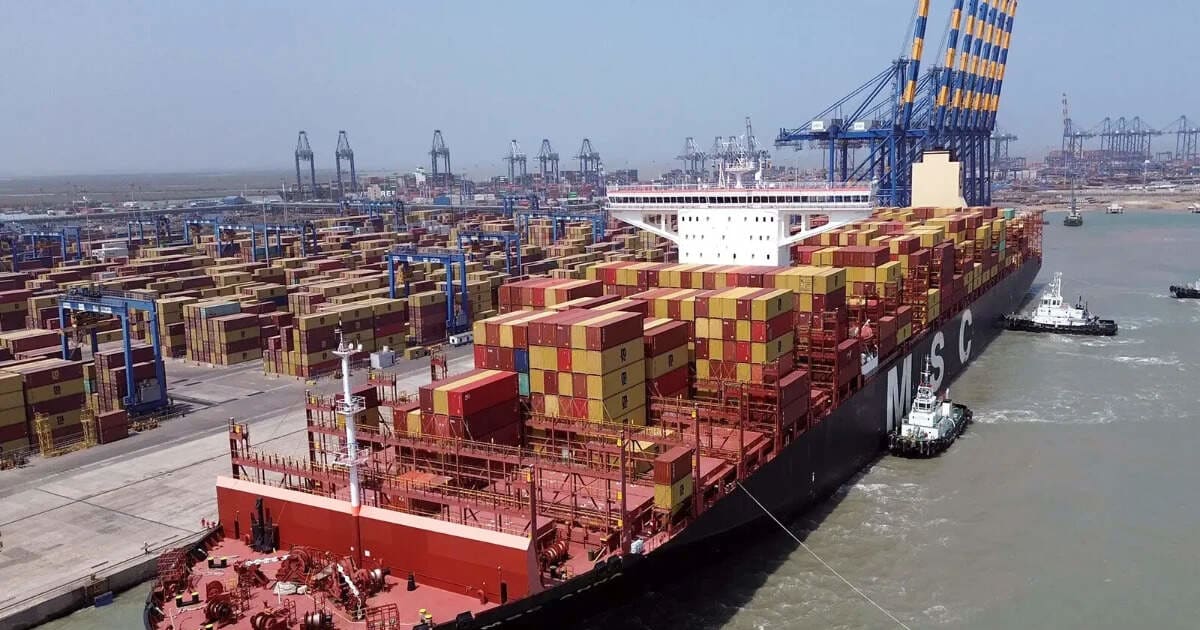
The latest US trade data reveals a substantial widening of the deficit, fueled by a surge in imports. This unexpected development, while indicating strong US consumer demand, carries complex implications for the Indian stock market, affecting everything from export-driven sectors to the Rupee's trajectory. Our deep dive dissects the immediate and long-term consequences, identifying specific winners and losers on the NSE and BSE, and provides an actionable investment strategy.
US Trade Deficit Widens: India Stock Market Impact & Investment Strategy
The latest economic data from the United States has sent ripples across global financial markets, with the US trade deficit widening significantly in August, reaching a staggering $105.6 billion. This expansion, primarily driven by a record surge in imports, is not merely a statistical anomaly; it is a powerful indicator of robust American domestic consumption, a phenomenon that carries profound and multifaceted implications for India’s equity markets and broader economic landscape. At WelthWest Research Desk, we believe this development warrants immediate, deep analysis, as it reshapes the investment calculus for Indian market participants.
The core of the matter lies in the underlying dynamics: a strong appetite for goods within the US economy. While this might seem distant, the interconnectedness of global trade means that such a substantial shift in the world's largest economy inevitably impacts emerging markets like India. Our analysis delves beyond the headlines, connecting this macro event directly to micro-level stock performance, offering an unparalleled look at the 'so what' for your portfolio.
What Does a Widening US Trade Deficit Mean for the Indian Economy?
The immediate takeaway from the US trade deficit surge is a reinforcement of the narrative surrounding resilient American demand. This voracious consumption, particularly for goods, suggests that the US consumer, despite inflationary pressures and rising interest rates, continues to spend. For India, a significant trading partner, this translates into both opportunities and challenges.
On the opportunity front, sustained US demand acts as a powerful demand driver for India's export-oriented sectors. Think of the intricate supply chains that feed American retail shelves, healthcare systems, and technology infrastructure. Indian companies embedded within these chains stand to benefit directly. The last time US import demand showed such resilience, notably during the post-pandemic recovery in late 2021, Indian IT services firms saw their order books swell, leading to strong revenue growth and subsequent stock price appreciation. This historical parallel underscores the potential upside for dollar-earning Indian enterprises.
However, the picture is not unilaterally positive. A strong US economy, often accompanied by a stronger US dollar, can create headwinds. A appreciating dollar makes imports into India more expensive, impacting sectors reliant on imported capital goods or raw materials. Furthermore, a robust US economy might lead to a more hawkish stance from the Federal Reserve, potentially drawing capital away from emerging markets like India, impacting FII flows and putting pressure on the Indian Rupee (INR). The delicate balance between export gains and import costs, coupled with capital flow dynamics, will dictate India's ultimate trade balance and capital account.
Deep Market Impact Analysis: Connecting US Trade to Indian Stocks
The implications of the widening US trade deficit are not uniform across the Indian stock market; they are highly sectoral and stock-specific. Our granular analysis identifies clear beneficiaries and those likely to face headwinds.
Winners: Indian Export-Oriented Sectors Thrive on US Demand
The primary beneficiaries are those Indian sectors with significant exposure to US markets and whose revenues are predominantly denominated in US dollars. The sustained US demand, particularly in technology and healthcare, provides a robust backdrop for these companies.
- Indian IT Services: With US enterprises continuing to invest in digital transformation, cloud computing, and cybersecurity, Indian IT firms are poised for sustained order inflows. The Nifty IT index, which often correlates with US tech spending cycles, could see renewed momentum. For instance, during the last major surge in US tech spending in 2021, the Nifty IT index delivered a CAGR of over 40%, demonstrating its sensitivity to this demand.
- Indian Pharmaceutical Exporters: Robust US healthcare spending, a non-discretionary category, ensures consistent demand for generics and specialty pharmaceuticals. Indian pharma companies with a strong US FDA-approved product portfolio stand to gain from higher volumes and potentially better pricing power.
- Indian Textile Exporters: As US consumer goods demand remains strong, particularly for apparel and home furnishings, Indian textile manufacturers and exporters could see an uptick in order books. Companies with established relationships with major US retailers are particularly well-positioned.
Losers: Sectors Facing Stronger Dollar and Import Pressures
Conversely, sectors heavily reliant on imports, particularly capital goods, or those competing directly with US imports in third markets, could face challenges.
- Indian Capital Goods Importers: A stronger US dollar makes machinery, industrial equipment, and advanced technology components imported from the US more expensive in INR terms. This could squeeze margins for Indian manufacturers heavily dependent on such imports. Companies undertaking large-scale capital expenditure projects with significant imported components might see project costs escalate.
- Indian Manufacturing Competitors in Third Markets: In certain global markets, Indian manufacturers compete directly with US exports. If US domestic demand is strong, US companies might ramp up production, potentially leading to increased competition and pricing pressure for Indian firms in those international arenas.
- Companies with Significant Unhedged USD Debt: While not a sector, any Indian company with substantial unhedged US dollar-denominated debt will face higher interest and principal repayment costs in INR terms if the dollar strengthens significantly against the Rupee.
Stock-by-Stock Breakdown: Specific Indian Equities in Focus
Based on our in-depth analysis, here are specific NSE/BSE listed stocks likely to be impacted, providing a tangible link between the macro US trade data and micro-level investment decisions:
- Tata Consultancy Services (TCS.NS): As India's largest IT services exporter, TCS generates over 50% of its revenue from North America. A sustained surge in US tech spending, fueled by strong consumption, directly translates into a robust pipeline for digital transformation projects, cloud adoption, and enterprise solutions. With a market cap exceeding ₹13.5 lakh crores and a P/E ratio typically reflecting its leadership position, TCS is a bellwether for the sector. Strong US demand could bolster its revenue growth guidance and order book, making it a prime beneficiary. Sector peers like Infosys (INFY.NS) and HCL Technologies (HCLTECH.NS) would also see similar tailwinds.
- Sun Pharmaceutical Industries (SUNPHARMA.NS): Sun Pharma derives a substantial portion of its revenue from the US market, particularly in specialty and generic drugs. Persistent US healthcare spending, insulated from many economic cycles, provides a stable demand environment. As US imports of pharmaceuticals remain high, Sun Pharma's established distribution networks and product portfolio position it favorably. The company's consistent R&D focus on niche segments further strengthens its position. Dr. Reddy's Laboratories (DRL.NS) and Lupin (LUPIN.NS) are other key players in this space to watch.
- Page Industries (PAGEIND.NS): While not a direct exporter of raw textiles, Page Industries, through its licensing agreements for global brands like Jockey, benefits from robust consumer spending trends, including in the US, which influences global apparel demand. Strong US retail sales often translate into higher overall brand sales, which can trickle down to manufacturing and licensing partners. Increased global demand for apparel, driven by US consumption, could indirectly boost its domestic sales and future growth prospects. However, it's essential to monitor discretionary spending trends. TCNS Clothing (TCNSBRANDS.NS) is a peer that could also see indirect benefits.
- Larsen & Toubro (LT.NS): L&T, a diversified engineering and construction conglomerate, has a significant capital goods manufacturing arm. While it also has international projects, its domestic operations often rely on imported heavy machinery and specialized components. A stronger USD could increase its input costs for specific projects or manufacturing divisions, potentially impacting project margins. While L&T's diversified revenue streams provide some buffer, its large-scale infrastructure projects are sensitive to currency fluctuations. Siemens India (SIEMENS.NS) and Bharat Heavy Electricals (BHEL.NS) are other companies in the capital goods space that could face similar import cost pressures.
- Reliance Industries (RELIANCE.NS): While a behemoth with diverse interests, Reliance's O2C (Oil to Chemicals) segment is a significant importer of crude oil. A stronger US dollar directly increases the cost of crude oil imports in INR terms, impacting the segment's profitability if not adequately hedged or passed on to consumers. However, its diversified portfolio, including retail and telecom, provides significant insulation. The net impact would depend on the relative strength of its other businesses and its hedging strategies.
Expert Perspective: Bulls vs. Bears on US Trade & India
The widening US trade deficit sparks a robust debate among market strategists:
The Bull Case: Proponents argue that the strong US import demand is an unequivocal positive for global growth. "This isn't just about the US; it's a proxy for global economic vigor," states a Mumbai-based fund manager. "When the world's largest consumer is spending, it creates a powerful pull for exports from economies like India. Any short-term currency weakness for the Rupee is a small price to pay for sustained demand in our key export markets. Look at the IT sector's order book visibility – it's directly linked to this underlying US strength." They would point to historical periods where strong US consumption led to multi-year bull runs in Indian export-oriented stocks, often outweighing currency pressures.
The Bear Case: Conversely, skeptics caution about the sustainability and potential side effects. "A trade deficit of this magnitude, while indicating demand, also suggests potential imbalances," warns a New Delhi-based macroeconomist. "If the US economy overheats, it could force the Fed into more aggressive rate hikes, leading to a stronger dollar and capital flight from emerging markets, including India. The benefits to exporters might be offset by the broader impact on the INR and FII outflows. We must also consider the risk of a sudden slowdown if US consumption proves unsustainable, which would then hit our exporters hard." Bears emphasize the risk of imported inflation and the vulnerability of the INR in such an environment, potentially leading to higher borrowing costs for Indian companies.
Actionable Investor Playbook: Navigating the Trade Winds
Given the nuanced implications, Indian investors need a strategic playbook:
- Allocate to Dollar-Earning Champions: Prioritize Indian companies with significant revenue exposure to the US market and strong dollar earnings. Focus on sectors like IT services, pharmaceuticals, and select specialty chemicals. Consider large-cap, established players with robust balance sheets and a history of navigating currency fluctuations. Entry points could be identified during periods of broader market correction, allowing for accumulation at attractive valuations. Time horizon: Medium to Long-term (1-3+ years).
- Scrutinize Import-Reliant Sectors: Exercise caution with companies heavily dependent on imported capital goods or raw materials, especially if their hedging strategies are weak. Monitor their quarterly results for margin compression due to higher import costs. For existing holdings, assess their ability to pass on increased costs to consumers. Consider reducing exposure to companies with high unhedged USD debt. Watch for specific P/E contractions in these sectors. Time horizon: Short to Medium-term (6-18 months).
- Consider Currency Hedging via ETFs/Mutual Funds: For investors concerned about INR depreciation, exploring international equity funds or ETFs that offer some degree of currency hedging can be a prudent diversification strategy, though direct INR hedging is complex for retail investors. Alternatively, investing in Indian companies that naturally hedge through dollar earnings can serve a similar purpose.
- Focus on Quality and Moats: In an environment of potential currency volatility and shifting capital flows, companies with strong competitive advantages, robust free cash flow generation, and low debt will be more resilient. These 'quality' stocks tend to outperform during periods of uncertainty. Evaluate companies based on their return on equity (ROE) and return on capital employed (ROCE) trends.
- Monitor FII Flows: Keep a close watch on Foreign Institutional Investor (FII) activity in the Indian markets. Sustained FII outflows, often triggered by a stronger dollar and rising US yields, can put downward pressure on the broader Nifty and Sensex. Conversely, renewed inflows would signal improving sentiment.
Risk Matrix: Assessing Potential Headwinds
- US Economic Slowdown (Medium Probability): While current data shows strength, a sudden or sharper-than-expected slowdown in US economic growth (e.g., due to aggressive Fed tightening or consumer fatigue) poses the primary risk. This would directly impact demand for Indian exports and global economic sentiment. Probability: 40% in the next 12-18 months.
- INR Depreciation & Capital Outflows (High Probability): A sustained stronger US dollar, driven by US economic resilience and potentially higher interest rates, could put significant pressure on the Indian Rupee. This would make imports more expensive and could trigger FII outflows from Indian equities and debt. Probability: 65% in the next 6-12 months.
- Global Supply Chain Disruptions (Medium Probability): While the current deficit is driven by demand, renewed global supply chain disruptions (e.g., geopolitical events, new pandemic waves) could impact the ability of Indian exporters to meet US demand efficiently, or further increase import costs for India. Probability: 35% in the next 12 months.
- Inflationary Pressures in India (Medium Probability): A weaker INR due to a stronger dollar, coupled with higher global commodity prices, could exacerbate inflationary pressures within India, potentially forcing the RBI to maintain a tighter monetary policy for longer, impacting domestic consumption and corporate borrowing costs. Probability: 50% in the next 6-12 months.
What to Watch Next: Catalysts and Data Releases
The narrative around US trade and its impact on India is dynamic. Investors should closely monitor these upcoming catalysts and data releases:
- Next US Trade Balance Data: The subsequent monthly US trade deficit figures will provide crucial insights into whether the August trend is sustained or an outlier. Release typically around the second week of each month.
- US Q3 GDP Growth Rate: This will offer a comprehensive picture of US economic health and consumer spending, directly influencing global sentiment and demand projections. Expected late October.
- Federal Reserve FOMC Meetings: The Fed's stance on interest rates and its forward guidance on monetary policy will be critical for the US dollar's trajectory and global capital flows. Upcoming meetings are key dates.
- RBI Monetary Policy Reviews: The Reserve Bank of India's decisions on interest rates and its commentary on inflation and currency stability will directly impact the INR and domestic liquidity. Scheduled reviews are crucial.
- Quarterly Earnings of Indian Exporters: Pay close attention to the commentary from Indian IT, Pharma, and Textile exporters regarding their US order books, revenue growth, and currency hedging strategies. This will provide real-time validation of the impact.
The widening US trade deficit is a complex signal, but by dissecting its components and understanding its ripple effects, investors can position their portfolios strategically. At WelthWest, our commitment is to provide clarity in complexity, empowering you with actionable insights to navigate these evolving global dynamics.
Run a free AI Stock Screen
Our algorithmic screener scores any NSE/BSE stock on fundamentals, momentum, and risk — free to try, no card needed.
Try the AI Screener →Have questions about this story?
Ask Welth, our finance-focused AI research assistant, for a deeper breakdown — free trial included.
Chat with Welth AI →Disclaimer: This content is generated by WelthWest Research Desk based on publicly available reports and is for informational purposes only. It does not constitute financial advice, investment recommendations, or an offer to buy or sell securities. Always consult a qualified financial advisor before making investment decisions.