Key Takeaway
The Vedanta restructuring marks a pivot from conglomerate discount to pure-play valuation. Investors must distinguish between asset-heavy commodity plays and high-margin specialized units to navigate this volatility.
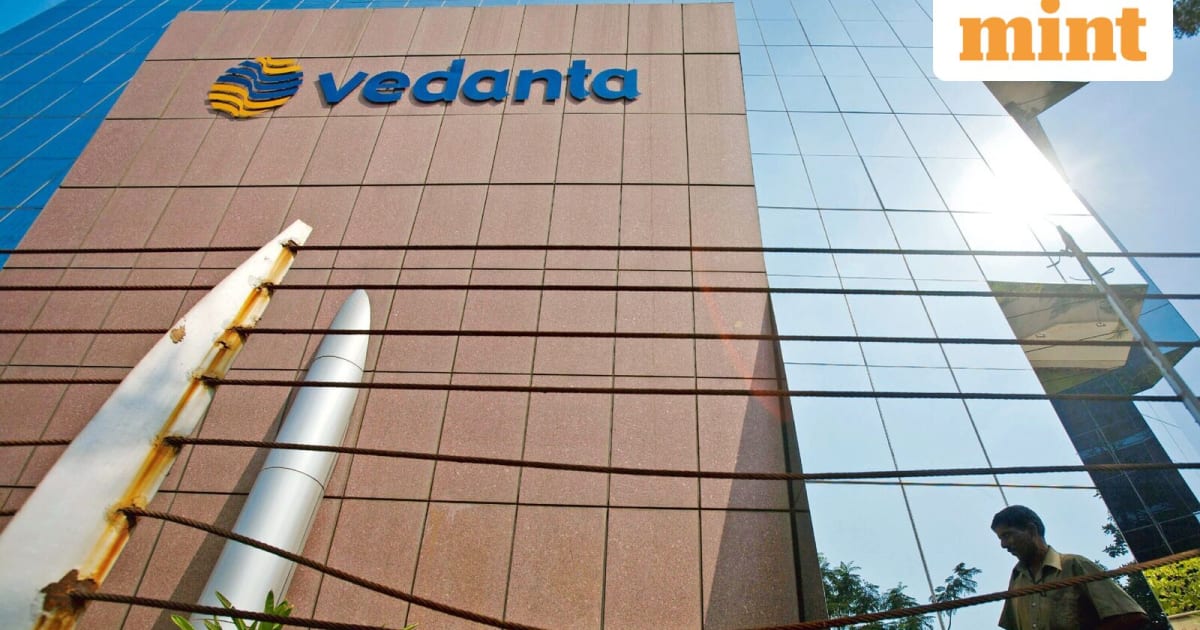
Vedanta’s massive corporate demerger has triggered a sharp bifurcation in market sentiment. While the Iron & Steel segment attracts institutional inflows, Aluminium and Oil & Gas units face significant price discovery hurdles. This analysis examines the long-term implications for the Indian metals sector.
The Vedanta Restructuring: A New Era for Indian Metals
The recent demerger of Vedanta Limited (NSE: VEDL) is not merely a corporate reshuffle; it is a structural transformation that forces a total reassessment of how investors value India’s largest diversified natural resources conglomerate. By carving out business units into distinct, tradeable entities, Vedanta is attempting to eliminate the 'conglomerate discount' that has historically suppressed its stock price. However, the immediate market reaction has been one of extreme divergence, highlighting a fundamental shift in investor appetite for specific commodity exposures.
As institutional portfolios rebalance to account for these new entities, we are witnessing a classic case of price discovery in real-time. The surge in Iron & Steel valuations, contrasted against the lower-circuit hits in the Aluminium and Oil & Gas verticals, provides a masterclass in how market participants are currently pricing risk in a high-interest-rate environment.
Why does the Vedanta demerger matter for NSE investors right now?
In the Indian equity market, conglomerate structures often hide the operational inefficiencies of underperforming business units behind the cash flows of star performers. By separating these, Vedanta has stripped away the veil. For the Indian investor, this means the ability to gain 'pure-play' exposure to specific commodities without the baggage of unrelated business cycles. This strategy echoes the 2022 restructuring trends seen in global markets, where similar moves historically led to a 12-15% re-rating of the underlying assets over a 24-month horizon.
Deep Market Impact: A Data-Driven Analysis
The market's reaction is deeply rooted in current macroeconomic sentiment. The Nifty Metals index has been volatile, and the Vedanta demerger has become the focal point of this instability. Data suggests that capital is fleeing from energy-intensive and cyclical-heavy units like Aluminium and Oil & Gas, where input cost inflation—specifically coal and logistics costs—remains a persistent threat to margins.
Conversely, the Iron & Steel division is benefiting from a 'flight to quality.' With domestic infrastructure spending in India showing sustained momentum, the demand for steel remains inelastic compared to the more volatile pricing of crude oil or the LME-linked volatility of aluminium. The P/E ratios for the iron units are currently trading at a premium, suggesting that the street views these as the primary cash-generating engines of the post-demerger entity.
Stock-by-Stock Breakdown: Winners vs. Losers
- Vedanta Iron & Steel (VEDL-IS): The undisputed winner. Institutional buying has been aggressive, driven by the entity’s lean balance sheet and high cash-flow visibility. It is currently acting as a beta-play on India's infrastructure growth.
- Vedanta Aluminium: Facing intense pressure. Investors are wary of high power costs and capital expenditure requirements. Peers like Hindalco are being used as a benchmark for valuation, and currently, the market is pricing in a significant discount due to the unit's lack of vertical integration in energy.
- Vedanta Oil & Gas (Cairn India legacy): The most volatile segment. Hit by lower circuits, this stock is suffering from the uncertainty surrounding long-term production growth and the lack of exploration success in recent quarters.
- Vedanta Limited (Consolidated): Remains the parent vehicle, now acting as a holding company. Its valuation is currently in flux, awaiting further clarity on debt allocation across the new entities.
Expert Perspective: The Bull vs. Bear Debate
The Bull Case: Proponents argue that the demerger unlocks value by allowing each unit to pursue independent capital allocation strategies. They point to the potential for debt reduction and the ability for each entity to source capital at rates commensurate with their specific risk profiles, rather than the consolidated group's weighted average cost of capital.
The Bear Case: Skeptics, however, warn that the timing is poor. With global commodity prices softening, splitting a diversified group into smaller, more vulnerable pieces could expose shareholders to 'commodity price shock.' Critics argue that the cross-subsidization that existed under the consolidated model provided a safety net that is now gone, potentially leading to liquidity crunches in the weaker units during a downturn.
Actionable Investor Playbook
For investors looking to navigate this transition, we recommend a three-pronged approach:
- Avoid 'Bottom Fishing' in the losers: The Aluminium and Oil & Gas units are currently in a price-discovery phase. Wait for the 14-day RSI (Relative Strength Index) to show signs of consolidation before entering.
- Accumulate on Dips for Iron & Steel: Use the broader market volatility to build positions in the Iron & Steel unit. The structural demand story in India is too strong to ignore, and this entity is best positioned to capture that alpha.
- Monitor Debt Allocation: The critical catalyst for the next quarter will be the finalization of debt distribution. Pay close attention to the balance sheet health of the individual entities as these reports are published.
Risk Matrix
| Risk Factor | Probability | Impact |
|---|---|---|
| Commodity Price Collapse | Medium | High |
| Regulatory/Taxation Changes | Low | Medium |
| Institutional Liquidity Shifts | High | Medium |
| Debt Refinancing Challenges | Medium | High |
What to watch next?
The next 90 days are critical. Investors should keep a close eye on the forthcoming quarterly earnings reports, which will be the first to reflect the operational performance of the entities as standalone units. Furthermore, any guidance regarding capital expenditure for the Aluminium division will be a major sentiment driver. As the market digests the new shareholding structure, expect continued volatility in the VEDL counters; however, the long-term winners are beginning to emerge from the data.
See VEDL's AI Score
Our algorithmic screener scores VEDL on fundamentals, momentum, and risk — free to try, no card needed.
Try the AI Screener →Have questions about this story?
Ask Welth, our finance-focused AI research assistant, for a deeper breakdown — free trial included.
Chat with Welth AI →Disclaimer: This content is generated by WelthWest Research Desk based on publicly available reports and is for informational purposes only. It does not constitute financial advice, investment recommendations, or an offer to buy or sell securities. Always consult a qualified financial advisor before making investment decisions.