Key Takeaway
The IMF-Venezuela thaw offers a potential supply-side hedge against global energy inflation. For Indian investors, this signals a long-term margin tailwind for downstream oil consumers and a structural caution for upstream producers.
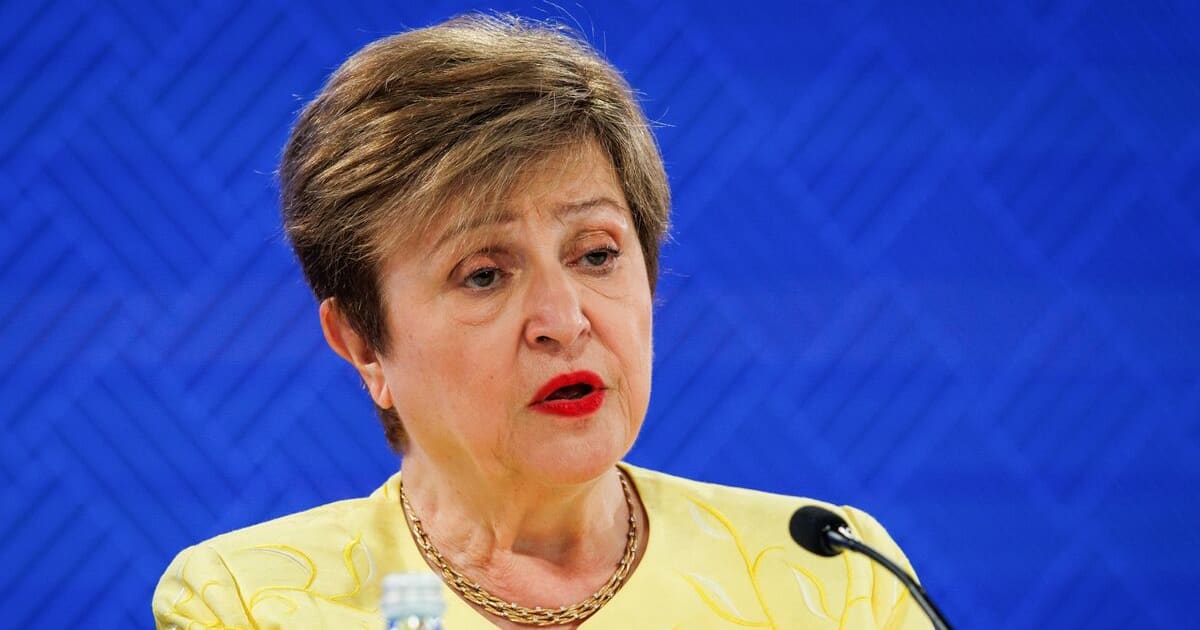
Formal dialogue between the IMF and Venezuela marks a pivotal shift in global energy geopolitics. We analyze the implications for Indian markets, focusing on how increased crude supply could recalibrate the margins of OMCs and aviation firms while pressuring domestic upstream valuation.
The Geopolitical Pivot: IMF-Venezuela Dialogue and the Energy Equation
In a move that has caught the attention of global macro strategists, the International Monetary Fund (IMF) has resumed formal engagement with Venezuelan officials. While the headlines focus on economic stabilization, the deeper, more consequential narrative for the Indian equity market lies in the potential reintegration of Venezuela’s crude output into the global supply chain.
As the world’s largest holder of proven oil reserves, Venezuela has long been a 'sleeping giant' in the energy market, hamstrung by sanctions and institutional decay. For India—a nation that imports over 85% of its crude requirements—any incremental supply from Caracas acts as a vital pressure release valve for the Current Account Deficit (CAD) and retail inflation.
Why does Venezuela matter to the Indian Stock Market?
India’s macro-economic health is intrinsically tied to the Brent Crude price. When global supply tightens, the Indian Rupee faces depreciation pressure, and the margins of Oil Marketing Companies (OMCs) are squeezed due to the lag in retail price adjustments. The potential return of Venezuelan heavy crude to the global market could exert a structural downward bias on prices, benefiting sectors that consume energy as a primary input.
How will the IMF-Venezuela talks impact Indian energy stocks?
The impact is bifurcated. Downstream players—those that refine and distribute—stand to gain from lower input costs and improved gross refining margins (GRMs). Conversely, domestic upstream entities, which have benefited from the 'windfall tax' environment created by high crude prices, may face valuation headwinds if the global supply glut suppresses the realization price of crude.
Stock-by-Stock Breakdown: Winners and Losers
- IOCL (Indian Oil Corporation): As the nation’s largest refiner, IOCL is a primary beneficiary. With a market cap exceeding ₹2.3 lakh crore, lower crude prices directly translate to reduced working capital requirements and better inventory valuation.
- BPCL & HPCL: These OMCs are highly sensitive to crude price volatility. A sustained supply increase from Venezuela would allow these companies to sustain marketing margins even if the government mandates price freezes at the pump.
- InterGlobe Aviation (IndiGo): Aviation Turbine Fuel (ATF) accounts for nearly 40% of an airline's operating cost. Any relief in crude pricing is a direct bottom-line expansion for India’s dominant carrier, which currently trades at a premium P/E due to its market share dominance.
- ONGC: The primary loser in this scenario. ONGC’s profitability is leveraged to the price of oil. If global supply increases, the government’s reliance on the windfall tax on domestic crude production remains, potentially capping the stock’s upside despite strong operational metrics.
Expert Perspectives: Bulls vs. Bears
The Bull Case: Proponents argue that the IMF’s involvement is the first step toward a credible debt restructuring and political opening. If Venezuela increases output by even 500,000 barrels per day (bpd), it provides a necessary cushion against OPEC+ production cuts, keeping inflation in check for emerging markets like India.
The Bear Case: Skeptics point to the 'false start' of 2022. The internal structural decay of PDVSA (Venezuela’s state oil company) is so profound that it may take years, not months, to ramp up production. Therefore, any market rally based on this news is premature and ignores the 'geopolitical risk premium' that remains stubbornly high.
Actionable Investor Playbook
Investors should view this development as a long-term thematic shift rather than a short-term trading signal. Our recommendation is a 'Long Downstream, Hedge Upstream' strategy.
- Accumulate OMCs: Look for entry points in IOCL and BPCL during market corrections. Focus on companies with high volume growth rather than just margin expansion.
- Monitor Aviation: InterGlobe Aviation is the best proxy for lower energy costs. Watch for sustained Brent Crude prices below $75/barrel as a confirmation signal.
- Rebalance Upstream: Trim exposure to ONGC if the stock rallies on broader market sentiment, as the fundamental risk of oil price normalization remains a ceiling on its PE multiple.
Risk Matrix: Assessing the Volatility
| Risk Factor | Probability | Impact |
|---|---|---|
| Political Stagnation | High | High |
| Production Infrastructure Failure | Medium | Medium |
| Geopolitical Re-sanctioning | Medium | High |
What to watch next?
The key catalyst to monitor is the U.S. Treasury’s OFAC (Office of Foreign Assets Control) license updates regarding Venezuelan energy operations. Additionally, keep a close eye on the OPEC+ monthly production reports; if they announce compensatory production cuts to neutralize a potential Venezuelan ramp-up, the thesis for lower oil prices will be invalidated, and investors should pivot back to a defensive stance.
See IOCL's AI Score
Our algorithmic screener scores IOCL on fundamentals, momentum, and risk — free to try, no card needed.
Try the AI Screener →Have questions about this story?
Ask Welth, our finance-focused AI research assistant, for a deeper breakdown — free trial included.
Chat with Welth AI →Disclaimer: This content is generated by WelthWest Research Desk based on publicly available reports and is for informational purposes only. It does not constitute financial advice, investment recommendations, or an offer to buy or sell securities. Always consult a qualified financial advisor before making investment decisions.
