Key Takeaway
The normalization of IMF-Venezuela relations signals a structural easing in global crude supply, offering a tailwind for India’s current account deficit and providing a multi-quarter margin expansion opportunity for downstream energy consumers.
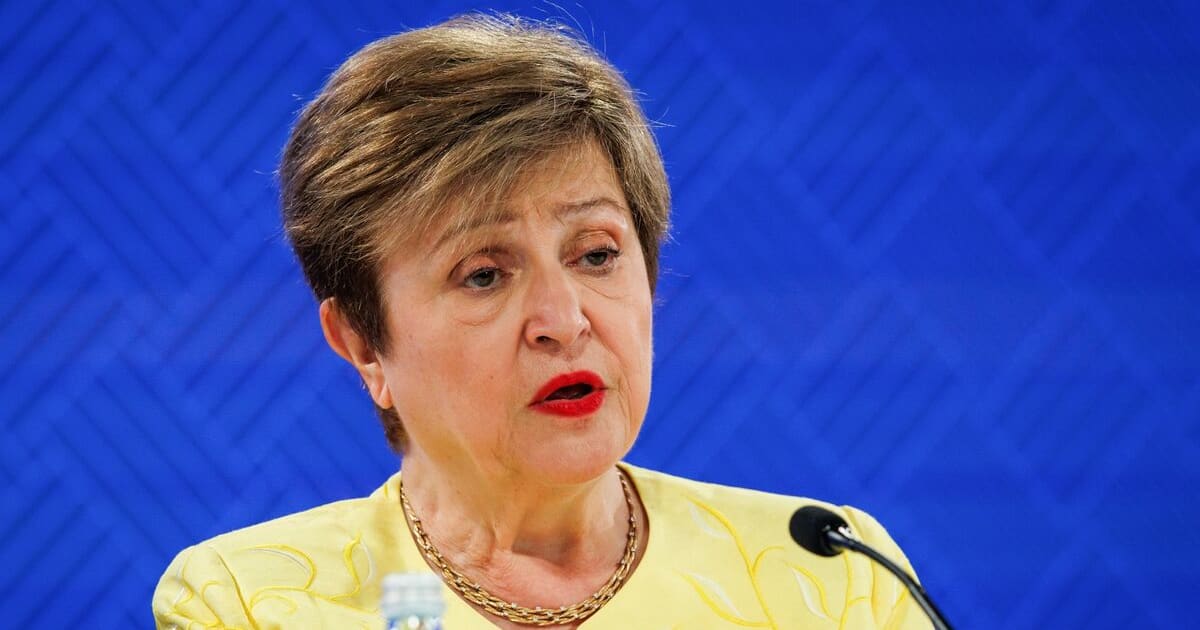
After years of isolation, Venezuela’s re-engagement with the IMF signals a potential return of sanctioned crude to global markets. This investigation breaks down the ripple effects for India’s energy-dependent economy, identifying the winners and losers in the NSE landscape as global supply dynamics shift.
The Geopolitical Pivot: Decoding the IMF-Venezuela Reset
For nearly a decade, Venezuela’s oil sector has been a dormant giant, shackled by sanctions and economic mismanagement. The recent resumption of formal dialogue between the International Monetary Fund (IMF) and Caracas is not merely a diplomatic footnote; it is a potential supply-side catalyst that could reshape the global energy narrative. As a net importer of crude, India stands at the epicenter of these potential shifts.
The core of this development lies in the potential for 'sanction-lite' regimes, which could eventually facilitate the return of Venezuelan heavy crude to international refineries. With Venezuela holding the world’s largest proven oil reserves—estimated at over 300 billion barrels—the market impact of even a 500,000 barrel-per-day (bpd) incremental increase would be significant enough to dampen the volatility of the Brent crude benchmark.
How will the IMF-Venezuela deal impact Indian oil prices?
India’s macro-economic health is inextricably linked to the price of the Indian Basket of crude. A sustained decline in global energy prices acts as a de facto stimulus package for the Indian economy. When oil prices drop, the Current Account Deficit (CAD) narrows, the Rupee stabilizes against the Dollar, and the Reserve Bank of India (RBI) gains greater flexibility in managing interest rates.
Historically, we saw the inverse in 2022, when crude spikes pushed the Nifty Energy index into high volatility and forced a tightening of monetary policy. A return of Venezuelan supply would theoretically act as a hedge against geopolitical supply shocks from the Middle East, providing a structural floor for Indian corporate margins in the manufacturing and transport sectors.
The Winners and Losers: A Deep Dive into NSE/BSE Sectors
The market reaction to this news will be bifurcated. Downstream entities and energy consumers will likely see margin tailwinds, while upstream producers may face headwinds due to softening price realizations.
Downstream Energy Consumers (The Winners)
- IOCL (Indian Oil Corporation Ltd): With a massive refining capacity and a dominant market share in retail fuel, IOCL benefits directly from lower input costs. As refining margins (GRMs) expand, we expect to see a potential 5-8% boost in net profit realizations per barrel.
- BPCL & HPCL: These OMCs are highly sensitive to crude price fluctuations. A stable or declining oil price environment allows them to maintain stable retail pricing while expanding marketing margins, which have historically been capped by political sensitivity.
- InterGlobe Aviation (IndiGo): Jet fuel (ATF) accounts for nearly 40% of an airline's operating cost. A sustained dip in crude prices is the single most effective lever for IndiGo to improve its P/E ratio, which currently trades at a premium due to high operational leverage.
- Asian Paints: As a chemical-intensive business, Asian Paints relies on crude derivatives for pigments and resins. Lower crude prices translate directly into lower raw material costs, allowing for better operating leverage and potentially higher EBITDA margins.
Upstream Producers (The Losers)
- ONGC & Oil India: These firms operate on a 'net realization' basis. If global crude prices fall, their gross revenue drops, and they often face higher 'windfall taxes' if the government seeks to capture the surplus. Investors should be wary of P/E compression in these stocks as the price-per-barrel narrative shifts.
Expert Perspective: Bulls vs. Bears
The Bull Case: Optimists argue that the IMF’s involvement is the 'first domino' toward institutional stabilization in Venezuela. If this leads to a credible economic reform package, we could see a return of foreign capital, infrastructure investment, and a surge in production capacity that permanently lowers the global cost of energy.
The Bear Case: Skeptics point to the 'geopolitical trap.' Venezuela’s internal politics remain highly volatile. Any failure in the IMF talks or a reversal in US-Venezuela policy could trigger a 'snap-back' rally in oil prices, leaving investors who bought into the dip exposed to rapid price volatility.
Investor Playbook: Navigating the Shift
Investors should adopt a staggered entry approach. Do not chase the initial sentiment-driven rally. Instead, monitor the following:
- Watch the Brent/WTI spread: A narrowing spread indicates improving logistics and supply chain normalization.
- Monitor OMCs' GRMs: Look for quarterly reports from BPCL and HPCL; if refining margins begin to trend upward, it confirms that lower crude costs are flowing to the bottom line.
- Time Horizon: This is a medium-to-long-term theme (12-24 months). Treat this as a structural trade rather than a quick flip.
Risk Matrix
| Risk Factor | Probability | Impact |
|---|---|---|
| Geopolitical Collapse of Talks | High | High |
| OPEC+ Intervention (Supply Cut) | Medium | Medium |
| Domestic Regulatory Changes | Low | High |
What to watch next: Key Catalysts
Keep a close eye on the upcoming G20 energy summits and any formal statements from the Venezuelan Ministry of Petroleum regarding joint ventures with international oil majors. Furthermore, the RBI’s next MPC meeting will be crucial; look for commentary on the 'imported inflation' component, as this will provide a clearer picture of how the central bank views the current oil price trajectory.
See IOCL's AI Score
Our algorithmic screener scores IOCL on fundamentals, momentum, and risk — free to try, no card needed.
Try the AI Screener →Have questions about this story?
Ask Welth, our finance-focused AI research assistant, for a deeper breakdown — free trial included.
Chat with Welth AI →Disclaimer: This content is generated by WelthWest Research Desk based on publicly available reports and is for informational purposes only. It does not constitute financial advice, investment recommendations, or an offer to buy or sell securities. Always consult a qualified financial advisor before making investment decisions.
