Key Takeaway
Vivo's aggressive entry into the ₹1-lakh+ segment signals a structural shift in India's 'premiumization' story, driving higher margins for organized retailers like Reliance Retail and boosting 5G ARPU for telecom giants like Bharti Airtel.
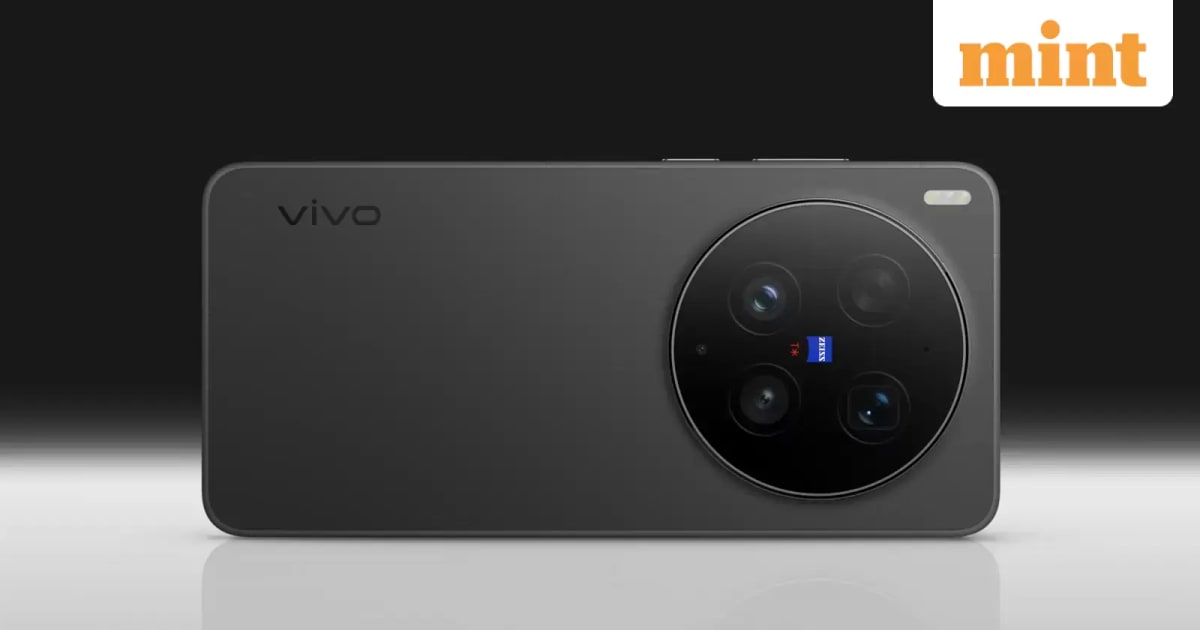
The launch of the Vivo X300 Ultra and X300 FE marks a pivotal moment in India's consumer electronics landscape. As Vivo challenges the Apple-Samsung duopoly, the ripple effects will be felt across the NSE, impacting everything from retail volumes to telecom revenue per user.
The Premiumization Pivot: Why the Vivo X300 Ultra is a Market Catalyst
The Indian smartphone landscape is undergoing a fundamental metamorphosis. Gone are the days when Chinese OEMs were relegated to the 'value-for-money' sub-₹20,000 category. The launch of the Vivo X300 Ultra and X300 FE is not merely a product release; it is a strategic assault on the high-margin fortress previously guarded exclusively by Apple and Samsung. For investors at WelthWest Research Desk, this launch serves as a lead indicator for broader consumer discretionary trends in the Indian equity markets.
India’s premium smartphone segment (devices priced above ₹45,000) grew by 64% year-on-year in 2023, according to Counterpoint Research. Vivo, currently holding a dominant position in the overall volume market share, is now pivoting toward value. This shift is critical because premium devices carry 3x the profit margins of budget handsets, directly impacting the balance sheets of organized retailers and the data consumption patterns on telecom networks like BHARTIARTL and RELIANCE.
How will the Vivo X300 Ultra affect the dominance of Samsung and Apple?
The "Ultra" branding is a direct challenge to the Samsung S24 Ultra and the iPhone 15/16 Pro Max series. Historically, whenever a new entrant successfully penetrates the premium tier, it triggers a 'spec-war' that forces incumbents to increase marketing spend, often squeezing short-term margins. In 2022, when OnePlus shifted focus to its flagship 10 series, we saw a 4% dip in the average selling price (ASP) of competing premium models as they scrambled to offer exchange bonuses and bank discounts. We expect a similar 'margin-shaving' environment for Samsung India as it defends its turf against Vivo’s superior camera optics powered by Zeiss.
Deep Market Impact: Connecting Hardware to the NSE/BSE Ecosystem
The launch of the X300 series creates a multi-layered impact on the Indian stock market. First, it accelerates the 5G upgrade cycle. Premium devices are almost exclusively used with high-end data plans, providing a tailwind for Telecommunication companies seeking to improve their Average Revenue Per User (ARPU). Currently, Bharti Airtel’s ARPU stands near ₹209, but the management’s long-term target is ₹300. High-end devices like the X300 Ultra are the primary vehicles to reach that destination.
Secondly, the logistics and retail throughput for a ₹1-lakh device are significantly different from budget phones. Organized retail chains, which account for nearly 35% of premium sales, benefit from higher absolute commissions. We are tracking Reliance Industries (RELIANCE) through its retail arm, which remains the largest distributor for premium electronics in the country. A successful launch cycle for Vivo translates to higher footfall in Reliance Digital stores and increased throughput for their e-commerce platforms.
"The premiumization of the Indian consumer is no longer a thesis; it is a line item on the P&L of every major retailer. The Vivo X300 Ultra launch is a litmus test for whether non-Apple brands can command a six-figure price tag in a market that is increasingly brand-conscious but value-driven." — Senior Analyst, WelthWest Research
Stock-by-Stock Breakdown: Winners and Strategic Shifts
1. Reliance Industries Ltd (NSE: RELIANCE)
As the parent company of Reliance Retail, RIL is the primary beneficiary of the premiumization trend. Reliance Digital is the preferred partner for high-end launches. We anticipate that the X300 Ultra will drive high-value credit transactions and insurance upsells (AppleCare-style protection plans), which are high-margin products for the retail segment. With a current P/E ratio hovering around 28x, RIL’s retail valuation remains a key driver for the stock’s upward trajectory.
2. Bharti Airtel (NSE: BHARTIARTL)
Airtel’s strategy has consistently focused on 'quality customers' rather than just volume. Users who purchase the X300 Ultra are high-data consumers who are less price-sensitive to tariff hikes. This launch supports Airtel’s 5G monetization strategy. Historically, during major flagship launch windows (September for Apple, February for Samsung), Airtel has seen a 1.5-2% uptick in data traffic in Tier-1 cities.
3. Bajaj Finance (NSE: BAJAFINANCE)
Premium smartphones are rarely bought with cash; they are financed. Bajaj Finance owns the lion's share of the consumer durable EMI market in India. The launch of the X300 FE (the more affordable 'Fan Edition' equivalent) is perfectly positioned for the No-Cost EMI segment. For every ₹1,00,000 phone sold, Bajaj Finance generates significant processing fees and cross-selling opportunities for personal loans and insurance.
4. Dixon Technologies (NSE: DIXON)
While Vivo has its own manufacturing facilities in India, the overall sentiment for the 'Make in India' electronics sector is buoyed by such high-end launches. Dixon, as a proxy for the entire sector, often moves in tandem with positive news regarding domestic electronics consumption. As premium components begin to be sourced or assembled locally, Dixon’s long-term total addressable market (TAM) expands.
5. Vodafone Idea (NSE: IDEA)
For Vi, the impact is more defensive. They risk losing their remaining premium post-paid subscribers to Airtel or Jio if they cannot match the 5G experience required by a device like the X300 Ultra. This launch highlights the widening 'digital divide' between telcos with robust 5G infrastructure and those without.
Expert Perspective: The Bull vs. Bear Case
The Bull View: Bulls argue that India is entering a 'replacement cycle' where users who bought mid-range phones in 2021 are now ready to upgrade to the ₹70,000+ bracket. They point to the rising disposable income in urban centers and the ubiquity of easy credit as the primary drivers for Vivo's success.
The Bear View: Contrarians suggest that the Indian consumer is still deeply loyal to the 'status symbol' of the iPhone. They argue that while Vivo may offer superior hardware (200MP sensors, faster charging), it lacks the ecosystem lock-in and resale value of Apple. From an investment standpoint, the 'Bear' worry is that the marketing spend required to shift this perception will cannibalize the profits of both the manufacturer and the retailers.
Actionable Investor Playbook: How to Position Your Portfolio
- The Core Play: Accumulate BHARTIARTL on dips. The telco is the cleanest play on premiumization without the inventory risk associated with hardware. Target a 12-18 month horizon as ARPU trends toward the ₹250 mark.
- The Retail Play: Monitor RELIANCE. Watch for the quarterly retail segment numbers; if electronics growth exceeds 15%, it validates the premiumization thesis.
- The Financing Play: Use BAJAFINANCE as a tactical trade. Historically, the stock sees increased volatility and volume during the festive season and major electronics launch windows.
- Entry Points: For long-term investors, look for entry points near the 200-day moving average for these blue-chip stocks, as the current market sentiment is neutral, providing a 'buy-the-rumor' opportunity before the festive sales data is released.
Risk Matrix: Assessing Potential Pitfalls
1. Consumer Spending Slowdown (Probability: Moderate): If inflation remains sticky, discretionary spending on ₹1-lakh phones could be the first to suffer. Watch the RBI’s commentary on interest rates; higher rates mean more expensive EMIs.
2. Geopolitical Tensions (Probability: Low-Moderate): Any flare-up in India-China relations can lead to sudden regulatory hurdles or consumer boycotts of Chinese brands like Vivo.
3. Inventory Overhang (Probability: Moderate): If the X300 Ultra fails to gain traction, retailers like Reliance may be left with high-value inventory, leading to aggressive discounting and margin erosion.
What to Watch Next: The Catalysts
Investors should circle the following dates and data points on their calendars:
- Q3 Earnings Reports (October/November): Specifically, the 'Electronics & Wearables' segment growth for Reliance Retail and the ARPU growth for Bharti Airtel.
- Festive Season Sales Data (October): The performance of the X300 series during the Diwali sales window will be the definitive proof of concept.
- Counterpoint/IDC Market Share Reports: Watch for Vivo’s movement in the >$800 price segment. A move from <5% to >10% would be a seismic shift in the industry hierarchy.
See RELIANCE's AI Score
Our algorithmic screener scores RELIANCE on fundamentals, momentum, and risk — free to try, no card needed.
Try the AI Screener →Have questions about this story?
Ask Welth, our finance-focused AI research assistant, for a deeper breakdown — free trial included.
Chat with Welth AI →Disclaimer: This content is generated by WelthWest Research Desk based on publicly available reports and is for informational purposes only. It does not constitute financial advice, investment recommendations, or an offer to buy or sell securities. Always consult a qualified financial advisor before making investment decisions.