Key Takeaway
XRP's dramatic price surge, driven by a speculative 'curve control' narrative and potential Treasury buybacks, signals a renewed appetite for risk in digital assets. This could indirectly influence Indian technology and innovation stocks, as well as trading volumes on domestic crypto platforms.
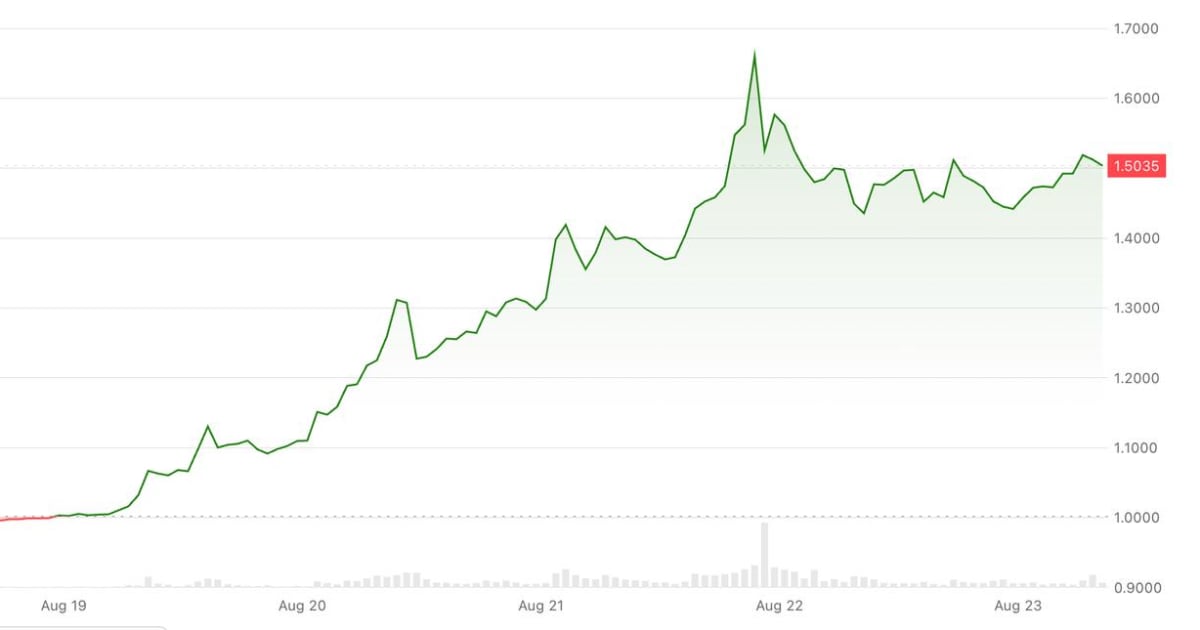
The cryptocurrency market is abuzz with XRP's unprecedented weekly gains, fueled by whispers of Treasury buybacks and a 'curve control' strategy. This volatile surge, while primarily a crypto event, carries potential implications for Indian investors, influencing risk sentiment and the trading landscape for digital assets and related technology sectors.
XRP's Meteoric Rise: Unpacking the Treasury Buyback and 'Curve Control' Narrative
The cryptocurrency landscape is currently dominated by the spectacular ascent of XRP, which has posted its most significant weekly gain in nearly two years. This surge is not merely an isolated market fluctuation; it's underpinned by a complex interplay of speculative fervor, rumors of institutional intervention, and a highly anticipated, albeit unconfirmed, 'curve control' strategy. Understanding the mechanics and implications of this event requires a deep dive into the underlying narratives that have captured investor imagination and are now beginning to cast a shadow, albeit a subtle one, over traditional markets, including India’s burgeoning digital asset and technology sectors.
What is XRP and Why the Sudden Momentum?
XRP, the native digital asset of the Ripple payment network, has long been a subject of intense scrutiny and volatility, largely due to its ongoing legal battles with the U.S. Securities and Exchange Commission (SEC). However, recent market chatter has shifted focus from regulatory hurdles to potential institutional support. The core of the current rally appears to be two-fold: speculation surrounding a potential buyback of XRP by a government Treasury, and the broader market's interpretation of this as a precursor to a 'curve control' mechanism. While 'curve control' is typically a monetary policy tool employed by central banks to cap long-term interest rates, its application in the crypto sphere, particularly concerning XRP, is highly speculative. Proponents suggest it could involve significant purchasing to stabilize or inflate XRP’s price, thereby influencing broader digital asset sentiment. This narrative, amplified across social media and crypto news outlets, has triggered a wave of buying activity, pushing XRP’s market capitalization to new heights and attracting renewed attention from both retail and sophisticated investors.
This surge in XRP’s price is significant because it represents a potent signal of increased risk appetite within the digital asset space. When a major altcoin, especially one with a substantial market cap like XRP, experiences such a dramatic upward swing, it often indicates a broader shift in investor sentiment. This could translate into increased speculative flows into other cryptocurrencies, including Bitcoin and Ethereum, potentially bolstering their prices as well. For India, where the regulatory framework for digital assets is still evolving, such global market movements are crucial indicators. They influence trading volumes on domestic exchanges, attract new investors, and can even shape the discourse around potential regulatory responses. The increased interest in XRP highlights the interconnectedness of global financial markets and the growing influence of digital assets on traditional investment strategies.
Deep Market Impact Analysis: Ripples in the Indian Stock Arena
While XRP operates within the decentralized realm of cryptocurrencies, its significant price action rarely remains entirely isolated. The heightened investor interest and speculative capital flowing into XRP can have indirect, yet discernible, impacts on traditional markets. For India, this translates into potential shifts in investor sentiment towards risk assets, particularly within the technology and innovation sectors that often exhibit a correlation with the broader crypto market's momentum. The 'risk-on' sentiment ignited by XRP's rally might encourage greater speculative investment in high-growth technology stocks, while conversely, diverting some capital away from more conservative, traditional asset classes.
Connecting XRP's Surge to Indian Equities: A Data-Driven Perspective
Historically, periods of significant upward momentum in major cryptocurrencies have often coincided with periods of robust performance in technology-heavy stock indices. For instance, during the 2021 crypto bull run, the Nasdaq Composite, a proxy for global tech sentiment, saw considerable gains. While direct causality is difficult to establish, the underlying driver – investor appetite for growth and innovation – is often shared. In India, the Nifty IT index, comprising the country's leading technology companies, has shown a tendency to move in tandem with global risk sentiment. A sustained bullish trend in crypto, driven by narratives like XRP's 'curve control' speculation, could potentially see a similar uplift in the Nifty IT index, which currently boasts a market capitalization of approximately ₹18.5 lakh crore (as of early 2024). Such a scenario would imply an increased flow of speculative capital into technology stocks, potentially improving their Price-to-Earnings (P/E) ratios as demand outstrips supply.
Furthermore, the increased attention on digital assets can directly benefit Indian cryptocurrency exchanges and platforms that facilitate trading. Companies like WazirX (though not publicly listed, its parent company Binance is a global giant) or other emerging Indian players could witness a surge in user acquisition and trading volumes. This heightened activity on crypto exchanges can also indirectly benefit companies that have made strategic investments in the blockchain and cryptocurrency ecosystem. For example, if a large Indian conglomerate has a venture capital arm that has invested in blockchain startups, a positive sentiment in the crypto market could lead to revaluation of these investments, boosting the conglomerate's overall financial health. This phenomenon is analogous to how a boom in the semiconductor industry can positively impact companies that supply raw materials or specialized machinery to chip manufacturers.
Conversely, investors who have taken short positions against XRP are facing substantial losses, a common occurrence in highly volatile, speculative markets. On the traditional side, if the speculative capital is primarily flowing into crypto and tech, it might lead to a temporary reduction in fresh inflows into other asset classes, such as fixed income or even certain value-oriented equity segments, that are perceived as less exciting during a 'risk-on' phase. This is a dynamic that investors need to monitor closely, as it can lead to sector rotation within the Indian stock market.
How Will RBI's Stance on Digital Assets Influence Market Sentiment?
The Reserve Bank of India (RBI) has maintained a cautious stance on cryptocurrencies, emphasizing regulatory concerns and potential financial stability risks. However, as global adoption and market capitalization of digital assets continue to grow, the RBI's approach is under constant review. Any indication of a more accommodative or at least a clearer regulatory framework in India, perhaps spurred by increased international dialogue or advancements in blockchain technology, could significantly boost investor confidence in Indian crypto exchanges and related ventures. Conversely, any tightening of regulations could dampen domestic enthusiasm and redirect capital towards more established asset classes. The current XRP rally, by drawing global attention to digital assets, indirectly puts pressure on regulators worldwide to articulate clearer policies, and India is no exception.
Stock-by-Stock Breakdown: Identifying Potential Indian Market Movers
The indirect impact of XRP's rally on the Indian stock market is most likely to be felt within the technology and financial services sectors, particularly those with exposure to emerging technologies or digital platforms. While no direct correlation exists, the broader sentiment shift is key. Here are a few specific NSE/BSE stocks that could be influenced:
- Infosys Ltd (NSE: INFY): As one of India's largest IT services exporters, Infosys has been actively exploring blockchain and digital transformation services for its clients. A global surge in interest and investment in digital assets and blockchain technology can lead to increased demand for these services, potentially boosting Infosys's order book and revenue growth. Its current market capitalization stands at approximately ₹6.5 lakh crore. A positive sentiment could see its P/E ratio, currently around 25-28, expand further if future earnings growth is perceived to accelerate.
- Tata Consultancy Services Ltd (NSE: TCS): Similar to Infosys, TCS (market cap: ₹14.5 lakh crore, P/E: 28-30) is a bellwether for the Indian IT sector. Its expertise in digital solutions and its ongoing investments in emerging technologies make it a beneficiary of increased global demand for tech services driven by innovation trends, including those in the blockchain space.
- HDFC Bank Ltd (NSE: HDFCBANK): While a traditional bank, HDFC Bank (market cap: ₹12.0 lakh crore, P/E: 20-22) has been exploring digital banking innovations and partnerships. Increased activity and interest in digital assets globally could spur further innovation within traditional finance, potentially leading to new digital product offerings or partnerships for banks that are agile enough to adapt. A significant shift towards digital assets might also encourage banks to explore custody or related services, though regulatory hurdles remain substantial.
- Angel One Ltd (NSE: ANGELONE): This discount brokerage firm (market cap: ₹25,000 crore, P/E: 40-45) is directly exposed to retail investor sentiment and trading volumes. A surge in interest in speculative assets like XRP often leads to increased participation from retail investors in the broader market, including equities. This can translate into higher brokerage revenues and potentially a re-rating of its P/E multiple, which already reflects high growth expectations.
- MCX India (NSE: MCX): The Multi Commodity Exchange of India is a key player in India's commodity derivatives market. While not directly dealing in crypto, increased speculative trading in any asset class can sometimes lead to a broader increase in trading activity across exchanges. Furthermore, if regulatory clarity emerges for digital assets in India, MCX could be a potential candidate to list crypto-related derivatives in the future. Its market cap is around ₹10,000 crore, with a P/E of 35-40.
Sector peers like Wipro (NSE: WIPRO) and Tech Mahindra (NSE: TECHM) within the IT sector, and ICICI Bank (NSE: ICICIBANK) or Kotak Mahindra Bank (NSE: KOTAKBANK) within banking, would likely experience similar, albeit less pronounced, influences based on their respective business models and exposure to digital transformation initiatives.
Expert Perspective: Bulls vs. Bears on XRP's Rally and Market Impact
The dramatic rise of XRP has predictably ignited a firestorm of debate among market participants. The bullish case, largely fueled by the speculative 'curve control' narrative and potential institutional backing, posits that this is just the beginning of a broader altcoin rally. Bulls argue that XRP's legal uncertainties are diminishing, and any institutional adoption, even through speculative means, signals a growing acceptance of digital assets by traditional financial players. They believe this positive sentiment will spill over into other risk assets, including Indian technology stocks, driving further gains. The argument is that this is a clear indicator of 'risk-on' sentiment taking hold, beneficial for growth-oriented equities.
Conversely, the bearish perspective remains rooted in caution and skepticism. Bears highlight that the 'curve control' aspect is entirely speculative, with no concrete evidence from official sources. They point to XRP’s history of extreme volatility and the ongoing, albeit less prominent, regulatory risks. From a traditional market standpoint, bears would argue that any outflow from equities into cryptocurrencies is a sign of irrational exuberance, potentially leading to a market correction. They might draw parallels to past speculative bubbles that eventually burst, causing significant investor losses. For India, bears would caution against overreacting to crypto-driven sentiment, emphasizing the fundamental strength and valuation metrics of domestic companies over transient speculative flows.
Actionable Investor Playbook: Navigating the Digital Asset Surge
For investors seeking to navigate this dynamic market, a balanced and informed approach is crucial:
- For XRP Holders: Consider taking partial profits on significant gains, especially given the speculative nature of the catalyst. Rebalancing your portfolio to lock in gains can mitigate risk. A potential entry point for new investment could be considered on significant pullbacks, perhaps in the range of $0.40-$0.50, if the 'curve control' narrative persists or new positive catalysts emerge. The time horizon for such speculative plays is typically short to medium term (3-12 months).
- For Indian Equity Investors: Monitor technology stocks like Infosys and TCS for potential upside, but focus on their fundamental growth drivers rather than solely on speculative crypto sentiment. A target for Nifty IT could be an upward revision of 5-8% if the broader risk appetite continues. For brokerage firms like Angel One, increased retail participation could be a positive, but watch for any signs of market overheating. Consider a buy on dips strategy, with entry points for INFY/TCS around current levels, and for ANGELONE on any correction towards ₹2200-₹2300.
- For Crypto Exchange Investors: Companies with direct exposure to Indian crypto trading volumes, if publicly listed, could see short-term gains. However, regulatory uncertainty remains a significant overhang.
- Diversification is Key: Do not over-allocate to highly speculative assets. Ensure your portfolio remains diversified across asset classes, with a clear understanding of your risk tolerance.
Risk Matrix: Assessing the Downside of XRP's Rally
While the sentiment is bullish, several risks could derail this rally and its ripple effects:
- Speculative Narrative Collapse (Probability: High): The 'curve control' and Treasury buyback stories are largely unconfirmed and could prove to be short-lived rumors, leading to a sharp and rapid price correction for XRP.
- Regulatory Crackdown (Probability: Medium): Increased volatility and speculative activity in cryptocurrencies could prompt stricter regulatory actions globally and in India, impacting trading platforms and investor confidence.
- Broader Market Correction (Probability: Medium): A general downturn in global equity markets, driven by macroeconomic factors like inflation or geopolitical events, could drag down even speculative crypto assets and related technology stocks.
- SEC Legal Developments (Probability: Low to Medium): While less prominent now, any renewed negative developments from the SEC regarding XRP could instantly reverse the current positive momentum.
What to Watch Next: Catalysts on the Horizon
The unfolding narrative surrounding XRP and its market impact requires continuous monitoring. Key events and data releases to watch include:
- Official Statements on 'Curve Control': Any confirmation or denial of 'curve control' strategies or Treasury buybacks from credible sources would be a major catalyst.
- SEC vs. Ripple Case Updates: While progress has been made, any new legal rulings or developments in the ongoing SEC lawsuit will remain a critical factor for XRP.
- Global Macroeconomic Data: Inflation reports, central bank interest rate decisions (especially from the US Federal Reserve), and geopolitical developments will continue to influence overall risk appetite in global markets, impacting both crypto and equities.
- Indian Regulatory Announcements: Any statements or policy changes from the RBI or the Indian government regarding digital assets will be crucial for the domestic crypto market and related investment sentiment.
- Whale Activity in XRP: Monitoring large-scale movements of XRP by 'whale' investors can provide early indicators of shifts in sentiment or potential large trades.
The current XRP surge is a potent reminder of the inherent volatility and speculative nature of the cryptocurrency market. While its direct impact on the Indian stock market may be indirect, it serves as a valuable indicator of shifting investor sentiment towards risk assets, particularly within the technology and innovation sectors. Investors must approach this evolving landscape with a combination of informed optimism and prudent risk management.
Run a free AI Stock Screen
Our algorithmic screener scores any NSE/BSE stock on fundamentals, momentum, and risk — free to try, no card needed.
Try the AI Screener →Have questions about this story?
Ask Welth, our finance-focused AI research assistant, for a deeper breakdown — free trial included.
Chat with Welth AI →Disclaimer: This content is generated by WelthWest Research Desk based on publicly available reports and is for informational purposes only. It does not constitute financial advice, investment recommendations, or an offer to buy or sell securities. Always consult a qualified financial advisor before making investment decisions.
