Key Takeaway
The dollar's relentless ascent, fueled by sticky US inflation and hawkish Fed bets, is creating significant headwinds for the Indian Rupee. Investors must brace for potential capital outflows, rising import costs, and a reassessment of valuation multiples in import-heavy sectors and those with unhedged foreign debt.
The Japanese Yen's dramatic plunge to 160 against the US Dollar signals a broader global currency realignment driven by diverging monetary policies. This strengthening dollar, buoyed by persistent US rate hike expectations, poses a critical challenge for emerging markets like India. Our deep dive explores the ramifications for the Indian Rupee, potential FII outflows, and identifies specific NSE stocks poised for significant impact.
Yen's Plunge to 160: Unpacking the Dollar's Dominance and India's Rupee Predicament
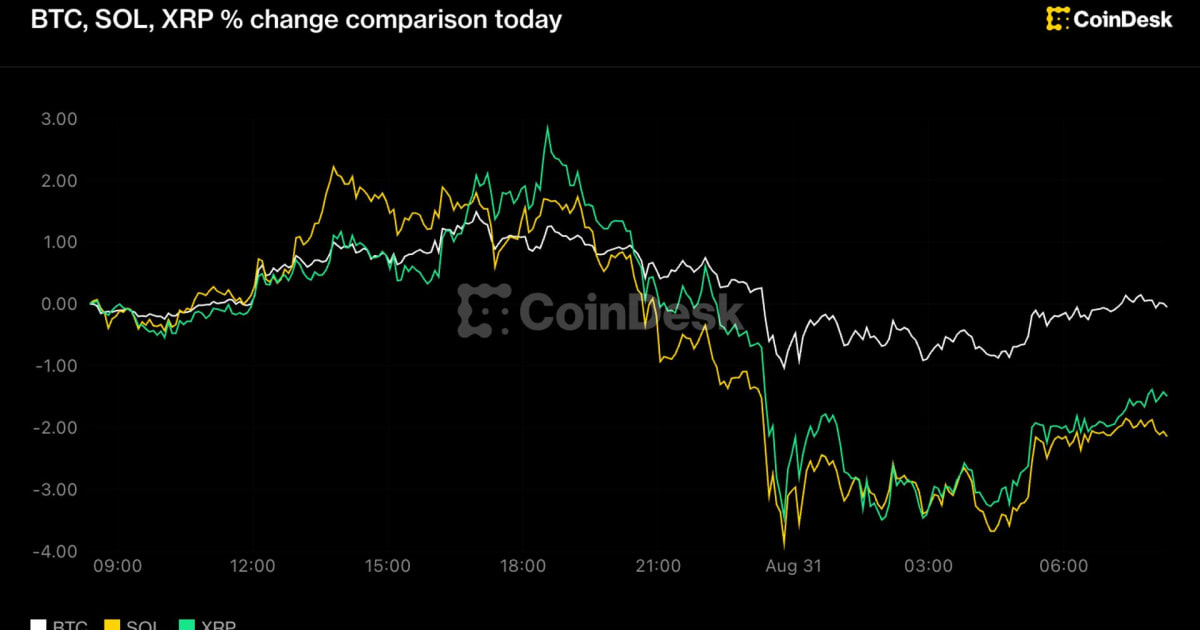
The financial world recently witnessed a pivotal moment as the Japanese Yen (JPY) breached the psychologically significant 160 mark against the US Dollar (USD), a level not seen in decades. This dramatic depreciation isn't an isolated event; it’s a symptom of a powerful global macroeconomic force: the relentless strengthening of the US Dollar. Fuelled by persistent inflation data in the United States and the market's conviction that the Federal Reserve will maintain higher interest rates for longer, the dollar's ascent is reshaping capital flows and creating significant ripples across emerging economies, with India squarely in its path. While Bitcoin's surprising stability around $78,000 might offer a narrative of crypto resilience, the real story for traditional asset classes, particularly in India, lies in these fundamental currency shifts.
The implications for the Indian stock market and the broader economy are profound and multifaceted. A strengthening dollar, driven by the allure of superior risk-adjusted returns in US treasuries, typically triggers capital flight from emerging markets. This dynamic directly impacts the Indian Rupee (INR), pushing it towards depreciation. A weaker Rupee, in turn, makes India's substantial import bill – particularly crude oil, electronics, and industrial raw materials – significantly more expensive. For Indian companies, this translates into higher input costs, potentially squeezing profit margins and fueling domestic inflationary pressures. Moreover, companies with significant unhedged foreign currency debt face a double whammy: a depreciating Rupee increases the cost of servicing that debt in local currency terms.
How Will a Stronger Dollar Affect Indian Stocks and Capital Flows?
The current global monetary landscape bears striking resemblances to periods like late 2022 and early 2023, when aggressive Fed tightening led to substantial foreign institutional investor (FII) outflows from India. During Q4 2022, FIIs divested over $10 billion from Indian equities as the DXY index surged past 114. This time, while the Nifty 50 has shown remarkable resilience, trading near its all-time highs, the underlying FII sentiment remains cautious. A sustained dollar rally could easily reignite these outflow pressures. Data from the National Securities Depository Limited (NSDL) indicates that net FII inflows into Indian equities have tapered off significantly in recent weeks, with some days even registering net outflows, a clear signal of global risk aversion returning.
The Indian IT services sector, often perceived as a beneficiary of a weaker Rupee due to its significant USD earnings, faces a nuanced challenge. While a depreciating Rupee theoretically boosts their Rupee-denominated revenues, the primary concern here is the broader capital outflow risk. If global liquidity tightens and growth forecasts soften, the demand for IT services could be impacted, overshadowing the currency tailwind. Furthermore, many large IT firms employ sophisticated hedging strategies, which can mitigate some of the currency benefits. For companies with substantial unhedged foreign currency debt, the picture is unequivocally negative. Consider the Indian infrastructure sector, where many projects are financed with foreign loans, or manufacturing firms that have expanded using international credit lines. The cost of servicing this debt will balloon in Rupee terms, directly impacting their bottom line and debt-to-equity ratios.
Import-heavy sectors are particularly vulnerable. India imports over 85% of its crude oil requirements. Every dollar increase in crude oil prices, coupled with a depreciating Rupee, translates directly into higher costs for oil marketing companies (OMCs) and increased subsidy burdens for the government, or higher fuel prices for consumers. Electronics manufacturers, reliant on imported components, will also see their input costs rise, potentially forcing them to either absorb costs, impacting margins, or pass them on to consumers, risking demand destruction. The Reserve Bank of India (RBI) will be under immense pressure to intervene to stabilize the Rupee, potentially by selling dollar reserves, which could impact India's foreign exchange buffer, or by raising interest rates, which could cool domestic economic activity.
Which Indian Stocks Are Most Exposed to Dollar Strength and Rupee Weakness?
Investors need to meticulously analyze their portfolios for exposure to these currency dynamics. Here’s a breakdown of specific NSE-listed stocks and sectors that warrant close attention:
- Reliance Industries Ltd. (RIL, NSE: RELIANCE): As India's largest company by market capitalization (approx. ₹20 lakh crore) and a major importer of crude oil for its refining and petrochemical operations, RIL is highly sensitive to both crude prices and the USD-INR exchange rate. While RIL's diversified businesses, including retail and telecom, provide some insulation, its core O2C segment's profitability can be significantly impacted by rising import costs if hedging is not fully comprehensive. A 1% depreciation in the Rupee can impact RIL's refining margins by tens of basis points, considering its massive import volume. Sector peers like Indian Oil Corporation (IOC, NSE: IOC) and Bharat Petroleum Corporation Ltd. (BPCL, NSE: BPCL), being primary oil marketing companies, face even more direct pressure on their marketing margins due to rising crude import costs and often regulated retail fuel prices. Their ability to pass on costs quickly is critical.
- Tata Consultancy Services Ltd. (TCS, NSE: TCS) & Infosys Ltd. (INFY, NSE: INFY): While IT services companies are often considered beneficiaries of a weaker Rupee, the primary risk here is not direct currency impact but rather the broader capital outflow and global growth slowdown narrative. If global economic uncertainty persists due to dollar strength, clients in the US and Europe might defer or scale back IT spending, impacting order books and revenue growth. Furthermore, large IT players have significant foreign currency balances and often hedge a substantial portion of their exposure (e.g., TCS typically hedges 50-70% of its near-term forex exposure), moderating the direct Rupee depreciation benefit. Their P/E ratios (TCS: ~30x, Infosys: ~25x) are already at a premium, making them susceptible to any re-rating based on growth concerns.
- Dixon Technologies (India) Ltd. (DIXON, NSE: DIXON): As a leading electronics manufacturing services (EMS) player, Dixon heavily relies on imported components (e.g., semiconductors, display panels). A depreciating Rupee directly increases its bill of materials (BOM) costs. While Dixon can pass on some costs to OEMs, intense competition and price sensitivity in the electronics market limit this ability, potentially compressing its operating margins (currently around 4-5%). This impact is representative of the broader electronics manufacturing sector, including players like Amber Enterprises India Ltd. (AMBER, NSE: AMBER).
- InterGlobe Aviation Ltd. (INDIGO, NSE: INDIGO): Airlines are significantly impacted by a stronger dollar due to their substantial foreign currency-denominated expenses, including aircraft lease rentals, maintenance costs, and fuel purchases. A large portion of their operating costs is dollar-linked. Indigo, with its aggressive expansion plans and large fleet, faces substantial exposure. Every 1% Rupee depreciation can translate into millions of dollars in increased operational expenses, directly hitting profitability.
Expert Perspectives: Bulls vs. Bears on India's Currency Outlook
The current market sentiment, while broadly bearish on the Rupee, isn't monolithic. Bulls argue that India's robust domestic consumption, strong corporate earnings growth, and improving macroeconomic fundamentals (e.g., declining current account deficit, healthy forex reserves around $640 billion) provide a crucial buffer. They point to the RBI's consistent intervention capabilities, which have prevented runaway depreciation in the past. Furthermore, India's inclusion in global bond indices is expected to attract steady FII inflows into debt markets, offering some counter-balance to equity outflows. This faction believes that any Rupee depreciation will be gradual and within a manageable range, unlikely to trigger systemic risks.
Conversely, the bears emphasize the sheer force of the strengthening dollar and the potential for a prolonged 'higher for longer' interest rate regime in the US. They highlight that India's inflation, while moderating, remains above the RBI's comfort zone, limiting the central bank's room to cut rates aggressively and support growth. The widening interest rate differential with the US, if the Fed remains hawkish, will continue to make dollar assets more attractive. Bears also caution that while forex reserves are healthy, sustained intervention could deplete them, sending a negative signal to markets. They fear a scenario where FII outflows accelerate, creating a self-reinforcing cycle of Rupee depreciation and market volatility, reminiscent of the 'taper tantrum' era.
Actionable Investor Playbook: Navigating Dollar Strength and Rupee Weakness
For discerning investors, the current environment demands a strategic re-evaluation of portfolios:
- De-risk Import-Heavy Sectors: Consider reducing exposure to companies with high import bills or significant unhedged foreign currency debt. This includes OMCs, electronics manufacturers, and airlines. Look for companies with strong pricing power that can pass on increased costs effectively.
- Focus on Domestic Consumption and Export-Oriented Businesses with Local Value-Add: Companies primarily catering to India's vast domestic market, especially those with minimal import reliance, tend to be more insulated. Furthermore, certain niche exporters, particularly those with high domestic value addition and strong global demand for their unique products (e.g., specialty chemicals, pharmaceuticals with strong R&D), can still benefit from a weaker Rupee, assuming global demand remains robust.
- Consider Defensive Plays: Sectors like FMCG (fast-moving consumer goods) and healthcare (excluding those with significant imported APIs and unhedged debt) tend to be more defensive during periods of economic uncertainty and currency volatility.
- Evaluate Financials with Caution: While banks might seem immune, a depreciating Rupee leading to higher interest rates could impact credit growth and asset quality in the long run. Focus on banks with strong liability franchises and conservative lending practices.
- Monitor Hedging Strategies: For companies with foreign currency exposure, understand their hedging policies. Firms with robust and comprehensive hedging strategies will be better positioned to weather currency volatility. This information is typically available in their annual reports and investor presentations.
- Time Horizon: This is likely a medium-term trend (6-12 months) rather than a short-term blip, given the structural nature of US inflation and Fed policy. Entry points for fundamentally strong companies in affected sectors might emerge during periods of heightened volatility, offering attractive long-term opportunities. However, immediate tactical moves should prioritize capital preservation.
Risk Matrix: Assessing Potential Headwinds for the Indian Market
- Accelerated FII Outflows (Probability: Medium-High): If US yields continue to rise and the equity risk premium for emerging markets widens, FIIs could intensify selling pressure on Indian equities, potentially leading to a sharp market correction (Nifty could see a 5-7% drawdown in a month). This risk is amplified if global growth concerns persist.
- Runaway Rupee Depreciation (Probability: Medium): While the RBI has a strong track record of intervention, a sustained and aggressive dollar rally could push the Rupee beyond comfortable levels (e.g., 84-85 against USD). This would significantly exacerbate inflation and import costs, potentially forcing the RBI into more drastic measures like rate hikes, which could stifle economic growth.
- Domestic Inflationary Spiral (Probability: Medium): Higher import costs from a weaker Rupee, coupled with elevated global commodity prices (especially crude), could reignite domestic inflation. This would erode consumer purchasing power, impact corporate margins, and limit the RBI's ability to support growth through monetary easing.
- Corporate Debt Distress (Probability: Low-Medium): Companies with large, unhedged foreign currency debt, particularly in sectors like infrastructure or capital goods, could face significant challenges in servicing their obligations. While not widespread, this could lead to isolated instances of financial stress and defaults, impacting specific lenders.
What to Watch Next: Catalysts and Data Points
Investors should closely monitor several key data releases and events that will shape this narrative:
- US Inflation Data (CPI & PPI): Upcoming releases will be critical. Any signs of cooling inflation could temper Fed hawkishness, while persistent stickiness will reinforce dollar strength. The next CPI report is due mid-month.
- Federal Reserve FOMC Meetings and Speeches: The Fed's forward guidance on interest rates and quantitative tightening will be paramount. Any hints of a faster rate cut cycle or a pause could weaken the dollar.
- RBI Monetary Policy Committee (MPC) Meetings: The RBI's stance on inflation, growth, and currency management will provide crucial insights into India's domestic policy response. Watch for any signals on rate cuts or interventions.
- India's Trade Deficit and Forex Reserves: Monthly trade data will reveal the impact of higher import costs, while changes in forex reserves will indicate the extent of RBI intervention.
- FII Flow Data: Daily and weekly FII investment data will serve as a real-time barometer of global investor sentiment towards Indian assets.
- Crude Oil Prices: Geopolitical developments and global demand-supply dynamics will continue to influence crude prices, which directly impact India's import bill.
The current confluence of global macroeconomic forces demands vigilance and a nuanced approach from Indian investors. While the long-term India growth story remains compelling, navigating the immediate headwinds of dollar strength and Rupee weakness requires careful stock selection and a clear understanding of sector-specific vulnerabilities.
See TCS's AI Score
Our algorithmic screener scores TCS on fundamentals, momentum, and risk — free to try, no card needed.
Try the AI Screener →Have questions about this story?
Ask Welth, our finance-focused AI research assistant, for a deeper breakdown — free trial included.
Chat with Welth AI →Disclaimer: This content is generated by WelthWest Research Desk based on publicly available reports and is for informational purposes only. It does not constitute financial advice, investment recommendations, or an offer to buy or sell securities. Always consult a qualified financial advisor before making investment decisions.