Key Takeaway
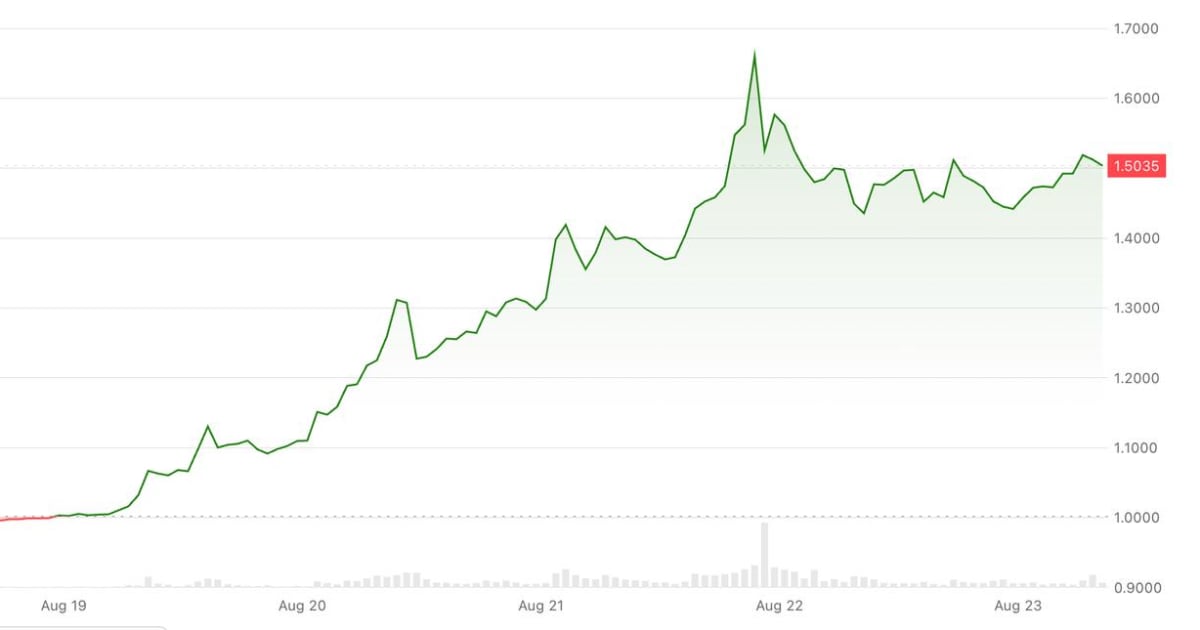
Adnoc's unexpected crude supply reductions to Asian buyers are igniting Murban prices, directly escalating India's oil import bill and fanning inflationary pressures. Investors must recalibrate portfolios, favoring upstream oil producers while bracing for headwinds in energy-intensive sectors and a potential Rupee depreciation.
Adnoc's decision to curtail crude oil supplies for August and September shipments to Asian customers marks a significant shift in global energy markets. This move is particularly impactful for India, a major Murban crude importer, as it directly fuels higher energy costs, threatens to widen the current account deficit, and places immense pressure on the Indian Rupee. Our deep dive dissects the ripple effects across the Indian stock market, identifying clear winners and losers.
Adnoc's Asia Crude Cuts: Unpacking the Murban Price Shockwave on Indian Markets
The global energy landscape is once again shifting, with significant ramifications for major oil importers like India. Abu Dhabi National Oil Company (Adnoc), a pivotal player in the Middle Eastern crude market, has signaled a notable reduction in crude oil supply to its Asian customers for both August and September loading. This strategic curtailment, particularly impacting Murban crude, a benchmark grade favored by many Asian refiners, is not merely a logistical adjustment; it’s a potent catalyst driving up Murban prices and, consequently, setting off a cascade of economic and market challenges for India.
Murban crude, known for its light-sweet characteristics and consistent quality, is a critical component in the refining mix of Indian state-owned and private refiners. As Adnoc tightens the spigot, the immediate consequence is an upward trajectory in Murban spot prices, reflecting the fundamental imbalance of reduced supply against persistent demand. This development is not occurring in a vacuum; it arrives amidst a broader global push for energy security and careful supply management by OPEC+ nations, further amplifying its significance. For India, a nation heavily reliant on crude imports to meet over 85% of its oil demand, this translates directly into a higher import bill, threatening to exacerbate the current account deficit (CAD) and placing renewed pressure on the Indian Rupee (INR). The last time such sustained crude price pressure was observed, particularly in early 2022 following geopolitical events, the Rupee depreciated by over 7% against the USD within a few months, highlighting the direct correlation.
What Does Adnoc's Supply Cut Mean for India's Economy and Inflation?
The economic implications of Adnoc's supply cuts extend far beyond mere balance sheet adjustments for refiners. Higher crude oil prices invariably feed into the broader economy through increased fuel costs, acting as a direct inflationary impulse. Diesel and petrol prices, which are largely linked to international crude benchmarks, will likely face upward pressure, impacting transportation costs across all sectors. This 'cost-push' inflation is particularly concerning for the Reserve Bank of India (RBI), which has been meticulously managing inflation expectations. Sustained high crude prices could force the RBI to maintain a hawkish stance or even consider further rate hikes, potentially stifling economic growth that has just begun to gain momentum.
Consider the macro-economic impact: India’s annual crude oil import bill typically hovers around $150-200 billion. Even a $5-10 per barrel increase in the average price of its crude basket can add billions to this figure, directly impacting the CAD. A widening CAD, in turn, often triggers foreign institutional investor (FII) outflows, further weakening the Rupee. A depreciating Rupee makes imports even more expensive, creating a vicious cycle. The last time Brent crude consistently traded above $90/barrel in late 2023, the Rupee touched lows of 83.40 against the dollar, illustrating the sensitivity of the Indian currency to global oil dynamics.
Deep Market Impact Analysis: Connecting Adnoc's Cuts to Indian Equities
The Indian stock market, particularly the Nifty 50 and Sensex, is highly sensitive to crude oil price fluctuations. A surge in Murban prices, driven by Adnoc's cuts, will create a clear divergence in sectoral performance. Upstream oil exploration and production (E&P) companies stand to benefit significantly, while energy-intensive sectors and those with high import dependency will face considerable headwinds.
Winners: Oil Exploration & Production Companies
- ONGC (Oil and Natural Gas Corporation Ltd.): As India's largest crude oil and natural gas producer, ONGC directly benefits from higher international crude prices. Every $1 increase in crude oil prices typically boosts ONGC's operating profit by approximately ₹1,000-1,200 crore annually. With a market capitalization exceeding ₹3.3 trillion, ONGC's stock performance is strongly correlated with crude oil benchmarks. Its Q4 FY24 standalone net profit was ₹9,869 crore, and higher crude prices would further bolster its profitability, improving its P/E ratio which currently stands around 7-8x.
- Oil India Ltd. (OIL): Another significant state-owned E&P company, Oil India, also sees a direct uplift in its revenues and profitability from elevated crude prices. Its smaller scale compared to ONGC means its percentage impact from crude price changes can be even more pronounced. OIL reported a standalone net profit of ₹2,163 crore in Q4 FY24. Both ONGC and OIL have historically shown robust performance during periods of rising crude oil prices, often outperforming the broader market.
Losers: Energy-Intensive & Import-Dependent Sectors
- Airlines (InterGlobe Aviation Ltd. - IndiGo, SpiceJet Ltd.): Aviation Turbine Fuel (ATF) constitutes 35-45% of an airline's operating costs. A surge in crude prices directly translates to higher ATF costs, compressing already thin profit margins. IndiGo, with its dominant market share and a market cap of over ₹5.2 trillion, is particularly vulnerable. Despite its operational efficiency, a 10% increase in ATF costs can wipe out a significant portion of its quarterly profits. SpiceJet, already facing financial challenges, would find its recovery path even more arduous.
- Logistics & Shipping Companies: Higher diesel prices directly impact the operational costs of trucking fleets and shipping vessels. Companies like Allcargo Logistics, Gati, or even railway logistics players will see their fuel expenditures rise, potentially leading to lower margins unless they can fully pass on costs, which is challenging in competitive markets.
- Chemicals & Petrochemicals (Reliance Industries Ltd. - RIL): While RIL's refining segment might see some improvement in gross refining margins (GRMs) from higher product prices, the overall impact is nuanced. As a massive consumer of crude for its petrochemical operations, elevated feedstock costs can negate refining benefits. RIL's diversified portfolio (retail, telecom, new energy) offers some insulation, but its O2C (Oil-to-Chemicals) segment, a significant revenue driver (contributing ~60% to total revenue), will face input cost pressure. RIL's Q4 FY24 consolidated net profit was ₹18,951 crore.
- Automobile Manufacturers: Higher fuel prices deter discretionary spending and can dampen demand for new vehicles, especially in the personal mobility segment. Consumers facing increased transportation costs might postpone vehicle purchases, impacting sales volumes for companies like Maruti Suzuki India Ltd., Tata Motors Ltd., and Mahindra & Mahindra Ltd.
- Oil Marketing Companies (OMCs) - BPCL, HPCL, IOC: The impact on OMCs (Bharat Petroleum Corporation Ltd., Hindustan Petroleum Corporation Ltd., Indian Oil Corporation Ltd.) is complex. While higher crude prices mean higher procurement costs, their ability to pass on these costs to consumers is often regulated or politically sensitive. In periods of sharp crude surges, OMCs may incur under-recoveries if retail fuel prices are not adjusted commensurately, impacting their profitability. However, if they are allowed to raise prices freely, their marketing margins can improve. Their Q4 FY24 results showed strong profits (e.g., IOC reported ₹4,838 crore), but sustained high crude could test this.
What are the Contrarian Views on India's Crude Price Exposure?
While the immediate sentiment leans bearish for net importers, a contrarian perspective suggests several mitigating factors. Bulls might argue that India's strategic petroleum reserves, though limited, offer some short-term buffer. Furthermore, the Indian government's proactive diplomacy in securing diversified crude sources, including discounted Russian oil, could cushion the blow. Some analysts also point to the resilience of Indian demand, particularly in the manufacturing and services sectors, which might absorb higher energy costs without a significant slowdown. They might also highlight that global crude prices are influenced by multiple factors, and Adnoc's cuts, while impactful, might be partially offset by potential demand destruction in other economies or increased supply from non-OPEC+ producers in the medium term. The argument is that while the short-term shock is real, India's robust economic fundamentals and strategic maneuvers could prevent a sustained downturn.
Bears, on the other hand, would emphasize the sheer scale of India's import dependency and the inelastic nature of its energy demand. They would highlight the cascading effect on inflation, interest rates, and consumer spending, potentially leading to a broader economic slowdown. The vulnerability of the Rupee to FII outflows in a high-interest rate environment globally would be a central concern, making imports even pricier. They would also point to the limited fiscal space the Indian government has to absorb fuel price shocks through tax cuts, especially given existing subsidy burdens.
Actionable Investor Playbook: Navigating the Murban Price Surge
Investors need a tactical approach to navigate the current crude price volatility triggered by Adnoc's supply cuts. The strategy should focus on defensive plays and capitalizing on beneficiaries, while judiciously exiting or hedging exposure to vulnerable sectors.
- Buy/Accumulate:
- Upstream Oil & Gas: Focus on ONGC (NSE: ONGC) and Oil India (NSE: OIL). These stocks are direct beneficiaries of higher crude prices. Consider an entry point during any temporary market dips, with a medium-term horizon (6-12 months) as long as crude prices remain elevated. Their P/E ratios are often attractive compared to the broader market during such cycles.
- Sell/Reduce Exposure:
- Airlines: Reduce exposure to InterGlobe Aviation (NSE: INDIGO) and SpiceJet (NSE: SPICEJET). The immediate impact of higher ATF costs will pressure their profitability. Short-term horizon (3-6 months) for this bearish view.
- Logistics & Shipping: Consider trimming positions in companies with high fuel dependency.
- Watch/Monitor Closely:
- Oil Marketing Companies (OMCs): BPCL (NSE: BPCL), HPCL (NSE: HPC), IOC (NSE: IOC). Their performance will hinge on government policy regarding fuel price pass-through. If they gain pricing freedom, they could surprise positively, but regulatory risk remains high.
- Reliance Industries Ltd. (RIL): While RIL (NSE: RELIANCE) has diversified, the O2C segment's sensitivity to crude costs warrants close monitoring. Its strong balance sheet and other growth engines (Jio, Retail) offer resilience, but sustained high crude could temper its overall earnings growth.
- Automobile Manufacturers: Monitor sales data and consumer sentiment closely for companies like Maruti Suzuki (NSE: MARUTI). Any significant drop in demand due to fuel price concerns would be a red flag.
For investors with a higher risk appetite, shorting vulnerable sectors (like airlines) or buying put options could be considered, provided they have a clear understanding of the associated risks and liquidity. Conversely, long positions in upstream E&P stocks could be complemented with covered calls to generate income.
Risk Matrix: Navigating the Volatile Crude Landscape
The current situation is fraught with several identifiable risks that could alter the trajectory of crude prices and their impact on India.
- Sustained High Crude Prices & Inflationary Spiral (Probability: High): The most immediate risk is that Adnoc's cuts are followed by similar actions from other major producers, or by unexpected geopolitical events that further constrain global supply. This would push crude prices sustainably higher, leading to entrenched inflation, forcing the RBI to hike rates aggressively, which would severely impact economic growth and corporate earnings across the board.
- Global Economic Slowdown & Demand Destruction (Probability: Medium): Conversely, a sharper-than-expected global economic slowdown, perhaps triggered by aggressive monetary tightening by central banks, could lead to significant demand destruction for crude oil. This would negate the supply cuts and potentially cause crude prices to fall, reversing the current market dynamics and impacting E&P companies negatively.
- Geopolitical Escalation in Middle East (Probability: Medium): Any fresh geopolitical tensions in the Middle East, a region critical for global oil supply, could immediately send crude prices soaring to extreme levels. This 'black swan' event would amplify all the negative impacts discussed, leading to severe economic stress for net importers like India.
- Unforeseen Policy Interventions (Probability: Medium): Governments, including India's, might intervene with fiscal measures (e.g., excise duty cuts on fuel) to cushion consumers from price hikes. While this provides relief to consumers, it impacts government revenues and could lead to fiscal slippage, affecting sovereign credit ratings and investor sentiment.
What to Watch Next: Catalysts and Data Releases
Investors should closely monitor several key indicators and events that will shape the narrative around crude prices and their impact on Indian markets:
- OPEC+ Meetings and Output Decisions: The next scheduled OPEC+ meeting will be crucial. Any further supply cuts or indications of sustained production discipline will reinforce the bullish crude narrative.
- Weekly EIA and API Crude Inventory Data: These reports provide real-time insights into US crude oil inventories, acting as a proxy for global supply-demand dynamics. Unexpected drawdowns could signal tightening markets.
- Indian Inflation Data (CPI, WPI): Monthly Consumer Price Index (CPI) and Wholesale Price Index (WPI) releases will show the direct impact of higher fuel costs on inflation. Elevated readings will increase pressure on the RBI.
- RBI Monetary Policy Committee (MPC) Announcements: The RBI's stance on interest rates and inflation will be critical. Any hawkish surprises could dampen equity markets.
- Indian Trade Deficit and Current Account Deficit (CAD) Data: Quarterly CAD figures will reveal the extent of the impact of higher oil imports on India's external finances. A widening deficit will put further pressure on the Rupee.
- Global Economic Indicators: GDP growth rates from major economies (US, China, Eurozone) and manufacturing PMIs will offer clues about global oil demand trends.
- Company Earnings Calls: Listen closely to management commentary from airlines, OMCs, and petrochemical companies on their Q2 and Q3 FY25 earnings calls for insights into cost pressures and pricing power.
By diligently tracking these catalysts, investors can make informed decisions, adapting their portfolios to the evolving dynamics of crude oil markets and their profound implications for India's economy and stock market.
See ONGC's AI Score
Our algorithmic screener scores ONGC on fundamentals, momentum, and risk — free to try, no card needed.
Try the AI Screener →Have questions about this story?
Ask Welth, our finance-focused AI research assistant, for a deeper breakdown — free trial included.
Chat with Welth AI →Disclaimer: This content is generated by WelthWest Research Desk based on publicly available reports and is for informational purposes only. It does not constitute financial advice, investment recommendations, or an offer to buy or sell securities. Always consult a qualified financial advisor before making investment decisions.