Key Takeaway
Apple's strategic pivot to a China-specific AI model, powered by Alibaba, marks a critical inflection point for global tech. Indian markets must brace for intensified competition in AI services and hardware, alongside new avenues for domestic cloud and chip-related plays.

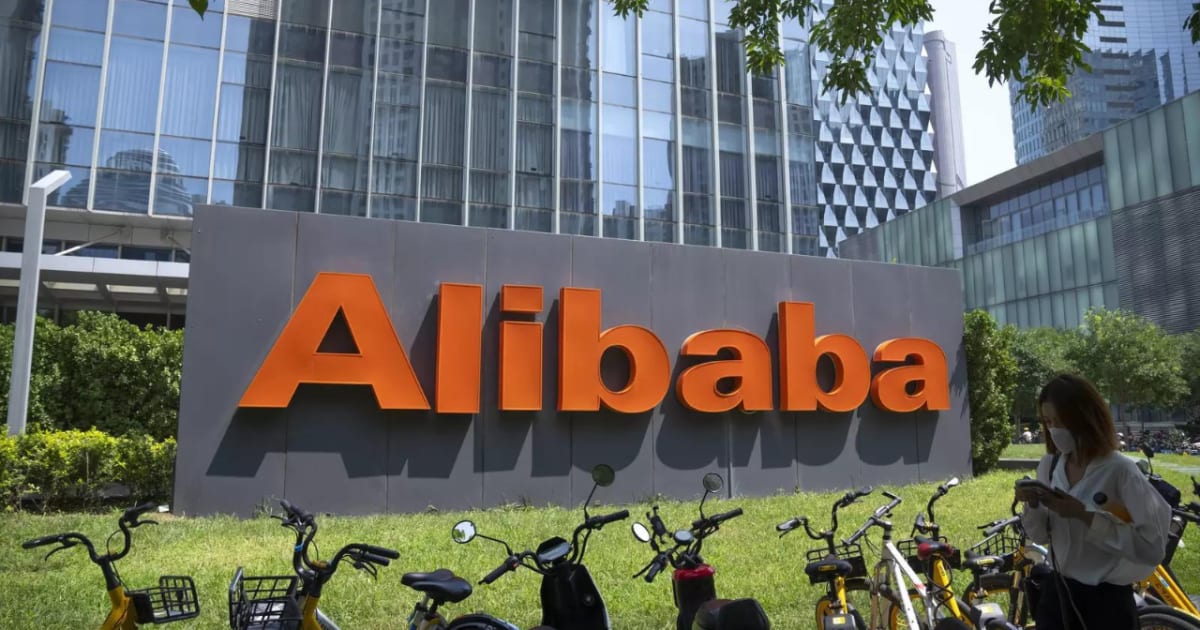
Apple's significant move to develop a tailored AI model for the Chinese market, leveraging Alibaba's infrastructure, underscores a growing trend of hyper-localization in global tech. This development has profound implications, reshaping competition for AI services and hardware providers worldwide, and critically, within India's burgeoning technology sector. Our deep dive unpacks the ripple effects, identifying specific Indian stocks at risk and those poised to benefit, offering an actionable playbook for investors navigating this evolving landscape.
Apple's China AI Gambit: A New Era of Localization and Its Indian Market Ripple Effect
The global technology landscape is undergoing a profound transformation, driven by geopolitical realities and regulatory fragmentation. At the heart of this shift lies Apple's audacious move: the development of a China-specific AI model, reportedly with the strategic backing of Alibaba. This isn't just another product update; it's a strategic adaptation to local regulatory and market demands in China, a market that remains a colossal revenue driver for Apple, contributing nearly 19% of its Q1 2024 net sales, totaling $20.8 billion.
For investors tracking the intricate dance between global tech giants and regional dynamics, this development is a seismic event. It signifies a future where a 'one-size-fits-all' global AI approach is increasingly untenable, especially in markets with unique data sovereignty laws and cultural nuances. For Indian markets, this highlights an accelerating trend: the hyper-localization of global tech giants. This phenomenon, previously observed in data center build-outs and payment infrastructure, now extends to the core of AI intelligence. It will inevitably reshape competition, demand for AI services, and hardware procurement within India's own rapidly expanding digital economy. Furthermore, it firmly underscores the escalating influence and technological prowess of Chinese tech firms in shaping the global AI narrative, moving beyond mere manufacturing to foundational AI development.
How Will Apple's Localized AI Strategy Impact Indian Tech and AI Ecosystems?
The immediate implication for the Indian market is a recalibration of competitive dynamics. Global AI model providers, which previously enjoyed the advantage of scale and standardized offerings, will now face increased pressure to either localize their own solutions or risk losing market share to tailored alternatives. This isn't just about language models; it encompasses everything from voice assistants to image recognition and predictive analytics. Companies that rely on a globally standardized AI approach, particularly those targeting enterprise clients with operations in multiple geographies, might find their offerings less compelling against localized, optimized solutions.
Historically, when global tech giants have localized their strategies, it has created both opportunities and challenges for Indian players. Consider the entry of Amazon Web Services (AWS) and Microsoft Azure into India with local data centers. While it brought world-class cloud infrastructure, it also intensified competition for domestic cloud providers. However, it simultaneously spurred demand for local talent in cloud management, migration, and specialized services. This Apple-Alibaba partnership could mirror that pattern, albeit in the more nascent and rapidly evolving AI space.
The demand for AI chip manufacturing and AI infrastructure, including advanced data centers and high-bandwidth networking, is set to surge globally, and India will be no exception. As AI models become more complex and localized, the computational demands escalate. While India does not have a leading-edge semiconductor fabrication industry, it plays a crucial role in chip design and verification. This global surge in AI hardware demand could indirectly benefit Indian IT services companies involved in chip design, testing, and embedded software development. Moreover, the increased need for localized AI could drive investment in Indian AI startups that are building foundational models or specialized applications for the Indian context, potentially attracting venture capital previously flowing towards more generic solutions.
Stock-by-Stock Breakdown: Indian Equities in the Crosshairs
This strategic shift by Apple and Alibaba will send ripple effects through specific segments of the Indian stock market. Here are 4-6 specific NSE/BSE stocks and sectors that warrant close attention:
- Tata Consultancy Services (TCS) (NSE: TCS): As India's largest IT services exporter with a market capitalization exceeding ₹13.8 trillion and a P/E ratio around 30x, TCS has significant exposure to global enterprise clients. While TCS has a robust AI and cloud transformation practice, a fragmented global AI landscape could increase the complexity of large-scale digital transformation projects. However, it also presents an opportunity for TCS to offer specialized localization services, helping multinational clients adapt their AI strategies for diverse markets like India and China. Bulls would argue that TCS's deep engineering talent will be crucial for navigating this complexity, offering bespoke solutions. Bears might point to potential project delays or increased competition from more agile, specialized AI firms.
- Infosys (NSE: INFY): With a market cap of approximately ₹6.2 trillion and a P/E ratio around 25x, Infosys is another IT bellwether heavily invested in AI and digital transformation. The company’s 'Topaz' AI platform is designed to accelerate enterprise AI adoption. The Apple-Alibaba move underscores the need for Infosys to further enhance its capabilities in building and integrating localized AI solutions, particularly for clients expanding into or operating within regulated markets. This could drive demand for Infosys's expertise in data governance, compliance, and AI ethics. The challenge will be scaling these niche services effectively across its broad client base.
- L&T Technology Services (LTTS) (NSE: LTTS): A pure-play engineering and R&D services company with a market cap of around ₹50,000 crore, LTTS focuses on product development and embedded systems. The increased demand for specialized AI chips and hardware infrastructure, driven by localized AI models, could be a tailwind for LTTS. The company's expertise in semiconductor services, embedded AI, and intelligent product development positions it well to capitalize on the hardware side of the AI boom. Any company involved in designing the underlying silicon or integrating AI into devices stands to benefit.
- Persistent Systems (NSE: PERSISTENT): A mid-cap IT services firm (~₹55,000 crore market cap) known for its product engineering and digital transformation capabilities. Persistent Systems has been actively building its AI and generative AI practice, particularly in areas like intelligent automation and data analytics. As global companies seek partners to build localized AI applications or integrate specialized models, Persistent's agile approach and domain expertise could make it a preferred choice, especially for clients needing custom solutions rather than off-the-shelf global platforms.
- Tata Elxsi (NSE: TATAELXSI): This design and technology services provider (~₹48,000 crore market cap) focuses on industries like automotive, broadcast, and medical devices. The localization trend in AI extends beyond enterprise software to embedded systems and consumer electronics. As Apple designs a China-specific AI, other device manufacturers will follow suit, creating demand for design and engineering services to integrate these localized AI capabilities into hardware. Tata Elxsi, with its strong presence in product engineering and HMI (Human-Machine Interface) design, could see increased project opportunities in adapting AI for specific regional user experiences and regulatory environments.
- Route Mobile (NSE: ROUTE): A CPaaS (Communication Platform as a Service) provider (~₹10,000 crore market cap). While not directly an AI firm, the proliferation of localized AI models will necessitate robust communication infrastructure to deliver AI-powered services (e.g., localized chatbots, voice assistants) to end-users. Route Mobile, with its global messaging and voice platforms, could see increased traffic and demand for its services as businesses integrate AI into customer engagement strategies, especially in diverse linguistic and regulatory environments like India.
Expert Perspectives: Bulls vs. Bears on AI Localization
The Apple-Alibaba AI partnership elicits strong, often contrasting, views from market observers.
The Bull Case: Proponents argue that this move validates the immense potential of localized AI, opening up new revenue streams for tech companies willing to invest in regional specificities. They believe it will accelerate AI adoption in markets like China and, by extension, India, as solutions become more relevant and compliant. For Indian IT services, this translates into increased demand for complex integration, customization, and data governance services. 'This isn't a threat; it's an expansion of the addressable market for sophisticated AI engineering,' noted a senior analyst at a Mumbai-based brokerage. They highlight that companies like TCS and Infosys, with their vast talent pools, are uniquely positioned to become strategic partners for multinationals navigating this fragmented AI landscape. Furthermore, the push for localized AI will inevitably drive investment in domestic AI infrastructure, benefiting Indian cloud providers and data center operators indirectly.
The Bear Case: Skeptics, however, warn of increased operational complexity and cost. Developing and maintaining multiple AI models for different regions can be resource-intensive, potentially eroding profit margins for tech giants. They argue that this fragmentation could slow down global innovation by diverting resources to localization rather than groundbreaking research. For Indian IT, bears suggest that while there might be some niche opportunities, the larger trend could favor local Chinese or Indian AI companies that possess inherent cultural and linguistic advantages. 'Why would a global giant pay a premium for Indian IT to localize AI when a domestic player can do it more efficiently and authentically?' questioned a fund manager. They also highlight potential intellectual property risks and the challenges of managing data sovereignty across diverse regulatory regimes.
Actionable Investor Playbook: Navigating the AI Localization Wave
For Indian investors, the Apple-Alibaba AI development necessitates a strategic re-evaluation of portfolios. Here’s a concrete playbook:
- WATCH: Companies with significant exposure to global enterprise clients that rely on standardized AI solutions. Monitor their strategies for AI localization. Any delays in adapting could signal headwinds. Keep a close eye on HCLTech (NSE: HCLTECH) and Wipro (NSE: WIPRO), which also have substantial digital transformation practices. Their ability to pivot to localized AI offerings will be critical.
- BUY (on dips): Indian IT services companies with strong product engineering capabilities, deep domain expertise in specific verticals, and a proven track record in AI/ML implementation. Look for those actively investing in generative AI and demonstrating flexibility in solutioning. Target entry points for LTTS around its 200-day moving average, typically a level indicating strong support after pullbacks. Consider Persistent Systems for its agile approach and focus on digital product development, potentially benefiting from bespoke AI projects. A long-term horizon (3-5 years) is advisable for these plays, as the full impact of AI localization will unfold over time.
- ACCUMULATE: Companies involved in AI infrastructure, cloud services, and data center development, even if indirectly. While direct AI chip manufacturing in India is nascent, the ecosystem around it will grow. Look at companies like Cyient (NSE: CYIENT) for its engineering design services, which could benefit from increased demand for AI hardware design. Also, consider firms that provide robust communication backbone services, like Bharti Airtel (NSE: BHARTIARTL), as localized AI applications will drive data consumption.
- AVOID (for now): Companies with a rigid, 'global-first' AI strategy that shows no signs of adapting to regional nuances. These might face increasing competition and relevance issues in key growth markets.
The time horizon for these investments should be medium to long-term (1-5 years), as the AI localization trend is a structural shift, not a short-term catalyst. Entry points should be strategically chosen during market corrections to maximize returns.
Risk Matrix: Assessing the Hurdles for Localized AI
While the opportunities are significant, several risks could temper the success and impact of localized AI initiatives:
- Regulatory Volatility & Compliance (Probability: High): China's regulatory environment is notoriously dynamic and opaque. Frequent changes to data privacy, content censorship, and AI ethics laws could necessitate continuous, costly adjustments to the AI model. Any misstep could lead to significant fines or operational restrictions.
- Geopolitical Tensions (Probability: Medium-High): Escalating trade wars or political friction between the US and China could directly impact Apple's ability to operate and partner effectively in China. Sanctions or restrictions on technology transfer could derail the entire initiative, affecting both Apple and its partners like Alibaba.
- Consumer Adoption & Cultural Acceptance (Probability: Medium): While designed for China, the success of the localized AI model hinges on its actual adoption by Chinese consumers. If the AI fails to genuinely resonate with local cultural nuances or if trust issues arise (e.g., concerns over data privacy, surveillance), adoption could be slow, undermining the strategic investment.
- Competition from Domestic Players (Probability: High): Chinese tech giants like Baidu, Tencent, and Huawei are aggressively investing in their own foundational AI models. Apple's localized offering will face intense competition from these established players who possess deep local market understanding and extensive user bases.
What to Watch Next: Catalysts and Data Points
The narrative around localized AI, particularly Apple's move in China, will continue to evolve rapidly. Investors should monitor these key developments:
- Apple's WWDC 2024 Announcements (June 2024): While typically focused on global products, any specific mention of regional AI strategies or partnerships will be crucial. Details on how they plan to integrate AI into iOS for diverse markets could provide further clues.
- Alibaba Cloud's AI Service Updates: Keep an eye on Alibaba Cloud's quarterly earnings calls and product announcements. Any significant expansion of their AI infrastructure or new partnerships related to foundational models will indicate the pace of development.
- Chinese Regulatory Policy Changes: New directives from the Cyberspace Administration of China (CAC) or other regulatory bodies concerning AI algorithms, data security, or cross-border data flows will directly impact operations.
- Quarterly Earnings of Indian IT Firms: Scrutinize commentary from Indian IT services companies like TCS, Infosys, and LTTS during their earnings calls for insights into AI-related deal wins, trends in client spending on AI, and their strategies for navigating localized AI demands. Look for specific mentions of growth in product engineering or AI consulting for global clients targeting regional markets.
- Venture Capital Flows into Indian AI Startups: An increase in funding for Indian AI startups focused on building foundational models or specialized applications for the Indian market could signal a domestic response to the global localization trend, creating future competition or partnership opportunities for established players.
The Apple-Alibaba AI partnership is more than a news headline; it's a harbinger of a new era in global technology. Investors who understand its multi-faceted implications for localization, competition, and infrastructure will be best positioned to capitalize on the profound shifts unfolding across the Indian and global tech landscape.
Run a free AI Stock Screen
Our algorithmic screener scores any NSE/BSE stock on fundamentals, momentum, and risk — free to try, no card needed.
Try the AI Screener →Have questions about this story?
Ask Welth, our finance-focused AI research assistant, for a deeper breakdown — free trial included.
Chat with Welth AI →Disclaimer: This content is generated by WelthWest Research Desk based on publicly available reports and is for informational purposes only. It does not constitute financial advice, investment recommendations, or an offer to buy or sell securities. Always consult a qualified financial advisor before making investment decisions.