Key Takeaway
Bitcoin's sharp descent, triggered by potential Iran oil market re-entry, signals a global risk-off sentiment that could subtly influence FII flows into India. Investors must monitor this interconnectedness of commodities and digital assets for subtle shifts in emerging market appetite.
Geopolitical tremors are causing significant turbulence in the cryptocurrency market, with Bitcoin experiencing a sharp decline as hopes rise for Iran's increased oil exports. This analysis delves into the complex interplay between global energy markets, digital assets, and their nuanced impact on the Indian stock exchange, identifying key sectors and stocks to watch.
Bitcoin's Geopolitical Pendulum: How Iran Oil Hopes Are Shaking Crypto and Indian Equities
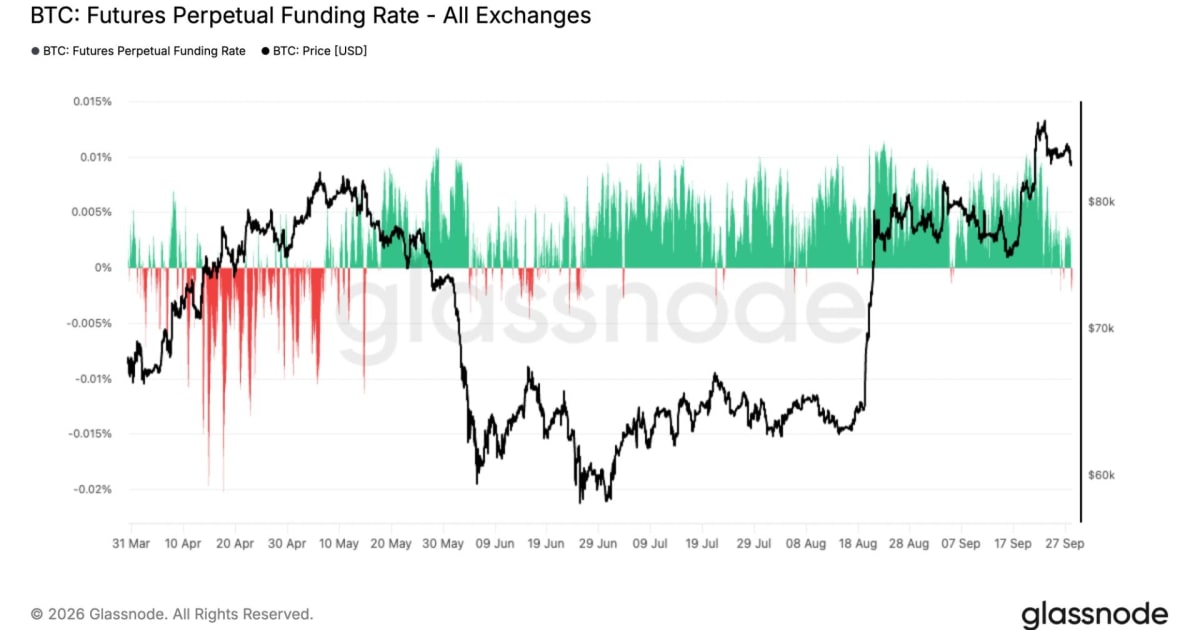
In a stark reminder of the interconnectedness of global financial markets, Bitcoin, the flagship cryptocurrency, has recently experienced a significant price correction. This downturn is not merely a function of internal crypto dynamics but is intricately linked to a confluence of geopolitical developments and the volatile price of crude oil. Specifically, the prospect of Iran re-entering the global oil market, potentially increasing supply, has acted as a catalyst, dampening investor sentiment across risk assets, including digital currencies. While the direct correlation between Bitcoin and the Indian equity market might appear tenuous, this event underscores a broader global risk appetite shift that can, and often does, indirectly influence foreign institutional investor (FII) flows into emerging economies like India. The increasing entanglement of traditional commodity markets with nascent asset classes like cryptocurrencies necessitates a deeper examination of these seemingly disparate events.
Why This Bitcoin Plunge Matters Now: A Global Risk Sentiment Barometer
The recent price action in Bitcoin, dropping from its recent highs, serves as an immediate indicator of evolving global risk sentiment. When geopolitical tensions ease, particularly concerning major energy producers like Iran, the immediate effect is often a decrease in perceived global instability. This reduction in uncertainty typically leads investors to rotate out of perceived safe havens and, conversely, to reduce their exposure to highly volatile, speculative assets. Bitcoin, often characterized as a high-risk, high-reward asset, is an early casualty of such sentiment shifts. The narrative surrounding Iran's potential oil deal is critical because oil prices are a foundational element of the global economy, influencing inflation, consumer spending, and corporate profitability across a vast spectrum of industries. A substantial increase in oil supply, driven by Iran's re-entry, would likely lead to lower oil prices, a scenario that generally benefits oil-importing nations like India. However, for cryptocurrency markets, lower oil prices can sometimes be associated with a broader deleveraging and risk-off environment, pushing investors away from speculative assets.
The significance of this event for the Indian market lies in its indirect implications for FII behavior. Foreign institutional investors are highly sensitive to global risk appetite. When global markets exhibit signs of instability or a pronounced risk-off sentiment, FIIs tend to withdraw capital from emerging markets, which are often perceived as higher risk compared to developed economies. Conversely, a stable geopolitical environment and predictable commodity prices can foster greater confidence, encouraging FII inflows. Therefore, while Bitcoin's price may not directly impact the earnings of an Indian manufacturing company, its volatility, when linked to global events, acts as a canary in the coal mine for broader investor sentiment that can ultimately affect capital flows into Indian equities.
Deep Market Impact Analysis: Connecting Crypto Volatility to Indian Equities
The direct impact of Bitcoin's price movements on the Indian stock market is generally considered low to moderate. The Indian equity market, with its substantial market capitalization (e.g., the combined market cap of NSE-listed companies is in the trillions of USD), is largely driven by domestic economic factors, corporate earnings, and monetary policy. However, the underlying driver of Bitcoin's recent decline – geopolitical developments and oil price expectations – has a more pervasive influence. When oil prices are expected to fall due to increased supply, it's a net positive for India, a country that imports a significant portion of its energy needs. Lower oil import bills can translate into a narrower current account deficit, potentially leading to a stronger rupee and reduced inflationary pressures. This, in turn, can support corporate margins and consumer spending, creating a more favorable environment for Indian equities.
Historically, periods of heightened global uncertainty, often reflected in sharp commodity price swings and cryptocurrency volatility, have preceded shifts in FII flows. For instance, during the initial phases of the Russia-Ukraine conflict in early 2022, both oil prices and Bitcoin experienced extreme volatility. This period also saw significant outflows from emerging markets as investors sought safer assets. While the current scenario with Iran's oil deal is less acute than a major military conflict, it still represents a significant shift in the global energy supply landscape. If the anticipated increase in Iranian oil supply materializes and leads to sustained lower oil prices, the Indian market could benefit from improved economic fundamentals. However, if the geopolitical situation surrounding Iran deteriorates, it could trigger a renewed wave of risk aversion, impacting both crypto and Indian equities negatively.
The sectorial impact on the Indian market is nuanced. Energy companies, particularly those involved in oil exploration and production, might see their valuations pressured by expectations of lower crude prices. Conversely, sectors that are heavy consumers of energy, such as transportation, logistics, and manufacturing, could experience a boost in profitability. The broader financial sector might see a muted impact, though a sustained period of risk aversion could lead to tighter liquidity conditions, indirectly affecting lending and investment activities.
How Will Geopolitical Oil Shifts Affect Indian Bank Stocks?
The impact of geopolitical shifts affecting oil prices on Indian bank stocks is primarily indirect, stemming from their influence on the broader economy and FII flows. A significant decline in oil prices, driven by factors like increased Iranian supply, is generally a positive development for India's macroeconomic stability. Lower inflation and a stronger rupee can reduce the risk of non-performing assets (NPAs) for banks, as borrowers are better positioned to service their debts. Furthermore, improved economic sentiment could lead to increased credit demand, benefiting banks. However, if the geopolitical situation escalates, leading to global economic slowdown fears, it could negatively impact loan growth and asset quality. Banks like HDFC Bank (NSE: HDFCBANK), with a market cap of approximately ₹5.5 lakh crore and a P/E ratio around 23, and ICICI Bank (NSE: ICICIBANK), with a market cap of ₹6.2 lakh crore and a P/E of 17, are sensitive to the overall economic health and investor sentiment, which are indirectly tied to global commodity prices and geopolitical stability. A sustained period of risk aversion could lead to FII outflows, impacting liquidity and potentially leading to a reduction in asset valuations across the board, which would affect the capital adequacy ratios and profitability of these institutions.
Will a Stronger Rupee Benefit Indian IT Stocks?
The Indian Information Technology (IT) sector, a major export-oriented industry, is highly sensitive to currency fluctuations. A strengthening Indian Rupee, which can be a consequence of lower oil import bills and improved balance of payments due to factors like the Iran oil deal scenario, generally acts as a headwind for IT companies. These companies earn a significant portion of their revenue in foreign currencies, primarily the US Dollar. When the Rupee appreciates, the value of these dollar-denominated earnings decreases when converted back into Rupees. For example, Tata Consultancy Services (TCS) (NSE: TCS), with a market cap of nearly ₹14 lakh crore and a P/E of 28, and Infosys (NSE: INFY), with a market cap of ₹6.2 lakh crore and a P/E of 25, derive over 90% of their revenue from international markets. A stronger Rupee can therefore compress their reported revenue and profit margins. While the long-term growth story for Indian IT remains robust, currency headwinds can impact short-term performance and stock valuations. Investors closely watch the Rupee-Dollar exchange rate as a key determinant of profitability for this sector.
Stock-by-Stock Breakdown: Navigating the Ripple Effects
While the direct linkage is indirect, certain Indian stocks and sectors are more susceptible to the shifts in global risk sentiment and commodity prices triggered by events like the Iran oil deal scenario. The primary channel is through FII flows and the broader economic outlook.
- Reliance Industries Limited (NSE: RELIANCE): With significant exposure to the energy sector through its refining and petrochemical operations, RIL's fortunes are intrinsically tied to crude oil prices. A sustained drop in oil prices due to increased supply could compress refining margins, impacting its downstream business. However, RIL's diversified nature, including its growing telecom and retail arms, provides some resilience. Its market cap stands at approximately ₹18.5 lakh crore, with a P/E of 24. Any significant geopolitical instability that impacts energy markets globally could influence investor sentiment towards RIL.
- Wipro Limited (NSE: WIPRO): As a major IT services provider, Wipro's profitability is sensitive to currency movements. A strengthening Rupee, potentially resulting from lower oil import bills, would negatively impact its reported earnings, as a substantial portion of its revenue is denominated in USD. Wipro's market cap is around ₹2.3 lakh crore, with a P/E of 30. A prolonged period of global risk aversion, fueled by geopolitical flare-ups, could also lead to reduced IT spending by global clients, impacting revenue growth.
- Oil India Limited (NSE: OIL): As a pure-play upstream oil producer, Oil India (market cap ~₹40,000 crore, P/E ~6) is directly exposed to fluctuations in crude oil prices. Lower crude prices would directly impact its revenue and profitability. While the company benefits from government-regulated pricing for some of its products, the overall market sentiment for oil producers would likely turn bearish if supply significantly outstrips demand.
- Indian Oil Corporation Limited (NSE: IOCL): Similar to RIL, IOCL (market cap ~₹1.5 lakh crore, P/E ~9) is a major player in refining and marketing. Falling crude prices can compress refining margins, although it also reduces its feedstock costs. The company's profitability is influenced by the difference between crude oil prices and the prices of refined products. Increased supply from Iran could lead to a narrower crack spread, affecting its bottom line.
- Larsen & Toubro (NSE: LT): While not directly linked to oil prices, L&T (market cap ~₹4.2 lakh crore, P/E ~35) is a bellwether for infrastructure and capital expenditure in India. A stable geopolitical environment and predictable energy costs contribute to a positive economic outlook, which often translates into increased demand for L&T's services. Conversely, global instability can dampen investment sentiment, indirectly affecting order books.
- Maruti Suzuki India Limited (NSE: MARUTI): As India's largest passenger vehicle manufacturer, Maruti Suzuki (market cap ~₹3.5 lakh crore, P/E ~30) benefits from lower fuel prices. A decrease in crude oil prices typically leads to lower petrol and diesel prices, boosting consumer demand for automobiles.
Expert Perspective: Bulls vs. Bears on Bitcoin and Indian Equities
Bulls would argue that the current Bitcoin volatility is a short-term reaction to a specific geopolitical event and that the long-term adoption of digital assets remains intact. They would emphasize that the impact on Indian equities is minimal, as the domestic economy is driven by internal factors. Furthermore, they might point out that lower oil prices, if sustained, are a net positive for India, potentially leading to increased consumer spending and corporate profitability, thereby supporting the Indian stock market. They might also highlight that any significant dip in Bitcoin presents a buying opportunity for long-term investors in the crypto space.
Bears, on the other hand, would caution that the interconnectedness of global markets is increasing, and events like the potential re-entry of Iranian oil into the market could be symptomatic of broader geopolitical shifts that pose systemic risks. They would argue that increased crypto volatility is a sign of underlying fragility in speculative asset markets and could signal a broader risk-off sentiment that might lead to significant FII outflows from emerging markets like India. They would point to historical instances where global shocks have quickly spilled over into emerging markets, leading to sharp corrections. They might also express concern that the current optimism around lower oil prices could be premature if geopolitical tensions escalate, leading to a dual shock of higher energy prices and reduced global demand.
Actionable Investor Playbook: Navigating the Uncertainty
Given the current landscape, a prudent approach for Indian investors involves a blend of caution and selective opportunity identification. The impact of geopolitical events on crypto and their indirect influence on Indian equities necessitates a dynamic strategy.
- Watch FII Flows Closely: Monitor daily and weekly FII investment data. A sustained outflow trend could indicate a broader risk-off sentiment that might affect Indian equities.
- Focus on Domestic Demand-Driven Sectors: Companies with strong domestic revenue streams and less reliance on exports or commodity price fluctuations are likely to be more resilient. Sectors like consumer staples, domestic financials (banks and NBFCs with strong retail focus), and infrastructure are generally favored in such environments.
- Selective Exposure to Energy: While lower oil prices might seem beneficial, the volatility in the energy sector warrants caution. Investors might consider companies with strong balance sheets and diversified operations like Reliance Industries, but with an awareness of potential margin pressures.
- Currency Hedging for IT/Export Stocks: For investors holding significant positions in export-oriented sectors like IT, understanding the impact of a strengthening Rupee is crucial. Consider hedging strategies if currency risk is a major concern.
- Diversified Portfolio Approach: Avoid over-concentration in any single asset class or sector. A well-diversified portfolio across large-cap, mid-cap, and select small-cap stocks, along with appropriate debt allocation, remains the cornerstone of risk management.
- Long-Term View on Crypto (for the risk-tolerant): For investors with a high-risk tolerance and a long-term horizon, the current Bitcoin volatility might present accumulation opportunities. However, this should be a very small allocation within a well-diversified portfolio.
Risk Matrix: Assessing the Probabilities
The current situation presents several interconnected risks:
- Continued Crypto Volatility (Probability: High): The link between geopolitical events, commodity prices, and crypto markets is likely to remain strong. Unpredictable developments in the Middle East or other global hotspots can trigger sharp, rapid price swings in Bitcoin and other cryptocurrencies.
- Sudden FII Outflows from India (Probability: Medium): If geopolitical tensions escalate or global economic growth falters, FIIs might quickly reallocate capital away from emerging markets, leading to downward pressure on Indian equities.
- Oil Price Rebound due to Escalation (Probability: Medium): Despite current hopes for increased Iranian supply, any significant geopolitical escalation in the region could lead to an unexpected surge in oil prices, negating the benefits of lower energy costs for India and potentially increasing inflationary concerns.
- Currency Devaluation if Geopolitical Risk Dominates (Probability: Low to Medium): While lower oil prices typically strengthen the Rupee, a severe global risk-off event driven by geopolitical turmoil could lead to a broad-based flight to the US Dollar, causing the Rupee to depreciate despite fundamental economic positives.
What to Watch Next: Upcoming Catalysts and Data Releases
Investors and analysts should keep a close eye on several key developments:
- Official Statements on Iran Oil Sanctions/Production: Any concrete news regarding the lifting or continuation of sanctions on Iran, or official statements from OPEC+ regarding production quotas, will significantly impact oil market sentiment.
- US Inflation Data (CPI/PPI): These figures will influence the US Federal Reserve's monetary policy stance, which in turn affects global liquidity and FII flows into emerging markets.
- Indian Economic Indicators: Key data releases such as India's GDP growth figures, inflation rates (CPI), and industrial production (IIP) will provide insights into the domestic economic health, which is crucial for the resilience of Indian equities.
- Corporate Earnings Season: The upcoming earnings season for Indian companies will be critical in assessing their ability to navigate the current economic environment and will be a key driver of individual stock performance.
- Global Geopolitical Developments: Continuous monitoring of news from the Middle East and other potential flashpoints is essential to anticipate shifts in global risk sentiment.
By understanding these interconnected dynamics, investors can better position themselves to navigate the complexities of global finance and make informed decisions regarding their Indian equity portfolios.
Run a free AI Stock Screen
Our algorithmic screener scores any NSE/BSE stock on fundamentals, momentum, and risk — free to try, no card needed.
Try the AI Screener →Have questions about this story?
Ask Welth, our finance-focused AI research assistant, for a deeper breakdown — free trial included.
Chat with Welth AI →Disclaimer: This content is generated by WelthWest Research Desk based on publicly available reports and is for informational purposes only. It does not constitute financial advice, investment recommendations, or an offer to buy or sell securities. Always consult a qualified financial advisor before making investment decisions.