Key Takeaway
Piyush Goyal's US visit for G20 and bilateral trade talks could be a pivotal moment for India-US economic relations. Investors should closely monitor progress on a potential Bilateral Trade Agreement (BTA), as it could significantly reshape competitive landscapes and unlock substantial value in export-oriented Indian sectors, offering compelling long-term entry points.
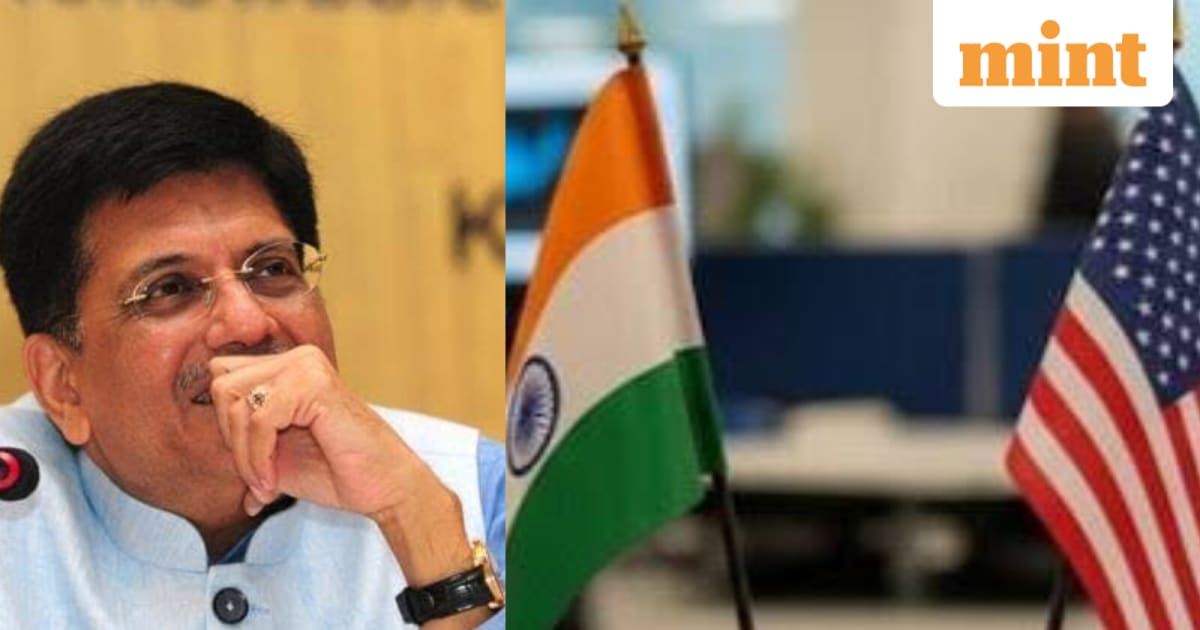
India's Commerce Minister Piyush Goyal is embarking on a crucial US visit, aiming to bolster trade ties and advance a Bilateral Trade Agreement. This deep dive from WelthWest Research Desk dissects the potential impact on Indian markets, identifying specific sectors and stocks poised to benefit from reduced tariffs and streamlined regulations. We provide an actionable investor playbook for navigating this evolving geopolitical and economic landscape.
Piyush Goyal's US Trade Diplomacy: A Catalyst for Indian Market Re-rating?
India's Commerce Minister, Piyush Goyal, is currently undertaking a high-stakes seven-day visit to the United States, a diplomatic tour de force encompassing the G20 Trade and Investment Ministers' Meeting and critical bilateral trade discussions. This isn't merely a routine diplomatic engagement; it represents a strategic pivot point in India-US economic relations, with profound implications for the Indian stock market and specific sectors.
The core objective of Goyal's mission is multifaceted: to strengthen the burgeoning India-US trade relationship, advance discussions on a comprehensive Bilateral Trade Agreement (BTA), and address long-standing trade irritants. In an era of increasing global supply chain diversification and geopolitical realignments, the potential for a more robust trade pact between the world's largest and fifth-largest economies is not just significant – it's transformative. A successful BTA could lead to substantial tariff reductions, harmonization of regulatory standards, and enhanced market access, directly translating into boosted exports for Indian companies and potentially attracting a fresh wave of foreign direct investment (FDI).
Why does this matter now? The global economic landscape is shifting, with nations actively seeking resilient supply chains and diversified trade partners. India, with its vast domestic market, skilled workforce, and manufacturing ambitions (evinced by schemes like Production-Linked Incentives or PLIs), is increasingly viewed as a crucial partner by the US. This visit, following a period of intense diplomatic engagement, signals a renewed commitment from both sides to elevate economic cooperation beyond rhetoric. For investors, this translates into tangible opportunities and risks, demanding a granular understanding of which sectors and companies stand to gain or lose.
How Will a Potential India-US Trade Deal Impact Key Indian Sectors?
The ripple effects of enhanced India-US trade ties, particularly through a BTA, would be felt across various strata of the Indian economy and, consequently, the Indian stock market. Our analysis indicates a clear hierarchy of potential beneficiaries, primarily centered around India's export-oriented manufacturing and services prowess.
Export-Oriented Manufacturing: Sectors like textiles, pharmaceuticals, and engineering goods are poised for significant gains. Reduced tariffs on Indian exports to the US would immediately enhance their price competitiveness, leading to increased order books and revenue growth. Consider the textile sector: India's textile exports to the US were approximately $6.5 billion in FY22. A 5-10% tariff reduction could add hundreds of millions to this figure, directly benefiting companies with substantial US exposure. Similarly, the pharmaceutical sector, already a major exporter to the US, could see streamlined regulatory pathways and faster drug approvals, further cementing its global leadership in generics.
Information Technology (IT) Services: The US remains the largest market for Indian IT services. While tariffs aren't the primary barrier here, discussions around easier market access, streamlined visa processes (H1-B visas, L1 visas), and recognition of professional qualifications could significantly reduce operational friction and enhance the competitiveness of Indian IT firms. This could translate into higher margins and expanded client bases for an industry that contributes over 8% to India's GDP and employs millions.
Agriculture: While often politically sensitive, specific agricultural products could gain preferential market access. This would open new avenues for Indian farmers and food processing companies, diversifying their export portfolios beyond traditional markets. The exact products would depend on the negotiation specifics, but areas like spices, certain fruits, and organic produce hold potential.
Logistics and Shipping: Increased bilateral trade volume inherently benefits the logistics and shipping sectors. More goods moving between the two countries mean higher demand for freight services, port operations, and supply chain management. This is a crucial, often overlooked, ancillary beneficiary of robust trade agreements.
Conversely, sectors facing increased competition from US imports could experience headwinds if tariffs on specific US goods entering India are reduced. However, given India's strategic push for domestic manufacturing and protection of nascent industries, any such concessions are likely to be carefully calibrated and phased.
Historically, significant trade policy shifts have led to notable market movements. For instance, the signing of the India-UAE CEPA in 2022 saw specific export-oriented sectors like gems & jewelry and textiles experience a surge in investor interest, with some related stocks showing double-digit percentage gains in the months following the announcement. While a US BTA is far more complex, the potential market response could be even more pronounced given the sheer scale of trade involved.
Which Indian Stocks Stand to Gain from Stronger US Trade Ties?
Our deep dive identifies several Indian companies across key sectors that are particularly well-positioned to benefit from positive outcomes of Goyal's US visit and any subsequent BTA progress. These are not merely speculative plays but firms with established US exposure and operational leverage.
- Reliance Industries (NSE: RELIANCE): With a market capitalization exceeding ₹17.5 trillion, RIL is a conglomerate with diverse interests. Its textile and apparel division, particularly through Reliance Retail's sourcing networks and its own manufacturing capabilities, stands to gain from reduced tariffs on textile exports. Furthermore, RIL's broader petrochemical and materials businesses could benefit from smoother trade flows and potential investment opportunities. The company's strategic focus on new energy also aligns with US climate goals, potentially opening avenues for collaboration.
- Tata Consultancy Services (NSE: TCS): As India's largest IT services exporter, TCS (market cap: ~₹13.5 trillion) derives a significant portion of its revenue from the North American market (over 50% in Q1FY24). Any easing of visa restrictions or improved ease of doing business for IT services firms would directly impact TCS's ability to deploy talent and secure new contracts, potentially boosting its already robust ~18-20% operating margins. Sector peer Infosys (NSE: INFY, market cap: ~₹6 trillion) would similarly benefit, given its substantial US client base.
- Sun Pharmaceutical Industries (NSE: SUNPHARMA): A global pharmaceutical giant (market cap: ~₹3.2 trillion), Sun Pharma has a strong presence in the US generics and specialty markets, generating over 30% of its revenues from North America. A BTA could accelerate drug approvals, reduce regulatory hurdles, and potentially lower import duties on certain raw materials or finished products, enhancing profitability. Dr. Reddy's Laboratories (NSE: DRREDDY, market cap: ~₹900 billion), another major player with significant US exposure, would also see similar tailwinds.
- APL Apollo Tubes (NSE: APLAPOLLO): A leading manufacturer of steel pipes and tubes (market cap: ~₹400 billion), APL Apollo is a prime example of an engineering goods company that could benefit. If tariffs on steel products or fabricated components are rationalized, it could open up new export opportunities to the US infrastructure and construction sectors, areas where US domestic supply might struggle to meet demand. The company's strong domestic growth trajectory would be further augmented by international expansion.
- Container Corporation of India (NSE: CONCOR): As the largest multimodal logistics company in India (market cap: ~₹450 billion), CONCOR is a direct beneficiary of increased trade volumes. Higher exports and imports between India and the US would translate into greater demand for container handling, rail freight, and warehousing services, bolstering its revenue and utilization rates. This is a play on the underlying economic activity generated by trade growth.
Expert Perspectives: Bulls vs. Bears on India-US Trade Talks
The potential for a substantive India-US trade agreement naturally elicits varied expert opinions, shaping the market sentiment from cautious optimism to skepticism.
The Bull Case: Proponents argue that the strategic imperative for both nations to deepen ties is undeniable. The US seeks to diversify its supply chains away from China, and India offers a democratic, large-scale alternative. India, in turn, needs advanced technology, capital, and market access to achieve its $5 trillion economy goal. A BTA, even if phased, would provide a long-term structural tailwind, enhancing India's manufacturing competitiveness, boosting FDI, and improving the 'Ease of Doing Business' perception. Bulls point to the sheer scale of the potential market – a combined GDP exceeding $30 trillion – suggesting that even marginal improvements in trade friction could unlock trillions in economic value over the next decade. They might highlight India's strong demographic dividend and growing consumption as attractive factors for US businesses, creating a win-win scenario that political will can overcome.
The Bear Case: Skeptics, however, emphasize the historical difficulty in achieving comprehensive trade agreements between large, complex economies. They cite specific sticking points that have plagued previous negotiations, such as agricultural market access for US goods (e.g., dairy, poultry), intellectual property rights protection, digital trade policies, and specific tariff lines on industrial goods. Bears argue that domestic political pressures in both countries (e.g., protectionist lobbies in India, labor union concerns in the US) could significantly dilute any agreement, making it more symbolic than substantive. They might also highlight the 'elephant in the room' – the US's preference for bilateral deals over multilateral ones, but its tendency to prioritize its own domestic industries. Any agreement, they contend, might be a 'mini-deal' focusing on low-hanging fruit rather than a transformative BTA, leading to market disappointment if expectations are too high.
Our assessment leans towards cautious optimism. While a full-fledged, comprehensive BTA may take longer, significant progress on specific sector-level agreements or a framework for future negotiations is highly probable. This incremental progress alone can act as a positive catalyst for investor sentiment and specific stock performance.
Actionable Investor Playbook: Navigating the Trade Winds
For discerning investors, the current environment presents a nuanced opportunity. This is not a 'buy everything' signal, but rather a call for selective, informed positioning.
What to Buy/Accumulate: Focus on high-quality, export-oriented companies with a proven track record of operating in the US market. The listed 'winners' – Reliance, TCS, Sun Pharma, Dr. Reddy's, APL Apollo, and CONCOR – represent strong candidates. Consider staggered accumulation on any market dips. Look for companies with strong balance sheets, consistent revenue growth, and reasonable valuations (e.g., P/E ratios in line with historical averages or sector peers). For instance, if TCS sees a temporary dip due to broader market volatility, it could present an attractive entry point given its long-term structural tailwinds from improved trade relations.
What to Watch: Keep a close eye on the rhetoric emerging from Goyal's meetings. Specific mentions of progress on tariff reductions in textiles or pharmaceuticals, or commitments to streamline visa processes, would be strong positive indicators. Also, monitor any announcements regarding joint working groups or timelines for future negotiations. Sectors like specialty chemicals, medical devices, and renewable energy components could also emerge as dark horses if specific agreements are reached.
Entry Points and Time Horizons: This is a long-term structural play, not a short-term trade. While immediate positive news could lead to short-term spikes, the true value unlocking from a BTA would materialize over a 1-3 year horizon as policies are implemented and companies adapt. Consider using a 'buy on dips' strategy rather than chasing immediate rallies. For companies like Sun Pharma, a P/E ratio around 25-30x (consistent with its 5-year average) on forward earnings could be a reasonable entry point if the growth outlook improves due to trade benefits.
Diversification: While focusing on potential winners, maintain a diversified portfolio. Geopolitical events can be unpredictable, and even the most promising trade talks can face unexpected hurdles. Consider allocation to broader market indices (e.g., Nifty 50 via ETFs) to capture overall economic growth.
Risk Matrix: Potential Derailers for India-US Trade Progress
Despite the optimism, several risks could impede or derail the positive outcomes of Goyal's visit and the broader India-US trade agenda. Investors must be cognizant of these potential headwinds.
- Lack of Significant Progress on BTA (Probability: Medium): The most immediate risk is that the discussions conclude without substantial breakthroughs on the Bilateral Trade Agreement. This could lead to market disappointment, as expectations have been building. Historical precedents show that trade negotiations are often protracted and complex.
- Geopolitical Tensions and Protectionist Sentiments (Probability: Medium): An escalation of geopolitical tensions (e.g., US-China relations, regional conflicts) could shift focus away from trade. Domestically, protectionist sentiments in either country, driven by specific industry lobbies or political cycles, could stall progress or lead to the withdrawal of concessions.
- Unfavorable US Economic Conditions (Probability: Low-Medium): A significant slowdown or recession in the US economy could reduce demand for Indian exports, irrespective of tariff reductions. This would dampen the overall impact of any trade agreement.
- Domestic Regulatory Hurdles in India (Probability: Low): While less likely to derail the talks themselves, any domestic regulatory changes or policy inconsistencies in India could impact the ease with which Indian companies can leverage new trade opportunities or attract US investment.
What to Watch Next: Catalysts and Data Points
The narrative surrounding India-US trade is dynamic, and several upcoming catalysts and data releases will be crucial for investors to monitor.
- Official Joint Statements & Press Conferences: The immediate aftermath of Goyal's visit will be critical. Look for joint statements, press briefings, and any specific timelines or commitments announced by both sides. Any mention of 'working groups,' 'framework agreements,' or 'fast-tracking specific sector deals' would be a strong positive signal.
- Q2 FY24 Earnings Season: As Indian companies release their Q2 FY24 results, listen for management commentary on US market demand, order book trends, and any direct or indirect impact of the ongoing trade discussions. IT services companies, in particular, will provide insights into US client spending.
- Upcoming High-Level Bilateral Meetings: Beyond Goyal's visit, any future meetings between high-ranking officials (e.g., PM Modi's potential visit, US Commerce Secretary's visit to India) will signal continued momentum or potential roadblocks.
- Trade Data Releases: Monthly and quarterly trade data between India and the US will provide tangible evidence of increased trade flows. Look for year-on-year growth in key export categories to the US.
- US Economic Indicators: Key US economic data, such as GDP growth, manufacturing PMI, and consumer spending, will influence the overall demand environment for Indian exports and US investment appetite.
In conclusion, Piyush Goyal's US visit is more than just a diplomatic formality; it's a strategic maneuver poised to redefine India-US economic relations. For investors, understanding the nuances of these trade talks and their potential market ramifications is paramount to positioning portfolios for long-term growth in a rapidly evolving global economy.
See Reliance Industries (textiles, potential for diverse trade benefits)'s AI Score
Our algorithmic screener scores Reliance Industries (textiles, potential for diverse trade benefits) on fundamentals, momentum, and risk — free to try, no card needed.
Try the AI Screener →Have questions about this story?
Ask Welth, our finance-focused AI research assistant, for a deeper breakdown — free trial included.
Chat with Welth AI →Disclaimer: This content is generated by WelthWest Research Desk based on publicly available reports and is for informational purposes only. It does not constitute financial advice, investment recommendations, or an offer to buy or sell securities. Always consult a qualified financial advisor before making investment decisions.