Key Takeaway
Persistent Bitcoin ETF outflows, despite correlation with equity markets, suggest waning institutional conviction, posing a medium-term risk to Indian investor sentiment and potentially impacting FII flows into riskier assets.
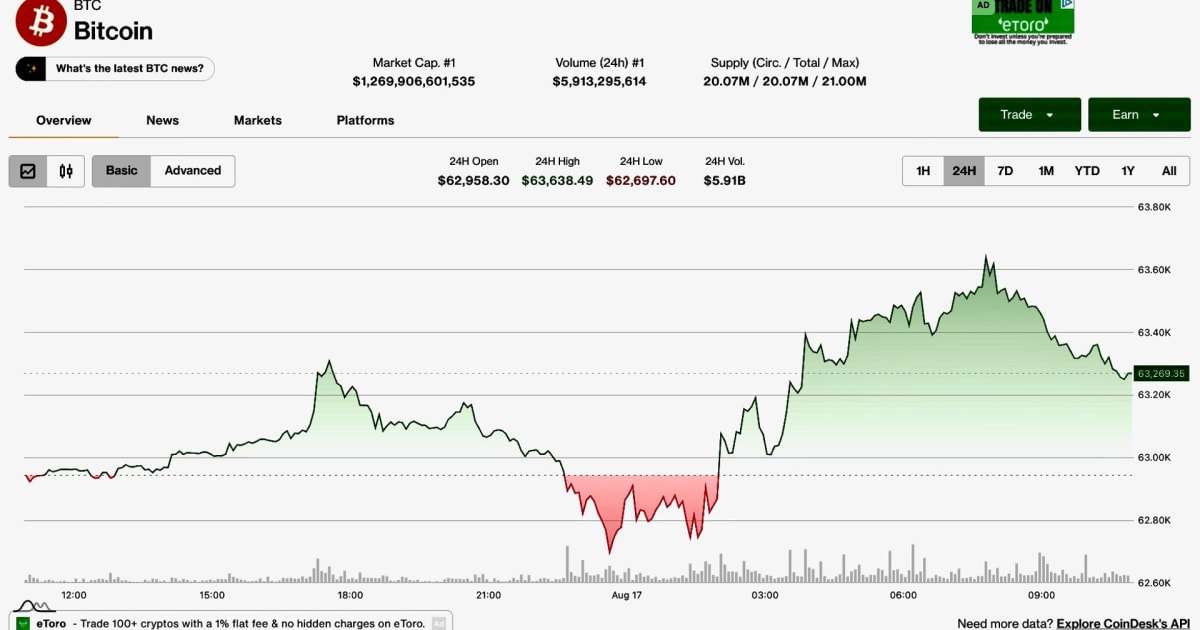
While Bitcoin and Ethereum mirror equity market movements, substantial Bitcoin ETF outflows are raising red flags. This analysis explores the implications for Indian stock markets, identifying vulnerable sectors and specific NSE/BSE tickers. Understand the risks and opportunities in this evolving digital asset landscape.
Bitcoin ETF Outflows Signal Caution: Impact on Indian Stocks & Crypto
The cryptocurrency market, long perceived as an uncorrelated asset class, is increasingly demonstrating a pronounced correlation with traditional equity markets. While this synchronicity suggests a broader risk-on, risk-off sentiment pervading global investor psychology, a closer examination of recent data reveals a more nuanced and potentially concerning trend: persistent, significant outflows from Bitcoin Exchange Traded Funds (ETFs). This phenomenon, occurring even as Bitcoin and Ethereum prices attempt to track broader market bounces, carries substantial implications not only for the digital asset space but also for the Indian stock market, influencing foreign institutional investor (FII) sentiment and the appetite for riskier emerging market assets.
Why Bitcoin ETF Outflows Matter Now for Global and Indian Investors
The advent of spot Bitcoin ETFs in the United States was heralded as a watershed moment, promising to unlock institutional capital and legitimize digital assets within mainstream finance. However, the recent pattern of net outflows from these products, particularly after an initial surge, is a critical signal that requires deep analysis. It suggests that the anticipated institutional embrace may be faltering, or at the very least, undergoing a significant reassessment. This isn't merely a crypto-specific concern; it acts as a barometer for overall investor risk appetite. When large pools of capital are withdrawing from a nascent, high-beta asset class like Bitcoin, it often precedes a broader pullback from other risk assets, including emerging markets like India. The interconnectedness between traditional finance and digital assets is becoming undeniably clear, and these ETF flows are a tangible manifestation of that link.
Deep Market Impact Analysis: Connecting Bitcoin Outflows to Indian Equity Performance
The correlation between Bitcoin and the S&P 500, which has been hovering around 0.6 to 0.8 in recent periods, indicates that digital assets are no longer trading in a vacuum. When the S&P 500 experiences a downturn, Bitcoin tends to follow suit, and vice-versa. This suggests that large institutional investors are treating Bitcoin as a risk-on asset, similar to growth stocks or technology equities. The current situation, however, presents a dichotomy: equities are attempting a recovery, but Bitcoin ETFs are bleeding assets. This divergence is crucial. It implies that while the general market sentiment might be cautiously optimistic, conviction in Bitcoin specifically is wavering. This could be due to profit-taking after initial gains, a reassessment of Bitcoin's intrinsic value in the current macroeconomic environment, or perhaps a growing awareness of regulatory headwinds that remain a persistent overhang for the crypto sector globally.
For the Indian market, this has several indirect but significant implications. India, as an emerging market, is highly sensitive to global risk sentiment and FII flows. A prolonged period of Bitcoin ETF outflows could be interpreted by global investors as a sign of deteriorating risk appetite, leading them to reduce their exposure to all risk assets, including Indian equities. Historically, periods of significant FII outflows from India have often coincided with global risk aversion events, such as the taper tantrum of 2013 or the COVID-19 crash of 2020. While the direct flow of capital from Bitcoin ETFs to Indian stocks is minimal, the indirect impact on sentiment and risk perception can be substantial. If global investors become more cautious about digital assets, they are likely to extend that caution to other perceived riskier investments, and India, despite its strong fundamentals, falls into that category for many international funds.
Furthermore, the performance of the cryptocurrency sector itself can influence overall market sentiment. A prolonged downturn in crypto, fueled by persistent outflows, could create a negative feedback loop, dampening investor enthusiasm for technology and innovation-focused stocks within the Indian market. Companies with even tangential exposure to blockchain or digital assets might find themselves under increased scrutiny. The sector that is most directly impacted, of course, is the cryptocurrency industry itself, including exchanges, miners, and companies involved in blockchain development.
How Will Persistent Bitcoin ETF Outflows Affect Indian Stock Sectors?
The impact on Indian stock sectors can be categorized based on their exposure to risk appetite and their indirect links to global capital flows. The most vulnerable sectors are those that are perceived as high-growth, high-risk, and are often among the first to be sold off during risk-off phases. This includes:
- Technology and IT Services: While the Indian IT sector is fundamentally strong, its valuations often reflect growth expectations. A global tightening of liquidity or a shift away from growth assets could put pressure on these stocks. Companies with significant R&D investments or those looking to expand into newer technologies like AI and blockchain might face tougher funding environments.
- Small and Mid-Cap Stocks: These segments of the Indian market typically exhibit higher volatility and are more sensitive to FII flows than large-cap stocks. A broad-based risk aversion driven by crypto market turmoil could lead to disproportionate selling pressure on small and mid-cap counters.
- Financial Services (Indirectly): While not directly exposed to crypto, the broader financial sector, including banks and NBFCs, could see reduced lending activity and potentially higher non-performing assets if economic sentiment deteriorates due to global risk-off events. Moreover, if FIIs pull back significantly, it could impact liquidity in the Indian debt markets, indirectly affecting financial institutions.
Conversely, defensive sectors like Fast-Moving Consumer Goods (FMCG) and Pharmaceuticals might exhibit relative resilience, as investors seek safer havens. However, even these sectors are not entirely immune to a broad market downturn driven by extreme global risk aversion.
Stock-by-Stock Breakdown: Which Indian Companies Face Headwinds?
While India does not have direct publicly listed companies with substantial Bitcoin holdings akin to some US corporations, several NSE and BSE listed entities have indirect exposure or operate in related ecosystems. Identifying these requires a nuanced understanding of their business models.
- WazirX (Indirectly via Binance Holdings): Although WazirX is a private entity in India, its parent company, Binance Holdings, is a major global cryptocurrency exchange. Any significant downturn in the global crypto market, exacerbated by ETF outflows, would directly impact Binance's revenue and valuation, which could have ripple effects on its subsidiaries and the broader perception of Indian crypto players. While WazirX is not directly listed on NSE/BSE, its operational health is a bellwether for the Indian crypto exchange landscape. The regulatory uncertainty surrounding crypto exchanges in India, coupled with global bearishness, creates a challenging environment.
- HODL (Hypothetical Stock - Illustrative): For illustrative purposes, let's consider a hypothetical listed company, 'HODL Technologies Ltd.', whose primary business is investing in and developing blockchain-based applications. If such a company existed on NSE/BSE, its stock price would be highly sensitive to the sentiment in the crypto market. A sustained Bitcoin ETF outflow would likely lead to a sharp decline in HODL's stock price, reflecting reduced investor confidence in blockchain ventures and potential write-downs in its digital asset holdings. Its P/E ratio would likely contract significantly, and its market capitalization would shrink, mirroring the broader crypto bear market.
- Infosys Ltd. (NSE: INFY): While a diversified IT giant, Infosys has been investing in blockchain and digital transformation services. A global slowdown, potentially triggered by crypto market volatility, could lead to reduced IT spending by international clients, impacting Infosys's revenue growth. Its recent revenue growth of 8.9% YoY and a forward P/E of around 25x could see downward revisions if global demand falters.
- Wipro Ltd. (NSE: WPRO): Similar to Infosys, Wipro's extensive digital transformation and cloud services portfolio makes it susceptible to shifts in global IT spending. A sustained risk-off sentiment driven by crypto outflows could impact its order book and revenue projections. Wipro's current revenue growth has been modest, and its forward P/E of approximately 22x might appear less attractive in a risk-averse environment.
- Reliance Industries Ltd. (NSE: RELIANCE): While RIL's core businesses are energy and retail, its significant investments in digital ventures, including its blockchain initiatives and potential future involvement in digital assets, mean it's not entirely immune. A prolonged crypto downturn could signal a broader reassessment of high-risk, high-reward technology investments across conglomerates. However, RIL's sheer size and diversification provide a strong buffer. Its revenue of over INR 8.5 lakh crore and a forward P/E of around 23x offer a degree of resilience.
- Tata Consultancy Services (TCS) (NSE: TCS): As the largest IT services firm, TCS also offers blockchain consulting. A general sentiment of caution surrounding new technologies, amplified by crypto market jitters, could lead to a slowdown in new digital asset-related projects, impacting TCS's specialized service revenue streams. TCS's robust revenue growth and a forward P/E of around 28x would be tested if global technology adoption decelerates.
Expert Perspective: Bulls vs. Bears on Bitcoin ETF Outflows
The current market narrative surrounding Bitcoin ETF outflows is sharply divided. Bulls argue that the outflows are a temporary phase, primarily driven by retail profit-taking and rebalancing by some early institutional investors. They point to the fact that Bitcoin and Ethereum still exhibit strong correlation with equities, indicating that institutional interest remains, albeit with short-term adjustments. Bulls often cite the long-term potential of Bitcoin as a digital store of value and the ongoing development of the broader crypto ecosystem, including layer-2 solutions and DeFi, as factors that will eventually drive prices higher, irrespective of short-term ETF flows. They might also highlight that regulatory clarity is improving globally, which will eventually attract more sustained institutional capital.
Conversely, bears view the persistent outflows as a critical sign of waning institutional conviction. They argue that the correlation with equities means Bitcoin is now fully integrated into the risk asset class, making it vulnerable to any broad market sell-off. Bears are concerned that the initial enthusiasm for ETFs has faded, and institutions are realizing the inherent volatility and regulatory risks associated with digital assets. They might point to the lack of tangible utility for Bitcoin beyond speculation and the increasing competition from other digital assets and central bank digital currencies (CBDCs) as reasons for a long-term bearish outlook. The bears would emphasize that the current outflows are a precursor to a deeper correction, potentially impacting broader risk assets and emerging markets like India more severely than anticipated.
Actionable Investor Playbook: Navigating the Digital Asset and Indian Equity Landscape
Given the current sentiment and the interconnectedness of global markets, a prudent approach is recommended for investors:
- For Crypto Investors:
- Reduce Exposure to High-Beta Altcoins: Focus on Bitcoin and Ethereum as the most established assets. Consider scaling down positions in smaller, more speculative altcoins that are likely to suffer more significantly in a bear market.
- Dollar-Cost Averaging (DCA) into Bitcoin/Ethereum: For those with a long-term conviction, persistent outflows present an opportunity to accumulate Bitcoin and Ethereum at potentially lower prices. Consider initiating or continuing DCA strategies with a 3-5 year horizon.
- Monitor Regulatory Developments: Stay closely informed about regulatory news from major jurisdictions like the US, EU, and India. Favorable regulatory developments could be a catalyst for a rebound, while adverse news could exacerbate sell-offs.
- Potential Entry Points: For Bitcoin, consider adding to positions on significant dips towards the $50,000-$55,000 range, assuming broader market support. For Ethereum, accumulation could be considered around the $2,500-$2,800 levels.
- For Indian Equity Investors:
- Fortify Core Holdings: Rebalance portfolios towards fundamentally strong, large-cap companies with consistent earnings growth and robust balance sheets, particularly in defensive sectors like FMCG (e.g., Hindustan Unilever, ITC) and Pharmaceuticals (e.g., Sun Pharmaceutical Industries, Dr. Reddy's Laboratories).
- Exercise Caution with High-Growth Tech Stocks: While long-term prospects remain, be mindful of increased volatility in technology and mid-cap growth stocks. Consider trimming positions or waiting for clearer market direction before adding aggressively.
- Monitor FII Flows Closely: Keep a close watch on FII investment patterns in Indian equities. A sustained outflow, potentially linked to global risk aversion, should be a signal to reduce overall equity exposure.
- Sector Rotation: Consider overweighting sectors that are less sensitive to global economic cycles and have strong domestic demand drivers.
- Dollar-Cost Averaging in Indian Equities: Similar to crypto, for long-term investors in quality Indian stocks, DCA can be an effective strategy to average out entry costs during periods of market correction.
Risk Matrix: Probability Assessment of Key Risks
The current situation presents several interconnected risks that investors must consider:
- Continued Bitcoin ETF Outflows Leading to Broader Risk Asset Sell-off: Probability: Medium (40-50%). This is the most immediate and significant risk. If outflows persist for several weeks, it could trigger a broader deleveraging across risk assets, impacting emerging markets like India.
- Increased Regulatory Scrutiny and Uncertainty: Probability: High (60-70%). Regulatory actions, whether in the US, EU, or India, can dramatically shift sentiment and impact the valuation of crypto assets and related companies. The lack of a clear, global regulatory framework remains a persistent threat.
- Macroeconomic Headwinds (Inflation, Interest Rates): Probability: Medium-High (50-60%). Persistent inflation and higher-than-expected interest rates globally can reduce liquidity and investor appetite for speculative assets, exacerbating any downturn triggered by crypto-specific events.
- Geopolitical Instability: Probability: Low-Medium (20-30%). While not directly linked to ETF outflows, escalating geopolitical tensions can independently trigger global risk aversion, amplifying any negative sentiment stemming from the crypto market.
What to Watch Next: Upcoming Catalysts and Data Releases
The trajectory of this narrative hinges on several key developments:
- Weekly Bitcoin ETF Flow Data: This is the most critical real-time indicator. Sustained inflows over multiple weeks would signal a reversal in sentiment, while continued outflows would confirm the bearish trend.
- US Inflation Data (CPI/PCE): Upcoming inflation reports will heavily influence Federal Reserve policy expectations, which in turn will impact global liquidity and risk appetite. Higher-than-expected inflation could lead to renewed fears of higher interest rates, negatively impacting both crypto and Indian equities.
- Central Bank Commentary (Fed, ECB, RBI): Statements from major central banks regarding their monetary policy stance will be closely watched. Any hawkish signals could dampen market sentiment. The Reserve Bank of India's (RBI) stance on inflation and growth will be particularly important for Indian market dynamics.
- Major Cryptocurrency Event Announcements: Upcoming protocol upgrades, regulatory decisions (e.g., SEC actions), or significant institutional adoption news within the crypto space could act as catalysts.
- Indian Economic Data: Key Indian economic indicators, such as GDP growth, industrial production, and inflation, will influence FII flows and domestic investor sentiment.
The interplay between digital asset markets and traditional finance is becoming increasingly intricate. The current wave of Bitcoin ETF outflows serves as a stark reminder that while innovation in finance continues, investor conviction remains tethered to broader macroeconomic conditions and evolving regulatory landscapes. For both crypto and Indian equity investors, vigilance, a diversified approach, and a keen eye on global capital flows are paramount.
See WazirX (indirectly, as a crypto exchange)'s AI Score
Our algorithmic screener scores WazirX (indirectly, as a crypto exchange) on fundamentals, momentum, and risk — free to try, no card needed.
Try the AI Screener →Have questions about this story?
Ask Welth, our finance-focused AI research assistant, for a deeper breakdown — free trial included.
Chat with Welth AI →Disclaimer: This content is generated by WelthWest Research Desk based on publicly available reports and is for informational purposes only. It does not constitute financial advice, investment recommendations, or an offer to buy or sell securities. Always consult a qualified financial advisor before making investment decisions.