Key Takeaway
Bitcoin's struggle at the $83,000 mark, fueled by large holder ('whale') selling, signals potential profit-taking and short-term price correction. While direct exposure in Indian markets is minimal, this shift impacts global risk sentiment, potentially influencing speculative flows into Indian equities.
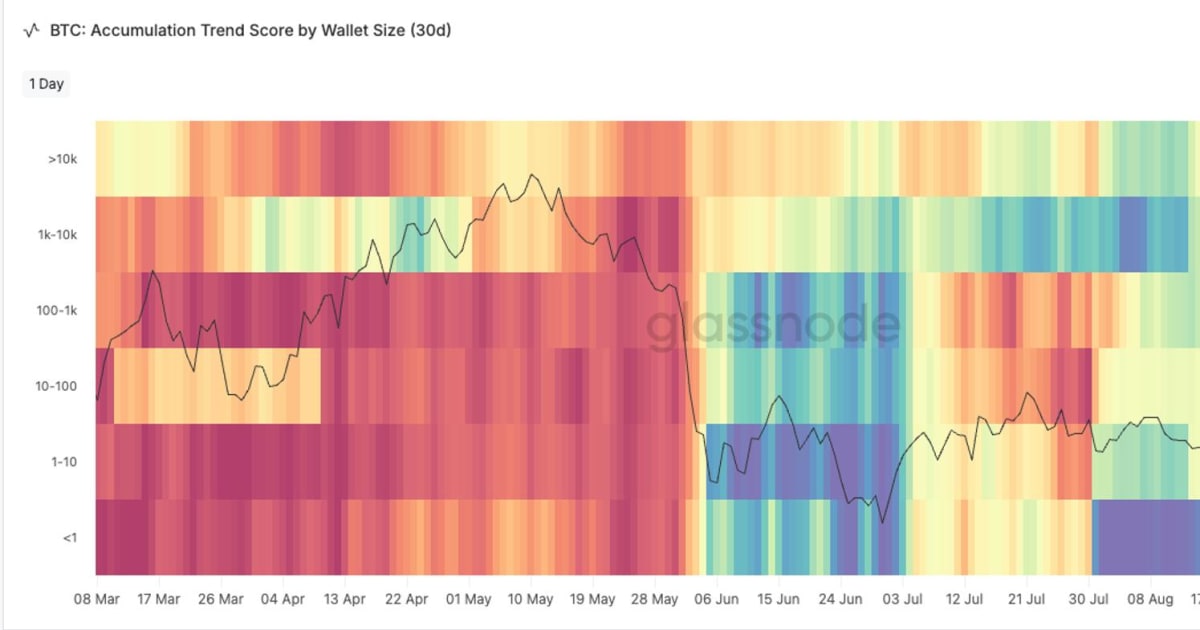
As Bitcoin faces a critical resistance level at $83,000 due to significant 'whale' selling activity, a potential crypto correction looms. This analysis delves into the subtle yet significant indirect impacts on the Indian stock market, identifying affected sectors and specific NSE/BSE stocks. Understand how global digital asset sentiment can reshape risk appetite for Indian investors.
Bitcoin's $83K Stumbling Block: The Whale Sell-Off and Its Echoes in India
The digital asset landscape is currently fixated on Bitcoin’s formidable resistance at the $83,000 price point. This psychological and technical barrier is proving particularly challenging as on-chain data reveals a significant shift in behavior from so-called 'whales' – entities holding substantial amounts of Bitcoin. These large holders, once perceived as steadfast believers in the long-term ascent of the cryptocurrency, are now increasingly observed to be offloading their positions. This transition from accumulation to distribution is a critical signal, often preceding periods of price consolidation or even short-term corrections within the volatile cryptocurrency market.
The implications of this whale sell-off extend beyond the immediate cryptocurrency realm. While the direct financial integration of traditional Indian markets with Bitcoin remains nascent, the global interconnectedness of capital flows means that significant movements in major digital assets can have palpable indirect effects. A pronounced downturn in Bitcoin could dampen speculative fervor globally, potentially leading to a reduced appetite for riskier assets, including emerging market equities. For Indian investors, understanding this dynamic is crucial for navigating the broader investment environment, especially as the nation increasingly embraces digital innovation and alternative investment avenues.
Why Bitcoin's Resistance at $83,000 Matters NOW
The $83,000 level is more than just a number; it represents a confluence of psychological barriers and historical price action that has proven difficult to surmount. When large holders, who typically possess deep market insights and significant capital, begin to divest, it suggests a recalibration of their risk-reward calculus. This is not merely about minor profit-taking; it can signify a broader market sentiment shift from aggressive accumulation to cautious distribution. The sheer volume of Bitcoin held by these whales means their actions can disproportionately influence market dynamics. Their move to net selling positions indicates a potential peak in the current bullish cycle for Bitcoin, prompting a re-evaluation of its trajectory.
The timing of this development is also noteworthy. In a global economic climate characterized by persistent inflation concerns and evolving monetary policy stances from central banks, the correlation between risk assets like cryptocurrencies and equities can become more pronounced. A substantial correction in Bitcoin, triggered by whale selling, could serve as a potent indicator of waning investor confidence in high-risk propositions across the board. This sentiment contagion is a well-documented phenomenon, where significant price action in one major asset class can reverberate through others, impacting investment decisions and capital allocation strategies worldwide.
Deep Market Impact Analysis: Connecting Crypto Volatility to Indian Equities
The direct impact of Bitcoin's price movements on the Indian stock market is generally assessed as low to moderate. India's regulatory framework for cryptocurrencies is still evolving, and institutional adoption within the traditional financial system is limited compared to more developed markets. However, the influence is primarily indirect, manifesting through shifts in global investor sentiment and capital flows. When Bitcoin experiences significant volatility, particularly a downturn driven by substantial selling pressure from large holders, it can trigger a broader 'risk-off' sentiment. This global sentiment shift can lead international investors to reduce their exposure to emerging markets, including India, as they seek safer havens for their capital.
Historically, periods of intense crypto volatility have often coincided with corrections or increased caution in equity markets, especially for high-growth or speculative stocks. For instance, during the crypto downturn of 2022, which saw Bitcoin shed a significant portion of its value from all-time highs, many tech-focused and growth stocks on the NSE and BSE also experienced considerable pressure. While the Nifty 50 might not have moved in lockstep, the underlying sentiment of reduced risk appetite can affect sectors perceived as riskier, such as technology, small-cap companies, and even certain segments of the financial services sector that cater to speculative trading. The current Bitcoin resistance at $83,000, if it leads to a sustained sell-off, could mirror these past correlations, albeit with a lag and less intensity.
Sector-Level Breakdown: Where the Ripple Effect is Felt
The cryptocurrency sector itself is the most immediate casualty of a Bitcoin sell-off. Crypto exchanges, such as WazirX (though privately held and not listed on Indian exchanges, its operational health is indicative of the broader ecosystem) or potential future listed entities, will likely see a dip in trading volumes and potentially a decline in revenue from transaction fees. Crypto-mining companies, if any were to list or have significant operations tied to Indian markets, would face pressure due to the reduced profitability of mining if Bitcoin prices fall, coupled with potentially rising energy costs. Investors holding significant Bitcoin positions, especially those who entered at higher price points or leveraged their holdings, stand to lose substantial capital. These are the direct 'losers' in this scenario.
On the Indian stock market, the impact is more nuanced. Companies with indirect exposure to the digital asset space or those that are perceived as high-risk growth plays are most vulnerable. The IT services sector, particularly those firms with significant revenue streams from blockchain development or digital transformation projects for crypto clients, could see a slowdown in new mandates or a re-evaluation of existing contracts. While major players like Tata Consultancy Services (TCS) (NSE: TCS, Market Cap: ~$200 Billion, P/E: ~30) and Infosys (NSE: INFY, Market Cap: ~$75 Billion, P/E: ~28) have diversified revenue streams, a sustained downturn in the crypto industry could marginally affect their growth projections in this niche. Smaller, more specialized IT firms focusing heavily on blockchain might feel a more pronounced pinch.
Furthermore, the broader financial services sector, especially those entities involved in facilitating digital asset trading or custody services (even if nascent in India), could experience a cooling of interest. While banks like HDFC Bank (NSE: HDFCBANK, Market Cap: ~$120 Billion, P/E: ~22) or ICICI Bank (NSE: ICICIBC, Market Cap: ~$65 Billion, P/E: ~18) have minimal direct crypto exposure, a significant global risk-off event can lead to reduced foreign institutional investor (FII) inflows into Indian equities, impacting overall market liquidity and potentially leading to broader index corrections.
How Will Increased Crypto Volatility Affect Indian Investor Sentiment?
The sentiment surrounding Bitcoin’s price action is a bellwether for global risk appetite. When Bitcoin faces significant headwinds, especially from large holders liquidating positions, it sends a signal of caution across financial markets. For Indian investors, this can translate into a decreased willingness to invest in speculative assets or high-growth stocks. The Reserve Bank of India (RBI) has maintained a cautious stance on cryptocurrencies, highlighting their inherent risks. A sharp decline in Bitcoin could reinforce this caution, potentially leading to a more conservative investment approach across the board. This sentiment shift can impact the demand for riskier Indian equities, potentially widening bid-ask spreads and increasing volatility in mid-cap and small-cap segments.
Conversely, some argue that the Indian market's relative insularity from direct crypto exposure provides a buffer. They posit that as long as domestic economic fundamentals remain strong – inflation under control, GDP growth robust, and corporate earnings healthy – the Indian stock market can withstand external shocks from the digital asset space. However, this argument often overlooks the interconnectedness of global liquidity. A significant global deleveraging event, even if originating in crypto, can dry up international capital, which is a crucial component of funding for Indian equities, particularly for the FII flows that have historically driven significant market movements. The current macroeconomic environment, with global interest rates still elevated, makes markets more susceptible to such liquidity shocks.
Stock-by-Stock Breakdown: Identifying Potential NSE/BSE Impacts
While no Indian listed entity has direct, substantial exposure to Bitcoin in the same vein as a US-based crypto exchange or miner, several companies and sectors could be indirectly affected by a sustained crypto downturn and the resultant global risk sentiment shift.
- Info Edge (India) Ltd. (NSE: INFOEDGE, Market Cap: ~$10 Billion, P/E: ~80): Info Edge, through its investment in Zomato and Policybazaar, is indirectly linked to the broader tech and consumer internet ecosystem. While not directly tied to crypto, a global 'risk-off' sentiment can dampen investor enthusiasm for high-growth, high-valuation tech stocks. If crypto volatility leads to a broader tech sell-off, Info Edge's constituent companies might see their valuations come under pressure, impacting its overall market capitalization. Its P/E ratio, already high, suggests a premium on future growth, which is sensitive to macro sentiment.
- Reliance Industries Ltd. (NSE: RELIANCE, Market Cap: ~$230 Billion, P/E: ~25): While a diversified conglomerate, Reliance's ventures into digital services through Jio Platforms and its exploration of blockchain technology for various applications could see a marginal impact. A global cooling of interest in new tech paradigms might slow down the pace of innovation adoption or investment in such ventures, though Reliance's scale and diverse revenue streams would largely insulate it from significant direct impact. However, a broad market downturn driven by risk aversion could still affect its stock price.
- 5paisa Capital Ltd. (NSE: 5PAISA, Market Cap: ~$0.5 Billion, P/E: ~50): As a discount stockbroker, 5paisa Capital's fortunes are closely tied to retail investor participation and trading volumes in the Indian stock market. If global crypto turmoil leads to reduced retail investor confidence and capital deployment in speculative assets, it could translate into lower trading volumes on Indian platforms, potentially impacting 5paisa's revenue from brokerage and other ancillary services. Its higher P/E ratio indicates growth expectations, which are contingent on active market participation.
- Coforge Ltd. (NSE: COFORGE, Market Cap: ~$9 Billion, P/E: ~45): This IT services company has been increasingly focusing on digital transformation, including areas like blockchain and distributed ledger technology. A slowdown in the crypto market could potentially reduce the demand for specialized blockchain development services from clients in that sector. While Coforge's client base is diversified, a noticeable contraction in the digital asset industry could affect revenue growth from this specific vertical.
- HCL Technologies Ltd. (NSE: HCLTECH, Market Cap: ~$35 Billion, P/E: ~22): Similar to Coforge, HCL Technologies is a major IT services player with a growing focus on emerging technologies. While its core business remains strong, any significant contraction in the global digital asset innovation space could lead to a marginal slowdown in demand for advanced technology services, including those related to blockchain. However, its robust order book and diversified service offerings provide significant resilience.
It is crucial to note that the impact on these stocks is indirect and likely to be less severe than direct crypto investments. The primary transmission mechanism is through changes in overall investor sentiment and capital allocation trends.
Expert Perspective: Bears vs. Bulls on Bitcoin's $83K Wall
Bearish Argument: The sustained selling pressure from whales at the $83,000 resistance level is a clear signal of distribution and impending downside. These are not retail investors; these are sophisticated players taking profits or de-risking. This suggests the upward momentum has stalled, and a significant correction is imminent. Such a correction in Bitcoin will inevitably spill over into broader risk assets, dampening sentiment for emerging markets like India and leading to a period of underperformance for speculative stocks.
Bullish Argument: Bitcoin's ability to consolidate and even climb past previous resistance levels, despite whale selling, demonstrates underlying strength and demand. The $83,000 mark may be a temporary hurdle, with whales merely rebalancing their portfolios rather than exiting entirely. Furthermore, the narrative around Bitcoin as a 'digital gold' and an inflation hedge remains intact, particularly in an environment of persistent global monetary easing or uncertainty. Any dip presents a buying opportunity for long-term investors, and its impact on uncorrelated assets like Indian equities will be minimal.
The divergence in expert opinions highlights the inherent uncertainty and the speculative nature of the cryptocurrency market. However, the observable data of large holders selling cannot be ignored and suggests a cautious approach is warranted, even for those primarily invested in traditional markets.
Actionable Investor Playbook: Navigating the Crypto Ripple Effect
For investors in the Indian market, the current Bitcoin resistance at $83,000 and the associated whale selling calls for a balanced approach, focusing on risk management and strategic allocation.
- Monitor Global Risk Sentiment: Keep a close eye on global market indices (e.g., S&P 500, Nasdaq) and major cryptocurrency price movements. A sustained downturn in Bitcoin and other major cryptocurrencies, coupled with a decline in global equity markets, signals a 'risk-off' environment.
- Hedge Against Volatility: Consider increasing exposure to defensive sectors within the Indian market, such as Consumer Staples (e.g., Hindustan Unilever - NSE: HLL, Market Cap: ~$60 Billion, P/E: ~55) and Pharmaceuticals (e.g., Sun Pharmaceutical Industries - NSE: SUNPHARMA, Market Cap: ~$45 Billion, P/E: ~20). These sectors tend to be less sensitive to economic cycles and investor sentiment swings.
- Review High-Growth/Speculative Holdings: For investors holding a significant portion of their portfolio in high-valuation tech stocks, mid-cap, or small-cap companies with aggressive growth projections on the NSE/BSE, consider rebalancing. This does not necessarily mean selling completely, but reducing overweight positions to mitigate potential downside if global risk appetite wanes.
- Dollar-Cost Averaging (DCA) for Select Indian Equities: If you believe in the long-term prospects of quality Indian companies but are concerned about short-term volatility, consider implementing a Dollar-Cost Averaging strategy. This involves investing a fixed amount at regular intervals, allowing you to buy more shares when prices are lower and fewer when prices are higher. Focus on fundamentally strong companies with robust balance sheets and consistent earnings growth.
- Avoid Direct Crypto Exposure Unless Highly Risk-Tolerant: For the vast majority of Indian investors, direct investment in cryptocurrencies remains highly speculative and regulated. Given the current signals of potential correction, it is advisable to avoid new, significant entries into the crypto market unless you have a very high-risk tolerance and a deep understanding of the asset class.
- Watch for Regulatory Developments: Increased volatility in digital assets globally can attract more regulatory attention. Monitor any statements or policy shifts from the RBI or the Indian government regarding cryptocurrencies, as these could have indirect implications for financial technology companies.
Entry Points and Time Horizons: For defensive Indian stocks, entry points can be any time, focusing on consistent accumulation. For growth stocks, a more cautious approach with DCA during periods of market correction might be prudent. The time horizon for this strategy should be medium to long-term (1-3 years), aiming to navigate the short-term volatility driven by global crypto sentiment.
Risk Matrix: Assessing Potential Downside
The current situation presents several interconnected risks for the broader investment landscape, including Indian equities:
- Risk of Contagion to Broader Risk Assets (Probability: Medium-High): A significant and rapid decline in Bitcoin's price, driven by sustained whale selling, could trigger a broader 'risk-off' sentiment globally. This could lead to reduced foreign institutional investor (FII) inflows into Indian equities, increased volatility across NSE/BSE, and potential corrections in high-growth sectors.
- Increased Regulatory Scrutiny (Probability: Medium): Heightened volatility and significant price swings in cryptocurrencies often attract the attention of financial regulators worldwide. If Bitcoin's price continues to be erratic or experiences a sharp crash, it could prompt stricter regulatory measures or pronouncements from bodies like the RBI, potentially impacting the broader fintech ecosystem or investor sentiment towards digital assets.
- Liquidity Crunch in Emerging Markets (Probability: Low-Medium): In an extreme scenario, a severe crypto market crash could contribute to a global liquidity crunch, forcing investors to pull capital from riskier markets to cover losses or meet margin calls elsewhere. This could lead to a significant outflow of foreign capital from India, impacting stock market liquidity and valuations.
What to Watch Next: Upcoming Catalysts
Several key factors will shape the immediate future for both Bitcoin and its indirect impact on Indian markets:
- On-Chain Data Analysis: Continued monitoring of whale wallet movements and exchange flows will be critical. Any further significant selling by large holders would reinforce the bearish outlook for Bitcoin.
- Global Macroeconomic Data Releases: Key inflation reports (CPI, PPI) from the US and Europe, along with central bank policy statements (Federal Reserve, ECB), will dictate global risk appetite. Higher-than-expected inflation or hawkish monetary policy signals could exacerbate a risk-off move.
- Indian Economic Indicators: Upcoming GDP growth figures, inflation data, and the RBI's monetary policy review will provide crucial insights into the domestic economic outlook, influencing FII flows and investor confidence in Indian equities.
- Regulatory Statements: Any pronouncements or policy updates from global financial regulators or the Indian government regarding cryptocurrencies could serve as a significant catalyst, impacting sentiment and market behavior.
By staying informed about these developments, investors can better position themselves to navigate the evolving landscape shaped by the intricate dance between digital assets and traditional markets.
Run a free AI Stock Screen
Our algorithmic screener scores any NSE/BSE stock on fundamentals, momentum, and risk — free to try, no card needed.
Try the AI Screener →Have questions about this story?
Ask Welth, our finance-focused AI research assistant, for a deeper breakdown — free trial included.
Chat with Welth AI →Disclaimer: This content is generated by WelthWest Research Desk based on publicly available reports and is for informational purposes only. It does not constitute financial advice, investment recommendations, or an offer to buy or sell securities. Always consult a qualified financial advisor before making investment decisions.