Key Takeaway
While global equities achieve new highs, Bitcoin's persistent range-bound movement signals a 'risk-off' sentiment for digital assets. This divergence suggests a lack of fresh capital inflow into crypto, impacting Indian investors with digital asset exposure and potentially dampening enthusiasm for crypto-adjacent tech plays in the domestic market.
Bitcoin and the broader cryptocurrency market are notably range-bound, starkly contrasting with record-breaking global stock market performance. This divergence isn't just a curiosity; it's a critical 'risk-off' indicator for digital assets. WelthWest Research Desk dives deep into what this means for Indian investors, specific NSE/BSE stocks, and the evolving landscape of digital finance.
Bitcoin's Sideways Shuffle: A 'Risk-Off' Bell for Indian Equities?
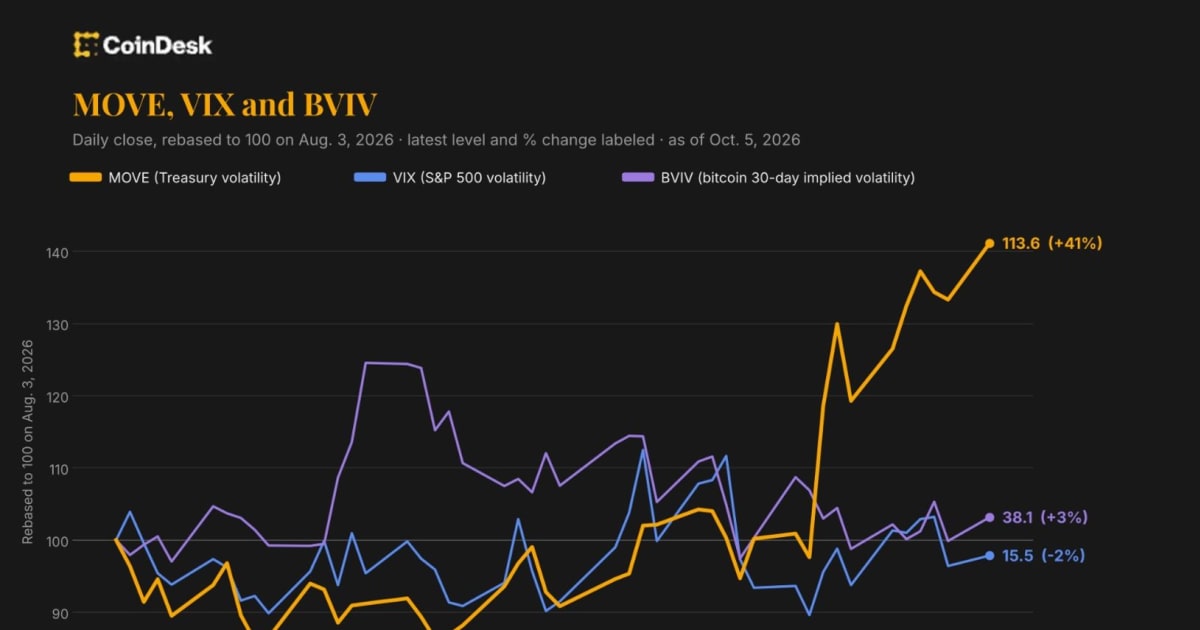
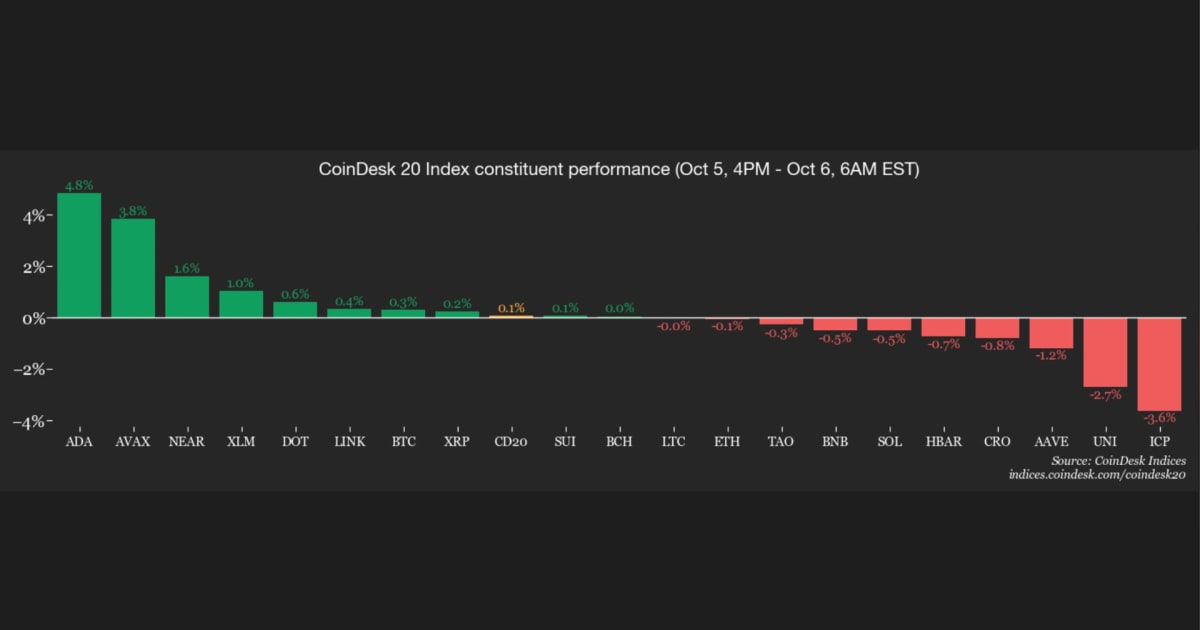
The global financial landscape presents a fascinating paradox. Traditional equity markets, from Wall Street to Dalal Street, are not just performing well; they are consistently notching new all-time highs, propelled by robust corporate earnings, easing inflation concerns, and the promise of future rate cuts. Yet, in stark contrast, Bitcoin (BTC) and the wider cryptocurrency complex remain stubbornly range-bound, failing to capture the same upward momentum. This pronounced divergence, a key focus for WelthWest Research Desk, is more than a mere market anomaly; it signals a significant 'risk-off' sentiment specifically for digital assets, with tangible implications for Indian investors and the domestic stock market.
The current scenario, where the S&P 500 and Nifty 50 ascend to unprecedented valuations while Bitcoin struggles to break out of a well-defined trading channel, suggests a critical lack of fresh institutional and significant retail capital flowing into the crypto space. Investors, it appears, are choosing established equity plays over the volatile, albeit high-potential, digital asset arena. This matters now because the persistent stagnation in crypto, even amidst a buoyant broader market, risks investor fatigue and potential outflows, while regulatory uncertainties, particularly in India, continue to cast a long shadow over the sector's growth prospects.
Why is Crypto Stalling When Everything Else Soars?
To understand the current crypto lethargy, we must look beyond superficial price movements. The global equity rally is underpinned by strong macroeconomic fundamentals and a clear path for corporate profit growth. Companies like NVIDIA (NVDA) have seen their market capitalization surge past $3 trillion, reflecting investor confidence in tangible innovation and predictable revenue streams. In contrast, the crypto narrative, while still compelling for long-term believers, lacks a clear, immediate catalyst for broader adoption or a fresh injection of liquidity that would typically accompany such a bullish equity environment.
Historical parallels offer valuable context. During the mid-2021 to early 2022 period, when global liquidity was abundant and risk appetite was at its peak, both equities and crypto ascended in tandem. Bitcoin's market capitalization briefly touched over $1.2 trillion, reflecting widespread speculative interest. Today, while global liquidity remains robust, it appears to be selectively deployed. The 'flight to quality' within traditional equities, prioritizing companies with strong balance sheets and consistent dividends, is not mirroring a similar rotation into crypto. Instead, the narrative for digital assets seems stuck between regulatory ambiguity, particularly in major economies, and the absence of truly transformative, widely adopted use cases beyond speculative trading.
Deep Market Impact Analysis: Connecting Crypto's Lag to Indian Equities
The direct impact of Bitcoin's range-bound movement on India's traditional equity sectors, such as banking (e.g., HDFC Bank, ICICI Bank) or manufacturing (e.g., Reliance Industries), is generally limited. These sectors derive their value from domestic economic growth, consumption patterns, and government policies, rather than global crypto sentiment. However, the indirect effects are more nuanced and deserve careful consideration, especially for Indian investors with diversified portfolios and for technology companies operating in the digital finance space.
Firstly, for Indian investors holding cryptocurrencies, the prolonged consolidation translates directly into opportunity cost. Capital locked in stagnant digital assets could otherwise be deployed in high-performing Indian equities or other traditional asset classes yielding superior returns. This can lead to investor fatigue, potentially prompting a re-evaluation of portfolio allocations and a shift of capital away from crypto.
Secondly, the subdued crypto sentiment can dampen enthusiasm for blockchain technology companies, particularly those whose business models are heavily intertwined with crypto market cycles. While the underlying blockchain technology has immense potential, its perceived value often correlates with the performance of its most visible application: cryptocurrencies. A lack of speculative fervor in crypto can slow down investment in blockchain startups, including those in India.
Consider the broader tech sector in India. Companies like Tata Consultancy Services (TCS) or Infosys (INFY) are exploring blockchain solutions for enterprise clients, but their revenue streams are largely decoupled from Bitcoin's daily price action. However, smaller, more niche Indian tech firms specializing in Web3 development, decentralized finance (DeFi) solutions, or crypto infrastructure could face headwinds. Funding rounds might become more challenging, and client adoption slower if the broader crypto narrative remains muted.
The regulatory environment in India remains a perpetual wildcard. The Reserve Bank of India (RBI) has historically expressed strong reservations about cryptocurrencies, citing concerns about financial stability and money laundering. While a complete ban seems less likely now, a restrictive framework could severely limit the growth of crypto-related businesses within India, irrespective of global market conditions. This regulatory uncertainty inherently acts as a 'risk premium' for any Indian entity or investor engaging with digital assets.
Which Indian Stocks Feel the Ripple Effect of Crypto's Stagnation?
While no direct, publicly traded 'crypto mining' or 'pure-play crypto exchange' stock exists on the NSE or BSE, the indirect impact is felt through various channels:
- IT Services & Blockchain Development Firms: Companies like Persistent Systems (PERSISTENT) and Mphasis (MPHASIS), which have robust digital transformation practices, including blockchain and Web3 services, could see a slowdown in new project acquisition or reduced client budgets for crypto-adjacent initiatives. While their core business remains strong, a prolonged crypto winter could temper the growth trajectory of their blockchain divisions. For instance, if a significant portion of their innovation budget is allocated to blockchain proof-of-concepts for financial institutions, a 'risk-off' crypto sentiment might delay these projects.
- Payment Gateway & Fintech Innovators: Firms such as Paytm (PAYTM) or Policybazaar (PBFIN), while not directly involved in crypto trading, operate in the broader digital payments and financial technology space. A general 'risk-off' sentiment in digital assets could indirectly affect investor appetite for innovative, high-growth fintech companies, especially if they are perceived to be exploring more speculative ventures. However, their primary revenue drivers are domestic transactions and insurance, providing a strong buffer.
- NBFCs & Wealth Management Platforms: Non-Banking Financial Companies (NBFCs) and wealth management platforms, including entities like Bajaj Finance (BAJFINANCE) or emerging digital wealth managers, might observe shifts in client asset allocation. If retail investors perceive crypto as a less attractive investment, they might reallocate funds towards traditional instruments offered by these financial service providers. Conversely, a prolonged crypto downturn could lead to capital preservation strategies, potentially impacting fee-based income from advisory services for speculative assets.
- Companies with Indirect Tech Exposure: Even large conglomerates like Reliance Industries (RELIANCE), through their digital arm Jio Platforms, could be indirectly affected. While Reliance's core business is energy, retail, and telecom, its ambitious digital ventures could explore blockchain applications. A subdued crypto market might influence the pace or scale of such explorations, though the impact on its overall revenue and profitability would be negligible given its diversified portfolio.
Globally, companies like Coinbase Global (COIN), a leading crypto exchange, and MicroStrategy (MSTR), a software firm with substantial Bitcoin treasury holdings, are direct proxies for crypto market sentiment. COIN's revenue is directly tied to trading volumes, which suffer during range-bound periods. MSTR's stock price often mirrors BTC's performance, given its balance sheet exposure to over 200,000 Bitcoins. While these are not Indian stocks, their performance offers a global barometer that influences investor perception of the sector, indirectly affecting Indian investor sentiment towards crypto-related ventures.
Expert Perspective: Bulls vs. Bears on Bitcoin's Stagnation
The current crypto market behavior elicits diverse opinions among financial experts:
The Bears' Argument: "Bitcoin's inability to rally amidst record equity highs is a red flag. It indicates that the 'smart money' is not rotating into crypto, viewing it as a speculative asset rather than a hedge or a growth play. The lack of fresh capital inflow, coupled with persistent regulatory ambiguity in key markets like India, suggests a prolonged period of consolidation or even a potential downside. Investor fatigue is real, and capital will seek returns elsewhere. Expect further sideways movement, potentially testing lower support levels, as liquidity remains focused on traditional, less volatile assets."
The Bulls' Argument: "This consolidation is healthy and necessary after significant gains earlier in the year. Bitcoin is simply digesting its previous rallies, building a stronger base for the next leg up. The institutional infrastructure, including Bitcoin ETFs, is still nascent, and adoption takes time. The current 'risk-off' sentiment is temporary; once macro conditions shift, or a clear regulatory framework emerges, especially in a market as crucial as India, fresh capital will flood back in. This period offers an excellent accumulation opportunity for long-term holders, as the underlying technology and scarcity narrative remain intact. The divergence from equities simply shows crypto's unique market dynamics, not a fundamental flaw."
WelthWest Research believes both perspectives hold merit. The current environment is indeed a test of conviction for crypto investors. The absence of a definitive catalyst, combined with a strong traditional market, creates a challenging environment for digital assets to outperform.
Actionable Investor Playbook for Indian Investors
Given the current market dynamics, Indian investors need a strategic approach to navigate the crypto landscape and its indirect impact on domestic equities:
- For Existing Crypto Holders: Re-evaluate your risk exposure. If Bitcoin's range-bound movement causes significant opportunity cost compared to your equity portfolio, consider trimming speculative positions. However, for long-term conviction, this period could be an accumulation phase using a rupee-cost averaging strategy. Set clear price targets for both entry and exit.
- For New Crypto Entrants: Exercise extreme caution. Avoid chasing 'pump and dump' narratives. Focus on established assets like Bitcoin and Ethereum, understanding their underlying technology and long-term potential. Start with a small, manageable allocation (e.g., 1-2% of your portfolio) that you are comfortable losing.
- For Equity Investors (Direct Impact): Watch tech companies with explicit blockchain or Web3 initiatives. While their core business may be stable, a sustained crypto downturn could affect investor sentiment towards their innovative ventures. Look for clear revenue generation from these initiatives, not just R&D spend.
- For Equity Investors (Indirect Impact): The 'risk-off' sentiment in crypto might mean continued strong performance for quality Indian equities with robust fundamentals. Focus on sectors benefiting from domestic consumption, infrastructure spending, and stable earnings growth. Consider large-cap IT services firms that are diversified beyond pure blockchain plays.
- Watch List: Keep a close eye on regulatory developments in India. Any clarity on taxation or legal status for cryptocurrencies could be a significant catalyst, either positive or negative, for the domestic crypto ecosystem and related tech companies.
Time Horizons: For crypto, a long-term horizon (3-5+ years) is advisable given its inherent volatility. For Indian equities, a medium-to-long-term view (1-3+ years) is generally prudent, focusing on compounding returns from fundamentally strong companies.
Risk Matrix: Navigating the Uncertain Terrain
- Regulatory Clampdown in India (High Probability, High Impact): The Indian government's stance on crypto remains fluid. A sudden, restrictive regulatory framework could severely impede crypto-related businesses and investor participation, leading to significant capital outflows from the Indian crypto ecosystem. Probability: 60%. Impact: High.
- Global Macroeconomic Headwinds (Medium Probability, High Impact): An unexpected global recession or a sharp rise in interest rates could trigger a broader 'risk-off' sentiment across all asset classes, including equities and crypto. This would likely exacerbate Bitcoin's current stagnation and potentially lead to further downside. Probability: 40%. Impact: High.
- Prolonged Investor Fatigue & Outflows (High Probability, Medium Impact): If Bitcoin remains range-bound for an extended period (e.g., another 6-12 months), retail and even some institutional investors might lose patience, leading to gradual but persistent outflows. This could prevent any significant upward movement even with minor positive catalysts. Probability: 70%. Impact: Medium.
- Major Security Breach or Exchange Failure (Low Probability, High Impact): While less likely for major players, a significant hack or failure of a prominent crypto exchange could severely damage investor confidence across the entire ecosystem, leading to a sharp market correction. Probability: 10%. Impact: High.
What to Watch Next: Catalysts for Change
The following events and data releases will be critical in determining the next phase for Bitcoin and the broader crypto market, with indirect implications for Indian investors:
- US Federal Reserve's Interest Rate Decisions (Ongoing): Future rate cuts or even clearer forward guidance from the Fed could inject liquidity into the market, potentially boosting risk appetite for assets like crypto. The next FOMC meeting minutes and subsequent rate announcements are crucial.
- Indian Regulatory Clarity (No Fixed Date): Any official announcement from the Indian government or RBI regarding the legal status, taxation, or operational framework for cryptocurrencies will be a monumental event for the domestic market. Watch for parliamentary sessions or official circulars.
- Bitcoin Halving Cycle Effects (Next Halving ~2028): While the most recent halving occurred in April 2024, its full effects on supply dynamics and price appreciation typically unfold over 12-18 months. Continued monitoring of on-chain metrics and miner behavior is essential.
- Institutional Adoption Metrics (Ongoing): Track inflows into global Bitcoin ETFs (e.g., BlackRock's IBIT, Fidelity's FBTC). Sustained, significant inflows would signal growing institutional interest and could act as a major catalyst for price appreciation.
- Major Technological Upgrades/Developments (Ongoing): Significant advancements in Ethereum's scaling solutions (e.g., Dencun upgrade aftermath, future upgrades) or other Layer 1 blockchains could drive renewed interest in the underlying technology and ecosystem, potentially lifting the entire crypto market.
WelthWest Research Desk will continue to monitor these developments closely, providing timely, data-driven analysis to help our readers navigate the complex interplay between traditional finance and the evolving digital asset landscape.
See COIN's AI Score
Our algorithmic screener scores COIN on fundamentals, momentum, and risk — free to try, no card needed.
Try the AI Screener →Have questions about this story?
Ask Welth, our finance-focused AI research assistant, for a deeper breakdown — free trial included.
Chat with Welth AI →Disclaimer: This content is generated by WelthWest Research Desk based on publicly available reports and is for informational purposes only. It does not constitute financial advice, investment recommendations, or an offer to buy or sell securities. Always consult a qualified financial advisor before making investment decisions.