Key Takeaway
Bitcoin's dramatic ascent against a backdrop of declining equities and soaring US Treasury yields signals a seismic shift in investor sentiment, presenting both opportunities and considerable risks for the Indian stock market. This divergence demands a strategic re-evaluation of asset allocation, particularly concerning traditional risk assets and emerging market debt.
In a move defying conventional market correlations, Bitcoin has surged towards $79,000 while global stock markets falter and US Treasury yields climb. This analysis delves into the intricate interplay of these forces, examining their implications for Indian equities, Foreign Institutional Investor (FII) flows, and the Indian Rupee. We dissect the potential impact on specific NSE/BSE listed companies and offer actionable strategies for navigating this complex financial landscape.
Bitcoin's Ascent Amidst Market Tumult: A New Safe Haven or Speculative Frenzy?
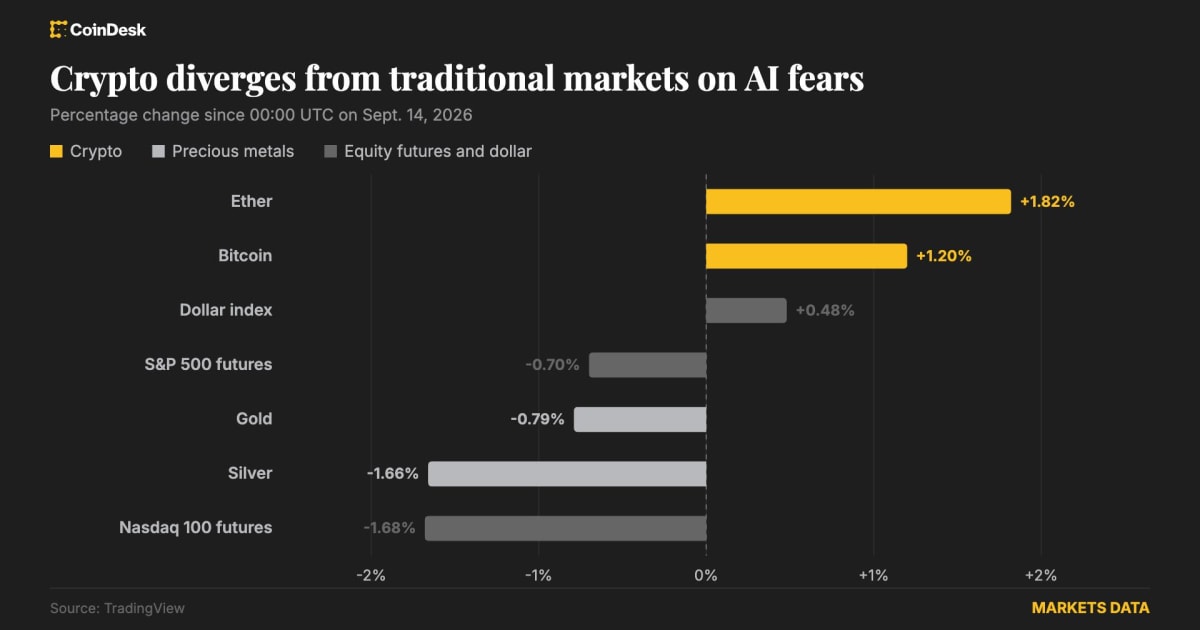
The global financial markets are currently witnessing a fascinating and potentially destabilizing phenomenon: Bitcoin, the flagship cryptocurrency, is experiencing a meteoric rise, approaching the $79,000 mark. This surge is occurring concurrently with a broad-based decline in global equities and a significant uptick in US Treasury yields, a combination that typically signals a risk-off environment. This unusual juxtaposition of asset performance is prompting intense scrutiny from investors worldwide, particularly those with exposure to emerging markets like India, where capital flows and risk appetite are highly sensitive to global macroeconomic shifts.
Historically, Bitcoin has been viewed with skepticism, often dismissed as a purely speculative asset with no intrinsic value. However, its recent performance, particularly its ability to appreciate while traditional safe-haven assets like gold have also shown strength and while riskier assets like equities have faltered, suggests a potential evolution in its perceived role. Investors are increasingly asking whether Bitcoin is morphing into a digital gold, a hedge against inflation and geopolitical uncertainty, or if this rally is merely a temporary speculative bubble fueled by ample liquidity and a thirst for high returns in an otherwise uncertain economic climate. The implications for global capital allocation are profound, as a sustained shift towards digital assets could divert significant funds away from traditional markets, including the vibrant Indian stock market.
Why This Divergence Matters Now: Decoding the Signals
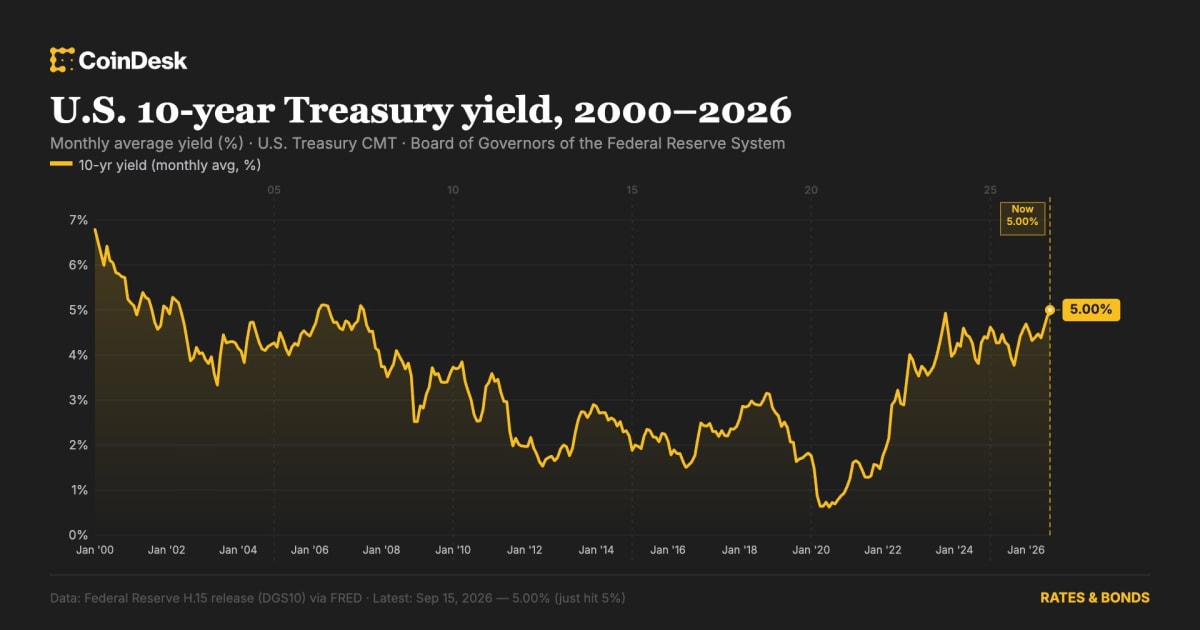
The simultaneous surge in Bitcoin and rise in US Treasury yields, coupled with equity market declines, is a critical juncture for financial strategists. US Treasury yields, particularly the benchmark 10-year Treasury, have been on an upward trajectory, reflecting expectations of sustained inflation or a slower-than-anticipated pivot from hawkish monetary policy by the US Federal Reserve. Higher yields on US debt make these instruments more attractive to global investors, increasing the cost of capital and potentially drawing funds away from riskier emerging market assets. For India, this typically translates into reduced Foreign Institutional Investor (FII) inflows, pressure on the Indian Rupee, and a general dampening of sentiment in the domestic equity market.
The peculiar correlation observed this week, where Bitcoin thrives while equities languish and bond yields climb, challenges established market paradigms. If Bitcoin is indeed acting as a digital safe haven, it suggests a growing distrust in traditional financial systems or a belief that central bank policies are inherently inflationary. Alternatively, the rally could be driven by a cohort of younger, tech-savvy investors who are more comfortable with digital assets and perceive them as the future of finance, irrespective of broader economic conditions. This narrative of 'digital gold' is gaining traction, but it's crucial to differentiate between genuine diversification benefits and speculative exuberance. The speed and magnitude of Bitcoin's recent gains, especially in the face of rising borrowing costs globally, warrant a deep dive into the underlying drivers and their potential ripple effects on economies like India.
Deep Market Impact Analysis: The Indian Equity Landscape in the Crosshairs
The current global market dynamics present a complex scenario for Indian equities. A sustained rise in US Treasury yields typically exerts downward pressure on emerging market currencies and equity valuations. When US bonds offer higher guaranteed returns with lower perceived risk, they become a more attractive alternative to the higher-risk, higher-return profile of Indian stocks. This can lead to FIIs reallocating their capital from Indian equities and debt towards US Treasuries, a trend that has historically correlated with significant corrections in the Indian market.
Consider the historical precedent: during periods of aggressive Fed tightening in 2022, US Treasury yields climbed sharply, leading to substantial outflows from Indian equities. The Nifty 50, for instance, saw a correction of over 15% from its peak in late 2021 to its lows in mid-2022, partly attributed to these global yield-driven outflows. The current situation, while featuring a unique Bitcoin element, shares the underlying pressure of rising US borrowing costs. If this trend continues, we could see a similar pattern emerge, with FIIs reducing their exposure to Indian equities. The Indian Rupee, already facing headwinds from a widening trade deficit, could also come under further pressure as dollar demand increases due to capital outflows.
The sentiment shift is palpable. While the traditional market narrative points to a bearish outlook for equities due to rising yields and potential recession fears, the bullish sentiment surrounding Bitcoin suggests a bifurcation in investor confidence. Those who believe in the long-term value proposition of digital assets are likely to remain invested or even increase their allocations, while those focused on traditional asset classes might adopt a more cautious stance. This divergence creates a challenging environment for portfolio managers, who must balance the potential upside of a recovering equity market against the immediate pressures of rising global interest rates and the allure of a surging, albeit volatile, cryptocurrency market.
The Crypto Sector's Rise: A Direct Contradiction to Traditional Assets
The cryptocurrency sector, in stark contrast to the broader equity market, is experiencing an unprecedented surge. Bitcoin's proximity to $79,000 is not just a headline figure; it represents a significant increase in market capitalization for the entire digital asset space. This rally is drawing renewed attention to cryptocurrency exchanges and related businesses. Companies that facilitate the buying, selling, and holding of cryptocurrencies are direct beneficiaries of increased trading volumes and investor interest. The underlying technology and infrastructure supporting these digital assets are also seeing heightened demand, signaling a potential boom for companies involved in blockchain development, decentralized finance (DeFi), and crypto mining operations.
The impact on Indian crypto-related businesses, while still nascent compared to global markets, is significant. Exchanges like WazirX, CoinDCX, and ZebPay, even amidst regulatory uncertainties, are likely to see a substantial uptick in user registrations and trading activity. Their revenue streams, often derived from transaction fees, would directly benefit from higher trading volumes. However, the regulatory landscape in India remains a critical factor. While the government has imposed taxes on crypto transactions, a clear regulatory framework that fosters innovation while mitigating risks is still evolving. This uncertainty, coupled with the inherent volatility of cryptocurrencies, means that while the sector might be booming, it operates under a cloud of potential regulatory interventions.
The broader implication for the Indian financial ecosystem is the growing debate around digital asset inclusion. As Bitcoin and other cryptocurrencies gain mainstream acceptance and demonstrate uncorrelated or positively correlated returns during specific market phases, the pressure mounts on traditional financial institutions to offer crypto-related products and services. This could lead to a significant disruption in how wealth is managed and invested in India, potentially impacting traditional asset management firms and financial advisors.
Stock-by-Stock Breakdown: Navigating the Ripple Effects on Indian Bourses
The global market tremors and the Bitcoin surge have direct and indirect consequences for specific Indian listed companies. While India does not have direct publicly traded cryptocurrency issuers in the same vein as some Western markets, several listed entities are indirectly exposed to the cryptocurrency ecosystem or are impacted by the broader capital flow dynamics.
- WazirX (Unlisted, but a key player): Although not publicly listed on NSE/BSE, WazirX, owned by Binance, is a dominant player in the Indian crypto exchange market. Its performance is intrinsically linked to the success and adoption of cryptocurrencies in India. Increased trading volumes during Bitcoin's rally would directly translate to higher revenue for the exchange through transaction fees. The company's valuation, if it were to go public, would likely see a significant uplift.
- CoinDCX (Unlisted, but a key player): Similar to WazirX, CoinDCX is a leading Indian crypto exchange that has raised significant venture capital. Its fortunes are tied to the retail and institutional adoption of digital assets. A sustained bull run in Bitcoin would undoubtedly boost its user base, transaction volumes, and overall business prospects. Its potential IPO aspirations would be significantly influenced by such market conditions.
- ZebPay (Unlisted, but a key player): Another prominent Indian crypto exchange, ZebPay, would also experience a similar boost in activity and revenue during periods of high crypto market enthusiasm. The increased demand for buying and selling Bitcoin and other altcoins directly fuels their operational growth.
Beyond direct crypto players, the impact extends to technology and financial services companies:
- TCS (Tata Consultancy Services) & Infosys: These IT giants have been exploring blockchain technology and its applications. While not directly investing in cryptocurrencies, they stand to benefit from increased demand for blockchain development services from financial institutions looking to integrate digital assets or explore their potential. Their involvement in developing secure and scalable blockchain solutions for various industries positions them to capture growth in this emerging tech space.
- Reliance Industries (RIL): While RIL's core businesses are diverse, the conglomerate has shown an interest in new-age technologies. Any significant shift towards digital assets or blockchain could see RIL exploring strategic investments or partnerships that leverage its extensive digital infrastructure and reach.
- Financial Institutions (Banks & NBFCs): Traditional banks and Non-Banking Financial Companies (NBFCs) face a dual impact. On one hand, a sustained rise in US yields could lead to increased borrowing costs and potentially slower loan growth in India, impacting their profitability. On the other hand, if regulatory frameworks become more conducive, some institutions might explore offering custody services or investment products related to digital assets, opening new revenue streams. However, the current regulatory ambiguity in India presents a barrier to such initiatives.
Sector-Level Impact: A Tale of Two Markets
The cryptocurrency sector is unequivocally bullish. The surge in Bitcoin's price is a direct indicator of positive sentiment, increased investor participation, and potentially growing institutional adoption. This bullishness is characterized by rising trading volumes, increased inflows into crypto funds, and renewed interest in the underlying blockchain technology. The narrative is one of innovation, decentralization, and a potential hedge against traditional financial system vulnerabilities.
Conversely, the broader equity market sentiment, especially for riskier assets, leans bearish. The concurrent rise in US Treasury yields is a significant headwind. Higher yields increase the opportunity cost of holding equities, particularly growth stocks that rely on future earnings. Investors are likely to demand higher risk premiums for holding stocks, leading to lower valuations. Furthermore, concerns about inflation and potential economic slowdowns fueled by higher interest rates contribute to a cautious outlook. This bearish sentiment is characterized by outflows from equity funds, increased volatility, and a preference for defensive sectors or assets perceived as safer.
Expert Perspective: Bulls vs. Bears on Bitcoin's Rise and Equity's Fall
The current market dichotomy has ignited a fierce debate among financial experts, with bulls and bears offering sharply contrasting interpretations. The bullish camp, often referred to as 'Bitcoin maximalists' or proponents of digital transformation, argues that Bitcoin's surge is a testament to its growing acceptance as a legitimate asset class, often dubbed 'digital gold.' They point to its scarcity (limited supply of 21 million coins), its decentralized nature, and its potential to act as a hedge against inflation and currency debasement. For them, the rising US Treasury yields are a temporary blip in a long-term trend of monetary expansion, and Bitcoin's uncorrelated or positively correlated performance during such times validates its safe-haven appeal. They believe this trend will continue, drawing capital away from traditional assets and ushering in a new era of finance.
In contrast, the bearish camp, primarily comprising traditional financial analysts and economists, views Bitcoin's rally with deep skepticism. They attribute the surge to speculative mania, fueled by easy liquidity and a 'fear of missing out' (FOMO). Their argument is that Bitcoin lacks intrinsic value, its price is driven by sentiment and market manipulation, and its volatility makes it an unsuitable safe haven. They highlight the sharp increase in US Treasury yields as a clear signal of a tightening monetary environment, which historically spells trouble for highly speculative assets like cryptocurrencies. Bears predict a significant correction for Bitcoin, drawing parallels to previous boom-and-bust cycles, and believe that investors will eventually return to traditional assets like equities and bonds as yields stabilize or decline. They also emphasize the persistent regulatory risks that could curb crypto's growth at any moment.
A more nuanced perspective acknowledges the potential for both narratives. It's possible that Bitcoin is simultaneously acting as a speculative vehicle for some investors and a nascent safe haven for others. The key question is the sustainability of these trends. Will the rising yields eventually choke off liquidity for speculative assets like Bitcoin, or will Bitcoin's unique characteristics allow it to decouple from traditional risk assets? The impact on India will depend on which narrative gains dominance globally and how quickly regulatory clarity emerges for digital assets within the country.
Actionable Investor Playbook: Navigating the Crosscurrents
For investors in the Indian market, this period demands a strategic recalibration. The current environment is not for the faint of heart, and a clear, data-driven approach is essential.
What to Buy/Sell/Watch:
- Consider Reducing Exposure to High-Beta Equities: Given the bearish sentiment towards equities and rising US yields, it might be prudent to reduce allocations to highly cyclical or high-beta stocks that are sensitive to economic downturns. These are the stocks most likely to suffer from FII outflows and a general risk-off sentiment.
- Explore Defensive Sectors: Sectors like FMCG (Fast-Moving Consumer Goods), pharmaceuticals, and utilities often perform relatively better during economic uncertainty and periods of rising interest rates due to their stable demand. Consider building positions in fundamentally strong companies within these sectors.
- Monitor Gold: As a traditional safe-haven asset, gold has also shown strength. While Bitcoin is vying for this position, gold remains a time-tested hedge. A diversified approach that includes a modest allocation to gold could be beneficial.
- Cautious Approach to Cryptocurrencies: For investors considering cryptocurrency exposure, a highly cautious approach is advised. Treat it as a speculative investment with a high risk of loss. Only invest capital that you can afford to lose entirely.
- Watch FII Flows Closely: The direction and magnitude of FII flows into Indian equities and debt are critical indicators. A sustained outflow will likely lead to further downward pressure on the market.
- Observe Rupee Movement: A weakening Rupee can impact import costs and corporate earnings for companies with significant foreign currency debt. Monitor its trajectory closely.
Entry Points and Time Horizons:
- Equities: For defensive sectors, consider building positions gradually over the next 3-6 months, looking for dips as entry points. The time horizon for these investments should be medium to long-term (1-3 years).
- Cryptocurrencies: Given the extreme volatility and speculative nature, short-term trading is highly risky. If considering long-term investment, dollar-cost averaging into Bitcoin or Ethereum, with a very long time horizon (5+ years) and strict stop-losses, might be a strategy, but it's not for the risk-averse.
Ultimately, the current market scenario emphasizes the importance of diversification and risk management. A portfolio heavily weighted towards traditional risk assets may face significant headwinds, while a purely speculative approach to digital assets carries immense risk.
Risk Matrix: Quantifying the Uncertainties
The confluence of these market events presents several significant risks that investors must consider:
- Sustained High US Treasury Yields (Probability: Medium-High): If inflation proves persistent or the Federal Reserve maintains a hawkish stance for longer than anticipated, US Treasury yields could continue to climb. This would intensify pressure on emerging market equities and currencies, potentially leading to further FII outflows from India and a stronger dollar. The probability is elevated given current inflation readings and Fed commentary.
- Regulatory Clampdown on Cryptocurrencies (Probability: Medium): Governments worldwide, including India, are grappling with how to regulate the burgeoning crypto market. A sudden, stringent regulatory crackdown or outright ban in major economies could trigger a sharp sell-off in Bitcoin and other digital assets, with ripple effects on companies exposed to the sector. The probability is moderate due to ongoing global discussions and differing national approaches.
- Correlation Breakdown and Volatility Spillover (Probability: Medium): While Bitcoin has shown some decoupling, its long-term correlation with traditional markets remains volatile. A severe global economic shock or a systemic crisis in the traditional financial system could lead to a correlated sell-off across all asset classes, including Bitcoin, as investors rush to cash. Conversely, a sharp decline in Bitcoin could lead to forced selling in other assets as investors liquidate positions to meet margin calls. The probability is moderate, as interconnectedness in financial markets is high.
- Geopolitical Shocks (Probability: Low-Medium): Unforeseen geopolitical events can dramatically alter risk sentiment and capital flows, impacting both cryptocurrencies and traditional markets. While not directly tied to this specific Bitcoin rally, such events can act as a catalyst for significant market shifts.
What to Watch Next: Upcoming Catalysts and Data Releases
The trajectory of this complex market scenario will be shaped by several key upcoming events and data releases:
- US Inflation Data (CPI and PPI): Upcoming Consumer Price Index (CPI) and Producer Price Index (PPI) reports from the US will be critical in determining the Fed's future monetary policy stance. Higher-than-expected inflation figures could push yields higher, while lower figures might signal a potential Fed pivot, easing pressure on risk assets.
- Federal Reserve Statements and Meeting Minutes: Speeches by Fed officials and the minutes from their policy meetings will provide insights into their assessment of the economy and their forward guidance on interest rates. Any hints of a shift in policy will be closely watched.
- Indian Economic Data: Key Indian economic indicators such as GDP growth, inflation rates, and trade balance figures will influence FII sentiment and the RBI's policy decisions.
- Cryptocurrency Regulatory Updates: Any official statements or policy announcements regarding cryptocurrency regulation from major global economies or from India will be a significant catalyst for the crypto market.
- FII Investment Data: Weekly and monthly data on FII inflows into Indian equities and debt will be a direct gauge of global investor appetite for Indian assets.
Navigating this period requires vigilance, a deep understanding of global macroeconomic forces, and a disciplined approach to portfolio management. The dance between Bitcoin's ascent, equity market declines, and rising yields is far from over, and its impact on the Indian investment landscape will continue to unfold.
See WazirX's AI Score
Our algorithmic screener scores WazirX on fundamentals, momentum, and risk — free to try, no card needed.
Try the AI Screener →Have questions about this story?
Ask Welth, our finance-focused AI research assistant, for a deeper breakdown — free trial included.
Chat with Welth AI →Disclaimer: This content is generated by WelthWest Research Desk based on publicly available reports and is for informational purposes only. It does not constitute financial advice, investment recommendations, or an offer to buy or sell securities. Always consult a qualified financial advisor before making investment decisions.