Key Takeaway
Bitcoin's ascent above $72,000, fueled by institutional adoption, marks a pivotal moment for digital assets. While direct Indian market exposure is limited, its global influence on risk appetite, FII flows, and blockchain innovation demands strategic consideration from domestic investors.
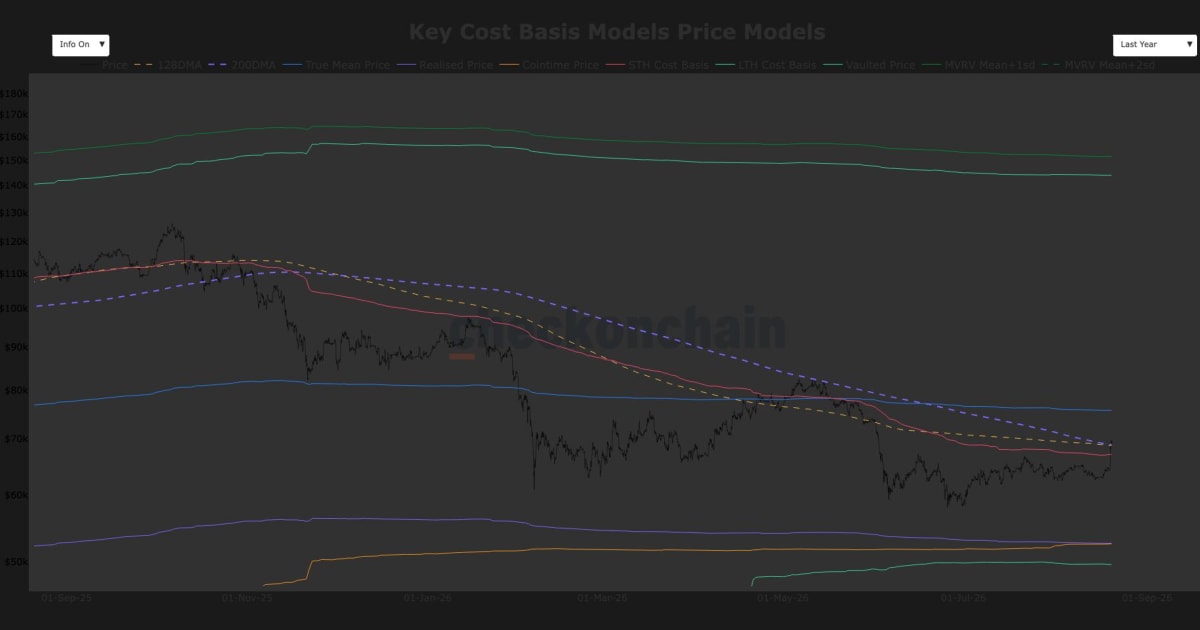
Bitcoin has shattered previous price ceilings, surging past $72,000, driven by unprecedented institutional interest and the success of spot Bitcoin ETFs. This deep dive by WelthWest Research Desk explores the intricate global market dynamics, the surprisingly nuanced indirect impact on the Indian financial landscape, and provides an actionable investor playbook for navigating this new era of digital asset integration.
Bitcoin's Ascent: Institutional Tsunami Drives Price Past $72,000
The cryptocurrency market is experiencing a seismic shift, with Bitcoin, the world's largest digital asset, rocketing past the formidable $72,000 mark. This isn't merely another speculative spike; it represents a profound validation of digital assets by the traditional financial establishment. The catalyst? A relentless wave of institutional capital, primarily funneled through the newly launched spot Bitcoin Exchange-Traded Funds (ETFs) in the United States. These ETFs have democratized access for large-scale investors, enabling pension funds, endowments, and wealth managers to gain exposure to Bitcoin without the complexities of direct ownership. This influx has not only propelled Bitcoin's price but has also ignited a broader rally across crypto-linked equities, signaling a sustained bullish sentiment that transcends retail speculation.
What makes this particular surge uniquely significant is its underlying driver. Unlike previous cycles often characterized by retail-driven FOMO (Fear Of Missing Out), the current rally is underpinned by regulated financial products and sophisticated institutional due diligence. This fundamental shift implies a longer-term integration of digital assets into global investment portfolios, moving Bitcoin from the fringes of alternative investments to a more mainstream allocation consideration. For Indian investors, while direct participation in global crypto assets faces regulatory hurdles, understanding these macro shifts is crucial. Global risk appetite, influenced heavily by such significant market movements, directly impacts Foreign Institutional Investor (FII) flows into emerging markets like India, potentially affecting the liquidity and valuation of domestic equities, particularly in growth sectors.
How Does Bitcoin's Global Rally Indirectly Affect Indian Stocks and FII Flows?
The immediate instinct might be to dismiss Bitcoin's surge as irrelevant to the Indian equity market, given the Reserve Bank of India's (RBI) cautious stance and the absence of regulated crypto products within India. However, this perspective overlooks the intricate global financial interdependencies. When global sentiment towards risk assets turns bullish, as it has with Bitcoin, it often translates into increased appetite for growth-oriented emerging markets. FIIs, managing multi-asset portfolios, tend to reallocate capital, seeking higher returns in regions perceived to have strong growth potential.
Historically, periods of heightened global risk appetite, often coinciding with rallies in innovative asset classes, have seen robust FII inflows into India. For instance, during the tech-led global bull run of late 2020 to early 2021, which also saw significant crypto gains, FIIs poured billions into Indian equities, contributing to the Nifty 50's impressive ascent. While a direct correlation is difficult to quantify precisely, a sustained crypto bull market signals a broader 'risk-on' environment. This translates to a stronger dollar, which can sometimes be a headwind, but more importantly, it indicates investor confidence in future growth and innovation. This confidence can attract capital to Indian IT services, fintech, and even some manufacturing sectors that are seen as beneficiaries of global economic expansion.
Furthermore, the underlying technology of Bitcoin – blockchain – holds immense promise for Indian tech companies. As global blockchain adoption accelerates, Indian IT giants are increasingly positioning themselves to offer services in this domain. While not directly tied to Bitcoin's price, the mainstreaming of crypto validates the underlying technology, potentially accelerating enterprise blockchain adoption and creating new revenue streams for Indian technology services providers.
Deep Market Impact Analysis: Unpacking the Nuances for India
The current Bitcoin rally, pushing its market capitalization well over $1.4 trillion, represents a significant reallocation of global capital. The sheer scale of this movement cannot be ignored, even by markets with limited direct exposure. The 'wealth effect' generated by crypto gains among global investors could indirectly boost demand for goods and services, some of which might originate from Indian exporters. More critically, the psychological impact on investors — seeing traditional finance giants like BlackRock and Fidelity actively participating in the crypto space — normalizes digital assets, making them a more accepted part of the global financial lexicon.
Which Indian Stocks Could See Indirect Ripples from the Crypto Bull Market?
While no Indian stock offers direct exposure to Bitcoin or crypto mining, several companies could experience indirect effects. These impacts are largely driven by global sentiment, FII flows, and the accelerating adoption of underlying blockchain technology. Investors seeking to capitalize on these indirect ripples should focus on sectors poised to benefit from increased global economic activity and technological innovation.
- Tata Consultancy Services (TCS.NS): As a global IT services behemoth, TCS is actively involved in blockchain solutions for enterprise clients across various industries, including banking, supply chain, and healthcare. While not directly correlated to Bitcoin's price, the broader validation of blockchain technology by the crypto rally could accelerate enterprise adoption, leading to increased demand for TCS's consulting and implementation services. Their blockchain and Web3 initiatives, though nascent in terms of revenue contribution, represent a strategic long-term play. Sector peers like Infosys (INFY.NS) and Wipro (WIPRO.NS) are similarly positioned, with dedicated blockchain practices aiming to capture this growing market.
- HDFC Bank (HDFCBANK.NS): India's largest private sector bank, along with other leading financial institutions, could see indirect benefits through increased FII inflows into the banking sector. A 'risk-on' global environment often translates to higher foreign investment in stable, well-managed Indian financial institutions, bolstering their capital base and potentially improving valuations. Furthermore, HDFC Bank, like many Indian banks, is exploring blockchain applications for interbank settlements, trade finance, and digital currencies (CBDCs) – initiatives that gain momentum as the underlying technology's credibility strengthens globally.
- Reliance Industries (RELIANCE.NS): While primarily known for energy and retail, Reliance's Jio Platforms is a significant player in India's digital transformation. Jio has explored blockchain applications for its vast consumer base, including digital identity and decentralized applications. A global embrace of Web3 technologies, fueled by crypto's rise, could accelerate Jio's strategic initiatives in this space, although the direct revenue impact remains speculative.
- Persistent Systems (PERSISTENT.NS): This mid-cap IT services firm has a strong focus on digital engineering and niche technology areas, including blockchain and Web3. Unlike the larger IT services players, Persistent Systems might have a more concentrated exposure to these emerging technologies, potentially benefiting disproportionately from increased enterprise spending on blockchain solutions. Their agility allows them to pivot quickly to capitalize on evolving tech trends.
Expert Perspective: Bulls vs. Bears on India's Crypto Connection
The narrative surrounding Bitcoin's impact on India is far from monolithic. Bulls argue that India, as a global technology hub and a magnet for FIIs, cannot remain insulated from such a monumental global financial shift. "The sheer volume of capital flowing into crypto globally will inevitably create a ripple effect," states a Mumbai-based fund manager. "Even if India doesn't directly embrace crypto today, the increased global liquidity and technological validation will find its way into Indian growth stocks, particularly those in the digital and innovation space. We saw this during the dot-com boom and the subsequent tech rallies; India always gets its share." They point to the growing number of Indian startups in the Web3 space, despite regulatory uncertainties, as a testament to underlying innovation that will eventually demand attention.
Conversely, bears emphasize the regulatory overhang and the RBI's consistent caution. "Until there's clear, favorable regulation, any talk of direct or even significant indirect impact on Indian listed equities from Bitcoin's price is premature and speculative," warns a veteran economist. "The Indian market has its own domestic drivers – corporate earnings, interest rate cycles, and government policies – which are far more influential than the gyrations of a volatile, unregulated global asset class for the average Indian investor. FII flows are complex and driven by a multitude of factors, not just global risk appetite for novel assets." They highlight the potential for capital flight if domestic crypto markets were to open without robust controls, posing systemic risks that the RBI is keen to avoid.
Actionable Investor Playbook: Navigating the Indirect Opportunity
For Indian investors, a pragmatic approach is key. While direct crypto investment remains contentious, strategic plays can be made by understanding the indirect linkages and positioning for long-term trends.
- Watch List – IT Services & Digital Innovators: Focus on large-cap IT service providers like TCS.NS and INFY.NS, and specialized mid-caps like PERSISTENT.NS. These companies are building capabilities in blockchain and Web3, and a sustained global crypto bull run validates their strategic direction. Entry points could be considered on market corrections, with a long-term horizon (3-5 years) to allow these nascent technologies to mature into significant revenue drivers.
- Monitor – Banking & Financials: Keep a close eye on FII flow data. Strong inflows into frontline banks like HDFCBANK.NS and ICICIBANK.NS could signal broader optimism, partly influenced by global sentiment. These are 'buy-on-dips' candidates, benefiting from overall economic growth and improved liquidity.
- Avoid – Speculative Direct Crypto Exposure: Given the regulatory ambiguity and extreme volatility, direct investment in cryptocurrencies for the average Indian investor carries disproportionate risk. Even if avenues exist, the lack of consumer protection and regulatory recourse makes it a highly speculative bet.
- Consider – Global Diversification (Indirectly): For those with access to global investment platforms, consider diversified global tech ETFs that might have exposure to companies like Coinbase (COIN) or MicroStrategy (MSTR) – firms directly benefiting from the crypto surge. This offers a regulated way to tap into the global crypto theme.
The time horizon for these indirect plays is medium to long-term. While FII flows can be immediate, the impact of blockchain adoption on Indian tech companies will manifest over several quarters or years. Investors should look for consistent revenue growth from new-age digital services and a healthy order book in the IT sector as indicators of success.
Risk Matrix: Navigating the Headwinds
Despite the bullish sentiment, significant risks persist, particularly for India's indirect exposure.
- Regulatory Crackdown in Major Economies (High Probability, High Impact): A sudden, stringent regulatory crackdown by a major global economy (e.g., the US, EU) on crypto assets could trigger a sharp market correction. This would dampen global risk appetite, leading to FII outflows from emerging markets, including India, and negatively impacting Indian equities.
- Persistent Indian Regulatory Uncertainty (Medium Probability, Medium Impact): While the current situation is stable, any renewed push for an outright ban or extremely restrictive measures in India could significantly deter innovation in the domestic blockchain space and potentially cause capital to seek more favorable jurisdictions. This would specifically affect Indian tech companies exploring Web3.
- High Volatility & Market Corrections (High Probability, Medium Impact): Bitcoin and the broader crypto market are inherently volatile. Sharp corrections, which are common, can quickly reverse global risk-on sentiment, leading to FII withdrawals and broad market weakness, even if not directly related to India's fundamentals.
- Macroeconomic Headwinds (Medium Probability, High Impact): Unforeseen global macroeconomic shocks, such as a severe recession or escalated geopolitical tensions, could override the positive sentiment from crypto, forcing a flight to safety and impacting all risk assets, including Indian equities.
What to Watch Next: Catalysts and Data Points
Several key indicators and events will shape the trajectory of this story:
- US Spot Bitcoin ETF Flows & Performance: Daily and weekly inflow data for US Bitcoin ETFs will be a critical gauge of sustained institutional interest. Significant outflows would signal a shift in sentiment.
- Global Regulatory Developments: Watch for legislative updates from major economies (EU's MiCA, new US bills) concerning crypto regulation. Harmonized, clear regulations would be a significant positive catalyst.
- Indian Government & RBI Statements: Any official pronouncements on crypto regulation in India will be closely scrutinized for signals of future policy direction. While unlikely to be immediate, long-term clarity is crucial.
- FII Flow Data into Indian Equities: Closely monitor monthly and quarterly FII investment data. A sustained increase, particularly in sectors like IT and financials, could indirectly reflect the global risk-on environment.
- Major Tech Company Earnings Calls: Listen for discussions on blockchain and Web3 adoption from leading global and Indian tech companies during their quarterly earnings calls. This will provide insights into enterprise spending trends.
The journey of Bitcoin past $72,000 is more than just a price milestone; it's a testament to a changing financial landscape. For Indian investors, while the path is indirect, understanding these global currents is paramount for making informed decisions and positioning portfolios for the future.
See No direct Indian stock names are significantly affected by this specific event, given current regulatory landscape and limited direct exposure.'s AI Score
Our algorithmic screener scores No direct Indian stock names are significantly affected by this specific event, given current regulatory landscape and limited direct exposure. on fundamentals, momentum, and risk — free to try, no card needed.
Try the AI Screener →Have questions about this story?
Ask Welth, our finance-focused AI research assistant, for a deeper breakdown — free trial included.
Chat with Welth AI →Disclaimer: This content is generated by WelthWest Research Desk based on publicly available reports and is for informational purposes only. It does not constitute financial advice, investment recommendations, or an offer to buy or sell securities. Always consult a qualified financial advisor before making investment decisions.