Key Takeaway
Bitcoin's ascent amidst altcoin outflows underscores its 'digital gold' narrative, indirectly influencing India's tech and financial landscape by shaping investor sentiment and potentially accelerating regulatory clarity for digital assets.
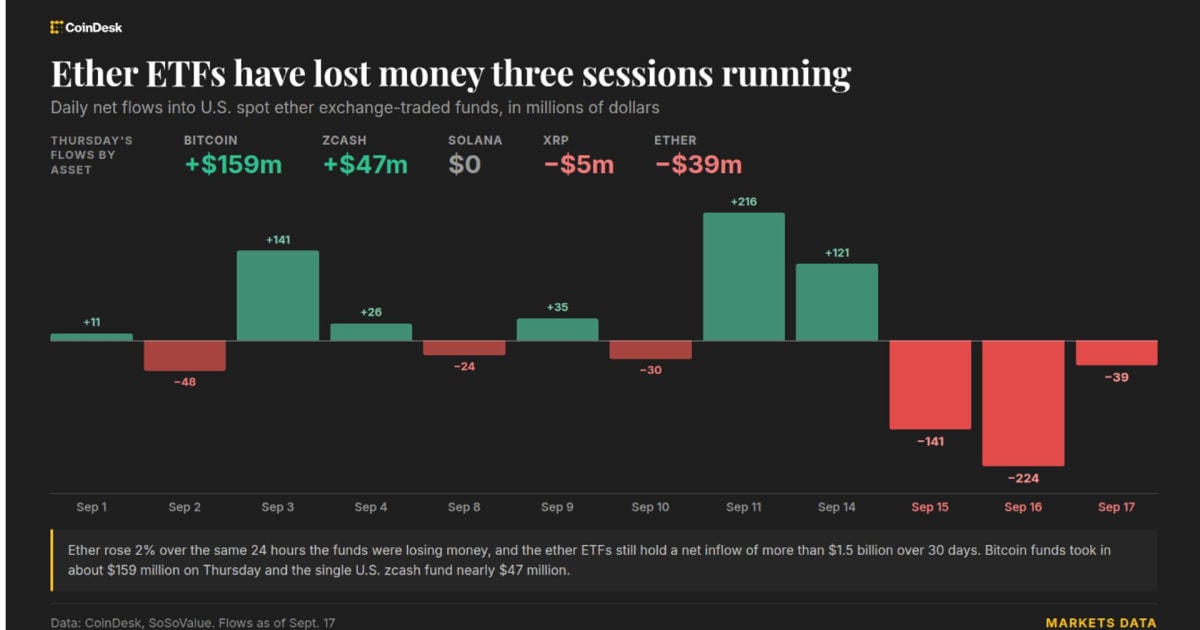
Bitcoin's price rocketed past $77,000, even as Ether and XRP ETFs saw outflows, signaling a potential 'flight to quality' within the cryptocurrency market. This deep dive examines the global crypto shift, its subtle yet significant indirect implications for the Indian stock market, and provides an actionable playbook for investors navigating this evolving digital frontier.
Bitcoin's Unstoppable Ascent: Decoding the Flight to Quality Amidst Altcoin Outflows
The cryptocurrency market recently witnessed a pivotal moment as Bitcoin (BTC) surged decisively past the $77,000 mark, achieving new all-time highs. This remarkable rally occurred precisely when several prominent altcoin exchange-traded funds (ETFs), specifically those tracking Ether (ETH) and XRP, experienced notable outflows. This divergence is not merely a statistical anomaly; it represents a profound shift in investor sentiment, potentially signaling a 'flight to quality' within the digital asset ecosystem. For the Indian investor, while direct exposure to crypto ETFs remains constrained by regulatory uncertainties, the global dynamics of this surge carry significant indirect implications, influencing technological adoption, investment sentiment, and the ongoing dialogue around digital asset regulation within the nation.
The 'why now' behind this phenomenon is multifaceted. Global macroeconomic uncertainties, coupled with the increasing institutional acceptance of Bitcoin as a legitimate asset class – evidenced by the success of spot Bitcoin ETFs in the US – have solidified its position as a digital store of value. Unlike the more speculative altcoins, Bitcoin's established network effect, limited supply, and growing regulatory clarity in major jurisdictions provide a robust foundation, attracting capital even as sentiment wanes for other digital assets. This reinforces Bitcoin's narrative as 'digital gold,' a hedge against inflation and a safe haven in volatile times, a perception that is increasingly resonating with sophisticated investors worldwide. The market capitalization of Bitcoin now hovers around $1.5 trillion, dwarfing most altcoins and reflecting its dominant position.
How Does Bitcoin's Surge Indirectly Affect the Indian Stock Market?
While India lacks direct crypto ETFs or publicly traded companies with significant crypto treasury holdings, the global Bitcoin surge has subtle yet profound indirect implications for the Indian stock market, particularly within the technology and financial services sectors. The primary channel of influence is sentiment and technological adoption. A thriving global crypto market, led by Bitcoin, validates the underlying blockchain technology, which is a foundational element for many Indian tech companies exploring Web3 applications, distributed ledgers, and secure data management. This can translate into increased investor confidence in companies poised to capitalize on blockchain innovation.
Consider the historical parallel: during the peak of the dot-com bubble in the late 1990s, even Indian IT services companies, despite their primary focus on outsourcing, saw their valuations soar due to the overarching global tech enthusiasm. Similarly, a sustained Bitcoin rally fuels optimism around the broader digital economy, potentially boosting investor appetite for Indian tech giants like Tata Consultancy Services (TCS) (NSE: TCS) and Infosys (INFY) (NSE: INFY), which are actively investing in blockchain research and development. TCS, for instance, has been involved in blockchain solutions for supply chain management and financial services, while Infosys has explored blockchain for enterprise solutions. Though direct revenue impact from crypto is minimal, the perceived 'future readiness' of these companies can influence their P/E multiples, which currently stand around 30x for TCS and 25x for Infosys, reflecting growth expectations.
Furthermore, the increased mainstream acceptance of Bitcoin globally could pressure Indian regulators to provide greater clarity on digital assets. This clarity, if positive, could unlock new opportunities for fintech companies and even traditional banks in India. For example, banks like ICICI Bank (ICICIBANK) (NSE: ICICIBANK) and HDFC Bank (HDFCBANK) (NSE: HDFCBANK) might eventually explore blockchain-based remittances or digital currency offerings, aligning with global trends. The current regulatory ambiguity, however, means their direct involvement is limited, yet a clearer framework could open avenues for new revenue streams, impacting their long-term growth trajectories.
Which Indian Stocks Are Indirectly Impacted by the Global Crypto Surge?
While no Indian company offers direct exposure to Bitcoin or crypto mining, several NSE/BSE listed entities stand to be indirectly influenced by the ongoing global digital asset narrative. These impacts are primarily driven by sentiment, potential future regulatory shifts, and their strategic positioning in related technological domains:
- Tata Consultancy Services (TCS) (NSE: TCS): As a global IT services powerhouse, TCS is heavily invested in blockchain and distributed ledger technology (DLT) research. A robust global crypto market validates their DLT investments, potentially leading to increased enterprise adoption of their blockchain-based solutions in supply chain, finance, and healthcare. While not directly tied to crypto prices, the long-term viability of blockchain as a technology is bolstered, indirectly supporting TCS's innovation narrative and potentially its valuation. Their Q4FY24 revenue growth of 3.5% YoY could see further acceleration if blockchain adoption expands.
- Infosys (INFY) (NSE: INFY): Similar to TCS, Infosys is a key player in the enterprise blockchain space, offering consulting and implementation services for various industries. A strong Bitcoin market creates a halo effect for blockchain technology, which could translate into higher demand for Infosys's specialized services. Their strategic partnerships in areas like digital transformation and cloud computing also benefit from the broader digital asset ecosystem's growth, impacting their order book and future revenue outlook.
- Persistent Systems (PERSISTENT) (NSE: PERSISTENT): This mid-cap IT firm has a strong focus on digital engineering and niche technology areas, including blockchain. They cater to clients looking to leverage new technologies for business transformation. A sustained global interest in crypto and blockchain could directly benefit Persistent Systems by increasing demand for their specialized services, positioning them as a go-to partner for companies exploring DLT applications. Their P/E ratio of around 50x reflects high growth expectations, which could be further bolstered.
- Larsen & Toubro Infotech (LTIMINDTREE) (NSE: LTIMINDTREE): Another prominent IT services company, LTIMindtree, has been exploring blockchain applications, especially in the financial services sector. The global validation of digital assets, led by Bitcoin, could accelerate the integration of blockchain into mainstream financial operations, thereby creating new opportunities for LTIMindtree to provide technological solutions to banks and financial institutions.
- Paytm (PAYTM) (NSE: PAYTM) / One 97 Communications: As a leading fintech platform, Paytm's long-term trajectory could be significantly influenced by future regulatory clarity on digital assets in India. While currently restricted, a more liberalized environment could allow fintech players to offer crypto-related services, such as buying, selling, or even holding digital assets. This would unlock a massive new user base and revenue stream for platforms like Paytm, which already have extensive digital payment infrastructure. Their current challenges with regulatory compliance highlight the importance of a clear framework for future growth in digital assets.
- Nazara Technologies (NAZARA) (NSE: NAZARA): A prominent gaming and sports media company, Nazara has ventured into Web3 gaming and NFTs, which are closely tied to the broader crypto ecosystem. A buoyant crypto market, particularly one led by Bitcoin, fosters a more receptive environment for blockchain-based gaming and digital collectibles, potentially increasing user engagement and monetization opportunities for Nazara's Web3 initiatives. Their investments in companies like Polygon (a blockchain platform) underscore their commitment to this space.
Expert Perspectives: Bulls vs. Bears on India's Crypto Future
The debate surrounding India's engagement with cryptocurrencies is as polarized as the assets themselves. Bulls argue that Bitcoin's sustained ascent, coupled with increasing institutional adoption globally, makes it imperative for India to embrace digital assets with a progressive regulatory framework. "The sheer volume of global capital flowing into Bitcoin, now exceeding $1.5 trillion, cannot be ignored," states a prominent Mumbai-based venture capitalist. "India, with its vast tech talent pool and digital-first youth, stands to lose out on innovation and economic opportunity if it maintains an overly cautious stance. We should look at countries like Singapore and the UAE as models for regulated innovation." They contend that a clear regulatory pathway could unlock billions in economic value, attract foreign investment into India's fintech sector, and allow Indian companies to build global solutions on blockchain technology. The argument often cites the potential for India to become a hub for blockchain development, much like it became a global leader in IT services.
Conversely, bears emphasize the inherent volatility and speculative nature of cryptocurrencies, highlighting concerns about financial stability, money laundering, and investor protection. A senior economist from a leading Indian public sector bank recently noted, "While Bitcoin's price movements are captivating, the underlying risks for retail investors in India remain substantial. Without robust regulatory oversight, the potential for market manipulation and consumer harm is too high. The government's cautious approach is a necessary safeguard against speculative bubbles." They also point to the Reserve Bank of India's (RBI) ongoing work on a Central Bank Digital Currency (CBDC) as a more controlled and stable alternative to private cryptocurrencies, suggesting that India's digital future lies in state-backed digital currency rather than decentralized assets. The outflows from altcoin ETFs are also cited as evidence of the speculative nature of the broader crypto market beyond Bitcoin, reinforcing the need for caution.
Actionable Investor Playbook: Navigating the Indirect Crypto Wave
For Indian investors, direct participation in the global crypto rally through regulated avenues remains limited. However, the indirect impacts offer a unique set of opportunities and considerations:
- Watch for Blockchain-Savvy IT Services: Focus on Indian IT majors and mid-caps (e.g., TCS, Infosys, Persistent Systems) with strong R&D in blockchain and DLT. These companies are well-positioned to capitalize on increased enterprise adoption of blockchain solutions globally. Consider a 'watch' strategy for these stocks, looking for increased client wins in blockchain projects or specific revenue reporting related to DLT. Entry points could be during broader market corrections, as their fundamentals remain strong.
- Monitor Fintech & Digital Payment Players: Keep a close eye on companies like Paytm and other fintech innovators. While direct crypto offerings are restricted, any positive shift in India's regulatory stance could unlock significant growth avenues. This is a 'watch and wait' play, with a long-term horizon (3-5 years) for potential regulatory catalysts.
- Evaluate Web3-Adjacent Gaming & Media: Companies like Nazara Technologies, with exposure to Web3 gaming and NFTs, offer a proxy for the broader digital asset ecosystem's health. A thriving crypto market generally supports the growth of these adjacent sectors. This could be a 'buy on dips' strategy for investors with a higher risk appetite and a medium-term horizon (1-3 years).
- Track Regulatory Developments Closely: The most significant catalyst for direct Indian market participation in crypto will be regulatory clarity. Follow government announcements, RBI statements, and parliamentary discussions on digital assets. Any move towards a comprehensive regulatory framework, rather than an outright ban, would be a game-changer for the entire ecosystem.
- Indirect Global Exposure via Funds: For those seeking some global crypto exposure, consider mutual funds or ETFs that invest in global companies with significant crypto or blockchain interests, if available in India. This offers diversification and professional management, mitigating some direct volatility.
Risk Matrix: Understanding the Hurdles for India's Crypto Journey
Investing in or around the crypto narrative in India carries distinct risks, even indirectly:
- Regulatory Uncertainty (High Probability, High Impact): This remains the paramount risk. India's stance on cryptocurrencies has historically been cautious, with discussions ranging from outright bans to strict regulation. Any adverse regulatory decision could severely impact the growth prospects of fintech and tech companies hoping to capitalize on blockchain, or even trigger a sell-off in related stocks due to negative sentiment.
- Cryptocurrency Volatility (Medium Probability, High Impact): While Bitcoin shows strength, the broader crypto market remains highly volatile. A significant global downturn in Bitcoin or altcoin prices could dampen investor sentiment towards blockchain technology, indirectly affecting the valuations of Indian tech companies perceived to be exposed to the sector.
- Global Economic Headwinds (Medium Probability, Medium Impact): A severe global recession or sustained high inflation could lead to a 'risk-off' environment, where investors pull capital from speculative assets, including cryptocurrencies. This would impact overall market sentiment and could lead to a broader market correction, affecting even indirectly related Indian stocks.
- Technology Adoption Lag (Low Probability, Medium Impact): Despite the promise of blockchain, widespread enterprise adoption can be slower than anticipated due to integration complexities, scalability issues, and legacy system compatibility. If blockchain adoption falters, the growth prospects for Indian IT services firms banking on this technology could be diluted.
What to Watch Next: Catalysts for India's Digital Asset Future
Several upcoming events and data releases will be crucial in shaping India's crypto narrative and its indirect impact on the stock market:
- Upcoming G20 Discussions on Crypto Regulation: India, as a significant global economy, will be part of ongoing international dialogues on cryptocurrency regulation. Any consensus or guidelines emerging from these discussions could influence India's domestic policy. Dates are typically spread throughout the year, watch for official communiques.
- RBI's CBDC Progress Reports: The Reserve Bank of India's updates on its Central Bank Digital Currency (e-Rupee) pilot projects will indicate the direction of India's digital currency strategy. Faster adoption of CBDC might signal a more open stance towards other digital assets, or conversely, a preference for centralized digital currencies. Look for quarterly updates from the RBI.
- Parliamentary Sessions on Digital Assets Bill: The long-awaited Indian crypto bill, or any regulatory framework for digital assets, remains a significant catalyst. The tabling and debate of such legislation in Parliament would provide much-needed clarity. No fixed date, but watch for mentions in upcoming sessions.
- Earnings Calls of Indian IT Majors: Pay close attention to the commentary from TCS, Infosys, and Persistent Systems during their quarterly earnings calls. Any specific mentions of blockchain project wins, revenue contributions from DLT, or strategic investments in Web3 will provide insights into the real-world impact of this technology. These typically occur quarterly, a few weeks after quarter-end (e.g., April/July/Oct/Jan).
- Global Bitcoin ETF Flows and Performance: Continued strong inflows into global spot Bitcoin ETFs will reinforce institutional confidence, creating a positive sentiment ripple effect that could indirectly benefit India's tech sector and push for greater regulatory clarity. Monitor weekly flow data from major financial news outlets.
Run a free AI Stock Screen
Our algorithmic screener scores any NSE/BSE stock on fundamentals, momentum, and risk — free to try, no card needed.
Try the AI Screener →Have questions about this story?
Ask Welth, our finance-focused AI research assistant, for a deeper breakdown — free trial included.
Chat with Welth AI →Disclaimer: This content is generated by WelthWest Research Desk based on publicly available reports and is for informational purposes only. It does not constitute financial advice, investment recommendations, or an offer to buy or sell securities. Always consult a qualified financial advisor before making investment decisions.