Key Takeaway
The Bank of Japan's rate hike, tempered by significant dissents, signals a protracted period of cautious tightening, directly fueling continued Yen depreciation. For Indian investors, this translates into nuanced impacts on export competitiveness, import costs, and critical currency hedging strategies, demanding proactive portfolio adjustments.
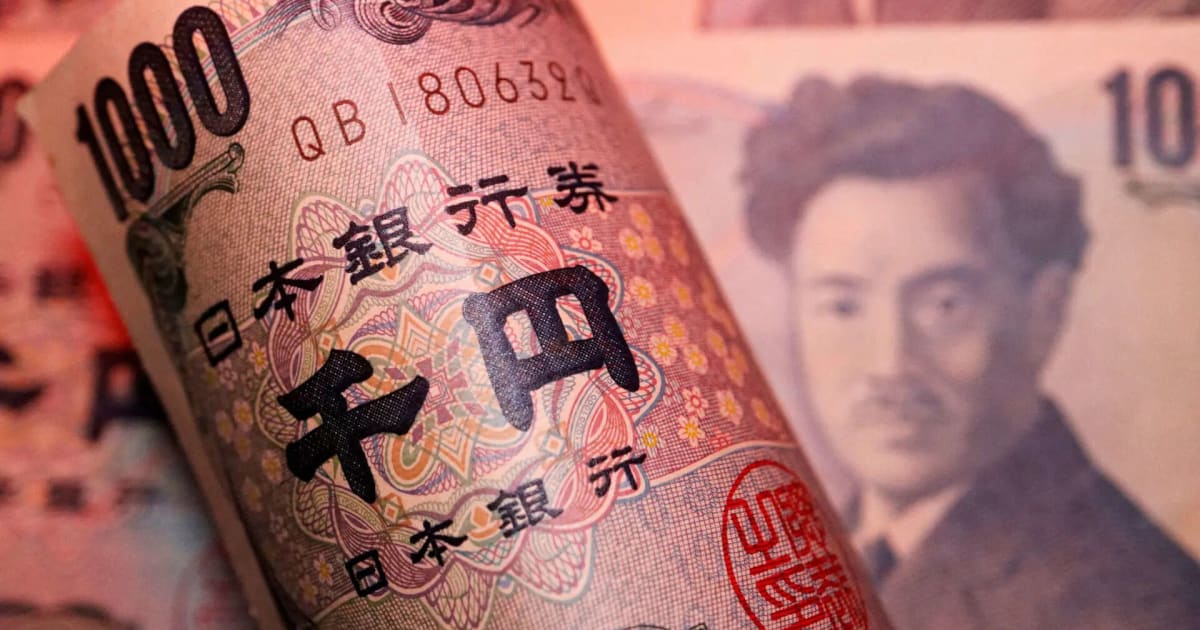
The Bank of Japan's recent rate hike, while a historic shift, was immediately overshadowed by internal dissents, suggesting a hesitant path forward. This unexpected nuance has sent the Yen tumbling, triggering a ripple effect across global currency markets. Our deep dive explores the precise implications for the Indian stock market, dissecting specific sectors and offering an actionable investor playbook.
BOJ Rate Hike Dissent: Why Yen Weakness Persists & India's Stock Impact
The financial world watched intently as the Bank of Japan (BOJ) finally exited its negative interest rate policy, a monumental shift after years of ultra-loose monetary settings. However, the market's initial reaction was not one of Yen strengthening, but rather a perplexing depreciation. The reason? Two critical dissents within the BOJ's policy board, signaling a cautious, potentially agonizingly slow path to future tightening. This seemingly minor detail has profound implications, not just for global currency markets but directly for Indian companies and investors navigating a complex global economic landscape.
For years, the BOJ stood as an outlier, maintaining negative rates while other major central banks aggressively hiked. This divergence created a massive carry trade, with investors borrowing in cheap Yen to invest in higher-yielding assets elsewhere. The expectation was that a rate hike would reverse this, strengthening the Yen. Instead, the dissents – from board members Toyoaki Nakamura and Seiji Adachi – underscored internal reservations about the sustainability and pace of further tightening. This immediately cast doubt on the BOJ's hawkish resolve, prompting a renewed wave of Yen selling. The Japanese Yen (JPY) subsequently extended its decline, weakening past the 151 mark against the US Dollar, a level not seen consistently in recent times, signaling persistent bearish sentiment.
How Will Persistent Yen Weakness Affect Indian Exports and Imports?
The sustained depreciation of the Japanese Yen presents a double-edged sword for India. On one hand, a weaker Yen makes Japanese imports cheaper for Indian consumers and businesses. Consider the automotive sector, where Japanese components and machinery are often critical. A lower Yen translates to reduced input costs for Indian manufacturers sourcing from Japan, potentially boosting their margins or allowing for more competitive pricing in the domestic market. Companies like Maruti Suzuki India Ltd. (NSE: MARUTI), which has significant operational ties to Japan and sources numerous components, could see a marginal benefit from reduced import costs. Similarly, Indian electronics manufacturers importing specialized Japanese equipment might experience a slight uplift.
However, the downside is more pronounced for Indian exporters, particularly those competing with Japanese goods in global markets. Japan is a formidable player in high-tech manufacturing, precision engineering, and specialized chemicals. A weaker Yen makes Japanese exports more price-competitive internationally. Indian companies in sectors like pharmaceuticals, certain chemicals, and even automotive components, which vie for global market share against Japanese counterparts, could face increased pricing pressure. For instance, Indian specialty chemical manufacturers like SRF Ltd. (NSE: SRF) or Dixon Technologies (India) Ltd. (NSE: DIXON), which operate in global value chains, might find their offerings relatively more expensive compared to Japanese alternatives in third-country markets. Historically, a significant depreciation of a major trading partner's currency, as seen with the Chinese Yuan in 2015-2016, has often led to a 0.5% to 1.0% drag on Indian export growth in directly competing sectors over a 6-month horizon.
Furthermore, the carry trade dynamics itself can impact capital flows. If global investors perceive the BOJ's tightening path as slow and uncertain, they may continue to favor other higher-yielding assets, potentially diverting capital away from emerging markets like India in the short term, although this effect is typically more muted for a large, robust economy like India's. The Nifty 50, which has shown resilience, might experience minor outflows from global funds solely chasing yield differentials.
Stock-by-Stock Breakdown: Indian Companies Under the Yen's Shadow
Understanding the granular impact requires a closer look at specific Indian companies. Here's a breakdown of how a persistently weak Yen could affect key NSE/BSE listed entities:
- Maruti Suzuki India Ltd. (NSE: MARUTI): With a market capitalization exceeding ₹3.8 lakh crore and a P/E ratio around 30x, Maruti has deep roots with its Japanese parent, Suzuki. A weaker Yen could lead to slightly lower import costs for components and technology transfers from Japan. While this is a positive, the primary driver for Maruti remains domestic demand and competitive pressures from rivals like Hyundai and Tata Motors. The impact is likely marginal but positive on input costs, potentially boosting EBITDA margins by 10-20 basis points if the Yen sustains its weakness.
- Bharat Forge Ltd. (NSE: BHARATFORG): A leading global manufacturer of forged and machined components, Bharat Forge has significant export exposure, including to markets where Japanese competitors are present. With a market cap of approximately ₹65,000 crore, its global competitiveness is crucial. A weaker Yen could make Japanese forged components more attractive to international buyers, potentially squeezing Bharat Forge's margins or market share in certain segments. Investors should monitor its export order book and pricing power closely.
- TVS Motor Company Ltd. (NSE: TVSMOTOR): While not directly competing with Japan on the same scale as some others, TVS Motor does export two-wheelers and three-wheelers to various markets. Japanese manufacturers are strong in global two-wheeler markets. A weaker Yen could indirectly intensify competition in these export destinations, although TVS's primary focus remains domestic and select emerging markets. Its export revenue, which contributes roughly 25-30% of total revenue, could face headwinds if global buyers shift towards cheaper Japanese alternatives.
- Tata Motors Ltd. (NSE: TATAMOTORS): Including its Jaguar Land Rover (JLR) subsidiary, Tata Motors (market cap ~₹3.5 lakh crore) has a global footprint. While JLR doesn't directly compete with Japanese mass-market brands, the overall sentiment around Asian automotive exports and currency dynamics can create ripple effects. More importantly, if the weaker Yen translates into cheaper Japanese automotive imports into India, it could intensify domestic competition for Tata Motors' passenger vehicle division, albeit mildly.
- Indian IT Services Exporters (e.g., Tata Consultancy Services - NSE: TCS, Infosys - NSE: INFY): While these companies primarily bill in USD, a portion of their revenue comes from Japan. For instance, TCS has a significant presence in the Japanese market through its joint venture with Mitsubishi Corporation. A weaker Yen means that a fixed Yen-denominated contract will translate to fewer USD or INR upon conversion, potentially impacting revenue recognition and margins for the portion of their business tied to Yen. However, this is usually hedged, and the overall impact is generally contained for large IT players, given their diversified revenue streams and robust hedging strategies. A 5% depreciation in JPY against INR could shave off 0.1-0.2% from overall revenue for companies with 2-3% of their revenue from Japan.
Expert Perspective: Bulls vs. Bears on BOJ's Next Move
The market is sharply divided on the BOJ's future trajectory. Bulls argue that the initial rate hike, despite dissents, marks a definitive pivot. They believe the BOJ will eventually normalize policy further, albeit gradually, as inflation proves sticky and wage growth continues. This camp views the dissents as a reflection of the BOJ's traditional caution, not a sign of policy paralysis. They expect the Yen to eventually strengthen as the BOJ continues to hike, albeit at a measured pace, perhaps 10-15 basis points per quarter, bringing the policy rate to 0.25%-0.50% by year-end. This would eventually unwind some of the carry trade, leading to a stronger Yen and potential rebalancing of global portfolios.
Conversely, bears contend that the dissents are a clear signal of deep-seated reluctance to tighten aggressively. They point to Japan's fragile economic recovery and persistent deflationary psychology as reasons why the BOJ will remain extraordinarily dovish. This perspective suggests that the BOJ might wait for significant, sustained evidence of inflation and wage growth before any further moves, potentially for several quarters. This prolonged caution would maintain the interest rate differential, keeping the Yen weak and fueling the carry trade. Bears foresee the Yen potentially testing 155-158 against the USD in the coming months, especially if the US Federal Reserve maintains higher rates for longer.
"The BOJ's move was historic, but the accompanying dissents are the real story. It's a clear signal that the path to normalization will be protracted and fraught with internal debate, meaning Yen weakness is unlikely to dissipate quickly." – WelthWest Research Desk Lead Analyst.
Actionable Investor Playbook: Navigating Yen Volatility
For Indian investors, the BOJ's nuanced stance and the resulting Yen weakness necessitate a strategic approach:
- Hedging Strategies for Exporters/Importers: Indian companies with significant Yen-denominated payables (importers) or receivables (exporters) must review their currency hedging strategies. Importers benefit from a weaker Yen, but should still consider hedging against potential sharp reversals. Exporters with Yen receivables face erosion of value and should look at forward contracts or options to lock in favorable rates.
- Evaluate Export-Oriented Stocks: Carefully assess Indian companies with substantial export exposure, particularly those competing in markets with Japanese goods. Look for firms with strong brand equity, differentiated products, or cost advantages that can withstand increased price competition. Companies with a high proportion of revenue from North America or Europe, where Japanese competition is less direct, might be more resilient.
- Monitor Import-Dependent Sectors: Industries heavily reliant on Japanese imports, such as certain segments of manufacturing, electronics, and precision machinery, could see a marginal boost to margins. Investors might consider companies in these sectors that demonstrate strong operational efficiency and pricing power.
- Diversify International Exposure: For investors with global portfolios, consider rebalancing away from Yen-denominated assets or increasing exposure to currencies with a clearer tightening path.
- Long-Term View on Japan: While short-term Yen weakness persists, the long-term normalization of Japanese monetary policy could eventually lead to a stronger Yen. Patient investors might consider Japanese equities as a contrarian play, but only after clear signs of sustained policy tightening emerge.
Entry Points: For companies potentially benefiting from cheaper Japanese imports, consider accumulating on dips if their core business fundamentals remain strong. For export-oriented companies facing headwinds, monitor their quarterly earnings for signs of margin pressure or revised guidance before making investment decisions. Time Horizon: The current Yen weakness is likely to persist for 6-12 months, given the BOJ's cautious stance. Long-term investors (2-3 years) might see a gradual reversal as global rate differentials narrow.
Risk Matrix: Assessing Potential Pitfalls
The BOJ's policy trajectory is not without significant risks:
- BOJ Policy Miscommunication (High Probability): The dissents themselves highlight potential internal divisions. Any future statements or lack thereof that suggest further disagreement or hesitancy could lead to rapid Yen depreciation, exacerbating current trends. This could trigger further volatility in global currency markets.
- Global Economic Slowdown (Medium Probability): A significant slowdown in global growth could force central banks, including the BOJ, to reconsider tightening, potentially leading to further Yen weakness as safe-haven demand diminishes or risk-on sentiment for yield returns. This would indirectly impact Indian exports across the board.
- Unexpected Inflation Surge in Japan (Low Probability): While unlikely in the short term, a sudden, sustained surge in Japanese inflation could force the BOJ to accelerate tightening unexpectedly. This would lead to a sharp Yen appreciation, potentially hurting Indian importers who had factored in a weak Yen.
- Geopolitical Shocks (Medium Probability): Any major geopolitical event could trigger a flight to safety, potentially strengthening the Yen as a traditional safe-haven currency, regardless of interest rate differentials. This is an external risk difficult to predict but always present.
What to Watch Next: Catalysts for Change
Investors should closely monitor several key data points and events that will shape the narrative around the Yen and the BOJ's policy:
- Upcoming BOJ Meetings: The minutes from the recent meeting and subsequent policy statements will be scrutinized for any shifts in sentiment or indications of future moves. The next scheduled policy meeting is in April.
- Japanese Inflation Data (CPI): Continuous monitoring of core inflation figures will be crucial. Sustained inflation above the BOJ's 2% target would pressure them for further hikes.
- Japanese Wage Growth: Strong, sustained wage growth is a prerequisite for the BOJ to confidently tighten. The annual 'Shunto' spring wage negotiations results will be key.
- Global Interest Rate Differentials: The trajectory of interest rates in the US (Federal Reserve), Eurozone (ECB), and other major economies will continue to influence the Yen's attractiveness in carry trades. Any unexpected shifts in Fed policy, for instance, could significantly impact Yen sentiment.
- Indian Export/Import Data: Closely watch India's trade balance, especially with Asian partners, to gauge the real-world impact of currency fluctuations on Indian businesses.
The BOJ's cautious step into positive rates, underscored by internal dissents, has created a complex environment. While the immediate reaction has been Yen depreciation, the long-term implications for global markets and specifically for Indian stocks will depend on the BOJ's continued communication and the evolving global economic landscape. Prudent investors will stay informed and agile.
Run a free AI Stock Screen
Our algorithmic screener scores any NSE/BSE stock on fundamentals, momentum, and risk — free to try, no card needed.
Try the AI Screener →Have questions about this story?
Ask Welth, our finance-focused AI research assistant, for a deeper breakdown — free trial included.
Chat with Welth AI →Disclaimer: This content is generated by WelthWest Research Desk based on publicly available reports and is for informational purposes only. It does not constitute financial advice, investment recommendations, or an offer to buy or sell securities. Always consult a qualified financial advisor before making investment decisions.