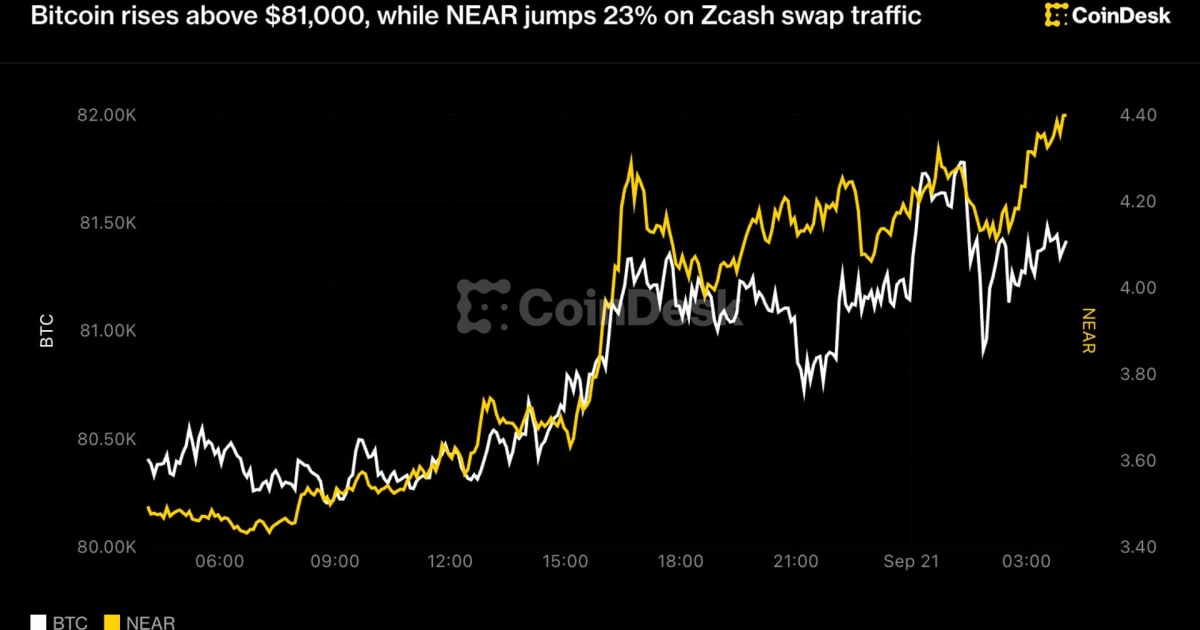
Key Takeaway
Bitcoin's ascent fueled by declining oil prices underscores a profound global pivot towards risk assets. For Indian investors, this translates into potential FII inflows into growth-oriented equities, particularly IT, while requiring a careful reassessment of energy sector exposure.
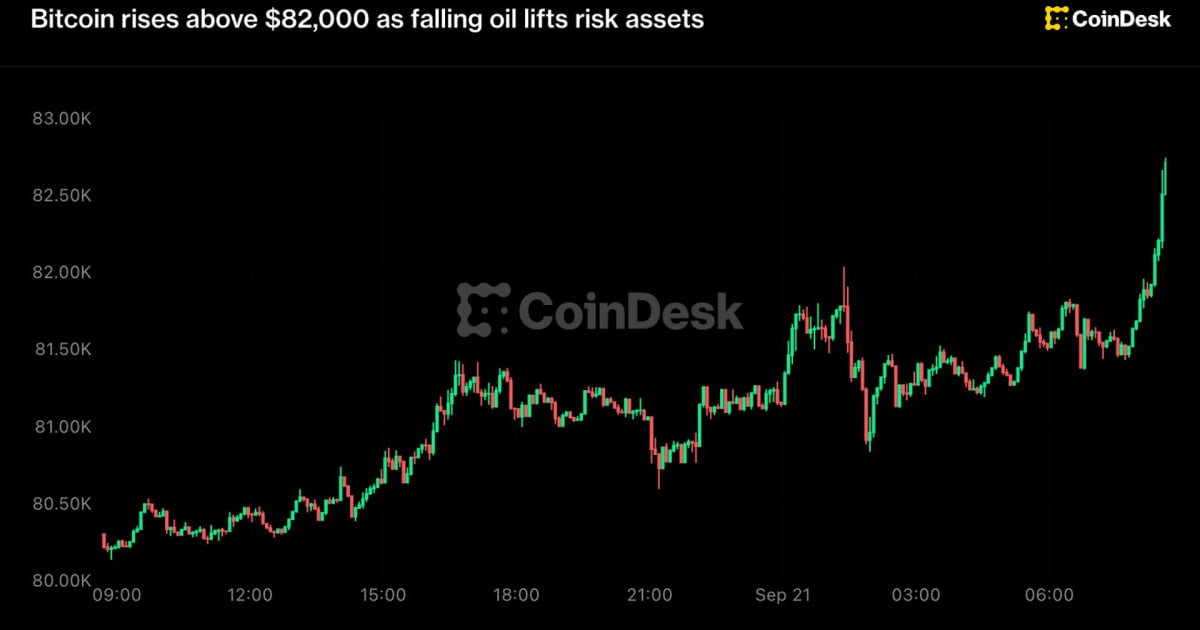
The cryptocurrency market is experiencing a significant uplift, with Bitcoin soaring towards $83,000, a move intricately linked to a simultaneous downturn in global oil prices. This dynamic interaction between traditional commodities and digital assets is reshaping investor sentiment worldwide, signaling a robust 'risk-on' environment. Our deep dive explores the cascading effects on the Indian equity market, highlighting both opportunities and critical shifts for investors.
Bitcoin's Ascent to $83,000: Unpacking the Oil Price Paradox and its Ripple Effect on Indian Equities
The financial world is witnessing a fascinating recalibration, with Bitcoin (BTC) surging dramatically towards the $83,000 mark. This meteoric rise isn't occurring in isolation; it's intricately woven into the fabric of broader macroeconomic shifts, most notably a sustained decline in global oil prices. This confluence of events signals a powerful global pivot towards risk assets, a narrative that demands immediate attention from Indian investors. At WelthWest Research Desk, our analysis indicates this isn't merely a speculative crypto rally, but a fundamental shift in capital allocation with profound implications for sectors ranging from technology to energy within the Indian market.
Historically, significant shifts in commodity prices, particularly oil, have acted as bellwethers for global risk appetite. When oil prices decline, it often alleviates inflationary pressures and boosts consumer discretionary spending, creating an environment conducive to risk-taking. This time, however, the direct beneficiary isn't just traditional equities, but also the burgeoning digital asset class. Bitcoin, often dubbed 'digital gold,' is now increasingly viewed as a high-beta growth asset, attracting capital seeking aggressive returns in a less constrained environment. The current scenario, where falling oil prices free up capital and foster a 'risk-on' sentiment, creates a fertile ground for assets like Bitcoin to flourish, pulling along the broader crypto market with it. This dynamic is critical for Indian investors, as foreign institutional investors (FIIs) often mirror global sentiment, potentially redirecting flows towards riskier Indian equities and influencing the Rupee's trajectory.
How Will Falling Oil Prices and Bitcoin's Rally Impact Indian Stock Market Dynamics?
The interplay between falling oil prices and Bitcoin's rally creates a complex but discernible impact on the Indian equity market. Lower crude oil prices are a net positive for India, a major oil importer, as they reduce the current account deficit, ease inflationary pressures, and strengthen the Rupee. This fiscal headroom often translates into increased government spending or reduced borrowing, benefiting the broader economy. Simultaneously, a global 'risk-on' sentiment, as evidenced by Bitcoin's ascent, typically encourages FIIs to channel capital into emerging markets like India, particularly into sectors perceived as growth engines.
Consider the historical parallel: during periods of sustained global risk-on sentiment, such as parts of 2020-2021, the Nifty 50 delivered over 20% annual returns, propelled by robust FII inflows. While the direct correlation between Bitcoin and Nifty is nascent, the underlying drivers – global liquidity and risk appetite – are undeniably linked. We anticipate increased FII flows into Indian equities, particularly into sectors that benefit from global growth and technological advancement. The Rupee could also see appreciation against the US Dollar, potentially strengthening from its current levels around 83, due to reduced import bills and enhanced capital inflows, further improving India's terms of trade.
The shift in capital allocation is not uniform. While growth-oriented sectors stand to gain, traditional safe-haven assets might experience outflows. Gold, for instance, which often thrives during periods of uncertainty and inflation, could see its appeal diminish. Similarly, government bonds, particularly longer-duration ones, might face headwinds as investors seek higher returns in riskier ventures. The current environment necessitates a re-evaluation of portfolio construction, favoring high-growth, globally exposed sectors over defensive plays.
Stock-by-Stock Breakdown: Indian Equities in Focus
The current market dynamics present a differentiated impact across various Indian sectors and individual stocks. Investors must look beyond headline numbers and understand the nuanced effects.
- Infosys (INFY) & Tata Consultancy Services (TCS): As bellwethers of the Indian IT sector, these companies are direct beneficiaries of a 'risk-on' environment and increased FII flows. Global technology spending tends to rise when economic sentiment is positive, translating into stronger deal wins and higher revenue growth for Indian IT service providers. Infosys, with its robust digital transformation portfolio, and TCS, known for its strong execution and large-scale deals, could see renewed investor interest. Their P/E ratios, currently around 25-28x trailing earnings, could expand as growth prospects improve. Historical data suggests that during periods of strong FII inflows (e.g., 2020-2021), the Nifty IT index outperformed the broader Nifty 50 by a significant margin, often moving 1.5-2x the Nifty's percentage gains. We project a potential 10-15% upside for these stocks in the short to medium term, driven by sentiment and improved global tech spending. Other sector peers like Wipro (WIPRO) and HCLTech (HCLTECH) would likely follow a similar trajectory.
- Reliance Industries (RIL): The impact on RIL is more complex, presenting a mixed bag. While its O2C (Oil-to-Chemicals) segment faces headwinds from falling crude oil prices, potentially squeezing refining margins, its consumer-facing businesses (Jio Platforms and Retail) stand to benefit from increased consumer spending and a stronger economy. The market's perception of RIL often hinges on the relative performance of its diverse segments. A sustained decline in oil prices could put pressure on its upstream exploration and production (E&P) ventures. However, the overall bullish sentiment could boost its retail and telecom arms, which contribute significantly to its revenue and profit. Investors should closely monitor the margins of its O2C segment and the growth trajectory of its digital and retail businesses. RIL's diversified nature provides some insulation, but its energy exposure remains a key factor.
- Oil India (OIL) & ONGC (ONGC): These state-owned oil exploration and production companies are direct losers from falling crude oil prices. Their revenues and profitability are highly correlated with international crude benchmarks. A 10% decline in crude prices can translate into a significant hit to their top and bottom lines, impacting their P/E multiples and dividend yields. Investors holding these stocks might face margin compression and potential stock price depreciation as global oil demand outlook remains subdued or supply increases. For instance, a sustained drop in Brent crude below $75/barrel could put substantial pressure on their profitability, impacting their ability to fund future exploration projects. We anticipate continued pressure on these names, potentially leading to further downside if oil prices remain depressed.
- Cryptocurrency-linked companies/ETFs (Global): While direct Indian listed crypto companies are scarce, global crypto exchanges, miners, and Bitcoin ETFs (like BlackRock's IBIT or Grayscale's GBTC) are direct beneficiaries. Indian investors with access to international markets or those considering exposure to the digital asset ecosystem should note that these entities will likely see increased trading volumes and asset under management (AUM) growth, translating into higher revenues and potentially stronger stock performance.
Expert Perspectives: Bulls vs. Bears on Bitcoin's Trajectory and Indian Equities
The current market narrative, while predominantly bullish, is not without its dissenting voices, highlighting the inherent volatility and speculative nature of both crypto and global markets.
The Bull Case: Proponents of the current rally argue that Bitcoin's move is a structural shift, not just a cyclical one. They point to increasing institutional adoption, the halving event, and growing recognition of Bitcoin as a legitimate asset class. Falling oil prices are seen as a catalyst, freeing up capital and reducing inflation fears, thus making risk assets more appealing. For India, bulls believe the sustained FII inflows will fuel a multi-year bull run in high-quality growth stocks, especially in technology and consumer discretionary sectors. They might cite India's strong macroeconomic fundamentals, demographic dividend, and ongoing reforms as reasons for sustained outperformance, making Indian equities a prime destination for global capital in a 'risk-on' world.
The Bear Case: Skeptics, however, warn of the inherent volatility in the crypto market. They argue that Bitcoin's surge could be a 'dead cat bounce' or a short-term speculative frenzy, easily undone by sudden shifts in global sentiment or regulatory crackdowns. They highlight the lack of intrinsic value and the 'greater fool theory' driving some of the price action. For Indian equities, bears might caution that FII flows can be fickle. Geopolitical instability, a sudden resurgence in inflation, or unexpected tightening by central banks could quickly reverse the 'risk-on' sentiment, leading to sharp corrections. They also point to high valuations in certain Indian sectors, suggesting that much of the good news is already priced in, leaving limited upside and significant downside risk if global conditions deteriorate.
Our assessment leans towards a cautious bullish outlook, acknowledging the underlying strength of the global risk-on trend while remaining vigilant about potential reversals.
Actionable Investor Playbook: Navigating the New Landscape
Given the current market dynamics, Indian investors need a clearly defined strategy to capitalize on opportunities and mitigate risks. This is not a time for passive investing but for active portfolio management.
- Buy/Accumulate:
- Indian IT Services (INFY, TCS, HCLTech): Focus on large-cap, fundamentally strong IT companies. Look for dips as entry points. Target a 12-18 month horizon, anticipating sustained global tech spending and FII inflows.
- Growth-oriented Indian Equities: Consider consumer discretionary, select financial services (private banks), and innovative manufacturing companies that benefit from a stronger domestic economy and global growth.
- Bitcoin/Crypto Exposure (Indirectly): For investors with a high-risk appetite and access to global markets, consider highly liquid Bitcoin ETFs or companies with significant crypto exposure. This is a long-term thematic play (3-5 years) due to crypto's inherent volatility.
- Sell/Reduce Exposure:
- Oil Exploration & Production (ONGC, OIL): Consider reducing exposure or avoiding new positions until crude oil prices show signs of stabilization or recovery. The short-to-medium term outlook remains challenging for these entities.
- Traditional Safe-Haven Assets: While a complete divestment isn't advised, re-evaluate the allocation to gold and long-term government bonds if your portfolio is overweight on these assets, as their relative appeal diminishes in a 'risk-on' environment.
- Watchlist:
- Diversified Conglomerates (RIL): Monitor the performance of its O2C segment versus its consumer-facing businesses. A sustained improvement in digital and retail could offset energy sector headwinds.
- Mid-cap IT and Niche Tech Companies: These could offer higher growth potential but also carry higher risk. Research individual companies thoroughly for strong order books and execution capabilities.
Entry points for IT stocks could be during minor market corrections, aiming for a P/E multiple slightly below their historical averages. For example, if TCS trades near its 52-week high, waiting for a 5-7% pullback might offer a better risk-reward. Time horizons should generally be medium to long term (1-3 years) to ride out short-term market fluctuations and capture the structural growth story.
Risk Matrix: Assessing Potential Headwinds
While the current sentiment is bullish, prudent investors must acknowledge and assess the inherent risks that could derail this trajectory.
- Crypto Market Volatility (High Probability, High Impact): Bitcoin and the broader crypto market are notoriously volatile. A sudden, sharp correction in Bitcoin (e.g., a 20-30% drop in a week) could swiftly dampen global risk appetite, triggering a broader market sell-off, including in Indian equities. The probability of such an event, given historical patterns, remains high.
- Geopolitical Escalations (Medium Probability, High Impact): Any significant geopolitical event (e.g., expansion of existing conflicts, new trade wars) could rapidly shift sentiment back to safe-haven assets, reversing FII flows from emerging markets like India. This would negatively impact growth stocks and potentially strengthen the US Dollar, putting pressure on the Rupee.
- Sudden Resurgence of Inflation/Interest Rate Hikes (Medium Probability, Medium Impact): While falling oil prices ease inflation, other factors could cause a resurgence. If global central banks are forced to hike interest rates unexpectedly to curb inflation, it would tighten global liquidity, making risk assets less attractive and potentially triggering capital outflows from emerging markets.
- Regulatory Clampdown on Crypto (Low Probability, High Impact): Although less likely in the immediate term, a coordinated global regulatory clampdown on cryptocurrencies could significantly impact their prices and undermine investor confidence in the digital asset space, causing a ripple effect across interconnected markets.
What to Watch Next: Catalysts and Data Points
Investors should closely monitor several key data points and upcoming events that could significantly influence market direction:
- US Inflation Data (CPI, PPI): Upcoming releases will provide crucial insights into inflation trends. A continued decline would reinforce the 'risk-on' narrative, while an unexpected uptick could spark concerns about interest rate hikes.
- Central Bank Commentary (US Fed, ECB, RBI): Statements from major central banks regarding monetary policy will be critical. Any hawkish surprises could dampen sentiment. The RBI's stance on liquidity and rates will directly impact Indian markets.
- Global Oil Inventory Reports & OPEC+ Decisions: Weekly inventory data and future OPEC+ meetings will dictate crude oil price movements. A sustained increase in supply or weakening demand outlook will keep prices subdued, supporting the current theme.
- FII Flow Data for Indian Equities: Daily and weekly FII inflow/outflow data published by exchanges will be a direct indicator of foreign investor sentiment towards India. Strong, consistent inflows will validate the bullish stance.
- Key Earnings Reports from Tech Giants (Global and Indian): Upcoming earnings from major global tech companies and Indian IT bellwethers will provide insights into corporate spending and demand trends, impacting investor confidence in growth sectors.
- Bitcoin Halving Event (Future): While not immediate, future Bitcoin halving events are historically significant catalysts that reduce supply and can drive price appreciation, serving as a long-term watch point for the crypto market.
The convergence of falling oil prices and Bitcoin's rally towards $83,000 presents a compelling narrative of evolving global risk appetite. For Indian investors, understanding these interconnected dynamics is paramount to navigating the market successfully, identifying both lucrative opportunities and potential pitfalls. WelthWest Research Desk remains committed to providing timely, data-driven insights to help you make informed investment decisions.
See Infosys (INFY)'s AI Score
Our algorithmic screener scores Infosys (INFY) on fundamentals, momentum, and risk — free to try, no card needed.
Try the AI Screener →Have questions about this story?
Ask Welth, our finance-focused AI research assistant, for a deeper breakdown — free trial included.
Chat with Welth AI →Disclaimer: This content is generated by WelthWest Research Desk based on publicly available reports and is for informational purposes only. It does not constitute financial advice, investment recommendations, or an offer to buy or sell securities. Always consult a qualified financial advisor before making investment decisions.