Key Takeaway
The $83 million Bitget XRP hack underscores critical security gaps in global crypto, signaling heightened regulatory scrutiny and potential dampening of Indian retail investor enthusiasm for digital assets, indirectly influencing tech and financial sector stocks.
A significant $83 million XRP hack at major crypto exchange Bitget has sent ripples through the digital asset world. This incident highlights persistent security vulnerabilities, raising questions about investor protection and potentially accelerating regulatory pushes globally. While direct impact on Indian equities is limited, the event could influence domestic crypto sentiment and future policy direction, making it crucial for Indian investors to understand the broader implications.
Bitget's $83 Million XRP Heist: A Wake-Up Call for Indian Crypto Investors and Regulators
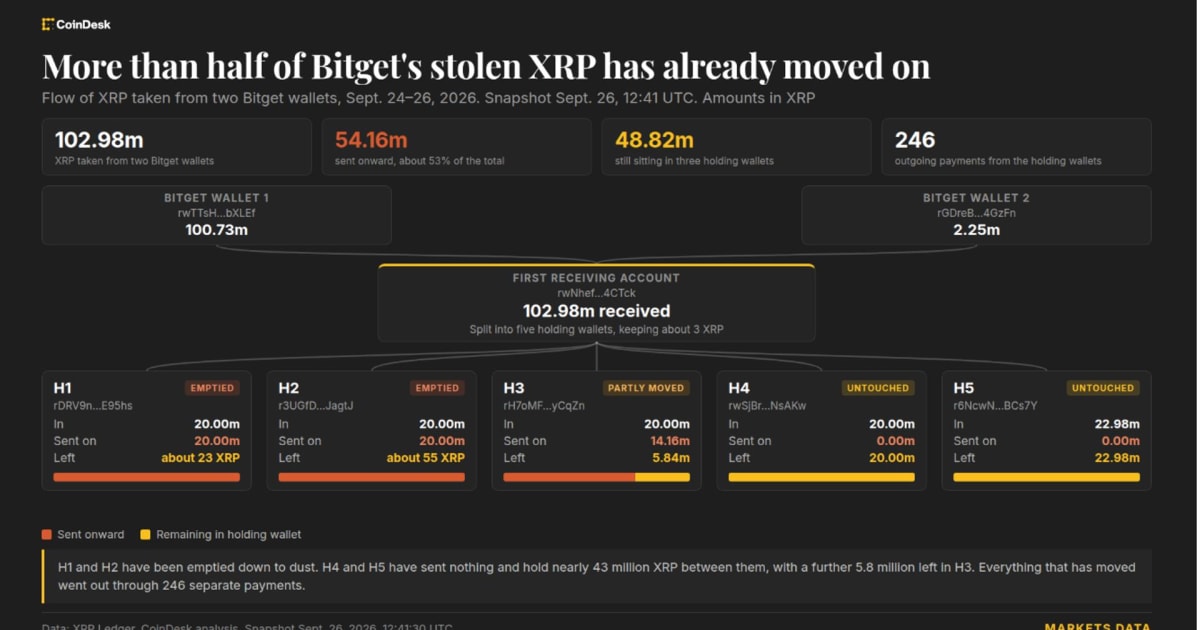
The digital asset landscape, often celebrated for its innovation and decentralization, has once again been rattled by a stark reminder of its inherent vulnerabilities. Major cryptocurrency exchange Bitget recently suffered a significant security breach, resulting in the theft of approximately $83 million in XRP. This is not merely another headline about a crypto hack; it's a profound event that reverberates beyond the immediate financial loss, signaling potentially far-reaching consequences for investor confidence, global regulatory frameworks, and, indirectly, the evolving sentiment within India's burgeoning crypto market.
The incident saw the stolen XRP swiftly moved through various addresses, effectively placing the funds beyond the reach of conventional recovery or freeze controls. This rapid dissipation of assets underscores the persistent challenge of securing digital wealth in an environment where transactions are immutable and often pseudonymous. For the Indian investor, while direct exposure to Bitget may be limited, the broader implications are critical. India boasts one of the largest retail crypto investor bases globally, and such high-profile security failures elsewhere inevitably cast a long shadow over domestic enthusiasm and the government's cautious approach to digital asset regulation. This event matters now because it could be the catalyst for accelerated policy decisions, particularly concerning investor protection and exchange oversight, influencing how Indian financial institutions and tech companies perceive and engage with the crypto economy.
Deep Market Impact Analysis: How Does a Crypto Hack Echo in India?
While the Indian stock market (NSE/BSE) does not directly list cryptocurrency exchanges or major crypto assets, the psychological and indirect economic impacts of a significant global crypto event like the Bitget hack are undeniable. Investor sentiment is a powerful, often intangible, force that can influence capital allocation across asset classes. A major security breach in the crypto space, particularly one involving a significant sum, tends to erode trust in the broader digital asset ecosystem. This erosion can manifest in several ways within India.
Firstly, it could lead to a temporary flight of capital from speculative digital assets towards more traditional, perceived 'safe-haven' investments, including blue-chip Indian equities or gold. Historically, periods of heightened uncertainty in one asset class can see a reallocation into others. For instance, during the Terra-LUNA collapse in May 2022, which saw over $40 billion wiped out, anecdotal evidence suggested some Indian retail investors, spooked by the volatility, shifted funds towards large-cap Indian IT stocks or established financial services companies, seeking stability. While not a direct causation, it highlighted the interconnectedness of investor psychology across different markets.
Secondly, the hack could intensify calls for stricter regulatory oversight in India. The Indian government and the Reserve Bank of India (RBI) have maintained a cautious stance on cryptocurrencies, citing concerns about financial stability, money laundering, and investor protection. This incident provides further ammunition for those advocating for stringent regulations, potentially including outright bans on certain activities or imposing heavy taxation. Such moves, while aimed at protection, could dampen innovation in the domestic blockchain and Web3 space, indirectly affecting companies involved in underlying technology development or those exploring blockchain applications.
The global cryptocurrency market capitalization, which briefly touched $3 trillion in late 2021, has already seen significant corrections. Events like the Bitget hack contribute to this overall 'bearish' sentiment, making it harder for the sector to regain its previous highs. For India, a country with a vast youth demographic and high internet penetration, the allure of crypto as an alternative investment has been strong. A sustained period of negative news, punctuated by security failures, could significantly cool this enthusiasm, leading to reduced trading volumes on Indian crypto exchanges and a slower adoption rate of blockchain-based services by mainstream businesses. This indirect impact on the 'digital economy' narrative could subtly affect the valuation multiples of Indian tech companies perceived as future-facing.
Which Indian Stocks Feel the Ripple Effect?
While no direct crypto exchange is listed on NSE/BSE, the indirect impact can be felt across sectors, particularly in technology and financial services. Here are 4-6 specific Indian stocks and sectors that could experience a ripple effect:
- Infosys (NSE: INFY): As a global IT services giant, Infosys, with a market capitalization exceeding ₹6.5 lakh crore, is at the forefront of digital transformation. While not directly involved in crypto exchanges, they and their peers like TCS (NSE: TCS) often work with financial institutions exploring blockchain solutions. A global slowdown in crypto adoption due to security concerns could temper enterprise interest in blockchain consulting or development projects, subtly affecting their long-term growth narratives in emerging tech. Their P/E ratio, currently around 25x, reflects expectations of continued digital growth, which could face minor headwinds from a cautious enterprise environment.
- HDFC Bank (NSE: HDFCBANK): India's largest private sector bank, with a market cap of over ₹12 lakh crore, represents the traditional financial establishment. Increased regulatory scrutiny on crypto, potentially leading to tighter controls on bank-crypto exchange interfaces or even restrictions on crypto-related transactions, could impact their digital payment ecosystems. While banks primarily focus on fiat, any regulatory changes impacting the 'flow' of funds in and out of crypto could create minor operational adjustments or compliance burdens. Their stable growth and robust asset quality make them resilient, but the broader sentiment shift towards traditional finance could see a marginal preference for such established players.
- One97 Communications (Paytm) (NSE: PAYTM): As a leading fintech player, Paytm, despite its recent challenges, operates at the intersection of digital payments and financial services. While Paytm has largely steered clear of direct crypto integration due to regulatory uncertainty, any government move towards stricter regulation or even a ban on certain crypto activities could limit future opportunities for fintech companies to innovate in the digital asset space. Paytm's revenue diversification strategy could indirectly be affected if a significant portion of digital-native users shift their focus away from broader digital finance due to crypto disillusionment. The stock, currently trading significantly below its IPO price, remains sensitive to regulatory environments impacting digital financial services.
- Tech Mahindra (NSE: TECHM): Another prominent IT services provider, Tech Mahindra, has been relatively more vocal about its blockchain initiatives and Web3 explorations compared to some peers. They have invested in developing blockchain platforms and solutions for various industries. A downturn in global crypto sentiment, fueled by security breaches, could lead to enterprises delaying or scaling back their blockchain pilot projects, impacting Tech Mahindra's relatively nascent but strategically important blockchain revenue streams. Their P/E ratio, often reflecting growth expectations, could face minor pressure if this segment's outlook darkens.
- Reliance Industries (NSE: RELIANCE): While seemingly far removed, Reliance, through its Jio Platforms subsidiary, is a digital behemoth. Their long-term vision includes leveraging emerging technologies. Should India move towards a more restrictive crypto regime post-hack, it could deter large conglomerates from exploring blockchain applications in areas like supply chain, digital identity, or even potential future digital currency initiatives. While the impact would be negligible on Reliance's core energy and retail businesses, it could subtly alter the long-term strategic landscape for its digital ventures.
How Will Regulatory Scrutiny Impact India's Crypto Future? Expert Perspectives
The Bitget hack has ignited a fresh debate among experts regarding the future of crypto regulation in India. Bulls and bears hold contrasting views on the likely trajectory.
The Bears' Argument: Accelerated Clampdown. Bearish analysts contend that this $83 million heist will provide the Indian government and the RBI with further justification for a more restrictive stance. They argue that the lack of robust investor protection mechanisms, as highlighted by unrecoverable funds, aligns perfectly with the RBI's long-standing concerns about consumer harm and financial stability. "Expect a renewed push for a comprehensive regulatory framework that prioritizes control over innovation," states a Mumbai-based financial consultant. "This could mean higher taxes, stricter KYC/AML norms, and potentially even restrictions on certain types of crypto assets or trading activities, mirroring China's approach in some aspects. The government's primary focus will be on safeguarding the retail investor, even if it means stifling growth in the crypto sector." This perspective suggests that the hack will be used as a prime example of the inherent risks, solidifying the argument for a more centralized and controlled digital asset environment in India. This could lead to a 'chilling effect' on new entrants and existing crypto businesses, potentially shrinking the domestic market.
The Bulls' Argument: Refined, Not Restricted, Regulation. Contrarily, bullish commentators believe that while the hack will undoubtedly increase regulatory pressure, it will not necessarily lead to an outright clampdown. Instead, they argue it will prompt a more nuanced and sophisticated approach to regulation. "The Indian government recognizes the underlying blockchain technology's potential," argues a Bengaluru-based blockchain venture capitalist. "This incident might accelerate the development of a framework that focuses on robust licensing for exchanges, mandatory insurance for user funds, and clear guidelines for asset custody, rather than blanket bans. It's about maturing the ecosystem, not dismantling it. India cannot afford to miss out on the innovation blockchain offers, especially with its G20 presidency focusing on digital public infrastructure." This view posits that the hack will be a learning experience, pushing regulators to adopt best practices from global jurisdictions that have successfully integrated crypto into their financial systems, fostering a safer, albeit more regulated, environment for innovation. They point to the ongoing discussions around a global crypto framework as evidence that India will likely align with international standards rather than isolating itself.
Actionable Investor Playbook: Navigating the Post-Hack Landscape
For the astute Indian investor, the Bitget hack necessitates a recalibration of investment strategies, particularly concerning exposure to digital assets and related equities. Here's a concrete playbook:
- Watch & Wait on Crypto: For direct crypto investments, a 'watch and wait' approach is advisable. Avoid impulsive decisions. Focus on understanding the regulatory responses globally and in India. If you hold XRP, monitor its price action closely for any further sentiment-driven dips beyond the initial reaction. Consider reducing exposure to smaller, less regulated exchanges.
- Re-evaluate Tech Exposure: For Indian equities, closely monitor IT services companies like Infosys (NSE: INFY) and Tech Mahindra (NSE: TECHM). While their core business remains robust, any significant long-term slowdown in enterprise blockchain adoption due to regulatory uncertainty could subtly affect their growth outlooks in this niche. Entry points for these stocks, if they see any minor corrections, could be attractive for long-term investors, as their diversified portfolios offer resilience.
- Favor Established Financials: Consider increasing exposure to established, well-regulated financial institutions like HDFC Bank (NSE: HDFCBANK). In periods of heightened uncertainty in speculative assets, capital often flows into stable, dividend-paying financial stocks. These institutions are less exposed to direct crypto volatility and might even benefit from a 'flight to safety.'
- Monitor Fintech Regulatory News: Keep a close eye on regulatory announcements impacting fintech players like Paytm (NSE: PAYTM). While not directly crypto-exposed, any broader regulatory tightening on digital payments or financial services could have an indirect impact on their operational environment and growth prospects.
- Time Horizon: Medium to Long-Term: The impact of such events on traditional equities is typically indirect and plays out over a medium to long-term horizon (6-18 months), primarily through shifts in investor sentiment and regulatory frameworks. Short-term market movements in Indian equities are unlikely to be drastically altered solely by this crypto hack.
Risk Matrix: Assessing the Uncertainties Ahead
Navigating the post-Bitget hack environment involves understanding several key risks:
- Heightened Regulatory Overreach (Probability: Medium-High): There is a significant risk that the Indian government, spurred by incidents like the Bitget hack, will implement overly restrictive crypto regulations. This could stifle innovation, lead to capital flight from the domestic crypto market, and indirectly impact fintech and IT companies exploring blockchain.
- Further Erosion of Investor Confidence (Probability: Medium): If more high-profile hacks or failures occur in the global crypto ecosystem, it could lead to a sustained decline in retail investor trust in digital assets. This would reduce the overall addressable market for crypto-related services and dampen enthusiasm among young Indian investors.
- Global Regulatory Fragmentation (Probability: Medium): A lack of coordinated international regulatory responses to crypto security incidents could lead to a fragmented global landscape. This would create compliance complexities for exchanges and businesses operating across borders, potentially hindering the development of a unified and secure digital asset ecosystem.
- Cybersecurity Escalation (Probability: Low-Medium): The success of the Bitget hack could embolden other malicious actors, leading to an increase in sophistication and frequency of cyberattacks on crypto exchanges and wallets. This would perpetuate the cycle of security concerns and regulatory pressure.
What to Watch Next: Catalysts and Key Dates
The story around crypto security and regulation is dynamic. Investors should monitor the following catalysts and data releases:
- Indian Government's Winter Session on Crypto: Any discussions or announcements during upcoming parliamentary sessions regarding crypto regulation will be critical. Specific dates for policy papers or legislative drafts should be closely watched.
- G20 Discussions on Crypto Regulation: India's ongoing engagement with G20 nations on a global crypto framework is paramount. Outcomes from these discussions, particularly regarding common standards for security and investor protection, will shape India's domestic policy.
- RBI's Digital Rupee (CBDC) Pilot Updates: Progress and statements from the RBI regarding its Central Bank Digital Currency (CBDC) pilot projects could offer insights into its broader strategy for digital assets and its comfort level with emerging technologies.
- Quarterly Earnings of IT Services Firms: Look for management commentary from companies like Infosys and Tech Mahindra in their upcoming quarterly earnings calls regarding their blockchain and Web3 pipeline and any shifts in client sentiment.
- Global Crypto Exchange Security Reports: Ongoing reports and audits from major global crypto exchanges on their security enhancements post-hack will indicate industry-wide efforts to restore confidence.
- XRP Price Action and Ripple Lawsuit Updates: While a separate event, the ongoing legal battles involving Ripple (XRP) can also influence overall sentiment around the asset and the regulatory environment for digital currencies.
The Bitget XRP hack serves as a potent reminder that the digital frontier, while promising, remains fraught with risks. For Indian investors, the path forward requires a blend of vigilance, strategic re-evaluation, and an informed understanding of how global crypto events can subtly, yet significantly, influence domestic markets and regulatory narratives.
Run a free AI Stock Screen
Our algorithmic screener scores any NSE/BSE stock on fundamentals, momentum, and risk — free to try, no card needed.
Try the AI Screener →Have questions about this story?
Ask Welth, our finance-focused AI research assistant, for a deeper breakdown — free trial included.
Chat with Welth AI →Disclaimer: This content is generated by WelthWest Research Desk based on publicly available reports and is for informational purposes only. It does not constitute financial advice, investment recommendations, or an offer to buy or sell securities. Always consult a qualified financial advisor before making investment decisions.