Key Takeaway
The normalization of Saudi crude exports is a structural tailwind for India’s macro-stability. Lower input costs for OMCs and manufacturing sectors provide a rare window for margin expansion and potential RBI dovishness.
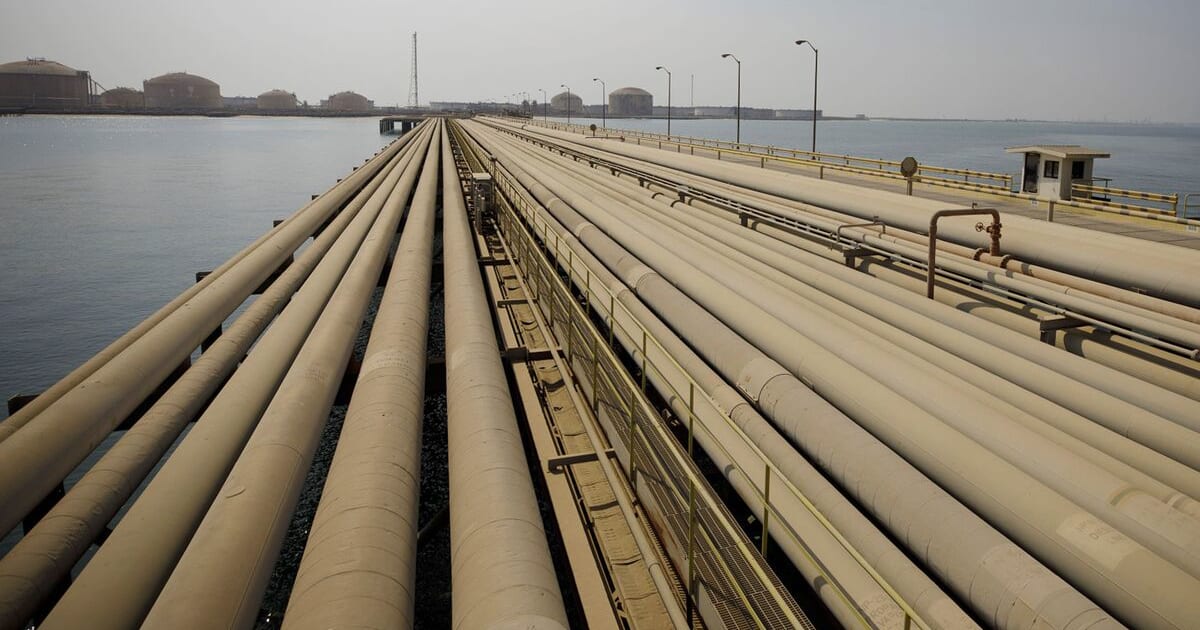
As global crude oil prices retreat on the back of Saudi export normalization, India’s economic outlook shifts significantly. We break down the winners and losers in the NSE/BSE and provide an actionable strategy for navigating this energy-driven market pivot.
The Great Energy Pivot: Why Saudi Supply Changes Everything
Global energy markets are currently witnessing a seismic shift. Saudi Arabia, the world’s de facto swing producer, has begun normalizing export volumes, effectively dismantling the supply-side risk premium that kept crude prices elevated for the better part of two years. For the Indian economy—a nation that imports over 85% of its crude requirements—this is more than just a headline; it is a fundamental shift in the macro-economic narrative.
When crude prices retreat, the mechanics of India's Current Account Deficit (CAD) shift instantly. Historically, every $10 drop in crude prices improves India’s CAD by approximately 0.4% of GDP. This relief is the primary catalyst for the Reserve Bank of India (RBI) to reconsider its stance on interest rates, potentially providing a liquidity boost that could catalyze a broader market rally.
How Will the Crude Price Cooling Affect RBI Rate Cuts?
The correlation between oil prices and the RBI’s monetary policy is inverse and absolute. Elevated energy costs act as an imported inflation tax, forcing the central bank to maintain higher-for-longer interest rates to anchor domestic inflation. With the current supply surplus, the headline CPI inflation trajectory is likely to moderate, giving Governor Shaktikanta Das the necessary ‘breathing room’ to pivot toward a more accommodative stance. If we look back to the 2022 energy crisis, the Nifty 50 faced significant valuation compression as inflation fears spiked; the current reversal sets the stage for a potential re-rating of interest-rate-sensitive sectors, specifically Banking and NBFCs.
Sector-Level Impact: Winners and Losers
The market is currently bifurcating based on energy exposure. We categorize the impact into three distinct tiers:
- The Margin Expansion Beneficiaries: Oil Marketing Companies (OMCs) and aviation players are the immediate winners. Lower crude prices directly translate to lower under-recoveries for OMCs and reduced ATF costs for airlines.
- The Input-Cost Sensitive: Paint and tyre manufacturers are massive beneficiaries. Crude oil derivatives represent roughly 40-50% of the raw material basket for these firms. As input costs drop, net profit margins are expected to expand significantly over the next two quarters.
- The Underperformers: Upstream exploration companies, which benefited from high realization prices, now face a period of revenue contraction as their selling price per barrel aligns with declining global benchmarks.
Stock-by-Stock Breakdown
1. IOCL (Indian Oil Corporation): Trading at a P/E of ~7x, IOCL stands to gain as marketing margins improve. The reduction in crude volatility allows for better inventory management and higher retail margins.
2. BPCL & HPCL: These OMCs are the most sensitive to crude price changes. With lower crude prices, the pressure to maintain retail fuel prices against political mandates eases, potentially leading to a cash-flow windfall.
3. InterGlobe Aviation (IndiGo): ATF costs account for nearly 40% of operational expenses. A 10% drop in oil prices could lead to a 3-5% expansion in EBITDAR margins for India's dominant carrier.
4. Asian Paints: Historically sensitive to crude (due to titanium dioxide and monomer costs), lower oil prices allow for aggressive volume growth without sacrificing margin, making it a defensive play in a falling-cost environment.
5. ONGC & OIL: These upstream giants are the clear losers. With realizations linked to the global Brent index, the bottom line will likely face a contraction, making them 'sell' candidates for growth-oriented portfolios.
The Contrarian View: What Could Go Wrong?
While the bulls are currently in control, the bears argue that this is a temporary 'head-fake.' The risk of an 'OPEC+ surprise' remains elevated. If Saudi Arabia and its allies decide to enforce deeper, unexpected production cuts to stabilize prices at a higher floor, the current rally in OMCs and aviation stocks could evaporate within days. Furthermore, geopolitical instability in the Middle East is never truly dormant; a sudden flare-up in the Strait of Hormuz could negate all recent gains, sending prices back to the $90+ range. Investors must weigh the current macro-tailwinds against these 'black swan' supply shocks.
The WelthWest Investor Playbook
For the proactive investor, the current environment demands a tactical rotation:
- Buy the Margin Expanders: Look for entry points in paint and aviation stocks on any broad market consolidation. Focus on companies with strong free cash flow.
- Watch the OMC Spread: Monitor the marketing margin of OMCs closely. If the government allows for full pass-through of lower costs, these stocks are currently undervalued.
- Trim Upstream Exposure: Reduce weightage in ONGC and OIL as the 'windfall' era for upstream producers transitions into a period of more normalized, lower realizations.
Risk Matrix
| Risk Factor | Probability | Impact |
|---|---|---|
| OPEC+ Production Cut | Moderate | High |
| Geopolitical Escalation | Low | Very High |
| Currency Depreciation (INR vs USD) | High | Moderate |
What to Watch Next
Investors should track the upcoming OPEC+ ministerial meetings and the monthly oil market reports from the IEA. Additionally, watch for the RBI’s next MPC meeting minutes; any subtle change in language regarding 'imported inflation' will be the ultimate green light for a broader market bull run.
See IOCL's AI Score
Our algorithmic screener scores IOCL on fundamentals, momentum, and risk — free to try, no card needed.
Try the AI Screener →Have questions about this story?
Ask Welth, our finance-focused AI research assistant, for a deeper breakdown — free trial included.
Chat with Welth AI →Disclaimer: This content is generated by WelthWest Research Desk based on publicly available reports and is for informational purposes only. It does not constitute financial advice, investment recommendations, or an offer to buy or sell securities. Always consult a qualified financial advisor before making investment decisions.