Key Takeaway
A sharp ascent in crude oil prices has ignited significant cryptocurrency liquidations, signaling a broader shift to risk-off sentiment that could weigh on Indian equities. Investors must recalibrate portfolios amidst this interconnected market turmoil.
The recent surge in global oil prices has sent shockwaves through the digital asset space, triggering over $500 million in Bitcoin and Ethereum liquidations. This correlation underscores a palpable shift towards risk aversion, with potential ramifications for the Indian stock market. WelthWest Research Desk provides an in-depth analysis of the impact and actionable strategies.
Global Oil Rally Unleashes Crypto Carnage: What Indian Investors Must Know
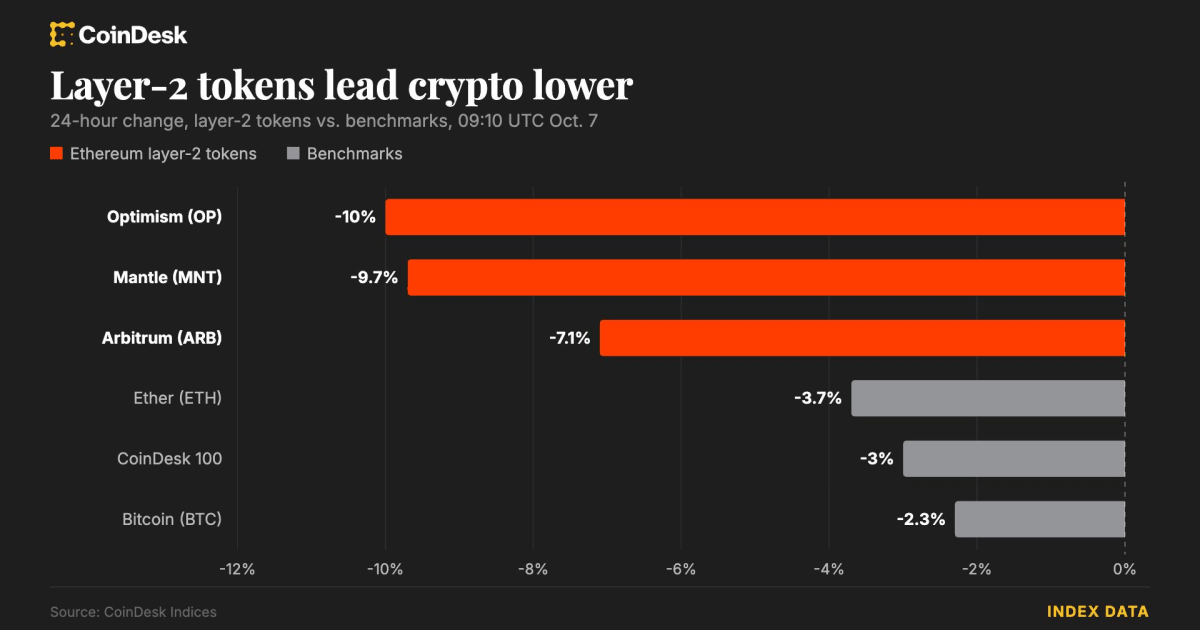
In a stark reminder of the interconnectedness of global financial markets, a robust rally in crude oil prices has precipitated a significant downturn in the cryptocurrency space. Over $547 million in Bitcoin and Ethereum positions were liquidated in a single day, according to recent market data, as a surge in oil prices spooked risk-sensitive digital assets. This event, while seemingly confined to the crypto realm, carries profound implications for broader market sentiment and, crucially, for Indian investors navigating the equity landscape.
Why This Oil-Driven Crypto Sell-Off Matters Now
The immediate trigger for the crypto sell-off was a sharp increase in crude oil prices, driven by geopolitical tensions and supply concerns. As oil, a foundational commodity, becomes more expensive, it typically signals inflationary pressures and a potential slowdown in global economic growth. This macroeconomic backdrop inherently leads investors to shed riskier assets in favor of perceived safe havens. Cryptocurrencies, despite their technological advancements and nascent adoption, are still widely viewed by institutional and retail investors as high-risk speculative instruments. Therefore, when the broader risk appetite diminishes, as evidenced by the flight from crypto, it suggests a more pervasive 'risk-off' sentiment is at play across all asset classes. This is not merely a crypto-specific correction; it's a symptom of a larger economic narrative unfolding.
The timing is critical. Emerging markets, including India, often experience capital outflows when global risk aversion intensifies. Foreign institutional investors (FIIs) tend to repatriate funds from riskier emerging market assets back to developed markets or safer havens during such periods. The correlation between oil prices and crypto, while seemingly disparate, acts as a leading indicator for this broader risk sentiment. A sustained downturn in crypto can erode investor confidence, leading to a ripple effect that could dampen liquidity in other, more traditional, asset classes. This is precisely why the current situation demands meticulous attention from Indian investors.
Deep Market Impact Analysis: Connecting Crude to the Nifty 50
The correlation between commodities like oil and digital assets like Bitcoin has become increasingly pronounced, particularly in recent years. When oil prices surge, it directly impacts inflation expectations. Higher energy costs translate to increased operational expenses for businesses across nearly every sector, from manufacturing and logistics to consumer goods. This can compress profit margins, leading to reduced earnings for companies. For investors, this translates to a re-evaluation of equity valuations, potentially leading to sell-offs.
The current crypto liquidation event, triggered by oil, is a potent signal of this macroeconomic shift. Bitcoin and Ethereum, the bellwethers of the crypto market, are often the first to be impacted due to their significant market capitalization and the deep liquidity pools that can be rapidly unwound. The $547 million in liquidations signifies a substantial deleveraging event, where leveraged positions are forcibly closed, creating a cascading downward pressure on prices. This deleveraging can spill over into other risk assets if the sentiment persists.
Historical Parallels: Lessons from 2022's Interconnected Downturn
We witnessed a similar pattern of interconnected asset class volatility in 2022. During that period, surging inflation, driven by supply chain disruptions and the war in Ukraine, led to aggressive interest rate hikes by central banks globally. This macroeconomic tightening caused a simultaneous collapse in both equity and crypto markets. The Nifty 50, India's benchmark stock market index, experienced significant corrections as FIIs pulled out substantial capital. The correlation was clear: as inflation concerns mounted and risk appetite waned, both traditional and digital speculative assets suffered. The current oil rally, by reigniting inflation fears, is echoing those concerns and could lead to a repeat of such synchronized declines if not managed effectively by policymakers and central banks.
Sector-Level Breakdown: Which Indian Sectors Feel the Heat?
The impact on the Indian stock market is likely to be multifaceted. Sectors that are heavily reliant on global commodity prices or have significant exposure to discretionary spending will be most vulnerable. Conversely, sectors less sensitive to oil price fluctuations or those that benefit from inflationary environments might offer some resilience.
- Oil & Gas Producers: While higher crude prices benefit exploration and production companies, the broader market sentiment can overshadow this. However, companies like ONGC (NSE: ONGC) and Oil India (NSE: OIL) may see an uplift in their revenue and profitability, assuming production levels are maintained.
- Aviation and Logistics: These sectors are highly sensitive to fuel costs. A sustained rise in oil prices will directly impact their operational expenses, potentially squeezing margins. Companies like IndiGo (NSE: INDIGO) and GMR Airports (NSE: GMRINFRA) will be closely watched.
- Consumer Discretionary: With rising energy costs impacting household budgets, consumer spending on non-essential items could decline. This would affect companies in the automotive (e.g., Maruti Suzuki, NSE: MARUTI) and retail sectors.
- IT Services: Indian IT majors like TCS (NSE: TCS) and Infosys (NSE: INFY) might experience a dual effect. While they are less directly impacted by oil prices, a global economic slowdown driven by inflation could lead to reduced IT spending by international clients, impacting their revenue growth.
- Financials: Banks and financial institutions (e.g., HDFC Bank, NSE: HDFCBANK; ICICI Bank, NSE: ICICIBANK) could face a more complex scenario. Higher interest rates, often a consequence of inflation, can increase their net interest margins. However, a significant economic slowdown or increased defaults due to inflationary pressures could lead to higher non-performing assets (NPAs), offsetting these gains.
The immediate impact of the crypto liquidation is a sentiment-driven sell-off, which can disproportionately affect growth stocks and companies with higher valuations and less immediate profitability. The P/E ratios of many tech and new-age companies, already elevated, could come under severe pressure as investors demand greater certainty and tangible earnings.
Stock-by-Stock Breakdown: Specific NSE/BSE Impact
The ripple effects of a global risk-off event, signaled by the crypto sell-off and oil rally, can be felt across the Indian stock market. Here's a closer look at specific companies and their potential vulnerabilities:
1. Reliance Industries Limited (NSE: RELIANCE)
Reliance Industries, a conglomerate with significant exposure to oil refining and petrochemicals, is a complex case. On one hand, higher crude prices can boost its refining margins and petrochemical segment's profitability. However, its extensive retail and telecom businesses (Jio) are consumer-facing and could be impacted by reduced discretionary spending and potential inflationary pressures on consumers. The stock's overall performance will depend on the balance between its energy uplift and potential headwinds in its consumer-facing businesses. Given its substantial market capitalization, any significant movement in RELIANCE can influence the broader indices.
2. Infosys Limited (NSE: INFY)
As a leading global IT services provider, Infosys is indirectly exposed. A global economic slowdown, fueled by persistent inflation and higher energy costs, could lead major clients in the US and Europe to curtail IT spending. This could result in slower deal closures and reduced project pipelines for companies like Infosys, impacting its revenue growth projections. While its strong balance sheet and diversified client base offer some cushion, a prolonged downturn in developed economies would inevitably affect its top-line performance. Analysts will be scrutinizing its quarterly results for any signs of demand moderation.
3. Maruti Suzuki India Limited (NSE: MARUTI)
The automotive sector, particularly passenger vehicles, is highly sensitive to consumer sentiment and disposable income. A sustained rise in fuel prices, coupled with broader inflationary pressures, erodes consumers' purchasing power. This could lead to a slowdown in demand for new vehicles, especially entry-level and mid-range segments where Maruti Suzuki holds a dominant market share. While the company has shown resilience through new model launches, affordability remains a key concern in a high-inflation environment. Its P/E ratio, historically reasonable for the sector, might face downward pressure if sales growth falters.
4. IndiGo (InterGlobe Aviation Ltd.) (NSE: INDIGO)
Aviation is one of the most direct beneficiaries and victims of oil price movements. Jet fuel is a significant component of an airline's operating costs. A sharp and sustained increase in crude oil prices directly translates to higher jet fuel expenses for IndiGo. To maintain profitability, airlines often pass on these costs to consumers through higher ticket prices, which can dampen travel demand. This creates a challenging environment for growth, potentially impacting revenue and profit margins. Investors will be watching its cost management strategies and its ability to adjust fares without significantly impacting passenger volumes.
5. Tata Motors Limited (NSE: TATAMOTORS)
Tata Motors, with its diverse portfolio spanning commercial vehicles, passenger vehicles, and its luxury electric vehicle arm Jaguar Land Rover (JLR), presents a mixed picture. While its commercial vehicle segment might benefit from government infrastructure spending, its passenger vehicle business faces similar headwinds to Maruti Suzuki due to fuel prices and consumer sentiment. JLR's performance, while recovering, remains susceptible to global economic conditions and supply chain issues. The company's significant debt levels also make it more vulnerable to rising interest rates, which often accompany inflationary periods. Its valuation will be heavily scrutinized against its debt-to-equity ratio and free cash flow generation.
6. ONGC (Oil and Natural Gas Corporation Ltd.) (NSE: ONGC)
As a state-owned exploration and production company, ONGC is a direct beneficiary of higher crude oil prices. Increased oil prices translate directly into higher revenue and improved profitability, assuming production levels remain stable. The company's financial performance is closely tied to the global crude oil benchmark prices. While it also faces some upstream challenges and government regulations, the current price environment is fundamentally positive for its core business. Its dividend yield and profitability metrics are likely to improve, making it a potential defensive play within the energy sector.
Expert Perspective: Bears vs. Bulls on the Oil-Crypto-India Nexus
"The current market dynamic is a clear signal of a 'risk-off' environment. The correlation between oil and crypto is a manifestation of broader inflationary fears and tightening financial conditions. Indian equities, particularly growth-oriented stocks, are likely to face headwinds from reduced foreign inflows and cautious domestic investor sentiment."
— Senior Financial Analyst, WelthWest Research Desk
The Bearish Case: A Cascade of Contagion
Bears would argue that the oil-driven crypto liquidation is just the tip of the iceberg. They point to the interconnectedness of global finance, suggesting that a significant sell-off in a major asset class like crypto, triggered by a fundamental commodity like oil, will inevitably spill over into equities. This is amplified by the fact that many retail investors are active in both crypto and stocks. As crypto portfolios shrink, investors may be forced to liquidate equity holdings to cover losses or meet margin calls. Furthermore, persistent high oil prices fuel inflation, forcing central banks like the RBI to maintain or even increase interest rates, which increases borrowing costs for businesses and consumers, dampening economic activity and corporate earnings. This could lead to a protracted bear market in Indian equities, with the Nifty 50 potentially retesting its previous lows seen in 2022.
The Bullish Case: Resilience and Opportunity
Bullish analysts, however, might see this as a temporary overreaction and an opportunity to buy quality assets at discounted prices. They would argue that the Indian economy is relatively more resilient than many developed nations, driven by strong domestic demand and government reforms. While foreign investors might pull back temporarily, domestic institutional investors (DIIs) and retail participation have shown increasing strength, providing a stabilizing force. They might also highlight that certain sectors, like energy (ONGC) and infrastructure, directly benefit from higher commodity prices or government spending, respectively. Furthermore, they might contend that the crypto sell-off is largely contained within its own ecosystem and doesn't have the systemic impact on traditional finance that it might have had a few years ago. The argument is that while there will be volatility, the underlying economic fundamentals of India remain robust, offering long-term growth prospects.
Actionable Investor Playbook: Navigating the Volatility
Given the current market sentiment and the potential for further volatility, a prudent approach is essential. Investors should focus on capital preservation while looking for opportunities amidst the turmoil.
What to Buy:
- Defensive Sectors: Focus on sectors less sensitive to economic cycles and commodity price swings. This includes FMCG (Fast-Moving Consumer Goods) companies with strong brand loyalty and pricing power, such as Hindustan Unilever (NSE: HUL) and ITC (NSE: ITC).
- Energy Giants: Companies directly benefiting from higher oil prices, like ONGC (NSE: ONGC), could offer a hedge against inflation and provide stable returns.
- Infrastructure & Capital Goods: Government focus on infrastructure development continues, providing a tailwind for companies like Larsen & Toubro (NSE: LT) and Siemens India (NSE: SIEMENS).
- Quality Financials: While banks might face headwinds, well-capitalized institutions with strong deposit franchises and prudent risk management, such as HDFC Bank (NSE: HDFCBANK) and Kotak Mahindra Bank (NSE: KOTAKBANK), are likely to weather the storm better.
What to Sell/Reduce Exposure To:
- High-Growth/Speculative Tech: Companies with high valuations, no immediate profitability, and significant reliance on future growth prospects are most vulnerable. Reduce exposure to highly speculative tech stocks and 'new-age' IPOs with uncertain business models.
- Consumer Discretionary: Sectors heavily reliant on consumer spending, especially those with significant exposure to large-ticket items like automobiles and luxury goods, should be approached with caution.
- Highly Leveraged Companies: Businesses with substantial debt are more vulnerable in a rising interest rate environment.
Key Watch Points and Entry Points:
- Nifty 50 Support Levels: Monitor the 21,500 and 20,500 levels for potential support. A sustained break below these could signal further downside.
- FII/DII Flows: Track foreign institutional investor (FII) and domestic institutional investor (DII) flows. Continued FII outflows coupled with weak DII inflows would be a bearish signal.
- Crude Oil Prices: Any signs of crude oil prices stabilizing or declining would be a positive catalyst for risk assets.
- RBI Monetary Policy: Upcoming Reserve Bank of India policy meetings are crucial. Any indication of a shift in stance from hawkish to dovish could boost market sentiment.
Time Horizons:
For investors with a short-term horizon (under 6 months), a defensive stance and focus on capital preservation are paramount. For long-term investors (3-5+ years), this period of volatility could present attractive entry points for quality companies at discounted valuations, particularly in the defensive and infrastructure sectors.
Risk Matrix: Potential Pitfalls Ahead
- Risk 1: Escalating Geopolitical Tensions (Probability: Medium-High): Further escalation of conflicts impacting oil supply routes could push crude prices significantly higher, exacerbating inflation and risk-off sentiment.
- Risk 2: Sustained Global Inflationary Pressures (Probability: Medium): If inflation proves more persistent than anticipated, central banks globally may continue aggressive tightening, leading to deeper economic slowdowns and market downturns.
- Risk 3: Cascading Liquidations Across Asset Classes (Probability: Low-Medium): While currently focused on crypto, a severe economic shock could trigger broader margin calls and forced selling across equities and other risk assets, leading to systemic instability.
- Risk 4: RBI Policy Miscalculation (Probability: Low): An unexpected hawkish stance from the RBI, even if inflation is seen to be peaking, could further dampen sentiment in the Indian market.
What to Watch Next: Upcoming Catalysts
The narrative surrounding oil prices, crypto markets, and their impact on Indian equities will be shaped by several key events and data releases in the coming weeks:
- US Federal Reserve Meetings & Statements: The Fed's stance on interest rates and inflation will dictate global liquidity conditions and influence FII flows into emerging markets like India. Watch for any hints of future rate hikes or pauses.
- OPEC+ Meetings: Decisions by the Organization of the Petroleum Exporting Countries and its allies on oil production quotas will directly influence crude prices.
- Indian Inflation Data (CPI/WPI): Upcoming inflation figures for India will be critical for the RBI's monetary policy decisions and will gauge the domestic impact of global price pressures.
- Corporate Earnings Season (Next Quarter): The results of Indian corporations will provide real-time insights into the impact of inflationary pressures and economic slowdowns on their profitability and outlook.
- Global Economic Growth Forecasts: Major international bodies like the IMF and World Bank will release updated growth forecasts, which will signal the expected trajectory of global demand.
By closely monitoring these catalysts, investors can better position themselves to navigate the current market uncertainty and capitalize on emerging opportunities.
Run a free AI Stock Screen
Our algorithmic screener scores any NSE/BSE stock on fundamentals, momentum, and risk — free to try, no card needed.
Try the AI Screener →Have questions about this story?
Ask Welth, our finance-focused AI research assistant, for a deeper breakdown — free trial included.
Chat with Welth AI →Disclaimer: This content is generated by WelthWest Research Desk based on publicly available reports and is for informational purposes only. It does not constitute financial advice, investment recommendations, or an offer to buy or sell securities. Always consult a qualified financial advisor before making investment decisions.