Key Takeaway
The RBI's calibrated tightening, marked by a repo rate hike and upward revisions to FY27 GDP and inflation, signals a complex environment. While robust growth underpins corporate earnings, persistent inflation pressures will squeeze margins and consumer wallets, necessitating strategic portfolio adjustments.
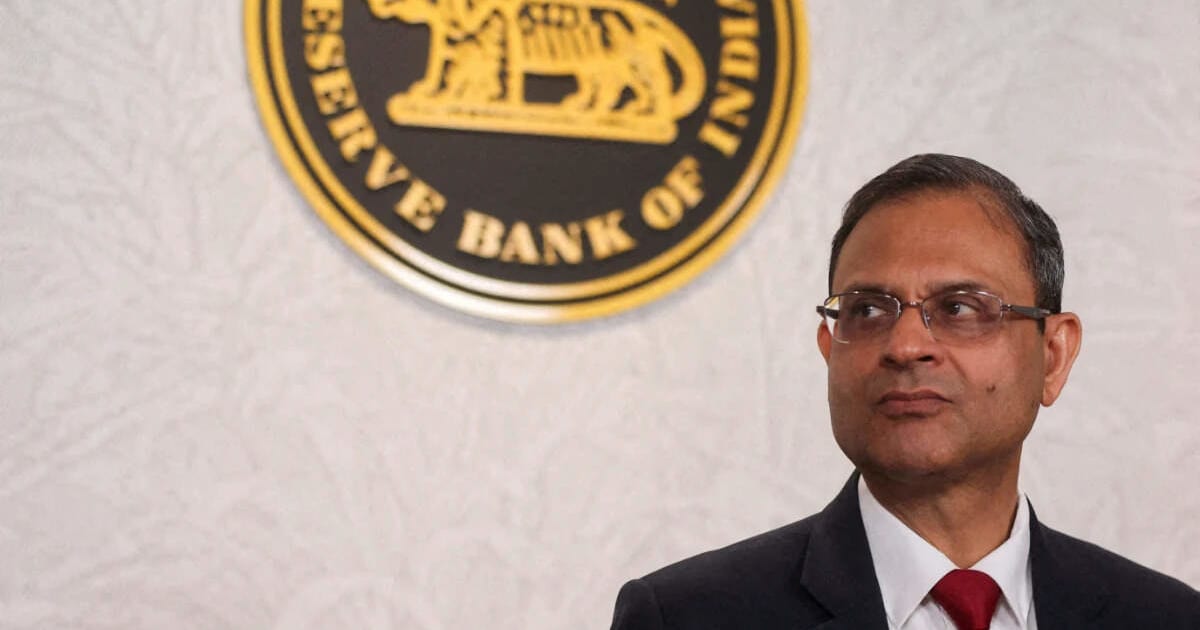
The Reserve Bank of India has signaled a new phase of monetary policy with a repo rate hike to 5.50% and revised FY27 forecasts. Our analysis unpacks the implications for Indian businesses, consumers, and specific stock market sectors. Understand how this impacts your investment strategy.
RBI's Calibrated Tightening: Unpacking the FY27 Economic Reset for Indian Markets
The Reserve Bank of India (RBI) has delivered a significant monetary policy shift, elevating the benchmark repo rate to 5.50%. This move, coupled with an upward revision of the FY27 Gross Domestic Product (GDP) growth forecast to a robust 7.1% (from 6.7%) and a higher inflation projection of 5.2% for the same fiscal year (up from previous estimates), signals a calibrated tightening stance. This isn't merely a minor adjustment; it's a strategic recalibration that acknowledges India's underlying economic strength while proactively addressing persistent inflationary pressures. For investors, this moment demands a thorough understanding of the ripple effects across the Indian stock market, as borrowing costs, corporate profitability, and consumer spending dynamics are set for a substantial realignment.
The 'why now' is critical. Global commodity price volatility, particularly crude oil, coupled with domestic supply-side constraints and robust demand, have kept inflation stubbornly above the RBI's comfort zone. The central bank's action aims to anchor inflation expectations and prevent a demand-pull spiral, even as it recognizes the economy's inherent resilience. This balance between growth impetus and price stability is the fulcrum of the RBI's current policy narrative, creating a nuanced landscape for capital allocation. The days of ultra-loose monetary policy are firmly behind us, ushering in an era where capital efficiency and pricing power will define corporate winners.
How Will the RBI Repo Rate Hike Impact Indian Stock Market Sectors?
The immediate aftermath of a repo rate hike often sees a knee-jerk reaction in interest-rate sensitive sectors. However, a deeper analysis reveals a more complex interplay. The positive revision in FY27 GDP growth to 7.1% provides a strong fundamental backdrop, suggesting that despite higher borrowing costs, the economic engine is expected to maintain significant momentum. This growth forecast, if realized, could cushion some of the negative impacts of increased interest expenses for businesses. Historically, periods of strong GDP growth have often correlated with buoyant equity markets, even with tighter monetary conditions, albeit with sector-specific divergence.
- Banking & Financial Services: Winners in a Rising Rate Cycle? Banks like HDFC Bank (NSE: HDFCBANK) and ICICI Bank (NSE: ICICIBANK) often benefit from rising interest rates, as their Net Interest Margins (NIMs) can expand. As lending rates increase faster than deposit rates, the spread widens, boosting profitability. For instance, in previous tightening cycles (e.g., 2022), leading private banks demonstrated resilience, with their net interest income showing sequential growth. Non-banking financial companies (NBFCs) with robust asset-liability management and strong credit demand also stand to gain from higher interest income. However, the quality of their loan book and exposure to interest-rate sensitive sectors will be critical differentiators.
- Interest-Rate Sensitive Sectors: Real Estate, Auto, Consumer Durables Face Headwinds. The NSE Realty Index, for example, typically experiences pressure. Developers like DLF (NSE: DLF) and Godrej Properties (NSE: GODREJPROP) face higher construction finance costs and a potential slowdown in homebuyer demand due to increased mortgage rates. The automotive sector, represented by companies like Maruti Suzuki (NSE: MARUTI) and Tata Motors (NSE">TATAMOTORS), and consumer durables firms like Havells India (NSE: HAVELLS) will likely see demand moderate as equated monthly installments (EMIs) for vehicle loans and consumer finance rise. This impact is exacerbated by inflation eroding discretionary spending power.
- Sectors with Strong Pricing Power: Resilience Amidst Inflation. Companies operating in essential goods or services, or those with strong brand equity that allows them to pass on increased input costs, will prove more resilient. Certain segments of the FMCG sector, pharmaceuticals, and IT services could fall into this category. Their ability to maintain or expand margins despite rising inflation will be a key determinant of their stock performance.
- Export-Oriented Sectors: Potential Beneficiaries of a Weaker Rupee. While inflation can put pressure on the Indian Rupee, potentially leading to depreciation, this could benefit export-focused sectors. IT services giants like Tata Consultancy Services (NSE: TCS) and Infosys (NSE: INFY), and certain manufacturing exporters, could see improved realizations from their foreign currency earnings. However, this benefit must be weighed against global demand slowdowns.
Specific Indian Stocks: Winners and Losers from RBI's Policy Shift
Identifying specific stocks and understanding their sensitivities is paramount for navigating this new environment. Here's a breakdown of how key players on the NSE/BSE might react:
- ICICI Bank (NSE: ICICIBANK): With a market capitalization exceeding ₹7.5 lakh crore and a P/E ratio around 20x, ICICI Bank is a bellwether for the banking sector. A rate hike typically expands its NIMs, boosting profitability. Its diversified loan book and strong retail deposit base provide resilience. Peer HDFC Bank (NSE: HDFCBANK) will likely exhibit similar positive leverage to higher rates, given its robust liability franchise.
- State Bank of India (NSE: SBIN): As India's largest public sector bank, SBIN (market cap ~₹6.5 lakh crore, P/E ~10x) also stands to benefit from NIM expansion. Its extensive branch network and significant corporate lending book mean higher interest rates translate to improved interest income. However, its exposure to potentially weaker segments of the economy could be a slight concern if growth falters significantly.
- DLF Ltd (NSE: DLF): A leading real estate developer with a market cap of approximately ₹1.8 lakh crore and a high debt-to-equity ratio, DLF is highly sensitive to interest rate movements. Increased borrowing costs for construction finance, coupled with potentially softer demand from homebuyers facing higher mortgage EMIs, could compress its margins and sales volumes. Its peer, Godrej Properties (NSE: GODREJPROP), which also relies on consumer financing for sales, faces similar headwinds.
- Maruti Suzuki India Ltd (NSE: MARUTI): India's largest passenger vehicle manufacturer (market cap ~₹4 lakh crore, P/E ~30x) will likely face demand deceleration. A significant portion of vehicle purchases are financed, and higher interest rates directly translate to increased EMI burdens for consumers. This, combined with persistent inflation eroding disposable incomes, could impact sales volumes and, consequently, revenue growth. Tata Motors (NSE: TATAMOTORS) and Mahindra & Mahindra (NSE: M&M) will experience similar pressures in their domestic automotive segments.
- Pidilite Industries Ltd (NSE: PIDILITE): As a leading adhesive and construction chemicals company (market cap ~₹1.5 lakh crore, P/E ~70x), Pidilite is a proxy for consumer discretionary spending and construction activity. While it has strong brand power, a slowdown in real estate and consumer durables could indirectly impact its B2B segment, and higher input costs (linked to crude derivatives) combined with potentially subdued consumer demand could challenge its ability to pass on price increases fully.
Expert Perspectives: Bulls vs. Bears on the RBI's Stance
The RBI's move has naturally sparked divergent opinions among market commentators. Bulls would argue that the proactive rate hike, combined with a robust FY27 GDP forecast of 7.1%, demonstrates the RBI's commitment to long-term economic stability. They contend that a strong underlying economy can absorb higher borrowing costs, and that taming inflation now prevents more drastic measures later. This 'growth with stability' narrative suggests that corporate earnings will continue to expand, albeit at a slightly moderated pace, making India an attractive long-term investment destination. Furthermore, they might highlight that the current P/E multiples, while seemingly stretched for some sectors, are justified by India's demographic dividend and structural reforms.
Conversely, bears express concern that the higher inflation forecast of 5.2% for FY27, even with the rate hike, indicates persistent price pressures that could further erode corporate margins and consumer purchasing power. They fear that the 'calibrated tightening' might not be enough to rein in inflation, potentially necessitating further rate hikes and risking a growth slowdown. The elevated crude oil prices and the unpredictable impact of El Niño on agricultural output are frequently cited risks. Bears might point to the Nifty's reaction during the 2022 tightening cycle, where it saw a modest correction before regaining momentum, emphasizing that the path ahead could be volatile, especially for highly leveraged companies or those reliant on discretionary spending.
Actionable Investor Playbook: Navigating the New Monetary Landscape
Given the nuanced outlook, investors need a tactical playbook to optimize their portfolios. The strategy should focus on resilience, pricing power, and judicious debt management.
- Buy/Accumulate:
- Quality Banks: Focus on large private sector banks (NSE: HDFCBANK, NSE: ICICIBANK) with strong deposit franchises and robust asset quality. Look for those with improving NIMs and prudent credit growth.
- Export-Oriented IT Services: Companies like NSE: TCS and NSE: INFY offer a hedge against potential rupee depreciation and benefit from global demand for digital transformation. Entry points could be considered on any market dips.
- Sectors with Inelastic Demand/Pricing Power: Select FMCG players or pharmaceutical companies with strong brand equity and essential product portfolios. Evaluate their ability to pass on costs without significant demand destruction.
- Sell/Reduce Exposure:
- Highly Leveraged Companies: Firms with high debt-to-equity ratios will see increased interest servicing costs, impacting their bottom line. Review balance sheets thoroughly.
- Interest-Rate Sensitive Discretionary Sectors: Reduce exposure to real estate (NSE: DLF, NSE: GODREJPROP) and auto (NSE: MARUTI) where demand may be impacted by higher financing costs and inflation.
- Import-Dependent Companies: Businesses heavily reliant on imports, especially those with limited hedging strategies, will face pressure from a potentially weaker rupee and higher global commodity prices.
- Watch:
- Mid-Cap and Small-Cap Banks/NBFCs: While some may benefit, others with weaker asset quality or concentrated loan books could face challenges. Monitor their earnings reports closely.
- Infrastructure Sector: Government spending continues to drive this sector, but project financing costs will rise. Focus on companies with robust order books and strong execution capabilities.
- Time Horizon: This is a medium-term adjustment (6-18 months). The full impact of rate hikes on credit growth and inflation will unfold over several quarters. Patient, quality-focused investing is key.
Risk Matrix: Key Threats to India's Economic Outlook
While the RBI's stance aims for stability, several risks could derail the current forecasts:
- Persistent High Inflation (Probability: Medium-High): If global crude oil prices continue their upward trajectory or if El Niño severely impacts agricultural output, the 5.2% FY27 inflation forecast could prove optimistic. This would necessitate further aggressive rate hikes, potentially stifling the 7.1% growth projection. The 'last mile' of disinflation is often the most challenging.
- Global Economic Slowdown (Probability: Medium): A sharper-than-expected slowdown in major economies (US, Europe, China) could impact India's exports and foreign capital inflows. This would weaken external demand and potentially put pressure on corporate earnings, especially for export-oriented sectors.
- Fiscal Slippage (Probability: Low-Medium): While the government has demonstrated fiscal prudence, any deviation from its consolidation path, perhaps due to unforeseen populist measures, could exacerbate inflationary pressures and complicate the RBI's efforts.
- Geopolitical Volatility (Probability: Medium): Escalations in ongoing geopolitical conflicts or emergence of new ones could disrupt supply chains, spike commodity prices, and dampen investor sentiment globally, impacting India's growth trajectory.
What to Watch Next: Catalysts for India's Economic Trajectory
Investors should closely monitor several upcoming data releases and events that will provide further clarity on India's economic path:
- Monthly CPI and WPI Data: These will be crucial indicators of inflation trends. Consistent moderation below 5% would signal success for the RBI's policy.
- Quarterly Corporate Earnings: Q1 and Q2 FY27 earnings reports will reveal the initial impact of higher interest rates on corporate margins and credit growth for various sectors. Pay close attention to banking sector NIMs and real estate sales volumes.
- Monsoon Performance: The progress of the monsoon season and its impact on agricultural output will be vital for food inflation and rural demand.
- Global Crude Oil Prices: Any significant spikes or drops in international crude prices will directly influence India's inflation and current account deficit.
- US Federal Reserve's Monetary Policy: The Fed's rate decisions and forward guidance will continue to influence global capital flows and the rupee's trajectory.
- Government's FY27 Budget: The upcoming Union Budget will provide insights into fiscal policy, infrastructure spending, and potential tax changes, all of which will have market implications.
The RBI's latest policy action marks a pivotal moment for the Indian economy and its financial markets. While the path ahead may present challenges, a well-informed and agile investment strategy, focusing on quality and resilience, will be key to navigating this evolving landscape and capitalizing on India's long-term growth story.
Run a free AI Stock Screen
Our algorithmic screener scores any NSE/BSE stock on fundamentals, momentum, and risk — free to try, no card needed.
Try the AI Screener →Have questions about this story?
Ask Welth, our finance-focused AI research assistant, for a deeper breakdown — free trial included.
Chat with Welth AI →Disclaimer: This content is generated by WelthWest Research Desk based on publicly available reports and is for informational purposes only. It does not constitute financial advice, investment recommendations, or an offer to buy or sell securities. Always consult a qualified financial advisor before making investment decisions.