Key Takeaway
The U.S. Senate's rejection of the Crypto Clarity Act casts a long shadow over global digital asset regulation, signaling continued caution. For Indian investors, this translates to heightened volatility in crypto-linked assets and a potential dampening effect on domestic blockchain innovation stocks, demanding a more defensive portfolio stance.
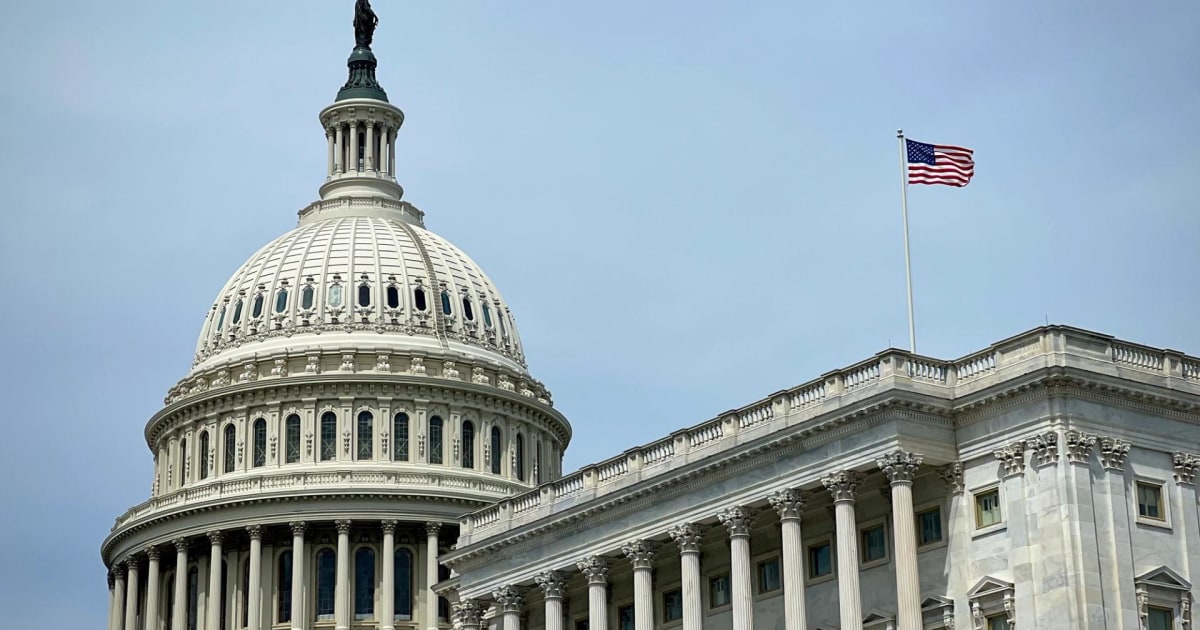
The U.S. Senate's recent rejection of the 'Crypto Clarity Act' has sent ripples through the global digital asset landscape, delaying a much-needed regulatory framework. This article delves into the profound implications for the Indian market, examining how prolonged regulatory uncertainty in a major economy like the U.S. impacts Indian tech companies, investors, and the broader sentiment around blockchain adoption. We provide a deep dive into specific stock impacts and an actionable investor playbook.
U.S. Crypto Clarity Act Fails: A Deep Dive into Global Ripple Effects and Indian Market Implications
The U.S. Senate's recent decision to reject the 'Crypto Clarity Act' marks a pivotal moment, not just for American digital asset markets, but for the entire global cryptocurrency ecosystem. This legislative setback, intended to establish a comprehensive regulatory framework for digital assets in the world's largest economy, instead prolongs an era of uncertainty, creating significant headwinds for innovation and investment. At WelthWest Research Desk, we believe this event will have far-reaching, albeit indirect, consequences for Indian investors and companies deeply entrenched or exploring the burgeoning blockchain and crypto space.
The failure of this critical piece of legislation to pass through the U.S. Senate is more than just a procedural hiccup; it's a powerful signal of continued regulatory apprehension among major global policymakers. While India has its own evolving stance on digital assets, the U.S. approach often sets a precedent or influences the broader global sentiment. This lack of a clear regulatory roadmap from a key economic superpower can deter institutional capital, stifle innovation, and exacerbate volatility in an already nascent asset class. For Indian investors, this means a recalibration of risk profiles and a closer look at how global regulatory headwinds might impact domestic growth trajectories.
What Happened with the Crypto Clarity Act and Why it Matters Now?
The 'Crypto Clarity Act' was envisioned as a landmark piece of legislation designed to provide a much-needed legal and operational framework for cryptocurrencies in the United States. Its core objective was to clarify which digital assets fall under the purview of commodity regulators (CFTC) versus securities regulators (SEC), thereby offering legal certainty to exchanges, developers, and investors. Proponents argued it would foster innovation, protect consumers, and prevent capital flight by establishing clear 'rules of the road'.
The Senate's rejection, however, leaves the U.S. digital asset market in a state of continued ambiguity, operating under a patchwork of existing laws ill-suited for the unique characteristics of blockchain technology. This matters profoundly now because the industry has reached a critical juncture. Institutional adoption, once a distant dream, is now knocking on the door, with major financial players increasingly exploring tokenization, stablecoins, and decentralized finance (DeFi). Without a clear regulatory compass, these institutions face insurmountable compliance hurdles, deterring significant capital inflows. For Indian entities looking to partner with or attract investment from U.S. counterparts, this regulatory quagmire creates an additional layer of complexity and risk, potentially slowing the pace of cross-border blockchain initiatives.
Deep Market Impact Analysis: Connecting U.S. Regulatory Stalls to Indian Equities
While the immediate impact of the U.S. Senate's decision is felt most acutely in American crypto markets, the ripple effect on global sentiment cannot be overstated. India's financial markets, despite their relative insulation, are not entirely immune. The overarching bearish sentiment emanating from a major economy's regulatory indecision can lead to a 'risk-off' environment, impacting companies with direct or indirect exposure to the digital asset space.
Historically, significant regulatory shifts or delays in major economies have often correlated with broader market reactions. For instance, the 2022 crypto winter, exacerbated by regulatory crackdowns and bankruptcies, saw a noticeable dip in technology stocks globally, including in India. While the Nifty 50 might not experience a direct, sharp decline, specific sectors and companies within the Indian market are vulnerable. Tech companies, especially those engaged in blockchain development, Web3 infrastructure, or offering crypto-related services, will likely face increased investor scrutiny. Capital allocation towards these experimental, high-growth segments could slow down as investors prioritize regulatory stability and clearer growth pathways.
Consider the broader technology sector. Companies that derive even a small portion of their revenue from blockchain-as-a-service (BaaS) or Web3 consulting might see a valuation adjustment. Furthermore, Indian retail investors, who have shown a significant appetite for cryptocurrencies, might reduce their exposure, potentially leading to a slight outflow from domestic equity markets into more traditional, perceived 'safer' assets, or simply remaining on the sidelines. The total cryptocurrency market capitalization, which briefly touched $2.5 trillion earlier this year, could face renewed pressure, and a sustained decline could indirectly affect the disposable income of a segment of Indian investors, leading to a marginal impact on consumption-driven stocks.
Stock-by-Stock Breakdown: Indian Companies Under the Crypto Cloud
The direct impact on Indian listed entities is nuanced, as very few companies are pure-play crypto firms. However, several companies with exposure to blockchain technology, IT services, or even financial services with an eye on digital assets could feel the squeeze. Here are 4-6 specific NSE/BSE stocks and sectors that warrant attention:
- Tata Consultancy Services (TCS.NS): As a global IT services giant, TCS has been actively involved in blockchain solutions for enterprise clients, including supply chain management, financial services, and healthcare. While blockchain revenue is a small fraction of its total, prolonged global regulatory uncertainty could slow down enterprise adoption of new blockchain projects, impacting future growth in this niche. Investors might view its P/E ratio, currently around 30x, with more caution if the growth outlook for emerging tech like blockchain dims.
- Infosys (INFY.NS): Similar to TCS, Infosys has invested significantly in its blockchain capabilities and offers consulting and development services. A slowdown in U.S. enterprise blockchain spending due to regulatory ambiguity could translate into fewer project wins or delayed implementations for Infosys, potentially affecting its long-term digital services growth trajectory.
- Tech Mahindra (TECHM.NS): Tech Mahindra has been particularly aggressive in its Web3 and metaverse initiatives, even launching a 'Metaverse as a Service' offering. Its stock, often seen as a bellwether for innovation in Indian IT, could face selling pressure if the broader sentiment towards speculative tech, fueled by crypto's regulatory woes, turns negative. Companies betting heavily on future-tech adoption might see their valuations, often priced for future growth, come under scrutiny.
- Persistent Systems (PERSISTENT.NS): This mid-cap IT firm has a strong focus on digital engineering and niche technology solutions, including blockchain. While its diversified portfolio provides some resilience, any dampening of global tech spending, particularly in cutting-edge areas, could affect its order book and revenue growth, which has been robust in recent quarters.
- Wipro (WIPRO.NS): Wipro, too, has a dedicated blockchain practice, focusing on areas like digital identity and financial ledger solutions. While its broad service offerings provide a buffer, the indirect impact of a global 'crypto chill' could lead to a more conservative outlook from clients, potentially impacting the pace of new technology adoption and spending within its client base.
- HDFC Bank (HDFCBANK.NS) / ICICI Bank (ICICIBANK.NS): While not directly exposed, major Indian banks have been exploring blockchain for interbank settlements, trade finance, and digital currency pilots. Prolonged global regulatory uncertainty could make them even more cautious in adopting or integrating blockchain solutions, potentially slowing down their digital transformation initiatives in this specific area. The sentiment might subtly influence their technology spend outlook.
Sector peers in the IT services space, especially those with significant exposure to digital transformation and emerging technologies, should be monitored closely. The 'Global IT Services' sector (BSE Code: 500034 for some components) could see a slight re-rating as investors factor in increased regulatory risk for future-oriented tech initiatives.
Expert Perspective: Bulls vs. Bears on Crypto's Future
The failure of the Crypto Clarity Act elicits sharply divided opinions among experts.
Bearish Argument: Critics argue that this legislative failure is a significant setback, reinforcing the narrative that cryptocurrencies lack legitimate regulatory oversight. "Without clear rules, institutional capital remains sidelined, and retail investors are left vulnerable," states a prominent financial analyst. "This isn't just a delay; it's a signal that regulators are either unwilling or unable to grapple with this technology effectively, pushing innovation to less regulated jurisdictions. Expect continued volatility and a struggle for mainstream adoption until a unified, comprehensive framework emerges." They point to the ongoing legal battles and enforcement actions by the SEC as evidence of this fractured approach, which stifles rather than fosters growth. The lack of a clear framework makes it nearly impossible for traditional financial institutions to offer crypto products without significant legal risk, thereby limiting market depth and liquidity.
Bullish Argument: Conversely, proponents of digital assets argue that this is merely a temporary setback, a 'speed bump' on the long road to mainstream adoption. "Innovation rarely waits for legislation," counters a blockchain venture capitalist. "The underlying technology continues to evolve, and the market will find ways to adapt, even in a fragmented regulatory environment. Furthermore, the absence of a restrictive framework might allow for more organic growth and experimentation, rather than being stifled by premature or ill-conceived regulations. Other countries are moving forward, and the U.S. will eventually catch up, driven by market demand and technological imperative." They highlight the continued development in DeFi, NFTs, and enterprise blockchain solutions, suggesting that the fundamental value proposition of distributed ledgers remains intact, irrespective of U.S. legislative pace. The global nature of crypto means that innovation isn't confined to a single jurisdiction, and capital will flow to where it's best nurtured.
Our analysis at WelthWest leans towards a cautious interpretation. While innovation is resilient, sustained regulatory uncertainty in a market as influential as the U.S. inevitably creates friction, delaying the massive institutional inflows that are crucial for crypto's next growth phase. This friction will manifest in higher risk premiums for crypto-exposed assets and a slower integration of blockchain into mainstream finance.
Actionable Investor Playbook: Navigating the Regulatory Fog
For Indian investors, navigating this environment requires a disciplined and informed approach. Here's an actionable playbook:
- Re-evaluate Crypto Holdings: If you hold direct cryptocurrencies (Bitcoin, Ethereum, altcoins), consider reducing exposure to highly speculative assets. Focus on established, high-market-cap tokens with strong fundamentals and clear use cases. Set tighter stop-losses and consider profit-booking on any significant rallies. The time horizon for substantial, sustained gains might have extended.
- Watch Indian IT Services Stocks Closely: For stocks like TCS, Infosys, and Tech Mahindra, monitor their commentary on digital transformation and blockchain project pipelines. Any indication of slowed client spending or delayed project starts in these areas should be a red flag. Look for companies with diversified digital portfolios that aren't overly reliant on nascent tech. Entry points for these stocks might become more attractive on dips, but the immediate catalyst for blockchain-driven growth is now dimmed.
- Avoid Pure-Play Crypto/Web3 Startups (Unlisted): While the unlisted startup space is vibrant, regulatory uncertainty increases the risk profile significantly. Unless you have a very high-risk tolerance and deep understanding of the specific project, exercise extreme caution.
- Focus on Infrastructure Plays: Instead of direct crypto, consider companies providing underlying infrastructure that could benefit from blockchain adoption regardless of regulatory specifics (e.g., cloud computing providers, cybersecurity firms). While less direct, these offer a safer proxy.
- Defensive Stance: In the short to medium term (next 6-12 months), a more defensive stance in your portfolio is prudent. Allocate a larger portion to stable, dividend-paying stocks in sectors less exposed to global tech volatility, such as FMCG (e.g., Hindustan Unilever - HUL.NS) or pharmaceuticals (e.g., Sun Pharma - SUNPHARMA.NS).
- Monitor Global Regulatory Developments: Keep a close eye on regulatory actions in other major jurisdictions (EU, UK, Singapore). Positive developments elsewhere could partially offset the U.S. drag.
Risk Matrix: Assessing the Uncertainties
The current environment presents several specific risks for investors:
- Prolonged U.S. Regulatory Ambiguity (Probability: High): The U.S. political landscape is complex, and achieving bipartisan consensus on novel technologies like crypto is notoriously difficult. Expect continued delays, potentially extending for another 12-24 months, leading to a 'death by a thousand cuts' for certain segments of the industry. This will deter institutional capital and keep volatility elevated.
- Capital Flight and Innovation Drain (Probability: Medium): Without a clear framework, innovative crypto projects and talent may increasingly migrate to more crypto-friendly jurisdictions (e.g., UAE, Singapore). This could diminish the U.S.'s role as a global leader in financial innovation, and by extension, impact global collaboration opportunities for Indian firms.
- Increased Enforcement Actions (Probability: Medium-High): In the absence of clear legislation, U.S. regulators (SEC, CFTC) are likely to continue their 'regulation by enforcement' approach. This creates unpredictable legal risks for crypto businesses and can lead to sudden market shocks, as seen with various token delistings or lawsuits.
- Reduced Institutional Adoption (Probability: High): Major financial institutions require regulatory clarity to enter the crypto space at scale. The current impasse significantly delays the launch of new crypto-backed products, institutional trading desks, and large-scale blockchain integrations, limiting market depth and maturity.
What to Watch Next: Catalysts and Dates Moving Forward
The story of crypto regulation is far from over. Investors should monitor the following key catalysts and developments:
- U.S. Presidential Election Cycle (Q4 2024): The outcome of the U.S. elections could significantly alter the regulatory landscape. A new administration or shift in Congressional power might bring renewed impetus for crypto legislation, or conversely, a more hostile stance. Pay attention to candidate platforms on digital assets.
- European Union's MiCA Implementation (Phased, starting Q4 2024 - Q1 2025): The EU's Markets in Crypto-Assets (MiCA) regulation is set to be fully implemented. Its successful rollout could provide a template for other nations and potentially attract crypto businesses seeking regulatory clarity, indirectly pressuring the U.S. to act.
- SEC vs. Industry Lawsuits (Ongoing): Key legal battles involving the SEC and major crypto players (e.g., Ripple, Coinbase) will continue to shape judicial interpretations of existing securities laws as applied to digital assets. Rulings in these cases could provide de facto clarity, even without new legislation.
- Indian Government's Stance on Crypto (Ongoing): While the U.S. situation is distinct, India's own evolving regulatory framework will be crucial. Statements from the RBI, Finance Ministry, and any proposed legislation will significantly impact domestic sentiment and investment. Look for updates on India's CBDC (Central Bank Digital Currency) progress, which could influence broader crypto policy.
- Global Financial Stability Board (FSB) & G20 Recommendations (Ongoing): International bodies are working on harmonized crypto regulations. Any concrete recommendations from these groups could push individual nations, including the U.S. and India, towards adopting clearer frameworks.
The rejection of the Crypto Clarity Act is a clear reminder that the path to mainstream digital asset adoption is fraught with political and regulatory hurdles. For Indian investors, this underscores the importance of a well-researched, diversified portfolio, and a vigilant eye on global regulatory shifts that inevitably influence domestic market dynamics.
Run a free AI Stock Screen
Our algorithmic screener scores any NSE/BSE stock on fundamentals, momentum, and risk — free to try, no card needed.
Try the AI Screener →Have questions about this story?
Ask Welth, our finance-focused AI research assistant, for a deeper breakdown — free trial included.
Chat with Welth AI →Disclaimer: This content is generated by WelthWest Research Desk based on publicly available reports and is for informational purposes only. It does not constitute financial advice, investment recommendations, or an offer to buy or sell securities. Always consult a qualified financial advisor before making investment decisions.