Key Takeaway
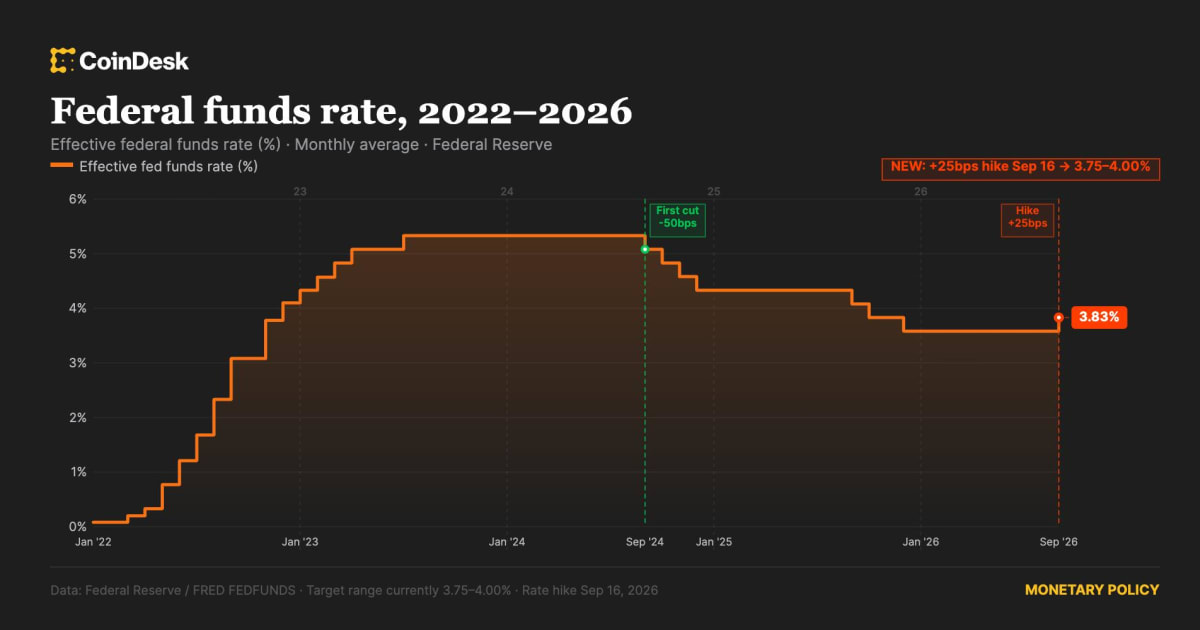
The US Federal Reserve's aggressive monetary tightening cycle signals a challenging period for Indian equities. Investors must navigate potential capital flight, currency depreciation, and heightened borrowing costs, favoring resilient exporters and defensive assets.

The US Federal Reserve's latest interest rate hike, coupled with hawkish signals, is reshaping the global investment landscape. For India, this translates to increased pressure on the Rupee, potential foreign portfolio investor (FPI) outflows, and elevated borrowing costs. This analysis dissects the immediate and long-term implications for Indian stocks and sectors.
US Fed's Aggressive Stance: A Seismic Shift for Indian Equities
The United States Federal Reserve has once again signaled its unwavering commitment to taming persistent inflation, enacting a significant interest rate hike and projecting a steeper trajectory for future increases. This decisive action, aimed at cooling an overheated American economy, sends ripples across the global financial system, with profound implications for emerging markets like India. The core event is clear: the Fed is prioritizing price stability, even at the potential cost of slower economic growth. This pivot from accommodative monetary policy to aggressive tightening fundamentally alters the risk-reward calculus for international investors, particularly those deploying capital in high-growth, but perceived higher-risk, economies.
Why This Matters Now: The Dollar's Ascendancy and Emerging Market Vulnerabilities
The immediate consequence of rising US interest rates is the enhanced attractiveness of dollar-denominated assets. As yields on US Treasury bonds and other safe-haven investments climb, they draw capital away from riskier emerging market assets. This phenomenon, often termed 'capital flight,' can lead to substantial outflows of foreign institutional investment (FII) from markets such as India. The withdrawal of foreign capital not only depresses stock valuations but also exerts significant downward pressure on the Indian Rupee. A weaker Rupee makes imports more expensive, directly impacting India's trade balance and the cost of goods for numerous domestic companies. Furthermore, it exacerbates the burden for Indian corporations holding substantial unhedged foreign currency debt, as the rupee cost of servicing these liabilities increases. Globally, this tightening of liquidity means borrowing becomes more expensive across the board, affecting corporate expansion plans and investment cycles.
Deep Market Impact Analysis: Navigating the Storm in Indian Equities
The Indian stock market, highly sensitive to global capital flows and currency movements, is poised for a period of heightened volatility. Historically, periods of aggressive US monetary tightening have correlated with FII outflows and underperformance in emerging markets. For instance, during the Fed's tightening cycle in 2022, the Nifty 50 experienced significant drawdowns as foreign investors re-evaluated their risk exposure. The current scenario presents a similar, if not more pronounced, challenge due to the persistent nature of inflation and the Fed's resolute stance. The anticipated depreciation of the Indian Rupee from its current levels (e.g., hovering around 83 INR to 1 USD) will directly impact import-heavy sectors and companies with significant foreign currency denominated payables. Conversely, export-oriented businesses stand to benefit from a weaker Rupee, as their goods and services become more competitive on the global stage.
The tightening global liquidity environment is also a critical factor. Indian corporations, many of whom rely on external funding for expansion and working capital, will face higher borrowing costs. This can erode profit margins, particularly for capital-intensive industries and those with high debt-to-equity ratios. The Reserve Bank of India (RBI) may also find itself in a difficult position, potentially needing to balance domestic growth imperatives with the need to manage inflation and currency stability, which could lead to domestic interest rate hikes.
How Will RBI Rate Hikes Affect Bank Stocks in India?
The specter of domestic rate hikes looms large, directly impacting the banking sector. While higher lending rates can theoretically boost Net Interest Margins (NIMs) for banks, a rapid increase in borrowing costs for consumers and businesses could lead to a slowdown in loan growth and a potential increase in Non-Performing Assets (NPAs). Banks with a higher proportion of floating-rate loans and those heavily exposed to interest-rate sensitive sectors like real estate and automobiles will be particularly vulnerable. Conversely, banks with strong deposit franchises and robust asset quality might be better positioned to weather the storm. The interplay between Fed-induced global liquidity tightening and domestic monetary policy responses will be a key determinant of banking sector performance.
Sector-Level Breakdown: Winners and Losers in the New Monetary Paradigm
The impact of the Fed's actions will not be uniform across India's diverse economic landscape. Certain sectors are inherently more exposed than others, creating clear winners and losers.
- Export-Oriented IT Services: Companies like Tata Consultancy Services (TCS) and Infosys, which derive a substantial portion of their revenue from dollar-denominated contracts in the US and Europe, stand to gain from a weaker Rupee. A depreciating INR translates into higher rupee revenues and potentially improved operating margins, assuming cost structures remain stable. For example, a 5% depreciation in the INR against the USD can boost the reported revenue of IT firms by a similar margin, without any increase in actual dollar billing.
- Pharmaceuticals (Export-Oriented): Similar to IT, Indian pharmaceutical companies with significant export revenues, particularly to regulated markets like the US and Europe, will benefit from a weaker Rupee. This can enhance their profitability and competitiveness.
- Gold: As a traditional safe-haven asset, gold often performs well during periods of global economic uncertainty and rising inflation. Investors seeking to hedge against currency depreciation and market volatility may increase their allocation to gold, potentially driving up its price.
- Interest-Rate Sensitive Sectors (Real Estate, Auto): These sectors are likely to face headwinds. Higher domestic interest rates, if enacted by the RBI, will increase mortgage and loan EMIs, dampening demand for housing and vehicles. Companies like DLF and Maruti Suzuki, which are heavily reliant on consumer financing, could see sales volumes decline.
- Companies with Significant Unhedged Foreign Currency Debt: These entities will face increased financial pressure as the cost of servicing their debt rises with a weaker Rupee. This could impact their profitability and solvency.
- Capital-Intensive Sectors: Sectors requiring substantial upfront investment, such as infrastructure and manufacturing, may see project timelines extended and financing costs escalate, impacting their growth prospects.
Stock-by-Stock Breakdown: Identifying Specific Impacts
The broad sector trends translate into distinct impacts on individual companies listed on the National Stock Exchange (NSE) and Bombay Stock Exchange (BSE).
- Tata Consultancy Services (TCS) & Infosys: As bellwethers of the Indian IT sector, their fortunes are closely tied to global IT spending and currency fluctuations. With significant revenue streams from North America and Europe, a depreciating Rupee is a direct positive for their rupee-denominated earnings. For instance, with market caps in the trillions of rupees and P/E ratios often ranging between 25-35, even a modest increase in rupee realizations can significantly boost profitability. Their substantial foreign currency reserves also provide a buffer.
- Reliance Industries (RIL): RIL's diversified business model, encompassing refining, petrochemicals, and retail, presents a mixed picture. While its refining and petrochemical segments benefit from global commodity price dynamics, its significant import requirements for certain raw materials and its energy business's reliance on global energy prices mean it is susceptible to currency headwinds and inflation. Its substantial foreign currency debt also warrants close monitoring.
- HDFC Bank: While not directly exposed to foreign currency fluctuations in its core lending business, HDFC Bank, like all major financial institutions, is indirectly impacted by tightening global liquidity and potential domestic rate hikes. Higher borrowing costs for the bank and its corporate clients, as well as potential slowdowns in loan demand due to increased interest rates, could affect its NIMs and asset quality over the medium term.
- DLF: As a prominent real estate developer, DLF's performance is highly sensitive to interest rates. A rise in home loan interest rates directly impacts affordability for potential buyers, leading to a slowdown in sales bookings and project execution. The company's debt levels also become a greater concern in a rising interest rate environment.
- Maruti Suzuki India: The automotive sector is notoriously interest-rate sensitive. Higher interest rates translate to more expensive car loans, which can significantly dampen demand for vehicles, especially in the mass-market segments where Maruti Suzuki holds a dominant share. The company's reliance on imported components also makes it vulnerable to a weaker Rupee.
“The Fed's commitment to bringing inflation down is resolute. This means a period of higher global interest rates and potentially lower growth, which will necessitate a more cautious approach from investors in emerging markets. The Indian market is not immune to these global forces.”
Expert Perspective: Bears vs. Bulls on the Path Ahead
The current market sentiment is undeniably bearish, driven by the aggressive monetary tightening by global central banks, particularly the US Federal Reserve. Bears argue that the Fed's actions are a precursor to a global recession, which will lead to a sharp contraction in corporate earnings worldwide, including in India. They point to the increasing probability of significant FII outflows, a sustained depreciation of the Indian Rupee, and a potential credit crunch as key risks. The argument is that any short-term rallies will be unsustainable, and investors should prioritize capital preservation and defensive assets.
Conversely, bulls emphasize India's inherent domestic growth story and its relative resilience compared to other emerging markets. They argue that the Indian economy is less dependent on exports than many of its peers and that domestic consumption remains robust. Bulls also highlight that the Indian Rupee's depreciation, while a concern, also benefits a significant portion of India's export-led industries, providing a counterbalancing effect. Furthermore, they suggest that the RBI has the tools to manage domestic inflation and liquidity. The contrarian view is that the market may be overreacting to global cues, and Indian equities, particularly quality companies with strong balance sheets, offer attractive long-term valuations amidst the current pessimism.
Actionable Investor Playbook: Navigating the Current Market Climate
In this environment of heightened uncertainty, a strategic and disciplined approach is paramount for investors.
- What to Buy: Focus on companies with strong balance sheets, predictable cash flows, and pricing power. Export-oriented sectors like IT services and pharmaceuticals are attractive due to the potential tailwind from a weaker Rupee. Companies with low debt and dominant market positions within their respective industries should also be considered. Consider allocating a portion of your portfolio to gold as a hedge against inflation and currency risk.
- What to Sell/Reduce Exposure: Reduce exposure to highly leveraged companies, interest-rate sensitive sectors like real estate and automobiles, and companies with significant unhedged foreign currency debt. Companies heavily reliant on discretionary consumer spending might also face pressure.
- What to Watch: Closely monitor the US Federal Reserve's commentary and future interest rate decisions, as well as the RBI's policy actions and inflation data. Track currency movements, especially the USD/INR pair, and FII flows into India.
- Entry Points & Time Horizons: For fundamentally strong companies, consider accumulating positions on market dips, adopting a medium-to-long-term investment horizon (2-5 years). Short-term traders should exercise extreme caution and focus on risk management.
Risk Matrix: Quantifying the Potential Downside
The path ahead is fraught with potential risks that investors must acknowledge and prepare for.
- Risk 1: Aggressive Fed Tightening & Global Recession (Probability: Medium-High). A scenario where the Fed continues to hike rates aggressively, pushing the US and global economy into a significant downturn. This would likely trigger substantial capital flight from India and a sharp contraction in global demand, severely impacting Indian export-oriented sectors.
- Risk 2: Sustained Rupee Depreciation (Probability: Medium). The Indian Rupee could depreciate beyond current expectations, significantly increasing import costs, inflationary pressures, and the burden of foreign debt for Indian companies. This could force the RBI into more drastic, growth-hindering measures.
- Risk 3: Geopolitical Escalation (Probability: Low-Medium). Renewed or intensified geopolitical tensions could disrupt global supply chains, exacerbate commodity price volatility (especially for oil), and further fuel inflation, creating a more challenging operating environment for all economies.
What to Watch Next: Upcoming Catalysts and Data Releases
The narrative surrounding the Fed's actions and their impact on India will continue to evolve. Investors should closely monitor the following catalysts:
- US Inflation Data (CPI, PPI): These releases will be critical in shaping the Fed's future rate-hike decisions. Higher-than-expected inflation will likely lead to further hawkishness.
- RBI Monetary Policy Committee Meetings: The RBI's stance on interest rates and its commentary on inflation and growth will be crucial for domestic market sentiment.
- FII Investment Flows: The direction and magnitude of foreign institutional investment into India will be a key indicator of global investor sentiment towards emerging markets.
- Corporate Earnings Season: The upcoming earnings season will provide a real-time assessment of how companies are navigating higher input costs, currency fluctuations, and potential demand slowdowns.
- Global Growth Indicators: Data from major economies (US, Europe, China) will offer insights into the likelihood and severity of a global economic slowdown.
Navigating this complex global monetary landscape requires a robust understanding of interconnected economic forces and a disciplined investment strategy. By identifying resilient sectors, focusing on quality companies, and actively managing risk, Indian investors can position themselves to weather the current storm and capitalize on opportunities that may arise from this period of significant global financial recalibration.
See TCS's AI Score
Our algorithmic screener scores TCS on fundamentals, momentum, and risk — free to try, no card needed.
Try the AI Screener →Have questions about this story?
Ask Welth, our finance-focused AI research assistant, for a deeper breakdown — free trial included.
Chat with Welth AI →Disclaimer: This content is generated by WelthWest Research Desk based on publicly available reports and is for informational purposes only. It does not constitute financial advice, investment recommendations, or an offer to buy or sell securities. Always consult a qualified financial advisor before making investment decisions.