Key Takeaway
The sustained decoupling of retail fuel prices from global crude benchmarks is creating a latent margin compression cycle for OMCs, effectively shifting the burden of inflation management onto corporate balance sheets.
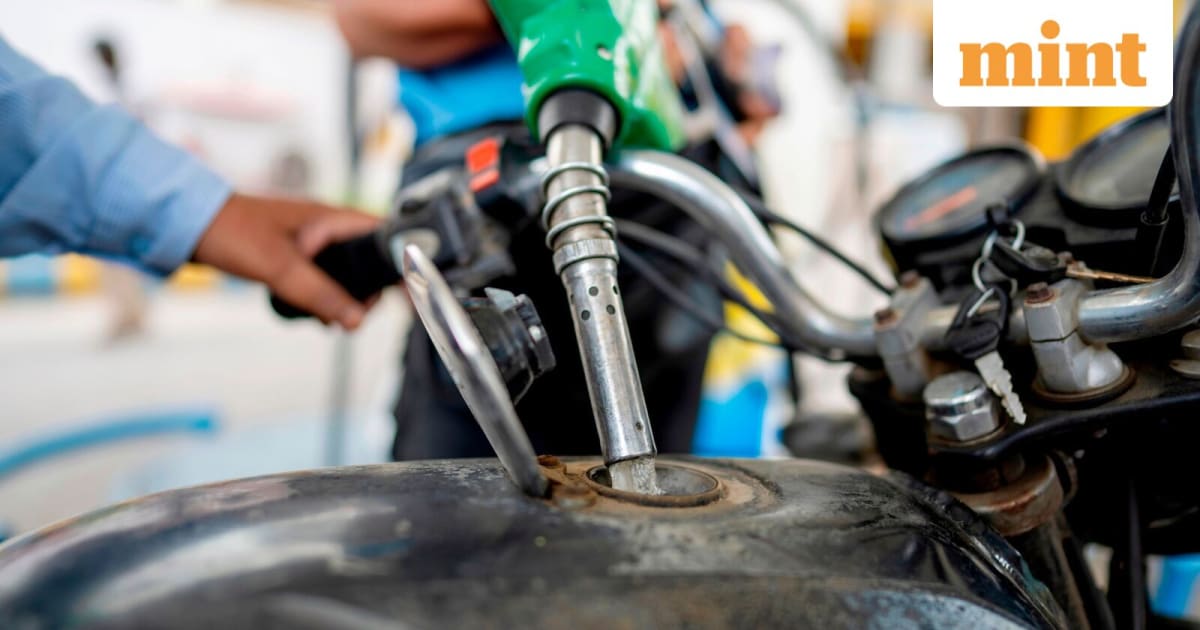
While retail consumers enjoy price stability at the pump, Oil Marketing Companies (OMCs) are navigating a complex environment of margin erosion. This analysis explores the fiscal implications for the energy sector and identifies the downstream ripple effects on Indian logistics, FMCG, and automotive stocks.
The Great Decoupling: Understanding the OMC Margin Squeeze
For months, the Indian retail fuel market has existed in a state of artificial equilibrium. Despite significant volatility in Brent crude prices, domestic petrol and diesel rates have remained largely static. While this serves as a potent tool for macroeconomic inflation control, it masks a brewing structural challenge for India’s Oil Marketing Companies (OMCs). As a senior analyst at WelthWest, I contend that this decoupling is no longer a temporary buffer—it is a systematic reallocation of wealth from the energy sector to the broader consumer economy.
Why does the disconnect between crude oil and retail fuel matter for investors?
The current pricing regime essentially forces OMCs to act as the shock absorbers for the Indian economy. When global crude prices soar, the 'under-recovery' mechanism—even if informal—erodes the marketing margins of firms like IOCL and BPCL. Conversely, when crude prices dip, these companies are often expected to maintain higher retail prices to recoup losses from previous quarters. For investors, this means the historical correlation between oil prices and OMC stock performance has been severed, replaced by a political-economic mandate that prioritizes retail price stability over pure-play profitability.
Historical Parallels: The 2022 Precedent
We must look back to the 2022 energy crisis to understand the current risk profile. During the peak of the Russia-Ukraine conflict, as Brent crude crossed $120/bbl, the Nifty Energy index faced extreme volatility, ultimately underperforming the broader market by nearly 8% over a six-month window. We are observing early warning signs of a similar 'margin-compression' cycle today, characterized by subdued operating margins in the marketing segment despite healthy refining throughput.
Sector-Level Breakdown: Who Wins and Who Loses?
The energy sector is currently a tale of two extremes. Upstream producers, such as ONGC (NSE: ONGC) and OIL (NSE: OIL), remain the primary beneficiaries. Because these firms operate on a cost-plus or realization-based model, they capture the upside of elevated crude prices without the burden of subsidizing retail fuel. Their P/E ratios remain attractive (often sub-10x), reflecting strong cash flows and consistent dividend yields.
Conversely, the downstream and logistics sectors are under immense pressure. FMCG companies, such as HUL or Britannia, are seeing their distribution costs remain elevated despite the 'stable' fuel prices, as the floor for diesel costs remains high. Similarly, logistics-heavy players like Ashok Leyland (NSE: ASHOKLEY) and Tata Motors (NSE: TATAMOTORS) are contending with reduced demand elasticity as high energy costs act as a perpetual tax on their end-consumers.
Stock-by-Stock Analysis: Navigating the Energy Value Chain
- IOCL (Indian Oil Corporation): With a massive market cap and state-mandated roles, IOCL is the most exposed to retail price caps. Its margins are heavily sensitive to marketing fluctuations. Watch for Q2 volume growth as a sign of resilience.
- BPCL (Bharat Petroleum): Historically more efficient in refining, BPCL provides a slightly better hedge than IOCL, but remains susceptible to the same political pricing constraints.
- ONGC (Oil & Natural Gas Corp): The defensive play. As an upstream producer, it benefits from high crude prices. Maintain a 'Hold' position, focusing on its strong dividend yield as a buffer against volatility.
- Tata Motors: While a leader in EV transition, its core commercial vehicle business is heavily dependent on diesel pricing. High fuel costs dampen fleet renewal cycles, directly impacting revenue.
Expert Perspective: The Bull vs. Bear Divide
The Bull Argument: Bulls argue that OMCs have optimized their refining margins (GRMs) to record levels, providing a 'cushion' that wasn't present a decade ago. They believe that even if retail prices remain stagnant, the high volume of consumption in a growing Indian economy will offset margin compression.
The Bear Argument: Bears point to the 'fiscal fatigue' of OMCs. With high debt levels and the need for massive capital expenditure on energy transition (green hydrogen, EV infrastructure), the inability to pass on costs to consumers will eventually lead to balance sheet deterioration. They argue that a sharp, unexpected surge in West Asian geopolitical risk could force an emergency price hike, causing a massive inflationary shock that would crash the Nifty.
Actionable Investor Playbook
Investors should adopt a 'barbell' strategy in the current environment:
- Defensive Upstream Exposure: Allocate to ONGC and OIL for their natural hedge against crude volatility. Their cash-generative nature makes them suitable for long-term income portfolios.
- Selective OMC Trading: Treat BPCL and IOCL as tactical trades rather than long-term holds. Enter only when the 'crack spread' (the difference between crude and refined products) widens significantly.
- Avoid Logistics Sensitivity: Reduce exposure to pure-play logistics firms until fuel pricing policy clarity emerges, as their margins are currently being squeezed from both ends—high input costs and stagnant pricing power.
Risk Matrix
| Risk Factor | Probability | Impact |
|---|---|---|
| West Asian Geopolitical Escalation | Medium | High |
| Sudden Retail Fuel Price Hike | Low | Very High |
| Global Recession impacting Crude Demand | Medium | Medium |
What to watch next?
The primary catalyst to monitor is the upcoming quarterly earnings reports of the OMCs, specifically the 'Marketing Margin' per liter metric. Furthermore, watch for RBI policy statements regarding 'imported inflation'; any hawkish pivot regarding fuel subsidies will be the definitive signal that the era of stagnant pricing is ending. Keep a close eye on Brent crude breaches of the $90/bbl threshold, as this is historically where the Indian government is forced to reconsider its retail pricing stance.
See ONGC's AI Score
Our algorithmic screener scores ONGC on fundamentals, momentum, and risk — free to try, no card needed.
Try the AI Screener →Have questions about this story?
Ask Welth, our finance-focused AI research assistant, for a deeper breakdown — free trial included.
Chat with Welth AI →Disclaimer: This content is generated by WelthWest Research Desk based on publicly available reports and is for informational purposes only. It does not constitute financial advice, investment recommendations, or an offer to buy or sell securities. Always consult a qualified financial advisor before making investment decisions.