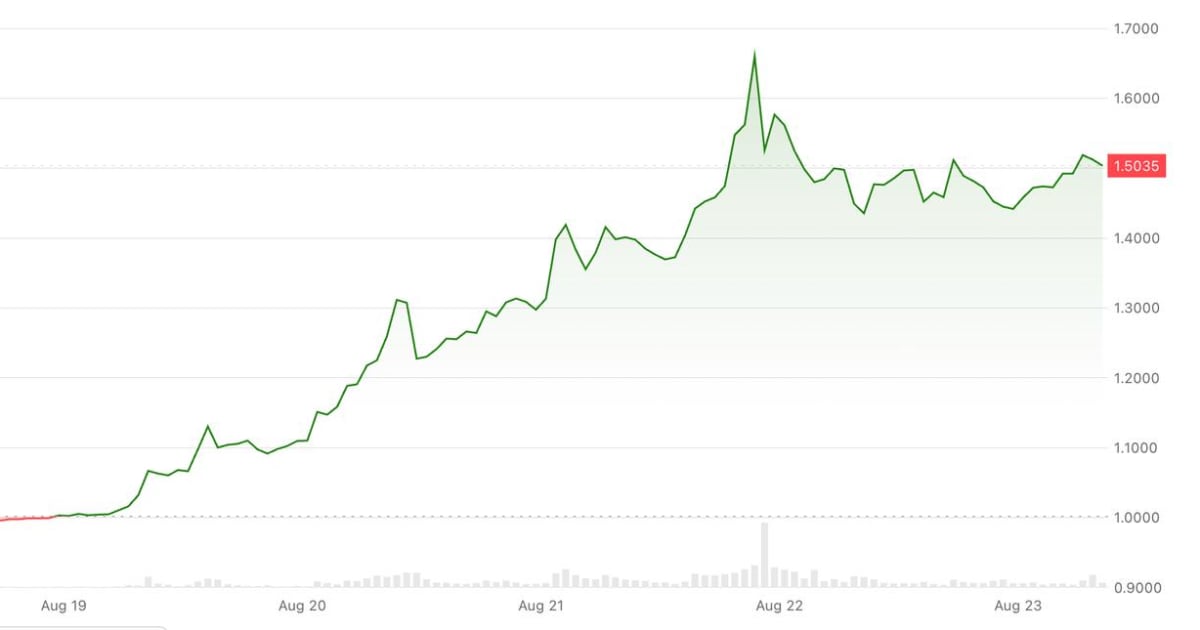
Key Takeaway
The pervasive decline in global market fear is a powerful signal for increased investor risk appetite. This shift is expected to drive substantial foreign capital into Indian equities, potentially igniting a broad-based rally and bolstering the Indian Rupee.
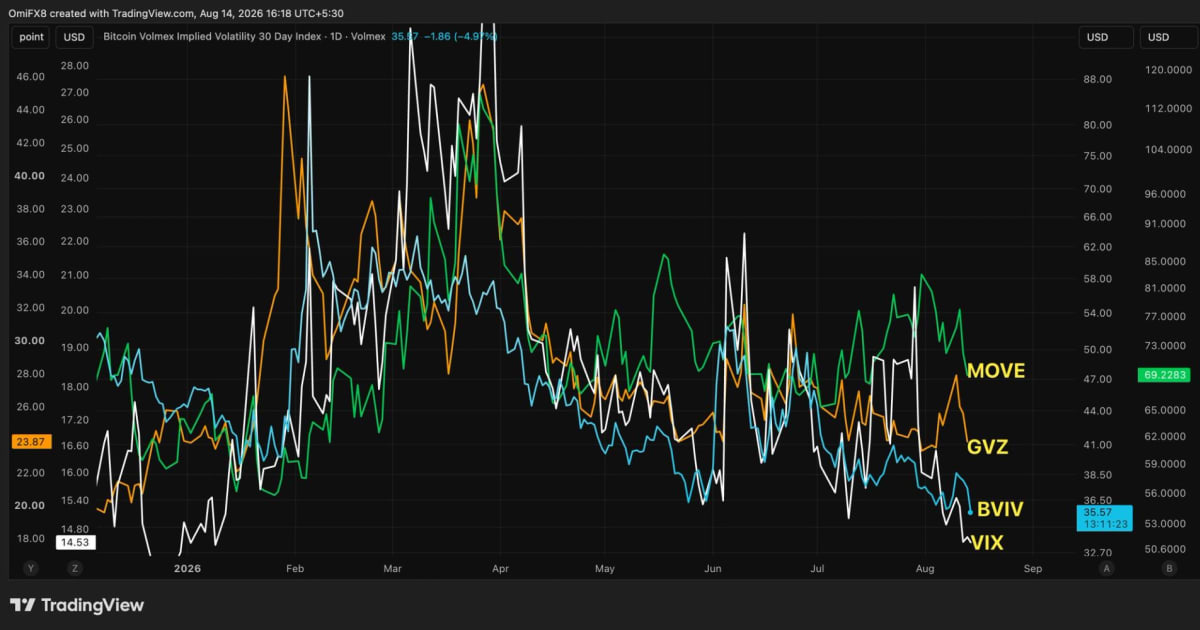
A significant cooling of fear across major global asset classes—from Bitcoin to sovereign bonds—indicates a renewed investor appetite for risk. This fundamental change in sentiment is poised to unlock substantial upside for Indian equity markets, attracting crucial foreign institutional investment and strengthening the Rupee.
Global Fear Subdues: A Tailwind for Indian Equities and Currency
For months, a pervasive undercurrent of anxiety has dictated global investment strategies. Investors, buffeted by geopolitical tensions, inflationary pressures, and the specter of economic slowdowns, gravitated towards perceived safe havens. However, recent data and market movements reveal a palpable shift: fear is not just receding, it's actively being replaced by a growing sense of optimism across a spectrum of asset classes, including cryptocurrencies like Bitcoin, equities, gold, and even government bonds. This isn't merely a short-term fluctuation; it represents a fundamental recalibration of risk perception, with profound implications for emerging markets, particularly India.
The "So What" for Indian Investors: A Looming Capital Influx and Growth Surge
The fading of global market fear is more than an academic observation; it's a direct economic catalyst. As investors shed their defensive postures, they actively seek higher returns, a quest that naturally leads them to economies exhibiting robust growth prospects. India, with its expanding domestic demand, demographic dividend, and improving structural reforms, stands as a prime beneficiary. This anticipated surge in risk appetite translates into a higher probability of significant foreign institutional investor (FII) inflows. Such inflows not only provide crucial liquidity to Indian stock markets but also exert upward pressure on the Indian Rupee, reinforcing its stability and potentially leading to currency gains for foreign investors.
Deconstructing the Shift: From Fear to Greed in Global Markets
The narrative of fear had become deeply embedded in market psychology. Bitcoin, once a bellwether for speculative fervor, had also seen its volatility interpreted through a risk-off lens. Similarly, gold prices had benefited from their traditional safe-haven status. Even sovereign bonds, typically the ultimate refuge, experienced demand as investors sought capital preservation. This widespread aversion to risk had suppressed valuations across growth-oriented assets and deterred capital from emerging economies. Now, a confluence of factors—stabilizing inflation in major economies, resilient corporate earnings, a more predictable interest rate path, and a general easing of geopolitical flashpoints—is collectively dismantling this fear-driven narrative. The market's collective breath is easing, and the focus is shifting back towards growth and potential returns.
Why This Matters NOW: The Inflection Point for Emerging Market Capital Flows
The current juncture is critical because it marks a potential inflection point. For an extended period, emerging markets have been starved of the risk capital they require to fuel their growth trajectories. The prevailing global sentiment acted as a barrier, making investors hesitant to allocate funds to regions perceived as inherently riskier. However, as fear dissipates, the risk-reward calculus fundamentally changes. India, often lauded for its demographic advantages and burgeoning middle class, becomes an increasingly attractive proposition. The current environment suggests that the era of broad-based market fear may be giving way to a more discerning, yet decidedly more optimistic, phase of investing. This transition is particularly significant for India, which has consistently demonstrated its capacity for economic expansion, making it a compelling destination for capital seeking yield and growth.
Deep Market Impact Analysis: India's Equity Landscape Poised for a Significant Uplift
The fading of global fear is not a uniform positive for all markets; rather, it selectively benefits assets that thrive in an environment of increasing risk appetite. For the Indian stock market, this translates into a potent cocktail of positive catalysts. Historically, periods of declining global fear have correlated with increased FII participation and subsequent rallies in Indian equities. For instance, during the post-GFC recovery in late 2009 and early 2010, as global anxieties subsided, the Nifty 50 experienced a surge of over 30% driven by significant foreign inflows. We are observing similar undercurrents today. The broad market, encompassing large-cap, mid-cap, and small-cap segments, is expected to benefit. Growth-oriented sectors, which had been penalized by rising interest rates and economic uncertainty, are now poised to reassert their dominance. Consumer discretionary, technology, and manufacturing sectors are likely to be key beneficiaries as improved economic sentiment translates into higher consumer spending and corporate investment.
Sectoral Winners: Identifying the Growth Engines
The most prominent beneficiaries of this risk-on sentiment will be sectors intrinsically linked to economic expansion and consumer confidence. Information Technology (IT), a cornerstone of Indian exports, often sees increased demand for its services as global corporations resume or accelerate their digital transformation initiatives. Companies like Infosys (NSE: INFY), with its diversified service offerings and strong client relationships, are well-positioned to capitalize on this trend. Consumer Discretionary stocks, such as automotive manufacturers like Tata Motors (NSE: TATAMOTORS), are poised for a revival as consumers feel more confident about spending on non-essential goods. The real estate sector, often a barometer of economic health, is also expected to gain traction. Developers like DLF (NSE: DLF), with their strong project pipelines and exposure to prime urban markets, stand to benefit from increased housing demand driven by economic optimism and potential easing of borrowing costs. Public Sector Banks (PSUs), like HDFC Bank (NSE: HDFCBANK) and ICICI Bank (NSE: ICICIBANK), will likely see improved credit growth and a reduction in non-performing assets (NPAs) as the overall economic outlook brightens, leading to better asset quality and profitability. Even the nascent cryptocurrency market, while not directly listed on Indian exchanges in a significant way, sees indirect benefits as positive sentiment in global crypto markets can spill over into investor psychology, potentially impacting companies with tangential exposure or investor interest.
The Flip Side: Losers in a Risk-On Environment
Conversely, assets that typically perform well during periods of heightened fear will likely see a recalibration of their appeal. Gold, having served as a safe harbor, may experience downward pressure as investors reallocate capital to riskier, higher-return assets. Similarly, Government Bonds, particularly those with longer maturities, could face selling pressure as yields rise in anticipation of continued economic expansion and potentially stable, or even higher, interest rates. Defensive sectors, such as Fast-Moving Consumer Goods (FMCG) and, to a lesser extent, Pharmaceuticals, which typically outperform in uncertain times due to their stable demand, might underperform relative to growth sectors. While these sectors offer defensive ballast, their growth rates are often more modest, making them less attractive when the market is actively seeking aggressive upside.
Stock-by-Stock Breakdown: Key Beneficiaries and Their Trajectories
The broad market sentiment shift will manifest in specific stock performance. Understanding these individual impacts is crucial for portfolio construction.
- Infosys (NSE: INFY): As a leading Indian IT services exporter, Infosys stands to gain significantly from renewed global IT spending. With a market capitalization exceeding $70 billion, its performance is often a bellwether for the sector. The fading fear suggests a more stable global economic outlook, encouraging businesses to invest in technology upgrades and digital transformation, directly benefiting INFY's extensive service portfolio. Its P/E ratio, currently around 25x, may see further appreciation if earnings growth accelerates beyond current expectations.
- Reliance Industries (NSE: RELIANCE): This conglomerate, with its diverse interests spanning energy, retail, and telecommunications, is a proxy for India's overall economic growth. A risk-on environment typically boosts demand for energy products and fuels expansion in its retail and digital arms. With a market cap of over $200 billion, RELIANCE's performance is heavily influenced by investor confidence in the Indian economy. Improved sentiment could lead to a re-rating of its various business segments.
- HDFC Bank (NSE: HDFCBANK): As one of India's largest private sector banks, HDFC Bank's fortunes are closely tied to credit growth and asset quality. A sustained period of declining fear suggests a healthier economic environment, leading to increased loan demand and a lower incidence of defaults. Its robust balance sheet and consistent profitability, historically trading at a P/E of around 18-20x, make it a prime beneficiary of a revived banking sector.
- ICICI Bank (NSE: ICICIBANK): Similar to HDFC Bank, ICICI Bank is a key player in the Indian banking ecosystem. A reduction in systemic risk and an improving economic outlook will directly translate into better lending opportunities and a stronger balance sheet. Its market capitalization, around $60 billion, reflects its systemic importance. A P/E ratio in the 15-17x range suggests potential upside if credit growth and profitability surpass current estimates.
- Tata Motors (NSE: TATAMOTORS): With significant exposure to both domestic and international markets (including its UK-based Jaguar Land Rover subsidiary), Tata Motors is highly sensitive to global economic sentiment. A risk-on environment supports demand for automobiles, particularly premium segments where JLR operates. Recovering from past challenges, its market cap has grown substantially, and improved global demand could further boost its revenue and earnings, potentially leading to a higher valuation multiple.
- DLF (NSE: DLF): As India's largest real estate developer by market capitalization (around $10 billion), DLF is a direct play on improving consumer and investor confidence in the property market. Fading fear can lead to increased property sales, higher rentals, and a general uplift in real estate values. Its extensive land bank and focus on premium residential and commercial projects position it well to capitalize on this renewed optimism.
How Will the RBI's Stance Complement This Trend?
The Reserve Bank of India's (RBI) monetary policy will play a crucial role in amplifying or dampening this emerging bullish sentiment. If global inflation continues to stabilize and the Indian economy shows sustained growth, the RBI might be inclined to consider a more accommodative stance, potentially through interest rate adjustments or liquidity management. Such a move would further reduce borrowing costs for businesses and consumers, providing an additional tailwind for sectors like real estate, auto, and banking. Conversely, if global inflationary pressures re-emerge or domestic growth falters unexpectedly, the RBI might maintain a cautious approach, which could temper the full impact of the global risk-on sentiment.
Expert Perspective: Bulls vs. Bears on the Shifting Sentiment
The prevailing optimism is not without its detractors. Bulls argue that the current market environment represents a genuine shift towards a more stable global economic order, driven by resilient corporate earnings and a predictable monetary policy trajectory. They point to the broad-based nature of the fear reduction across asset classes as evidence of a systemic change, not just a temporary reprieve. For India, they foresee a sustained period of FII inflows, driving valuations higher and supporting the Rupee, making it an opportune time to increase equity exposure, particularly in growth-oriented sectors.
Bears, however, caution against premature exuberance. They highlight that the fading fear could be a fleeting phenomenon, susceptible to reversal by any unforeseen geopolitical escalation, a resurgence of inflation, or unexpected economic data weakness. They argue that valuations in certain high-flying sectors, such as IT and specialized manufacturing, may have already priced in significant future growth, leaving them vulnerable to sharp corrections if earnings fail to meet elevated expectations. The historical precedent of rapid sentiment shifts means that a swift return to risk aversion remains a tangible possibility, catching investors off guard.
Actionable Investor Playbook: Navigating the Risk-On Landscape
For investors looking to capitalize on this evolving market dynamic, a strategic approach is paramount:
- Buy: Growth-Oriented Sectors: Increase exposure to IT, consumer discretionary, and select manufacturing stocks. Look for companies with strong balance sheets, proven execution capabilities, and significant market share.
- Watch: Real Estate and Financials: These sectors are poised for a rebound. Monitor project pipelines for real estate developers and asset quality trends for banks. Entry points could be considered on any minor dips as the broader trend solidifies.
- Consider Reducing Exposure To: Defensive sectors like FMCG and high-duration bonds. While not a complete exit, a strategic reallocation of capital towards growth assets is advisable.
- Time Horizon: This is not a short-term trade. The structural shift in global risk appetite suggests a medium-term to long-term opportunity, potentially spanning 12-24 months.
- Entry Points: While the trend is upward, tactical buying on any temporary pullbacks can enhance returns. Avoid chasing parabolic moves.
Risk Matrix: Potential Headwinds to the Bullish Narrative
Despite the positive outlook, several risks warrant careful consideration:
- Geopolitical Resurgence (Probability: Medium): Any escalation of existing geopolitical conflicts or emergence of new flashpoints could rapidly reignite global fear and reverse capital flows.
- Inflationary Stubbornness (Probability: Medium): If inflation proves more persistent than anticipated in major economies, it could force central banks to maintain tighter monetary policies for longer, dampening growth prospects and risk appetite.
- Valuation Overhang (Probability: High): Certain segments of the Indian equity market, particularly in the IT and mid-cap space, are trading at premium valuations. A failure of earnings to keep pace with these valuations could lead to sharp corrections.
- Global Economic Slowdown (Probability: Low to Medium): While current data suggests resilience, a sudden and significant slowdown in key global economies could impact export-oriented Indian sectors and overall investor sentiment.
What to Watch Next: Catalysts for Sustained Momentum
Several upcoming events and data releases will be critical in shaping the trajectory of this trend:
- Global Inflation Data (Monthly Releases): Key inflation prints from the US, Eurozone, and UK will be closely watched for signs of persistent price pressures.
- Central Bank Policy Meetings (FOMC, ECB, BoE, RBI): Guidance on future interest rate paths and monetary policy stance from major central banks will heavily influence risk sentiment.
- Corporate Earnings Season (Quarterly): The performance of Indian companies, particularly in the IT and consumer discretionary sectors, during the upcoming earnings season will be a crucial indicator of underlying demand and profitability.
- FII Inflow Data (Daily/Weekly): Consistent and significant FII inflows will be a strong confirmation of the sustained risk-on sentiment towards India.
- US Non-Farm Payrolls and GDP Data: These macro indicators from the world's largest economy will provide insights into the health of global growth.
The current market narrative is shifting from one of caution to one of calculated optimism. For India, this transition represents a significant opportunity to attract capital, fuel economic growth, and reward investors who strategically position themselves to benefit from this global recalibration of risk.
See Infosys (INFY)'s AI Score
Our algorithmic screener scores Infosys (INFY) on fundamentals, momentum, and risk — free to try, no card needed.
Try the AI Screener →Have questions about this story?
Ask Welth, our finance-focused AI research assistant, for a deeper breakdown — free trial included.
Chat with Welth AI →Disclaimer: This content is generated by WelthWest Research Desk based on publicly available reports and is for informational purposes only. It does not constitute financial advice, investment recommendations, or an offer to buy or sell securities. Always consult a qualified financial advisor before making investment decisions.