Key Takeaway
Precious metals are flashing a clear signal: investors are hedging against potential Fed-induced volatility and inflation. For Indian markets, this translates into a nuanced landscape for jewelers, gold loan companies, and consumers, demanding strategic positioning ahead of the crucial US rate decision.
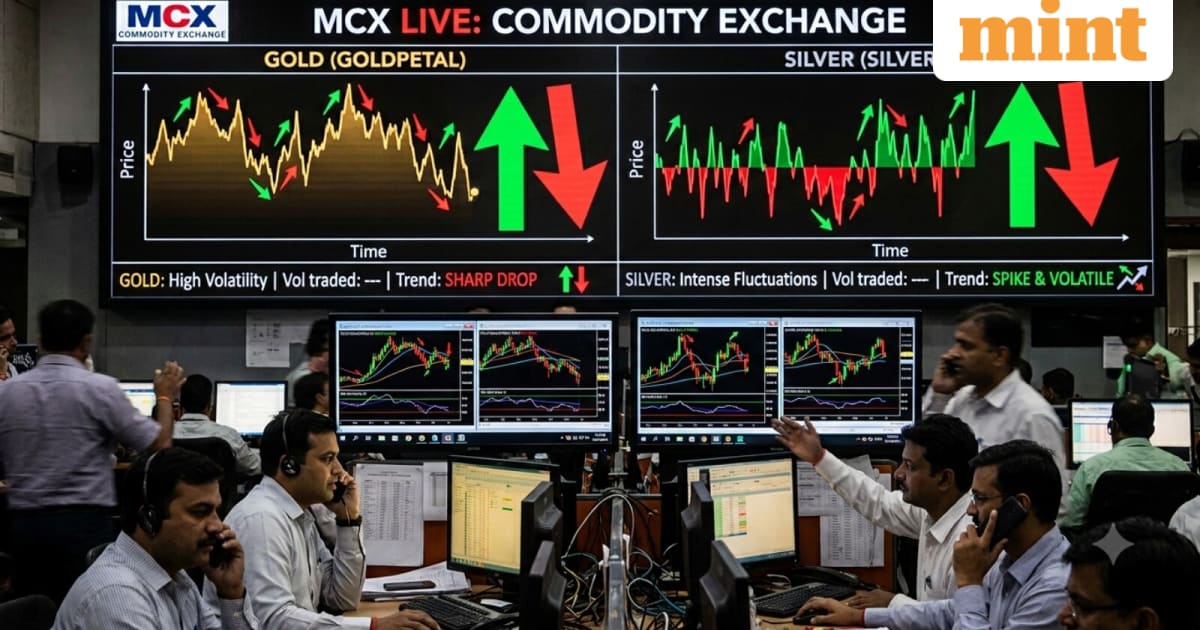
The global surge in gold and silver prices is more than just a headline; it's a critical barometer of investor sentiment bracing for the US Federal Reserve's next move. This WelthWest deep dive uncovers the intricate connections to the Indian stock market, dissecting the winners and losers, and offering an actionable playbook for navigating the post-Fed landscape. Understand how this rally impacts everything from jewelry demand to the stability of the rupee.
Gold & Silver Rally Ahead of US Fed: Decoding the Indian Market Impact
The global financial stage is set for a pivotal moment. As the US Federal Reserve gears up for its latest interest rate decision, a palpable tension has gripped commodity markets, propelling gold and silver prices into a significant rally. This isn't merely a speculative blip; it's a profound reflection of sophisticated investor hedging against anticipated market volatility and persistent inflation concerns, even as central banks globally grapple with tighter monetary policies. For the Indian market, a nation with an insatiable appetite for precious metals, this pre-Fed surge carries multi-faceted implications, influencing everything from domestic gold demand to the stability of the Indian Rupee and the fortunes of key listed entities on the NSE and BSE.
Historically, precious metals have served as a reliable safe haven during periods of economic uncertainty or currency devaluation. The current rally, with gold prices nearing all-time highs and silver showing robust momentum, underscores a collective nervousness. Investors are front-running a potentially hawkish Fed stance, anticipating that persistent inflationary pressures might necessitate a more aggressive tightening cycle than previously priced in. This defensive positioning, while globally driven, resonates deeply within India, a market where gold isn't just an investment but a cultural cornerstone. The 'so what' for Indian investors is substantial: understand how this global dynamic will ripple through local consumption patterns, corporate earnings, and ultimately, your portfolio.
Why Does This Precious Metals Rally Matter for Indian Investors NOW?
The immediate catalyst for the current precious metals surge is the impending US Fed rate decision. A hawkish pronouncement, hinting at faster or larger rate hikes, typically strengthens the US Dollar. While a stronger dollar usually pressures dollar-denominated commodities like gold, the current rally suggests investors are prioritizing the inflation-hedging aspect and the potential for market turbulence over immediate currency strength. For India, this confluence creates a unique dynamic. If global capital flows react strongly to Fed decisions – for instance, an outflow from emerging markets in favor of US assets – it could destabilize the Rupee, making gold imports more expensive. Conversely, a stronger global gold price, even with a stable Rupee, directly impacts the purchasing power of Indian consumers and the inventory valuations of jewelers.
Beyond the immediate market mechanics, this rally speaks to broader macroeconomic anxieties. Global supply chain disruptions, geopolitical tensions, and unprecedented fiscal stimuli have fueled an inflationary environment not seen in decades. Central banks, including the Reserve Bank of India (RBI), are walking a tightrope, balancing inflation control with economic growth. Precious metals, in this context, act as an early warning system. Their ascent signals that a significant segment of the market perceives traditional financial assets as vulnerable, seeking refuge in tangible stores of value. This sentiment has a tangible impact on Indian household savings, which often allocate a substantial portion to physical gold, influencing demand trends for both jewelry and investment-grade gold bars and coins.
Deep Market Impact Analysis: Unpacking the Indian Stock Market's Exposure
The reverberations of a precious metals rally, particularly one driven by US Fed anticipation, are felt across various segments of the Indian economy and stock market. The immediate beneficiaries are often those with direct exposure to gold and silver prices, while consumers and importers face headwinds. Understanding these intricate linkages is crucial for navigating the market.
When gold and silver prices rise, the value of existing inventories held by jewelers and gold loan companies appreciates. This can provide a short-term boost to their balance sheets and profitability, assuming they manage their hedges effectively. However, sustained high prices can dampen consumer demand, especially in a price-sensitive market like India, where gold purchases are often discretionary or tied to specific cultural events. Historically, sharp price spikes have led to deferred purchases, impacting sales volumes. For instance, during the unprecedented gold rally in 2020, while inventory values soared, retail demand saw a temporary dip before normalizing as prices stabilized.
The metals sector, broadly speaking, sees a bullish sentiment. While India has limited primary gold mining operations that are publicly traded, the sentiment often spills over to other metal commodities, reflecting a broader inflationary hedge. The Nifty Metals index, for example, often shows positive correlation with global commodity cycles, though direct gold mining exposure is minimal for Indian listed entities. The real impact is concentrated in consumer-facing gold businesses and financial institutions leveraging gold as collateral.
How Will Precious Metal Volatility Affect Key Indian Stocks?
The current rally creates a nuanced landscape for specific Indian companies. Here's a granular breakdown of how key NSE/BSE listed stocks are likely to react:
- Titan Company Ltd (TITAN): As India's largest branded jewelry retailer, Titan is a bellwether for the organized jewelry sector. With a market capitalization exceeding ₹3.00 lakh crore and a trailing P/E ratio often above 70x, its valuation already prices in significant growth. A short-term inventory value increase from rising gold prices could provide a minor boost. However, sustained high gold prices could dent volumes, particularly for discretionary purchases. Titan's ability to pass on higher costs to consumers and its diversified portfolio (watches, eyewear) offer some resilience. The company's focus on premium segments might also make it less price-sensitive than mass-market players, but a significant price spike could still impact its jewelry division, which constitutes over 85% of its revenue.
- Rajesh Exports Ltd (RAJESHEXPO): A global player in gold processing and manufacturing, Rajesh Exports operates on thin margins but high volumes. With a market cap around ₹25,000 crore, its business model is heavily reliant on efficient sourcing and export. Rising gold prices mean higher working capital requirements and increased input costs. While it can pass on costs, any volatility in global gold prices or currency fluctuations can significantly impact its profitability. The company's ability to hedge effectively against price movements becomes paramount in such an environment.
- PC Jeweller Ltd (PCJEWELLER): A smaller, more regionally focused jewelry retailer (market cap ~₹1,500 crore), PC Jeweller is more susceptible to price sensitivity among its customer base. While inventory gains might offer a temporary uplift, prolonged high gold prices could severely impact sales volumes, especially in the mass-market segment it caters to. Its lower brand premium compared to Titan means less pricing power, making it more vulnerable to demand compression.
- Muthoot Finance Ltd (MUTHOOTFIN): As the largest gold loan NBFC in India (market cap ~₹60,000 crore), Muthoot Finance's business model is intrinsically linked to gold prices. Rising gold prices increase the collateral value of the gold pledged, enhancing the company's loan book quality and potentially allowing for higher loan-to-value (LTV) ratios within regulatory limits. This can boost lending capacity and profitability. Conversely, a sharp drop in gold prices could lead to increased LTVs and potential defaults if borrowers cannot top up collateral or repay loans. The current rally is largely positive for Muthoot Finance, as it underpins the value of its primary asset.
- Manappuram Finance Ltd (MANAPPURAM): Similar to Muthoot Finance, Manappuram (market cap ~₹15,000 crore) is another significant player in the gold loan segment. The dynamics are largely identical: rising gold prices fortify its balance sheet and improve asset quality metrics. The company also has a diversified portfolio including microfinance, which can cushion against pure gold price volatility, but its core gold loan business benefits directly from the current trend. Both Muthoot and Manappuram often see increased demand for gold loans during periods of economic stress, where gold acts as a readily available source of liquidity.
Expert Perspective: Bulls vs. Bears on Precious Metals & Indian Equities
The current precious metals rally sparks a vigorous debate among market strategists. The 'bulls' on gold and silver argue that the fundamental drivers are robust and long-lasting. They point to persistent global inflation, fueled by expansionary fiscal policies and supply-side constraints, as a primary catalyst. Geopolitical uncertainties, ranging from regional conflicts to trade disputes, further bolster the safe-haven appeal of precious metals. From this perspective, the Fed's tightening cycle, while potentially strengthening the dollar in the short term, might also trigger market corrections, driving more capital into gold. They contend that real interest rates, after accounting for inflation, remain deeply negative, making non-yielding assets like gold attractive. For Indian equities, bulls believe that companies with strong brand equity and pricing power, like Titan, can navigate higher gold prices by passing on costs, while gold loan companies will continue to thrive on appreciating collateral.
Conversely, the 'bears' adopt a more cautious stance. Their primary argument revolves around the potential for an aggressively hawkish US Federal Reserve. Should the Fed signal a much steeper rate hike trajectory than anticipated, it could lead to a significant strengthening of the US Dollar and a sharp increase in real interest rates. This would increase the opportunity cost of holding non-yielding assets like gold, potentially triggering a sell-off. Bears also highlight the risk of a global economic slowdown, which could dampen overall demand for commodities, including precious metals, despite their safe-haven status. They argue that the current rally is largely speculative, driven by short-term positioning ahead of the Fed. For Indian equities, bears warn that sustained high gold prices will inevitably lead to demand destruction for jewelers, impacting sales volumes and profitability. They also caution that a sharp correction in gold prices post-Fed could expose gold loan companies to higher LTVs and potential asset quality issues, even if the current trend is favorable.
Actionable Investor Playbook: Navigating the Precious Metals Surge
Given the complex interplay of global macro factors and domestic market dynamics, investors need a well-defined strategy:
- For Gold & Silver Exposure: Consider staggered purchases of physical gold/silver or gold/silver ETFs (e.g., Nippon India ETF Gold BeES, ICICI Prudential Silver ETF) on dips, rather than chasing the current rally. The primary time horizon for this should be medium to long-term (1-3+ years), capitalizing on gold's role as an inflation hedge and portfolio diversifier. Entry points could be identified after the Fed decision, observing any immediate corrections.
- For Jewelry Retailers (TITAN, PCJEWELLER): Watch for volume trends closely. While inventory gains might offer a short-term boost, sustained high gold prices can compress demand. Investors might consider a 'hold' strategy for established players like Titan, looking for entry points on any post-Fed correction if demand outlook remains robust. Smaller, less diversified players like PC Jeweller carry higher risk.
- For Gold Loan NBFCs (MUTHOOTFIN, MANAPPURAM): The current environment is largely favorable. These stocks could be 'buy' candidates on any market-wide dips, given their direct benefit from appreciating gold collateral. Their business models offer a unique hedge against inflation. Time horizon: medium-term (6-18 months), leveraging the asset quality improvement.
- Hedging Strategies: For sophisticated investors, consider options strategies to hedge against potential downside risk post-Fed, or to capitalize on volatility. This could involve buying put options on gold ETFs or shorting futures if a significant correction is anticipated.
- Avoid Over-Concentration: While precious metals offer a hedge, avoid over-allocating your portfolio. Maintain diversification across asset classes to mitigate specific commodity price risks.
Risk Matrix: Assessing Potential Pitfalls
Navigating the current environment requires a clear understanding of the inherent risks:
- Hawkish Fed Exceeding Expectations (Probability: Medium-High): If the US Fed delivers a significantly more aggressive rate hike or outlook than currently priced in by markets, it could lead to a sharp strengthening of the US Dollar and a corresponding correction in precious metals. This would negatively impact gold and silver prices, potentially reversing the current rally.
- Stronger US Dollar Post-Fed (Probability: Medium): Even if the Fed's hawkishness is in line with expectations, a post-decision surge in the dollar could put downward pressure on dollar-denominated gold and silver, making them more expensive for international buyers.
- Global Economic Slowdown (Probability: Medium): A significant deceleration in global economic growth, potentially triggered by aggressive monetary tightening, could reduce overall demand for commodities, including industrial demand for silver, and even dampen the 'safe haven' appeal if deflationary fears emerge.
- Indian Rupee Volatility (Probability: Medium): Strong global capital outflows reacting to Fed decisions could weaken the Indian Rupee, making gold imports more expensive and potentially negating some of the gains from rising international gold prices for Indian consumers and importers.
What to Watch Next: Upcoming Catalysts and Data Releases
The story is far from over. Investors should closely monitor these key events and data points:
- US Federal Reserve Policy Decision (Upcoming Date): The most immediate and critical catalyst. Pay close attention to the rate hike size, the accompanying statement, and the 'dot plot' projections for future rate hikes.
- US Inflation Data (CPI, PPI): Subsequent inflation releases will dictate the Fed's future trajectory and overall market sentiment towards precious metals. Sustained high inflation will bolster gold's appeal.
- US Employment Data (Non-Farm Payrolls, Unemployment Rate): Strong employment figures could empower the Fed to continue its hawkish stance, potentially impacting market expectations for interest rates and the dollar.
- Global Geopolitical Developments: Any escalation in international conflicts or trade disputes will likely reinforce the safe-haven demand for gold.
- RBI Monetary Policy Decisions: The Reserve Bank of India's stance on interest rates and inflation will also influence domestic liquidity and the Rupee, indirectly affecting gold prices in India.
- Indian Festival Season Demand: As India approaches its major festival and wedding seasons, monitor physical gold demand trends. Strong demand could provide a floor for domestic prices, even amidst global volatility.
The WelthWest Research Desk will continue to provide in-depth analysis as these critical events unfold, empowering you with the insights needed to navigate the evolving market landscape.
See Titan Company Ltd (TITAN)'s AI Score
Our algorithmic screener scores Titan Company Ltd (TITAN) on fundamentals, momentum, and risk — free to try, no card needed.
Try the AI Screener →Have questions about this story?
Ask Welth, our finance-focused AI research assistant, for a deeper breakdown — free trial included.
Chat with Welth AI →Disclaimer: This content is generated by WelthWest Research Desk based on publicly available reports and is for informational purposes only. It does not constitute financial advice, investment recommendations, or an offer to buy or sell securities. Always consult a qualified financial advisor before making investment decisions.