Key Takeaway
Sashidhar Jagdishan's unexpected exit from HDFC Bank in October injects significant leadership uncertainty into India's largest private bank. Investors must brace for potential stock volatility and closely scrutinize the successor's strategy, as this transition could redefine the trajectory of India's banking behemoth and its competitive landscape.
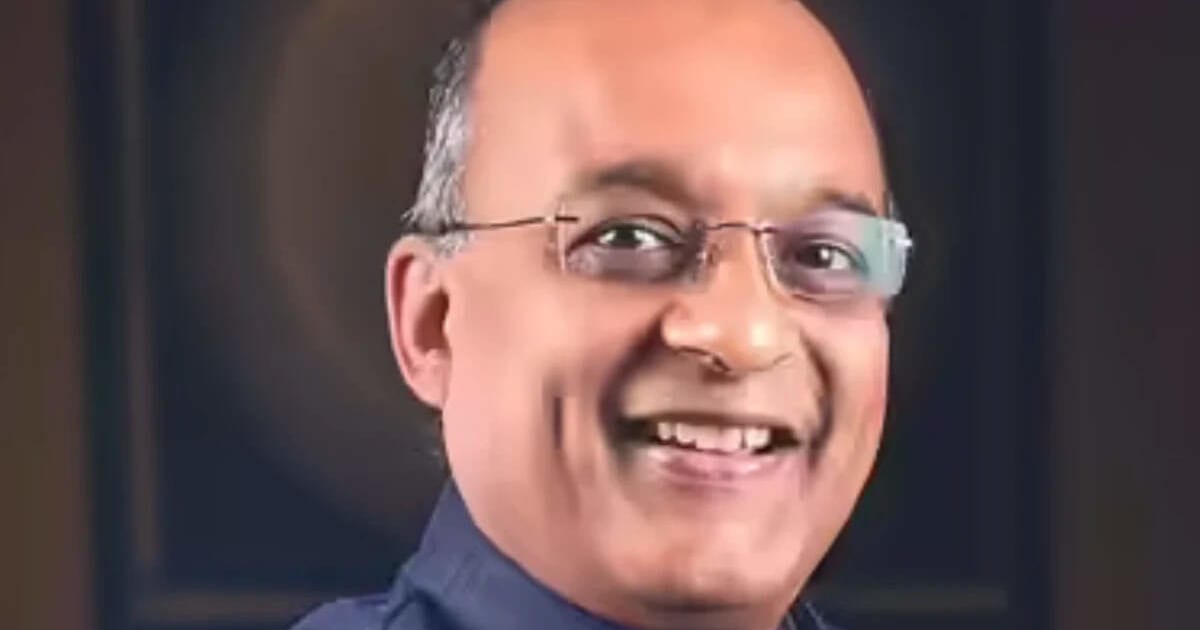
The impending departure of HDFC Bank CEO Sashidhar Jagdishan in October marks a critical juncture for India's premier financial institution. This leadership vacuum raises questions about strategic continuity and investor confidence, potentially triggering market reactions and impacting the broader banking sector. Our analysis unpacks the immediate and long-term ramifications for HDFC Bank (HDFCBANK) and its key competitors.
HDFC Bank CEO Exit: A Seismic Shift in India's Financial Landscape
The announcement that Sashidhar Jagdishan, the architect of HDFC Bank's recent strategic maneuvers and a pivotal figure in its integration with HDFC Ltd., will step down in October, sends ripples of uncertainty across the Indian financial ecosystem. This development, while not entirely unexpected given the typical tenure of top banking executives, arrives at a moment when HDFC Bank, with a market capitalization exceeding INR 12 lakh crore (approximately $145 billion USD), stands as a colossus in the Indian banking sector. Jagdishan, often referred to as 'Sashi', has helmed the bank through a period of significant transformation, including its monumental merger with its parent housing finance company. His decision not to seek reappointment introduces a leadership discontinuity that warrants meticulous examination by investors, analysts, and regulators alike.
The 'Why Now?' is as crucial as the 'What Next?'. Jagdishan's tenure, which began in October 2020, has been characterized by a focus on digital transformation, customer-centricity, and the complex yet ultimately successful integration of HDFC Ltd. into the bank's fold. This merger, one of the largest in Indian corporate history, aimed to create a financial services powerhouse offering a comprehensive suite of products. The successful navigation of such a complex integration, coupled with maintaining HDFC Bank's market leadership and robust asset quality, has solidified Jagdishan's reputation. However, the decision to step down suggests a personal choice, potentially aligning with retirement norms or a desire to transition to new avenues, but the timing, as the integration matures, places a significant emphasis on the continuity of its strategic vision.
The Market's Immediate Reaction: Gauging Investor Sentiment
The market's immediate response to such high-profile leadership changes is often driven by sentiment and the perceived risk of strategic drift. HDFC Bank, a bellwether for the Indian banking sector, commands a significant weighting in key indices like the Nifty 50 and the Nifty Bank. Any perceived instability or uncertainty surrounding its leadership can translate into broader market fluctuations. Historically, significant leadership transitions at major financial institutions have led to short-term stock price volatility. For instance, in late 2022, when concerns around specific asset quality metrics at some banks surfaced, the Nifty Bank index experienced a notable correction of over 5% in a single week. While Jagdishan's departure is not tied to immediate financial distress, the absence of a familiar face at the helm of such a critical institution introduces a degree of the unknown.
The stock performance of HDFC Bank (NSE: HDFCBANK) will be the most direct barometer of market sentiment. Analysts will be dissecting the bank's valuation metrics, such as its Price-to-Earnings (P/E) ratio, which has historically traded at a premium to its peers, reflecting its perceived stability and growth prospects. A P/E ratio of around 20-25x, depending on market conditions, has been typical. Any significant deviation from this range post-announcement will signal investor apprehension. The broader banking sector, which contributes a substantial portion to India's overall market capitalization, will also be under scrutiny. Competitor banks, such as ICICI Bank (NSE: ICICIBANK) and State Bank of India (NSE: SBIN), might see a temporary reallocation of investor capital if HDFC Bank's outlook appears clouded, especially if their own valuations become more attractive in comparison.
Deep Market Impact Analysis: HDFC Bank's Strategic Crossroads
The departure of Sashidhar Jagdishan is more than just a personnel change; it's a pivotal moment that could influence the future strategic direction of India's largest private lender. HDFC Bank, with its robust CASA (Current Account Savings Account) ratio, extensive branch network, and a burgeoning digital footprint, has consistently outperformed its peers in terms of asset quality and profitability. Its Net Interest Margins (NIMs), typically in the range of 3.5-4.0%, and Return on Assets (RoA), often exceeding 1.75%, are benchmarks in the industry. The market will be keenly observing how the incoming leadership navigates the post-merger integration challenges, particularly in synergizing the operations of the erstwhile HDFC Ltd. and maintaining the bank's competitive edge in an increasingly digital and competitive financial landscape.
The Indian banking sector, currently valued at a significant portion of the country's overall equity market capitalization (often between 30-40% of the Nifty 50), is highly sensitive to leadership changes at its most prominent players. The Reserve Bank of India (RBI), the regulatory body, plays a crucial role in approving CEO appointments, ensuring that the chosen successor possesses the requisite experience and aligns with the bank's governance standards. This regulatory oversight adds another layer of complexity to the transition. The historical performance of the Nifty Bank index, which has seen periods of both significant rallies and sharp corrections, underscores the sector's susceptibility to systemic and company-specific events. A leadership vacuum, even temporary, at a bank of HDFC Bank's stature, could lead to a broader recalibration of risk premiums across the sector.
How Will RBI Rate Decisions Influence the Post-Jagdishan Era at HDFC Bank?
The Monetary Policy Committee (MPC) of the Reserve Bank of India's decisions on interest rates are a constant factor influencing bank profitability. As the market anticipates a new CEO at HDFC Bank, any impending or recent RBI policy actions, such as repo rate changes, will be viewed through a different lens. If the RBI maintains a hawkish stance, leading to higher borrowing costs, banks with strong CASA ratios, like HDFC Bank, are generally better positioned to absorb this. However, a new leader might reassess the bank's asset-liability management strategies. Conversely, a dovish stance, potentially signaling rate cuts, could boost loan growth but compress NIMs. The successor's approach to managing interest rate sensitivity and optimizing the bank's funding costs will be a critical determinant of its financial performance in the coming years, especially in a potentially evolving interest rate environment.
Stock-by-Stock Breakdown: The Ripple Effect on Indian Equities
The impact of Sashidhar Jagdishan's exit will not be confined to HDFC Bank alone. Several other listed entities and their stock prices are likely to be affected, either directly or indirectly.
- HDFC Bank (NSE: HDFCBANK): As the epicenter of this news, HDFC Bank's stock is poised for immediate volatility. Investors will be looking for clarity on the successor's profile, their strategic vision, and any perceived deviation from Jagdishan's successful, albeit integration-heavy, playbook. The stock's premium valuation might come under pressure if concerns about strategic continuity or execution risk arise. The bank's market cap, currently around INR 12.5 lakh crore, could see significant short-term swings.
- ICICI Bank (NSE: ICICIBANK): As HDFC Bank's closest competitor in the private sector banking space, ICICI Bank, with a market cap of approximately INR 6.5 lakh crore, could benefit from any perceived faltering at HDFC Bank. Investors might reallocate capital towards ICICI Bank if its leadership and strategic clarity are seen as more stable. Its P/E ratio, often in the 18-22x range, might become more attractive.
- State Bank of India (NSE: SBIN): India's largest public sector bank, with a market cap of about INR 5.5 lakh crore, represents a different segment but is a key player in the overall banking landscape. While less directly impacted by a private sector leadership change, any broad-based investor concern about the banking sector's stability could affect SBIN. Its P/E, typically lower than private peers, around 10-15x, might offer a defensive appeal.
- Axis Bank (NSE: AXISBANK): Another significant private sector bank, Axis Bank (market cap ~INR 3.5 lakh crore), will be closely watched. If HDFC Bank faces headwinds, Axis Bank, under its current leadership, might be seen as a relatively more stable alternative within the private banking segment. Its P/E ratio, often in the 15-18x range, will be a point of comparison.
- Kotak Mahindra Bank (NSE: KOTAKBANK): Known for its strong risk management and conservative approach, Kotak Mahindra Bank (market cap ~INR 3.8 lakh crore) might see increased investor interest if the market perceives a shift towards greater risk aversion in the sector due to HDFC Bank's transition. Its P/E, often in the 22-28x range, reflects its premium positioning.
- HDFC AMC (NSE: HDFCAMC): While not a bank, HDFC Asset Management Company, a subsidiary of HDFC Bank, could experience indirect effects. Investor sentiment towards the HDFC group as a whole might influence its stock performance, though its operational independence generally insulates it from direct banking sector risks.
Expert Perspective: Bulls vs. Bears on the HDFC Bank CEO Transition
The market's reaction to such a significant event is rarely monolithic. Different market participants will interpret the news through their respective lenses:
Bullish Argument: Proponents of HDFC Bank will emphasize the bank's inherent strengths – its robust balance sheet, strong brand equity, vast customer base, and the significant progress made in the HDFC Ltd. integration. They will argue that the bank has a deep bench of talent, and the succession plan, likely already in place, will ensure a smooth transition. The market's reaction might be an overreaction, presenting a buying opportunity for long-term investors who believe in the bank's fundamental value and its ability to continue its growth trajectory under new leadership. The focus will shift to the successor's ability to build on the existing foundation and drive innovation, rather than a complete overhaul.
Bearish Argument: Skeptics will point to the inherent uncertainty associated with any leadership change, especially at such a critical juncture for HDFC Bank. They will highlight the complexity of the HDFC Ltd. integration and the potential for unforeseen challenges to emerge under new management. The departure of a CEO who has successfully navigated these complexities could lead to a period of strategic re-evaluation, potentially impacting execution and profitability. Concerns might also be raised about the successor's experience in managing a financial entity of HDFC Bank's scale and complexity, particularly in navigating evolving regulatory landscapes and technological disruptions.
Actionable Investor Playbook: Navigating the HDFC Bank Leadership Change
For investors holding or considering positions in HDFC Bank and related entities, a strategic approach is paramount:
- Monitor HDFCBANK Closely: For existing shareholders, the immediate priority is to observe the stock's reaction to the announcement. Key support and resistance levels will be crucial. Consider trimming positions if the stock breaks significant technical support levels (e.g., 50-day or 200-day moving averages) and shows signs of sustained downward momentum, especially on high volumes. Conversely, a strong rebound on positive news regarding the successor could signal an opportunity to average down.
- Evaluate Competitors: Investors seeking exposure to the banking sector might consider re-evaluating their allocation towards competitors like ICICI Bank (ICICIBANK), Axis Bank (AXISBANK), and Kotak Mahindra Bank (KOTAKBANK). Look for banks with stable leadership, clear strategic direction, and attractive valuations relative to their peers. Entry points for these stocks might emerge if the broader banking sector experiences a dip due to HDFC Bank-specific concerns.
- Focus on Fundamentals: Regardless of the leadership change, HDFC Bank's long-term prospects depend on its core financial metrics. Keep a close watch on its quarterly results, asset quality (NPAs), deposit growth, credit growth, and NIMs. The market's focus will eventually return to these fundamentals.
- Long-Term Horizon: For long-term investors, the immediate volatility might present an opportunity. If the successor is perceived as capable and the bank's underlying business remains strong, the current dip could be a temporary anomaly. A time horizon of 2-3 years or more would allow the new leadership to establish its strategy and for the market to price it in.
- Watch for Successor Announcement: The identity of the next CEO is the most significant catalyst. A well-respected internal candidate with a proven track record might lead to a swift market recovery. An external appointment could bring fresh perspectives but might also introduce a period of adjustment.
Risk Matrix: Potential Pitfalls in the Transition
Several risks could exacerbate the impact of this leadership transition:
- Risk 1: Succession Uncertainty (Probability: High, Impact: Medium-High): The market's perception of the chosen successor is critical. If the successor is perceived as lacking the experience, vision, or authority to lead HDFC Bank effectively, it could lead to sustained negative sentiment and stock underperformance. The announcement of a strong, credible successor could mitigate this risk significantly.
- Risk 2: Strategic Drift or Execution Failure (Probability: Medium, Impact: Medium): A new CEO might attempt to implement a significantly different strategy, or the existing one might falter under new leadership. This could lead to a loss of market share, increased operational costs, or a deterioration in asset quality, all of which would negatively impact the bank's financial performance.
- Risk 3: Intensified Competition (Probability: Medium, Impact: Medium): If HDFC Bank experiences a period of internal flux, competitors might seize the opportunity to aggressively capture market share, particularly in high-growth segments like retail lending and digital services. This could pressure HDFC Bank's revenue growth and profitability.
- Risk 4: Regulatory Scrutiny (Probability: Low, Impact: High): While unlikely to be a direct consequence of the CEO's departure, any perceived weakening of governance or risk management practices during the transition could attract heightened regulatory attention from the RBI, potentially leading to stricter oversight or operational constraints.
What to Watch Next: Key Catalysts and Dates
The coming months will be crucial for understanding the full implications of Sashidhar Jagdishan's exit:
- Successor Announcement: The most immediate and impactful event will be the official announcement of the new CEO. The market will dissect the candidate's background, experience, and the board's reasoning.
- Quarterly Results: HDFC Bank's upcoming quarterly earnings reports will provide the first official financial data points under the shadow of the leadership transition. Analysts will scrutinize these for any early signs of strategic shifts or performance deviations.
- RBI Policy Statements: Future monetary policy decisions by the RBI will continue to shape the banking sector's operating environment, and how the new leadership responds to these will be closely observed.
- Analyst Calls and Management Commentary: Following the successor's appointment, investor calls and management commentary will be vital for gauging the strategic outlook and operational priorities.
- Merger Integration Milestones: Updates on the ongoing integration of HDFC Ltd. will remain a critical indicator of the bank's operational progress and its ability to achieve the synergies envisioned from the merger.
Sashidhar Jagdishan's departure from HDFC Bank marks the end of an era, ushering in a period of significant transition. While the bank's inherent strengths provide a solid foundation, the market's reaction and the long-term success will hinge on the caliber of the successor and their ability to navigate the evolving financial landscape of India.
See HDFC Bank (HDFCBANK)'s AI Score
Our algorithmic screener scores HDFC Bank (HDFCBANK) on fundamentals, momentum, and risk — free to try, no card needed.
Try the AI Screener →Have questions about this story?
Ask Welth, our finance-focused AI research assistant, for a deeper breakdown — free trial included.
Chat with Welth AI →Disclaimer: This content is generated by WelthWest Research Desk based on publicly available reports and is for informational purposes only. It does not constitute financial advice, investment recommendations, or an offer to buy or sell securities. Always consult a qualified financial advisor before making investment decisions.