Key Takeaway
Enhanced stability in the Strait of Hormuz, driven by increased US naval presence, is bolstering global energy supply. This translates to reduced crude oil prices, offering a significant tailwind for Indian Oil Marketing Companies (OMCs), airlines, and the broader economy, potentially cooling inflation and improving the current account deficit.
Global energy markets are experiencing a significant shift as oil and LNG shipments through the critical Strait of Hormuz hit multi-month highs, underpinned by heightened US naval protection. This newfound stability in a vital chokepoint is poised to ease supply chain anxieties and potentially drive down global crude oil prices. For India, a net oil importer, this development is a powerful catalyst, promising relief from inflationary pressures and a stronger rupee. Our deep dive reveals the direct beneficiaries across the Indian stock market and outlines a comprehensive investor playbook.
Hormuz Oil Surge: Why Stable Shipping Lowers Indian Inflation & Boosts OMCs
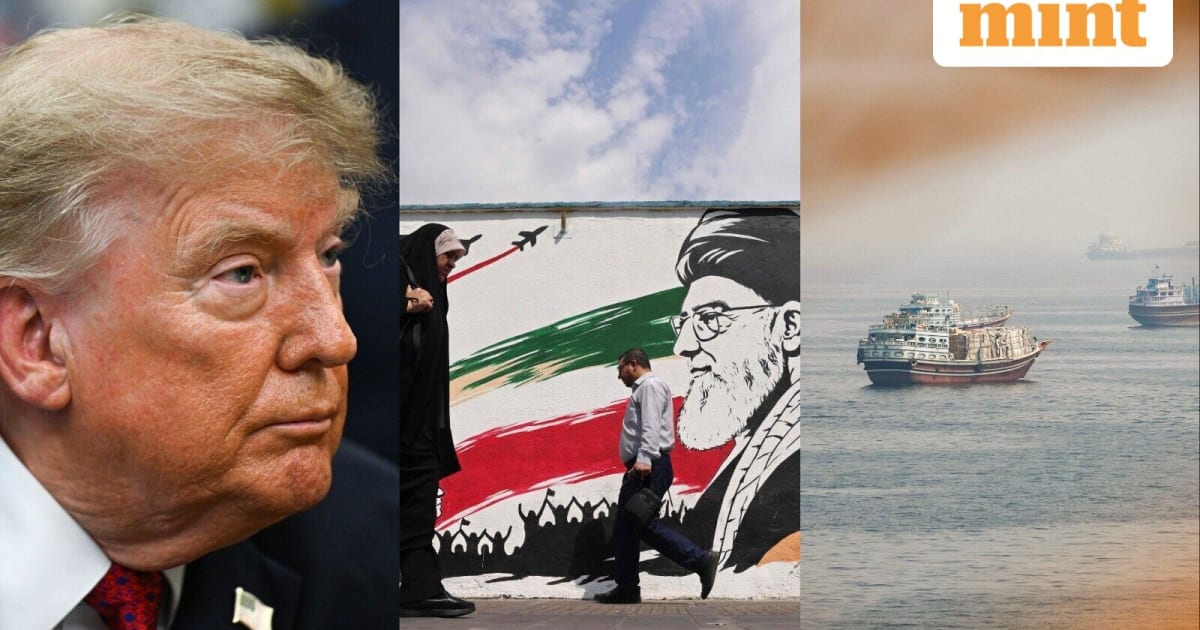
The Strait of Hormuz, a narrow waterway connecting the Persian Gulf to the open ocean, has long been the geopolitical pulse point of global energy. Accounting for approximately one-fifth of the world's total petroleum liquids consumption and a significant portion of global liquefied natural gas (LNG) trade, its stability is paramount to economic equilibrium. Recent intelligence, indicating a substantial uptick in oil and LNG shipments through this critical chokepoint, directly attributed to enhanced US naval protection, marks a pivotal moment for global energy markets and, more specifically, for India's macroeconomic landscape and its stock market.
This isn't merely a fleeting news cycle; it's a structural shift in supply chain confidence. The consistent, uninterrupted flow of crude oil and LNG through Hormuz mitigates the 'geopolitical risk premium' often embedded in oil prices. For an economy like India, which imports over 85% of its crude oil requirements, this translates directly into tangible benefits: lower import bills, reduced inflationary pressures, and an improved current account deficit (CAD). The 'so what' for investors is clear: sectors sensitive to crude oil prices are poised for a significant re-rating, offering compelling opportunities for strategic positioning.
What Happened in the Strait of Hormuz, and Why Does it Matter Now?
In recent weeks, reports have confirmed a noticeable increase in the volume of oil and LNG transiting the Strait of Hormuz. This surge is not coincidental; it directly correlates with a reinforced US naval presence, acting as a deterrent to potential disruptions. Historically, even the hint of instability in this region—whether from geopolitical tensions, piracy, or military exercises—has sent crude oil futures soaring. The perceived threat to this vital artery of global trade directly impacts the supply-demand equation, often disproportionately.
Now, with a more secure shipping environment, the market's 'fear premium' is beginning to dissipate. This matters immensely today because global economies are still grappling with persistent inflationary pressures, and central banks, including the Reserve Bank of India (RBI), are navigating a delicate balance between growth and price stability. A sustained period of lower, more predictable crude oil prices provides crucial breathing room. For India, specifically, every $10 per barrel reduction in crude oil prices can improve the CAD by approximately 0.5% of GDP and potentially shave 0.2-0.3% off headline inflation. This direct correlation makes the Hormuz situation a primary driver for India's economic outlook and, consequently, investor sentiment towards various sectors.
How Will Stable Hormuz Shipments Impact Indian Stocks?
The ripple effect of stable crude oil supply and potentially lower prices extends across multiple sectors of the Indian economy and its equity markets. The most immediate and significant beneficiaries are those whose profitability is inversely correlated with crude oil prices.
Oil Marketing Companies (OMCs)
Indian Oil Marketing Companies (OMCs) like Indian Oil Corporation (IOC), Bharat Petroleum Corporation Limited (BPCL), and Hindustan Petroleum Corporation Limited (HPCL) operate on a gross refining margin (GRM) model and are significantly impacted by crude oil price volatility. While their retail prices are often regulated or subject to political considerations, lower input costs (crude oil) directly improve their marketing margins on petrol and diesel. When crude prices fall, OMCs often benefit from inventory gains, as they purchase crude at higher prices and sell refined products when input costs have declined. Conversely, a sharp rise in crude can lead to inventory losses and compressed marketing margins if retail prices aren't immediately adjusted. The current scenario of stable, potentially declining crude prices creates a favorable environment for margin expansion and improved profitability for these public sector behemoths. For instance, in Q3 FY24, IOC reported a standalone net profit of ₹8,063 crore, a significant turnaround driven partly by improved marketing margins. Sustained stability could see their P/E ratios re-rate upwards from their current averages, which often trade at a discount due to regulatory uncertainty.
Airlines
Fuel costs, primarily Aviation Turbine Fuel (ATF), constitute 30-40% of an airline's operating expenses. A reduction in crude oil prices directly translates into lower ATF costs, significantly boosting airline profitability. This is a critical factor for carriers like InterGlobe Aviation (Indigo) and SpiceJet, which operate on notoriously thin margins. For example, a 10% drop in ATF prices can lead to a 5-7% improvement in an airline's operating profit margin, all else being equal. This allows them either to offer more competitive fares to stimulate demand or to expand their profit margins, both of which are positive for investors. Indigo, with its market dominance and efficient cost structure, stands to gain disproportionately. The last time crude prices saw a sustained decline in 2020-2021, post-pandemic, Indian airline stocks, despite demand challenges, showed resilience due to lower input costs, setting the stage for their eventual recovery.
Manufacturing & Logistics
Beyond the direct energy players, the broader manufacturing sector benefits from lower input costs, particularly for industries reliant on petroleum derivatives or high energy consumption. Reduced transportation costs, a direct consequence of lower fuel prices, also benefit logistics and shipping companies indirectly by stimulating overall trade volumes and reducing operational overheads. This creates a virtuous cycle of lower inflation, higher consumer spending, and improved industrial output across the Indian economy.
Stock-by-Stock Breakdown: Who Wins, Who Loses?
The increased stability in the Strait of Hormuz creates a clear bifurcation of impact within the Indian equity market. Here's a closer look at specific tickers:
- Indian Oil Corporation (IOC) (NSE: IOC): As India's largest OMC, IOC is a prime beneficiary. With a market capitalization of over ₹2.4 trillion, even a modest improvement in marketing margins can translate into substantial bottom-line growth. Investors should watch for inventory gains reported in upcoming quarterly results. Its current P/E of ~6-7x often undervalues its potential during periods of stable crude.
- Bharat Petroleum Corporation Limited (BPCL) (NSE: BPCL): A significant player in the refining and marketing segment, BPCL will also see direct benefits from lower crude input costs. Its strategic push into petrochemicals could also benefit from stable feedstock prices. Its current P/E is often similar to IOC, making it an attractive play.
- Hindustan Petroleum Corporation Limited (HPCL) (NSE: HPCL): Similar to its peers, HPCL's refining and marketing operations will see margin expansion. The stock often moves in tandem with IOC and BPCL, making it a sector-wide play.
- InterGlobe Aviation (Indigo) (NSE: INDIGO): The undisputed leader in Indian aviation, Indigo's profitability is highly sensitive to ATF prices. With a market cap exceeding ₹1.5 trillion, even small percentage drops in fuel costs can significantly impact its quarterly earnings. A sustained period of lower crude could propel its stock to new highs, given its strong balance sheet and expansion plans.
- SpiceJet Limited (NSE: SPICEJET): While smaller and more leveraged than Indigo, SpiceJet would also see substantial relief from lower fuel costs. For a company navigating financial challenges, this could be a crucial lifeline, potentially aiding its turnaround efforts. Investors should monitor its debt restructuring alongside fuel price trends.
- Reliance Industries Limited (RIL) (NSE: RELIANCE): Reliance is a mixed bag. As India's largest refiner, its O2C (Oil-to-Chemicals) segment benefits from stable and potentially lower crude feedstock prices, improving refining margins. However, RIL also has upstream Exploration & Production (E&P) interests, where lower crude prices would negatively impact realizations. The net effect for RIL is likely positive, given the larger contribution of its refining operations to its O2C segment, alongside its growing retail and telecom ventures which benefit from a stronger economy.
Expert Perspective: Bulls vs. Bears on Hormuz Stability
The market's reaction to this development is not monolithic. Bulls and bears will frame the narrative differently, offering crucial counterpoints for a balanced investment thesis.
The Bull Case: Proponents of a bullish outlook would emphasize the direct, tangible benefits for India's macroeconomic stability. They would argue that sustained stability in Hormuz removes a significant risk premium from global oil prices, leading to a structural shift in input costs for key Indian industries. "This isn't just about a short-term dip in crude," one senior analyst from a Mumbai-based institutional brokerage noted, "it's about re-establishing a baseline of supply security that allows for more predictable business planning and investment, especially for our OMCs and airlines. The market has been too quick to price in geopolitical risks; now it needs to price in stability." They would point to historical parallels where periods of global oil price stability (e.g., 2014-2016) significantly aided India's growth trajectory and corporate profitability, even leading to multiple expansion for oil-sensitive stocks.
The Bear Case: A more cautious perspective would highlight the inherent fragility of geopolitical stability in the Middle East. Bears would contend that the current calm is merely a temporary reprieve, heavily reliant on a sustained and potentially costly US naval presence. "One incident in the Strait, one escalation, and all these gains evaporate," warns a prominent geopolitical risk consultant. "The underlying tensions haven't vanished; they're merely suppressed." They might also argue that while lower crude is good for importers, it's detrimental for crude producers, and a sustained global glut could signal broader economic slowdowns, dampening overall demand. Furthermore, they would question the extent to which OMCs can fully capture lower input costs, given government intervention in retail fuel pricing, which can cap their upside during favorable periods.
Actionable Investor Playbook: Navigating the Hormuz Opportunity
For investors looking to capitalize on this developing situation, a strategic approach is key. The current environment presents a compelling opportunity, but it requires careful monitoring.
- Buy/Accumulate: Focus on Oil Marketing Companies (IOC, BPCL, HPCL) and leading airline stocks (Indigo). These companies offer the most direct and immediate leverage to lower crude oil prices. Consider staggered entry points, especially if there's any short-term volatility in crude.
- Watch: Companies in the broader manufacturing and logistics sectors that benefit from lower energy costs. While the impact is less direct, sustained lower input costs will improve their margins over a medium-to-long term horizon. Reliance Industries, as a diversified conglomerate, is also a 'watch' given its dual exposure to refining and E&P, but the net impact leans positive.
- Time Horizon: This is likely a medium-term play (6-18 months), assuming sustained geopolitical stability. While immediate benefits will be seen in quarterly results, the full re-rating potential will unfold over several quarters as market confidence solidifies.
- Entry Points: Look for any dips in the aforementioned stocks, perhaps triggered by broader market corrections or temporary crude price spikes, as opportunities to accumulate. The current P/E multiples of OMCs, often trading below their historical averages, suggest attractive valuations.
Risk Matrix: What Could Derail This Positive Trend?
No investment thesis is without its risks. For the Hormuz stability story, several factors could quickly reverse the positive momentum:
- Geopolitical Escalation in the Middle East: This is the most significant and immediate risk. Any military confrontation, act of aggression, or major maritime incident in the Persian Gulf or Strait of Hormuz could instantly trigger a spike in crude oil prices, negating all the benefits. Probability: Medium-High.
- Withdrawal or Reduction of US Naval Presence: The current stability is heavily reliant on sustained US deterrence. A policy shift leading to a reduced naval footprint could embolden actors seeking to disrupt shipping, reintroducing supply chain risks. Probability: Medium.
- Global Economic Slowdown: While lower crude prices are generally positive, a severe global economic recession could depress overall demand for oil, impacting refiner margins and airline traffic despite lower fuel costs. This is a broader macroeconomic risk. Probability: Medium.
- Domestic Regulatory Intervention: For OMCs, the Indian government's intervention in retail fuel pricing, especially during election cycles, could cap their ability to fully pass on or benefit from lower crude oil prices, limiting margin expansion. Probability: Medium.
What to Watch Next: Catalysts and Data Points
To stay ahead of this evolving narrative, investors should closely monitor several key indicators and upcoming events:
- US Energy Information Administration (EIA) Reports: Specifically, their weekly and monthly crude oil flow data, which often includes details on shipments through key chokepoints.
- OPEC+ Meetings and Decisions: The cartel's production quotas and any surprises could significantly impact global crude prices, irrespective of Hormuz stability. The next major meeting is often announced in advance.
- Quarterly Earnings Reports of OMCs and Airlines: Pay close attention to their gross refining margins, marketing margins, and fuel costs reported in their upcoming results. These will provide concrete evidence of the impact. Look for Q4 FY24 and Q1 FY25 results.
- Geopolitical News from the Middle East: Any diplomatic developments, military exercises, or statements from regional powers or the US Central Command (CENTCOM) regarding maritime security.
- India's Inflation and Current Account Deficit Data: The RBI and Ministry of Finance's monthly and quarterly releases will show the broader macroeconomic impact of stable crude prices.
The Strait of Hormuz, often a source of global anxiety, is currently signaling a period of relative calm and opportunity. For the astute investor in the Indian market, understanding these currents is not just about tracking headlines, but about identifying structural shifts that can drive long-term value creation.
See IOC's AI Score
Our algorithmic screener scores IOC on fundamentals, momentum, and risk — free to try, no card needed.
Try the AI Screener →Have questions about this story?
Ask Welth, our finance-focused AI research assistant, for a deeper breakdown — free trial included.
Chat with Welth AI →Disclaimer: This content is generated by WelthWest Research Desk based on publicly available reports and is for informational purposes only. It does not constitute financial advice, investment recommendations, or an offer to buy or sell securities. Always consult a qualified financial advisor before making investment decisions.