Key Takeaway
The strategic pivot away from the Strait of Hormuz towards a UN-sanctioned Omani route fundamentally alters global energy logistics, promising reduced geopolitical risk premiums on crude oil. This paradigm shift directly benefits Indian oil marketing companies (OMCs), shipping firms, and the broader economy through lower import costs and enhanced supply chain stability.
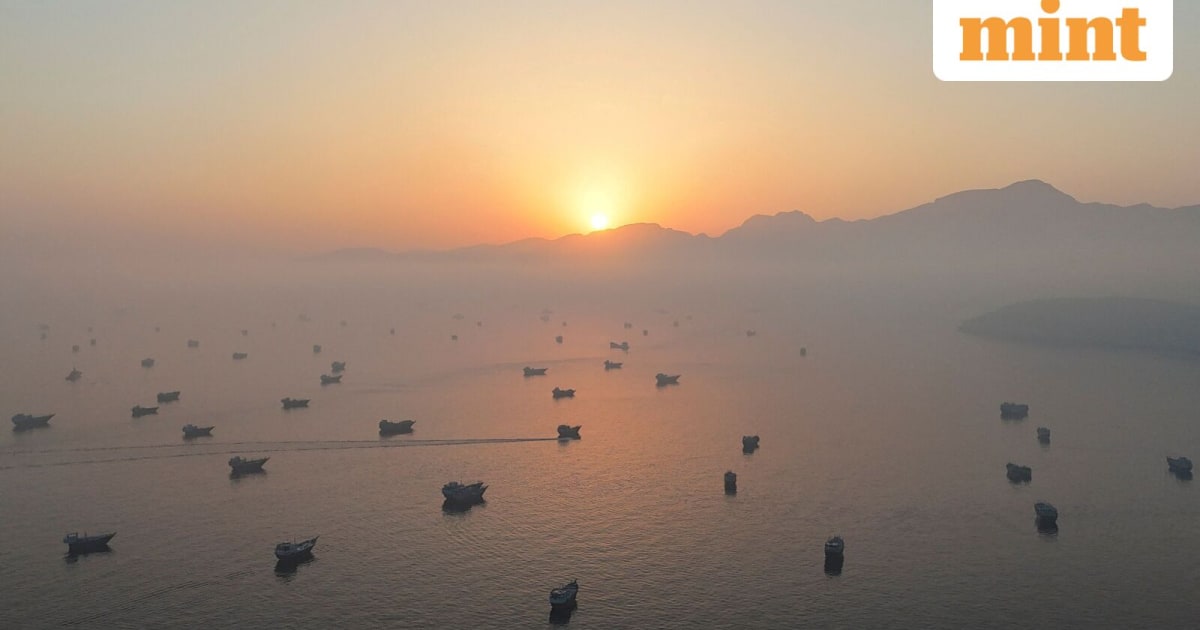
Geopolitical currents are reshaping global energy pathways. A notable shift sees maritime traffic increasingly favor a UN-sanctioned Omani route, lessening dependence on the Iranian-controlled Strait of Hormuz. This development signals a potential de-escalation of regional tensions, promising substantial benefits for energy-importing nations like India, particularly impacting its OMCs and shipping sector. Our deep dive reveals the winners and losers in this evolving landscape.
Hormuz Shift: UN-Backed Oman Route Erodes Iran's Grip, Boosts Indian OMCs & Shipping
The intricate dance of global geopolitics and energy markets has just taken a decisive turn. For decades, the Strait of Hormuz, a narrow choke point connecting the Persian Gulf to the open ocean, has been synonymous with geopolitical risk, its stability often held hostage to Iranian influence. Now, a significant and underreported shift is underway: maritime traffic, particularly for critical oil and gas shipments, is increasingly bypassing the Strait in favor of a United Nations-sanctioned shipping route off the coast of Oman. This fundamental re-routing, while seemingly incremental, carries profound implications for global energy security, supply chain resilience, and critically, the Indian economy and its listed entities.
The core event is a gradual but persistent weakening of Iranian control and influence over the Strait of Hormuz. This isn't a sudden blockade, but a strategic, long-term pivot by international shipping and naval powers towards the Omani alternative. The UN-sanctioned route offers a safer, more predictable passage, circumventing the volatile political landscape surrounding the Strait. Why does this matter now? Because the Strait of Hormuz accounts for roughly 20% of the world's total petroleum liquid consumption and a significant portion of global liquefied natural gas (LNG) trade. Any perceived threat to this artery immediately injects a substantial geopolitical risk premium into crude oil prices. The move to the Omani route effectively drains some of that premium, offering a tangible de-risking of global energy supply chains that directly translates into economic benefits for major energy importers like India.
How Will Reduced Hormuz Risk Impact Indian Energy Stocks?
The implications for the Indian stock market are overwhelmingly positive, particularly for downstream energy players and the logistics sector. India, as the world's third-largest oil importer, is acutely sensitive to global crude price fluctuations and supply disruptions. Historically, even whispers of tension in the Persian Gulf have sent benchmark crude prices soaring, directly impacting India’s import bill and fueling domestic inflation. The adoption of a safer Omani route provides a structural hedge against such volatility.
Consider the historical parallel: during the peak of US-Iran tensions in mid-2019, Brent crude briefly spiked above $70/barrel, and the Nifty 50, while resilient, saw increased volatility in sectors dependent on energy costs. The current shift offers a counter-narrative. A sustained reduction in geopolitical risk premiums on crude oil could translate into a baseline reduction of $2-5 per barrel on average. For India, importing approximately 4.5 million barrels per day, this implies a potential annual saving of $3.2 billion to $8.1 billion on its crude import bill. This saving directly bolsters the nation's current account balance, strengthens the Rupee, and provides crucial headroom for the Reserve Bank of India (RBI) in managing inflation.
The primary beneficiaries are India's Oil & Gas Marketing Companies (OMCs). These companies, including giants like Indian Oil Corporation (IOC), Bharat Petroleum Corporation (BPCL), and Hindustan Petroleum Corporation (HPCL), procure crude oil internationally and process it for domestic consumption. Lower acquisition costs directly expand their marketing margins, improving profitability. For instance, a $1/barrel reduction in crude prices can add hundreds of crores to the bottom line of a company like IOC, which reported a net profit of ₹39,963 crore in FY24. Their P/E ratios, which have historically been sensitive to crude price volatility, stand to benefit from more predictable and favorable input costs. This also translates to lower retail fuel prices, a boon for consumers and a dampener on overall inflation, indirectly boosting consumption across the economy.
Beyond OMCs, the shipping and logistics sector is another major winner. Reduced geopolitical risk in a critical maritime corridor directly translates to lower insurance premiums for vessels traversing the region. War risk premiums, which can add significant costs to shipping, are likely to diminish. This enhances the profitability of shipping companies and makes global trade more cost-effective. The chemical sector, heavily reliant on crude derivatives as feedstock, will also see lower input costs, improving their competitiveness and margins. Airlines, which grapple with fuel as their largest operating expense, will experience direct cost relief, potentially leading to improved passenger yields and profitability.
Which Indian Stocks Stand to Gain from the Hormuz Shift?
This strategic realignment presents a compelling investment thesis for several Indian listed entities across key sectors. Investors looking to capitalize on this trend should consider a focused approach:
- Reliance Industries Ltd (RIL, NSE: RELIANCE): As India's largest conglomerate with significant interests in oil refining and petrochemicals, RIL stands to gain immensely. Its massive refining complex at Jamnagar, one of the largest in the world, processes vast quantities of crude. Lower crude input costs directly enhance refining margins (GRMs - Gross Refining Margins) and petrochemical profitability. RIL's diversified nature also provides a cushion, but its O2C (Oil-to-Chemicals) segment will be a primary beneficiary. The company's market cap exceeds ₹20 lakh crore, and even a modest improvement in GRMs due to reduced risk premiums can add substantial value.
- Indian Oil Corporation Ltd (IOC, NSE: IOC): As the largest OMC in India, IOC is at the forefront of this benefit. With a vast network of refineries and retail outlets, lower crude procurement costs directly translate into fatter marketing margins. In FY24, IOC reported significant revenue, and a stable, lower crude price environment will be a structural tailwind, potentially improving its historically volatile P/E multiple. Sector peers Bharat Petroleum Corporation (BPCL, NSE: BPCL) and Hindustan Petroleum Corporation (HPCL, NSE: HPCL) will also experience similar positive impacts, making the entire OMC basket attractive.
- Great Eastern Shipping Company Ltd (GESHIP, NSE: GESHIP): India's largest private sector shipping company, GESHIP, operates a diverse fleet of crude oil tankers, product tankers, and gas carriers. Reduced war risk premiums and improved security in maritime routes directly lower its operating costs and enhance its competitive edge. Safer routes mean fewer delays and potentially lower insurance payouts, boosting net profitability. Its current market cap reflects its leadership position, and this de-risking event is a clear positive.
- Shipping Corporation of India Ltd (SCI, NSE: SCI): As the national carrier, SCI plays a crucial role in India's maritime trade. Similar to GESHIP, SCI will benefit from decreased insurance costs and smoother transit times. The long-term implications of a more stable shipping environment in the region are highly favorable for SCI's financial health and operational efficiency.
- InterGlobe Aviation Ltd (INDIGO, NSE: INDIGO): As India's dominant airline, fuel costs constitute the largest portion of Indigo's operating expenses, often exceeding 35-40% of its total costs. A sustained reduction in crude oil prices due to lower geopolitical risk directly translates into significant cost savings, boosting its profitability and competitive positioning. This could allow for more aggressive pricing or improved margins, driving market share. SpiceJet (SPICEJET, NSE: SPICEJET), while facing its own operational challenges, would also see a similar, albeit smaller, benefit from reduced fuel costs.
Expert Perspective: Bulls vs. Bears on the Hormuz De-Risking
The market's interpretation of this shift isn't monolithic. Bulls argue that this represents a fundamental, structural de-risking of global energy markets. They point to the sustained increase in traffic via the Omani route as evidence of a permanent strategic pivot by international shipping, driven by a desire for predictability and safety over the volatile Strait. For bulls, this isn't a temporary relief but a new baseline for geopolitical stability in the region, leading to a sustained erosion of the risk premium in crude oil. They would highlight the long-term benefits for energy-importing economies and downstream industries, arguing that current valuations for OMCs and shipping companies do not yet fully price in this new reality.
“The strategic shift away from the Strait of Hormuz is more than a tactical maneuver; it’s a re-calibration of global energy security. For India, this translates into a structural advantage, enhancing energy security and providing a tangible tailwind for OMCs and the broader economy for years to come.” – WelthWest Lead Analyst
Conversely, bears would caution against over-optimism. They might argue that while the Omani route offers an alternative, the Strait of Hormuz remains a critical artery, and Iran's capacity to disrupt it has not fundamentally changed. They would highlight the fluid nature of Middle Eastern geopolitics, suggesting that any re-escalation of tensions, or even a symbolic act of aggression by Iran, could quickly reintroduce the risk premium. Bears might also point to the potential negative impact on domestic upstream oil producers (like ONGC and Oil India) if sustained lower crude prices erode their profitability, although for India, the net benefit as an importer far outweighs this concern. They would advocate for a cautious approach, monitoring the actual sustained volume through the Omani route and any counter-moves by Iran.
Actionable Investor Playbook: Navigating the New Energy Landscape
For investors, this evolving situation presents clear opportunities. The long-term horizon for this strategic shift is bullish for Indian energy consumers and downstream players, suggesting a 'buy on dips' strategy for key beneficiaries.
- Buy: Initiate or increase positions in front-line OMCs like IOC, BPCL, and HPCL. Consider Reliance Industries for its diversified exposure and significant refining capacity. For shipping exposure, GESHIP and SCI offer direct leverage to reduced maritime risk. Indigo provides a clean play on lower fuel costs.
- Watch: Monitor the volume of trade through the Omani route versus the Strait of Hormuz. Any significant divergence favoring Oman strengthens the thesis. Keep an eye on global crude oil benchmarks (Brent, WTI) for sustained downward pressure on the geopolitical risk premium.
- Entry Points: Look for any market corrections or sector-specific dips as attractive entry points, as the underlying structural shift is likely to provide long-term support. A P/E multiple below the 5-year average for OMCs, coupled with strong earnings visibility, would be ideal.
- Time Horizon: This is a medium to long-term investment theme (1-3 years and beyond). The benefits will accrue gradually as global supply chains fully adapt and the geopolitical risk premium recalibrates.
Risk Matrix: Potential Headwinds to the Hormuz De-Risking
While the outlook is largely positive, several risks could temper the benefits or even reverse the trend:
- Re-escalation of Tensions (Probability: Medium): Any renewed significant escalation of geopolitical tensions involving Iran, or direct attempts by Iran to disrupt the Omani route, could quickly reintroduce the risk premium and negate the current positive sentiment. This remains the primary overarching risk.
- OPEC+ Production Cuts (Probability: Medium): While not directly related to the Hormuz shift, sustained lower crude prices could incentivize OPEC+ to implement deeper production cuts. This would artificially prop up prices, partially offsetting the benefit of reduced geopolitical risk premiums.
- Global Economic Slowdown (Probability: Medium): A significant global recession could depress overall demand for crude oil, leading to lower prices, but driven by demand destruction rather than supply-side de-risking. While good for net importers, it would reflect broader economic weakness.
- Domestic Upstream Impact (Probability: Low-Medium): Sustained lower crude prices, while beneficial for OMCs, could negatively impact the profitability of India's domestic upstream oil producers like ONGC and Oil India, which derive revenue directly from crude oil sales. However, the net benefit to the Indian economy as an importer typically outweighs this.
What to Watch Next: Catalysts and Data Points
The narrative around the Hormuz shift is dynamic, and investors should monitor several key indicators and events:
- Maritime Traffic Data: Regular releases from shipping analytics firms detailing vessel movements through the Strait of Hormuz versus the Omani route will provide concrete evidence of the trend's continuation or reversal. Look for sustained, increasing volumes via Oman.
- Insurance Premium Adjustments: Monitor reports from marine insurance providers regarding war risk premiums for the Persian Gulf region. A sustained downtrend would confirm the de-risking.
- Crude Oil Price Spreads: Observe the spread between different crude benchmarks and any persistent narrowing of the geopolitical risk component embedded in prices.
- Iranian Statements and Actions: Any official statements or naval activities by Iran concerning the Strait of Hormuz or the Omani route will be critical indicators of potential re-escalation.
- US and Allied Naval Posturing: Continued presence and activities of US and allied naval forces in the region, particularly in supporting the Omani route, will reinforce stability.
The global energy map is being redrawn, and India stands to be a significant beneficiary. By understanding the underlying geopolitical currents and their direct impact on specific sectors and stocks, investors can position themselves to capitalize on this profound shift.
See Reliance Industries (RIL)'s AI Score
Our algorithmic screener scores Reliance Industries (RIL) on fundamentals, momentum, and risk — free to try, no card needed.
Try the AI Screener →Have questions about this story?
Ask Welth, our finance-focused AI research assistant, for a deeper breakdown — free trial included.
Chat with Welth AI →Disclaimer: This content is generated by WelthWest Research Desk based on publicly available reports and is for informational purposes only. It does not constitute financial advice, investment recommendations, or an offer to buy or sell securities. Always consult a qualified financial advisor before making investment decisions.