Key Takeaway
The Indian logistics sector is undergoing a terminal shift from fragmented growth to an oligopolistic model. Investors should pivot toward integrated, tech-native platforms as pricing power shifts from the unorganized sector to capital-efficient giants.
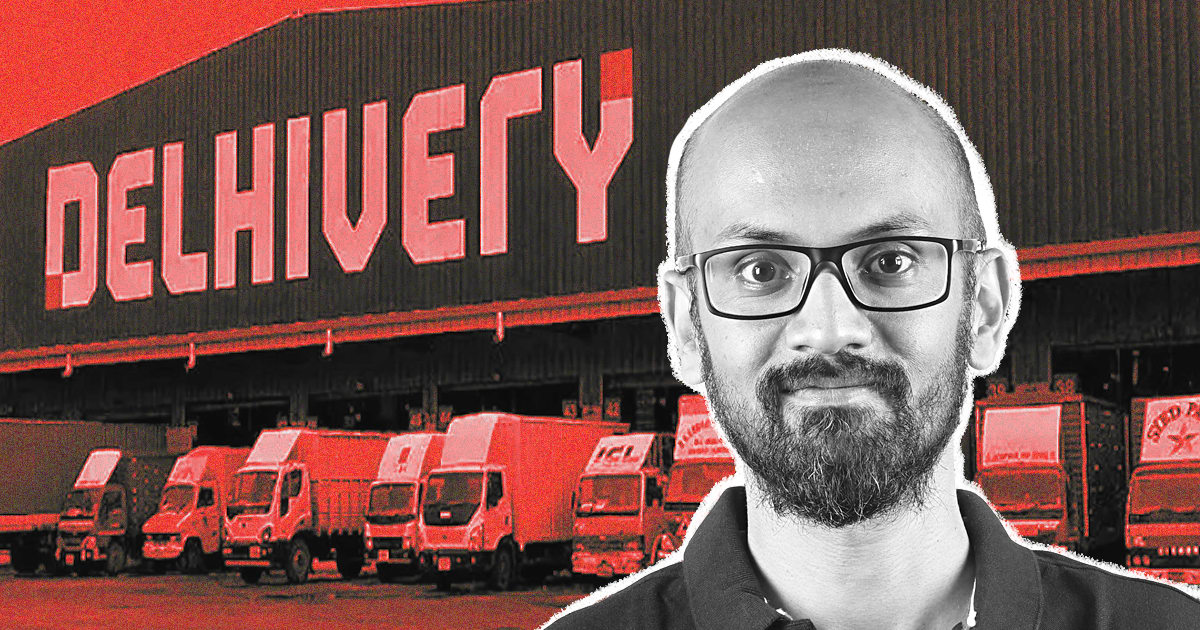
India’s $200B+ logistics market is reaching a critical inflection point. As margins tighten and infrastructure demands rise, the era of the 'unorganized player' is ending. This structural consolidation is creating a long-term runway for top-tier players to capture market share and expand profitability.
The Great Logistics Shakeout: Why Scale is the Only Survival Metric
For decades, the Indian logistics landscape was defined by fragmentation—a sea of small-to-mid-sized fleet operators competing primarily on price. Today, that model is collapsing. As the industry matures, we are witnessing a rapid transition toward an oligopolistic structure where only firms with massive infrastructure, proprietary tech stacks, and deep balance sheets can survive.
This is not merely a cyclical trend; it is a structural metamorphosis. As Sahil Barua of Delhivery recently noted, the market is unlikely to sustain more than three dominant players. This consolidation is driven by the relentless pursuit of margin expansion and the necessity of high-tech supply chain integration in a post-GST economy.
How will the logistics consolidation impact Indian equity markets?
The impact on the Indian stock market is profound. Historically, logistics stocks were viewed as high-beta, low-margin plays. However, the move toward consolidation mimics the banking sector’s evolution in the early 2010s, where public sector and smaller private banks ceded ground to larger, tech-capable behemoths. When we look at the Nifty Logistics index, we expect a bifurcation: the leaders will see multiple expansion as their free cash flow (FCF) profiles improve, while smaller, debt-heavy players will likely face existential liquidity crunches.
Market Data Insight: With logistics costs in India hovering near 13-14% of GDP—significantly higher than the global benchmark of 8-9%—the government's National Logistics Policy (NLP) is acting as a catalyst for this consolidation. Companies that can bridge this 5% efficiency gap through automation and hub-and-spoke efficiency are the ones that will trade at premium P/E multiples.
Stock-by-Stock Breakdown: The New Logistics Titans
- Delhivery (NSE: DELHIVERY): As a tech-first logistics provider, Delhivery is the primary beneficiary of the 'winner-take-all' dynamic. Despite recent volatility, their ability to integrate cross-border and heavy-load segments provides a moat that traditional players lack. With a focus on reducing unit costs, they are positioned to capture the lion's share of e-commerce volumes.
- TCI Express (NSE: TCIEXP): Known for its high-margin express delivery model, TCIEXP benefits from the shift toward organized logistics. Their asset-light model allows for superior ROE (Return on Equity) compared to capital-heavy peers, making them a defensive play in a consolidating market.
- Blue Dart (NSE: BLUEDART): The gold standard in air express. As the premium end of the market consolidates, Blue Dart’s brand equity and network density create a significant barrier to entry. Their premium pricing power remains largely insulated from the price wars that plague the unorganized road freight segment.
- CONCOR (NSE: CONCOR): As the dominant player in rail freight, CONCOR acts as the backbone of the infrastructure shift. Their strategic advantage in Dedicated Freight Corridors (DFC) ensures they remain the preferred partner for large-scale logistics firms looking to optimize long-haul costs.
Expert Perspective: The Bull vs. Bear Debate
The Bull Case: Proponents argue that consolidation will lead to rational pricing. As the market shifts from 'growth-at-any-cost' to 'profitable growth,' EBITDA margins for the top three players could expand by 300-500 basis points over the next three years.
The Bear Case: Skeptics point to the 'Integration Trap.' M&A activity is notoriously difficult in logistics due to the complexity of merging disparate tech stacks and regional labor pools. Furthermore, anti-competitive scrutiny from the CCI (Competition Commission of India) could stifle the pace of consolidation if dominant players are perceived as monopolistic.
Investor Playbook: Navigating the Shift
Investors should adopt a 'Barbell Strategy.' Allocate 60% of your logistics exposure to established, tech-integrated leaders (Delhivery, CONCOR) for long-term compounding, and 40% to high-margin, asset-light niche players (TCIEXP) to capture immediate margin expansion. Avoid companies with high D/E (Debt-to-Equity) ratios, as the rising cost of capital will make it impossible for them to compete on infrastructure investment.
Risk Matrix
| Risk | Probability | Impact |
|---|---|---|
| Regulatory/Anti-trust Action | Medium | High |
| Integration Failures | High | Medium |
| Macro-economic slowdown | Low | High |
What to watch next?
Watch for the upcoming quarterly earnings where management commentary on 'unit-level profitability' will be more important than top-line revenue growth. Specifically, monitor the utilization rates of newly commissioned warehouses and the impact of fuel price volatility on operating margins. Any shift in the government’s timeline for the full operationalization of the Dedicated Freight Corridors will be the next major catalyst for the sector.
See DELHIVERY's AI Score
Our algorithmic screener scores DELHIVERY on fundamentals, momentum, and risk — free to try, no card needed.
Try the AI Screener →Have questions about this story?
Ask Welth, our finance-focused AI research assistant, for a deeper breakdown — free trial included.
Chat with Welth AI →Disclaimer: This content is generated by WelthWest Research Desk based on publicly available reports and is for informational purposes only. It does not constitute financial advice, investment recommendations, or an offer to buy or sell securities. Always consult a qualified financial advisor before making investment decisions.