Key Takeaway
India's strategic push into diversified rice export markets is set to significantly bolster the nation's balance of trade and foreign exchange reserves, strengthening the Rupee and creating a compelling bullish narrative for key agricultural and logistics stocks on the NSE/BSE.
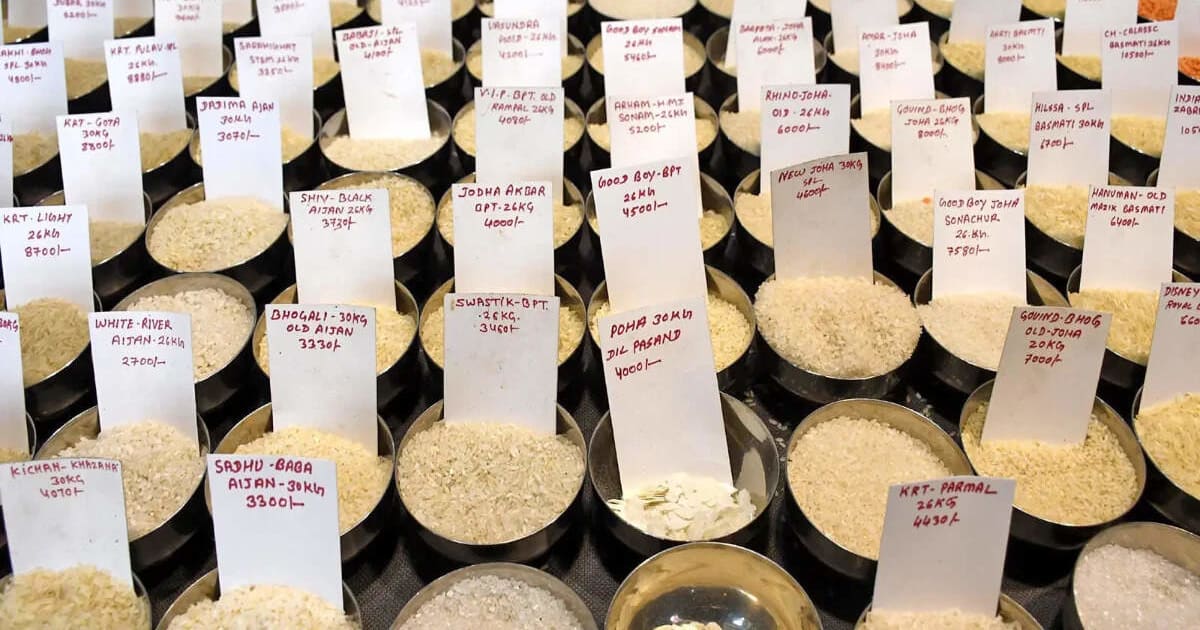
India's rice export sector is experiencing an unprecedented growth trajectory, driven by strategic initiatives like BIRC 2026 and a burgeoning global demand. This expansion is not merely about volume; it's a calculated diversification into new markets, promising substantial economic benefits. Our deep dive reveals how this phenomenon will impact the Indian stock market, specifically agricultural exporters and logistics giants, offering actionable insights for savvy investors.
India's Rice Export Renaissance: A Multi-Billion Dollar Opportunity for the Indian Market
India, a dominant force in global agriculture, is currently experiencing a profound transformation within its rice export sector. Far from a mere incremental increase, this is a strategic renaissance, underpinned by targeted initiatives and a proactive diversification into new international markets. The reverberations of this shift are poised to extend well beyond agricultural fields, influencing India's macroeconomic stability, foreign exchange earnings, and the valuations of key listed companies on the National Stock Exchange (NSE) and Bombay Stock Exchange (BSE).
The core event driving this narrative is the sustained growth and strategic diversification of India's rice exports, significantly bolstered by forward-looking programs like the 'Bharat Rice Initiative for Collective Exports 2026' (BIRC 2026). This initiative is not just about moving more rice; it's about establishing India as a reliable, high-quality supplier across a broader spectrum of global markets, reducing dependency on a few key buyers, and enhancing price realization.
Why does this matter now? In an era of increasing global food security concerns and supply chain disruptions, India's consistent agricultural output, particularly in rice, positions it as an indispensable player. The strategic broadening of export destinations mitigates risks associated with geopolitical shifts or economic downturns in specific regions. For the Indian economy, this translates directly into enhanced foreign exchange earnings, a more robust balance of trade, and a stronger Rupee, cushioning against imported inflation and making foreign investments more attractive. For investors, it signals a period of sustained growth for companies directly involved in this value chain, from farm to port.
How Will India's Diversified Rice Exports Impact the Indian Stock Market?
The burgeoning rice export market is creating a palpable ripple effect across several sectors of the Indian economy, with direct and indirect implications for the Indian stock market. Historically, periods of robust agricultural exports have often coincided with improved rural incomes and consumer spending, which in turn fuels demand for a variety of goods and services, ultimately boosting broader market indices. For instance, following a strong monsoon and agricultural export surge in FY2022-23, the Nifty FMCG index saw a 12% gain, reflecting increased rural purchasing power.
This current wave of rice export growth is particularly impactful due to its diversified nature. Instead of relying heavily on a few large markets, India is expanding its footprint across 26 new markets, from nascent African economies to established European culinary hubs. This broadens the risk profile and ensures more stable, long-term demand. The agricultural sector, which contributes approximately 18-20% to India's GDP, stands to benefit immensely. Increased export volumes translate into better price discovery for farmers, higher capacity utilization for processors, and robust demand for logistics services.
Companies involved in agricultural commodity exports are direct beneficiaries. Their revenue streams are set to expand, driven by both volume and potentially better margins from diversified markets. Furthermore, the increased throughput at ports and through inland logistics networks will significantly boost the top and bottom lines of transportation and infrastructure companies. This isn't merely a speculative play; it's a fundamental shift in demand dynamics for these businesses.
The strengthening Rupee, a direct consequence of higher foreign exchange inflows, also has broader implications. While it might slightly temper export competitiveness in the very short term, a stable and appreciating Rupee generally signals economic health, attracts foreign portfolio investment (FPI), and makes imports cheaper, particularly for crucial inputs like crude oil, thus alleviating inflationary pressures. This positive feedback loop can contribute to overall market stability and investor confidence.
Specific Stock Opportunities: Riding the Rice Export Wave
Investors seeking to capitalize on India's rice export boom have several compelling options across different segments of the value chain. Our analysis identifies key players poised for significant growth:
- KRBL Ltd. (NSE: KRBL): As a global leader in Basmati rice exports with brands like India Gate, KRBL is a primary beneficiary. With a market capitalization exceeding ₹7,000 crore and a P/E ratio around 18x (as of early 2024), its strong brand recognition and established distribution network in over 80 countries position it perfectly to capture new market share. The diversification into non-Basmati varieties, driven by BIRC 2026, could open up entirely new revenue streams, further bolstering its already robust export volumes. In its latest quarterly results, KRBL reported a 15% year-on-year increase in export revenue, a trend expected to accelerate.
- LT Foods Ltd. (NSE: DAAWAT): Known for its 'Daawat' brand of Basmati rice, LT Foods is another major player. With a market cap of approximately ₹4,500 crore and a P/E of around 15x, it offers a compelling valuation relative to its growth prospects. The company has been aggressively expanding its global footprint, particularly in North America and Europe. Increased global demand, coupled with India's strategic export push, will directly translate into higher sales and improved profitability. Their focus on value-added products like organic rice and ready-to-eat meals further enhances their potential in diversified markets.
- Chaman Lal Setia Exports Ltd. (NSE: CLSEL): A smaller yet significant player in the Basmati rice export segment, Chaman Lal Setia Exports (brands include 'Maharani') offers a higher-beta play on this theme. With a market cap below ₹1,000 crore, it presents a more concentrated exposure to export growth. Its agility and focus on specific niche markets within the broader export landscape could lead to outsized gains as new markets open up. Investors should monitor its quarterly export volumes and new market penetration closely.
- Adani Ports and Special Economic Zone Ltd. (NSE: ADANIPORTS): The logistical backbone of India's trade, Adani Ports stands to gain significantly from increased agricultural exports. As India's largest port developer and operator, handling approximately 25% of the country's cargo, higher rice export volumes mean increased container traffic, port handling fees, and overall revenue. The company's vast network and deep-water ports are critical for efficient global distribution. In FY23, Adani Ports handled over 339 MMT of cargo, and agricultural commodities form a growing part of this mix.
- Container Corporation of India Ltd. (NSE: CONCOR): As the premier multimodal logistics provider for containerized cargo in India, CONCOR is essential for inland movement to ports. Increased rice exports, whether Basmati or non-Basmati, will drive higher demand for its rail and road logistics services. A robust export pipeline directly translates into higher container volumes for CONCOR, impacting its freight revenue and terminal handling charges. The company's extensive network connecting production hubs to major ports makes it an indispensable link in the export chain.
The Bull vs. Bear Debate on India's Agri-Export Future
While the overall sentiment around India's diversified rice exports is decidedly bullish, a balanced perspective requires considering potential counterarguments.
Bulls argue that the current trajectory is sustainable and strategically sound. They point to India's unparalleled production capacity, the government's proactive policy support (like BIRC 2026), and the burgeoning global demand for affordable, high-quality rice, especially from developing nations in Africa and Southeast Asia. The diversification into new markets reduces concentration risk, making the export revenue stream more resilient. Furthermore, the weakening of the Rupee against the Dollar over the long term (despite short-term appreciation from forex inflows) generally provides a competitive edge for Indian exporters. They would highlight the historical resilience of Indian agriculture even in challenging global economic climates, positioning it as a defensive, yet growth-oriented, sector.
Bears, on the other hand, would caution against over-optimism. Their primary concerns revolve around global trade protectionism, potential adverse weather events impacting domestic production (e.g., El Niño effects leading to droughts or excessive rainfall), and intense competition from other major rice exporters like Thailand and Vietnam. They might argue that while diversification is positive, it also means navigating more complex regulatory environments and increased marketing costs in new territories. Furthermore, domestic food inflation pressures could lead to export restrictions, as seen periodically with wheat or certain rice varieties, which would directly hurt exporters. The volatility of global commodity prices is another significant risk that could erode margins despite higher volumes.
Actionable Investor Playbook: Navigating the Rice Export Opportunity
For investors looking to capitalize on this multi-faceted trend, a strategic approach is key:
- Buy & Hold Core Exporters: For long-term investors, accumulating shares of established Basmati exporters like KRBL (NSE: KRBL) and LT Foods (NSE: DAAWAT) on dips is a sound strategy. Look for entry points when the broader market or specific sector news creates temporary corrections. A time horizon of 3-5 years allows these companies to fully leverage market diversification and capacity expansion.
- Logistics Play: Consider Adani Ports (NSE: ADANIPORTS) and CONCOR (NSE: CONCOR) as essential infrastructure plays. These companies offer a more diversified exposure to overall trade growth, with agricultural exports being a significant tailwind. They are less susceptible to commodity price volatility directly.
- Monitor Smaller Players: For higher risk-reward, keep Chaman Lal Setia Exports (NSE: CLSEL) on your watchlist. A strong breakout in export volumes or new market announcements could signal significant upside potential, but also carries higher volatility.
- Sectoral Allocation: Consider increasing allocation to the agricultural sector within your portfolio. This trend provides a compelling reason to be overweight on agri-commodities and related logistics.
- Watch for Government Policies: Stay attuned to any changes in export policy, minimum support prices (MSPs) for paddy, or new bilateral trade agreements that could further boost or hinder exports.
Risk Matrix: Assessing Potential Headwinds
While the outlook is positive, several risks could impact the growth trajectory of India's rice exports:
- Global Trade Policy Shifts (Medium Probability, High Impact): Protectionist measures by importing nations or retaliatory tariffs could severely disrupt export flows. Any sudden export bans or quotas imposed by the Indian government to control domestic food inflation also pose a significant risk.
- Adverse Weather Conditions (Medium Probability, Medium-High Impact): Extreme weather events (droughts, floods) due to climate change could impact domestic rice production, leading to supply shortages and potentially forcing export restrictions. The monsoon's performance remains a critical determinant.
- Increased Competition (Medium Probability, Medium Impact): Aggressive pricing or increased production from other major rice-exporting nations like Thailand, Vietnam, and Pakistan could erode India's market share or compress profit margins.
- Geopolitical Instability (Low Probability, High Impact): Major conflicts or political instability in key importing regions could disrupt shipping routes, increase logistics costs, or reduce demand.
What to Watch Next: Catalysts and Data Points
Investors should closely monitor the following to stay ahead of the curve:
- Quarterly Earnings Reports: Pay close attention to the export revenue and volume figures reported by KRBL, LT Foods, and Chaman Lal Setia Exports. Look for management commentary on new market penetration and order book strength.
- Ministry of Commerce & Industry Data: Monthly and quarterly export data releases will provide real-time insights into the pace of growth and diversification.
- Monsoon Forecasts and Performance: India Meteorological Department (IMD) forecasts and actual monsoon progress will be crucial for assessing domestic production outlooks.
- BIRC 2026 Progress Reports: Updates on the 'Bharat Rice Initiative for Collective Exports 2026' will indicate the success of diversification efforts and potential new market entries.
- Global Rice Prices: Track international rice benchmarks (e.g., Thai 5% broken rice) to gauge competitive pressures and pricing power.
- Rupee Movement: Monitor the INR/USD exchange rate. A sustained appreciation due to forex inflows would signal strong economic health.
India's rice export story is more than just agricultural output; it's a testament to strategic economic planning and global market positioning. For discerning investors, this trend offers a compelling opportunity to participate in a fundamental growth story that strengthens India's economic fabric and promises sustained returns across key sectors.
See KRBL's AI Score
Our algorithmic screener scores KRBL on fundamentals, momentum, and risk — free to try, no card needed.
Try the AI Screener →Have questions about this story?
Ask Welth, our finance-focused AI research assistant, for a deeper breakdown — free trial included.
Chat with Welth AI →Disclaimer: This content is generated by WelthWest Research Desk based on publicly available reports and is for informational purposes only. It does not constitute financial advice, investment recommendations, or an offer to buy or sell securities. Always consult a qualified financial advisor before making investment decisions.