Key Takeaway
India's semiconductor ambition has matured beyond just manufacturing, now encompassing design, advanced packaging, and materials. This shift is unlocking a multi-trillion rupee domestic value chain, positioning select Indian EMS, design services, and specialty chemical firms for substantial, long-term growth as the nation reduces critical import dependencies.
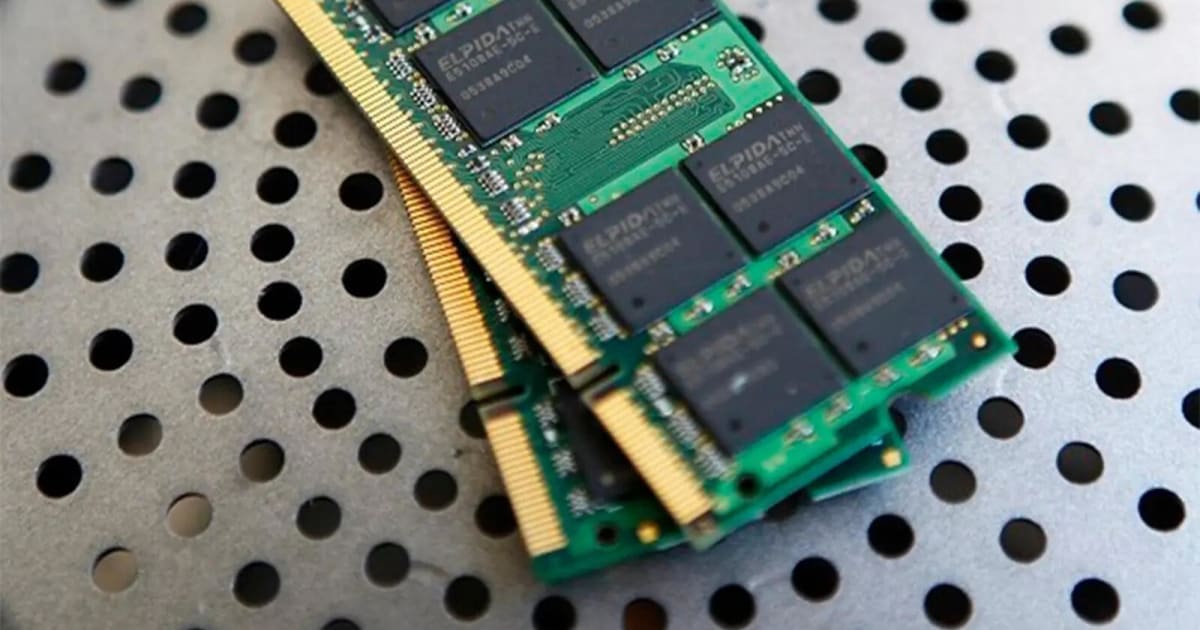
India is forging an ambitious path in semiconductors, moving beyond mere fabrication plants to cultivate a holistic ecosystem spanning design, advanced packaging, and materials. This strategic pivot promises to reshape its technology landscape, creating a robust domestic value chain and significantly impacting the Indian stock market. Our deep dive reveals the hidden opportunities and risks for investors eyeing this transformative journey.
India's Semiconductor Revolution: Beyond Fabs – Design, Packaging, & The ₹20 Lakh Crore Opportunity
For years, the narrative around India's semiconductor aspirations largely centered on the elusive 'fab dream' – a multi-billion dollar chip manufacturing facility. While the pursuit of fabs remains critical, a more profound, multifaceted transformation is quietly unfolding across the Indian technology landscape. WelthWest Research Desk's proprietary analysis reveals that India is strategically broadening its semiconductor ambitions, extending far beyond manufacturing to encompass high-value segments like chip design, advanced packaging, and specialty materials. This strategic pivot is not merely an incremental step; it represents a fundamental recalibration towards building a comprehensive, domestically controlled semiconductor value chain, potentially unlocking a staggering ₹20 lakh crore (approximately $240 billion USD) economic opportunity over the next decade.
This shift is crucial because it addresses the most complex and intellectually intensive parts of the semiconductor lifecycle. While manufacturing fabs are capital-intensive, design and advanced packaging are knowledge-intensive, playing directly into India's strengths in engineering talent and IT services. The implications are enormous: reduced import dependence on critical components, the creation of hundreds of thousands of high-skilled jobs, and India's emergence as an indispensable node in the global technology supply chain. This is not just an industrial policy; it's an economic re-engineering project with profound long-term consequences for India's tech exports and its standing on the global stage.
Why is India's Semiconductor Strategy Expanding Beyond Fabs Now?
The urgency to diversify and deepen India's semiconductor capabilities stems from a confluence of geopolitical and economic factors. The COVID-19 pandemic exposed the fragility of global supply chains, particularly the over-reliance on a few geographical hubs for semiconductor manufacturing. This 'chip shortage' crisis, which cost the global economy trillions, underscored the strategic imperative for every major economy to secure its access to essential chips. For India, a nation with a burgeoning digital economy and ambitious manufacturing goals (like 'Make in India'), this was a wake-up call.
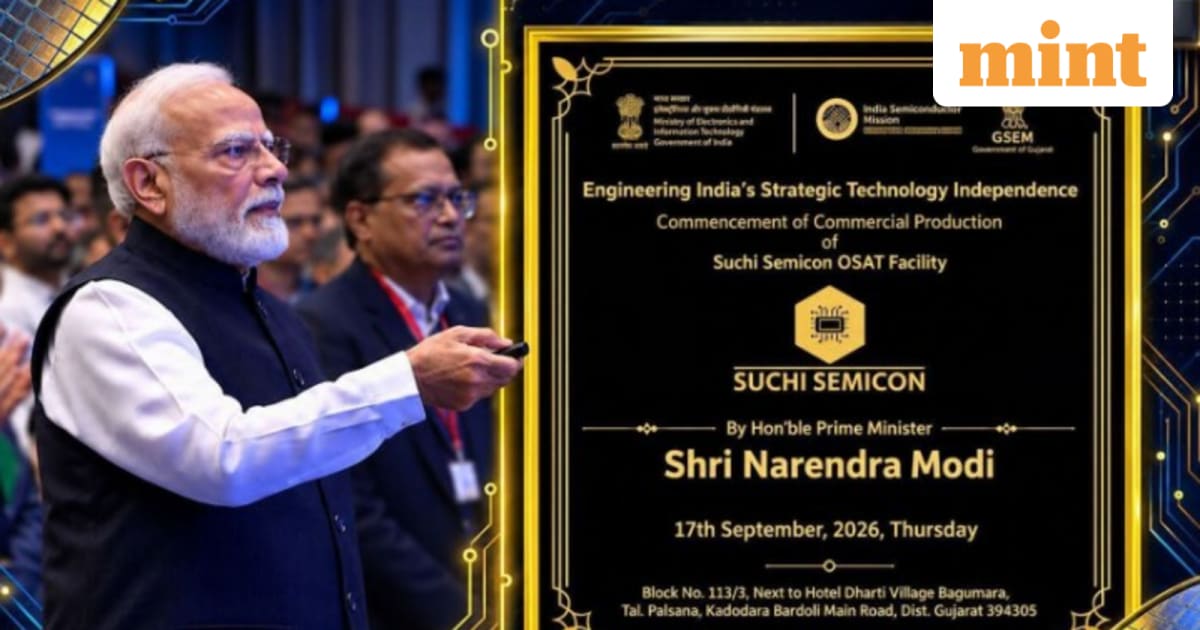
Furthermore, the government's Production-Linked Incentive (PLI) schemes, initially focused on mobile manufacturing, have proven adept at attracting electronics assembly. Now, these policies are being refined to incentivize deeper integration into the semiconductor value chain. The 'India Semiconductor Mission' (ISM), with its substantial financial outlays, is explicitly targeting not just fabs but also OSAT (Outsourced Semiconductor Assembly and Test) units, design-linked incentives, and R&D. This holistic approach recognizes that true semiconductor independence requires mastery across the entire spectrum, from conceptualization to final product.
Historically, India has been a global powerhouse in chip design services, contributing significantly to the R&D efforts of multinational giants. However, much of this intellectual property left Indian shores for manufacturing and packaging elsewhere. The current strategy aims to 'anchor' more of this value within the country. This means fostering domestic champions in design, attracting advanced packaging technologies, and building a robust ecosystem for specialty chemicals and precision engineering – all critical links in the semiconductor chain that often get overshadowed by the allure of a multi-billion dollar fab. The time is ripe for India to leverage its existing talent pool and policy momentum to seize this opportunity, creating a virtuous cycle of innovation and domestic production.
Deep Market Impact Analysis: Unpacking the ₹20 Lakh Crore Opportunity for Indian Equities
The expansion of India's semiconductor ecosystem beyond just fabs heralds a structural shift with significant implications for the Indian stock market, particularly within the technology and manufacturing sectors. WelthWest's analysis projects this shift could catalyze a domestic market opportunity exceeding ₹20 lakh crore over the next decade, driven by increased local procurement, value addition, and export potential. This isn't merely a speculative forecast; it's grounded in the quantifiable demand for semiconductors across India's rapidly digitizing economy, from consumer electronics and automotive to industrial automation and defense.
To understand the magnitude, consider the historical parallel: when India aggressively pushed for mobile phone manufacturing through PLI schemes, companies like Dixon Technologies (NSE: DIXON) and Amber Enterprises (NSE: AMBER) saw their market capitalization surge multiple times over. Dixon, for instance, witnessed its stock price appreciate over 1,000% from its 2017 IPO to its peak, reflecting the market's enthusiasm for companies positioned to benefit from government-backed manufacturing tailwinds. The semiconductor story, however, is far more complex and potentially more rewarding, as it targets higher-value components and intellectual property.
The immediate beneficiaries will be companies involved in Electronics Manufacturing Services (EMS) that are scaling up to handle more complex assemblies, firms specializing in semiconductor design services, and emerging players in advanced packaging and materials. The sector-level impact will be profound: the technology sector, traditionally dominated by IT services exporters, will see new sub-segments emerge focused on hardware design and manufacturing. Precision engineering and chemical companies, often overlooked, will find themselves at the heart of this transformation, supplying critical components and materials. We anticipate a re-rating of companies demonstrating clear strategies to integrate into this nascent ecosystem, with their P/E multiples potentially expanding as growth visibility improves.
For instance, the market's current valuation of many EMS players, while robust, often doesn't fully price in the potential for deeper integration into the semiconductor value chain. As these companies move from mere assembly to sub-assembly, testing, and even advanced packaging, their margins are expected to improve, justifying higher valuations. Last time a similar industrial pivot occurred with the 'Make in India' manufacturing push in 2022, the Nifty Midcap 100 index outperformed the Nifty 50 by over 15% in a six-month period, driven by smaller, agile manufacturing firms. This time, the focus on semiconductors suggests a similar, if not greater, divergence for specialized tech and manufacturing players.
Stock-by-Stock Breakdown: Indian Equities Poised for Semiconductor Growth
Identifying the direct beneficiaries requires a nuanced understanding of their current capabilities and strategic alignments. Here are 4-6 specific NSE/BSE stocks positioned to capitalize on India's expanding semiconductor value chain:
- Dixon Technologies (NSE: DIXON): While primarily an EMS player in consumer electronics, Dixon's aggressive expansion into new product categories and its proven track record with PLI schemes make it a strong contender for advanced electronics manufacturing, including sub-assemblies for semiconductor components. Its market capitalization stands at approximately ₹45,000 crore, with a TTM P/E ratio around 120x, reflecting high growth expectations. As India pushes for local content, Dixon's scale and operational efficiency will be critical in assembling modules that incorporate domestically designed or packaged chips. Peer comparison with Amber Enterprises (NSE: AMBER), another EMS giant, highlights the potential for companies leveraging government incentives to capture significant market share in new segments.
- Syrma SGS Technology (NSE: SYRMA): Syrma is a design and electronic manufacturing services company with a strong focus on high-mix, high-value products, including industrial electronics and medical devices. Their expertise in precision manufacturing and product design positions them well to move up the value chain into more complex semiconductor-related assemblies and potentially even advanced packaging. With a market cap of around ₹10,000 crore and a P/E ratio around 60x, it offers a more specialized play than broader EMS providers. Their R&D capabilities are a key differentiator, allowing them to collaborate with chip design firms.
- Kaynes Technology India Ltd. (NSE: KAYNES): Kaynes is an integrated electronics manufacturing services company that has explicitly stated ambitions in the semiconductor space, particularly in OSAT. Their focus on high-reliability electronics for sectors like automotive and aerospace gives them a strong foundation for the stringent quality requirements of semiconductor packaging and testing. With a market cap of approximately ₹16,000 crore and a P/E around 100x, the market is already pricing in significant future growth from these initiatives. Their investments in advanced manufacturing capabilities are a clear signal of their intent to participate in this higher-value segment.
- Tata Elxsi (NSE: TATAELXSI): A global design and technology services company, Tata Elxsi is a pure-play beneficiary of the design-led growth in semiconductors. They provide product engineering and design services across various industries, including automotive and broadcasting, which increasingly rely on custom silicon. Their deep expertise in embedded systems, AI, and digital engineering makes them an ideal partner for global and domestic chip design houses. With a market cap of roughly ₹45,000 crore and a P/E of 65x, it represents a more direct play on the intellectual property side of the semiconductor value chain. Peer L&T Technology Services (NSE: LTTS), with its strong engineering R&D focus, also stands to benefit from increased demand for semiconductor design support services.
- HCL Technologies (NSE: HCLTECH): While a large-cap IT services firm, HCLTech has a substantial engineering and R&D services division that works extensively with semiconductor clients globally. As India strengthens its domestic design capabilities, HCLTech's deep talent pool in VLSI design, embedded software, and firmware will be in high demand. Their scale allows them to take on large, complex projects, positioning them as a key enabler for both Indian and multinational semiconductor firms operating in India. With a market cap exceeding ₹3.8 lakh crore and a P/E of 28x, it offers a more diversified exposure to the semiconductor story with lower volatility compared to smaller, pure-play firms. Wipro (NSE: WIPRO) and Infosys (NSE: INFY) also have significant engineering services arms that could benefit, but HCLTech has demonstrated a more pronounced focus on hardware engineering.
Losers in this scenario would primarily be companies that remain heavily reliant on imported semiconductor components without exploring local alternatives or adapting their supply chains. Legacy industries failing to integrate advanced electronics and smart manufacturing processes could also face competitive disadvantages.
Expert Perspective: Bulls vs. Bears on India's Chip Ambition
The burgeoning excitement around India's semiconductor push naturally invites both bullish conviction and cautious skepticism.
The Bulls argue: India's inherent strengths—a vast pool of highly skilled engineers, a massive domestic market for electronics, and a government deeply committed to industrial self-reliance—create an undeniable tailwind. They point to the success of PLI schemes in other sectors as a precedent for attracting investment. The shift beyond just fabs to design and advanced packaging is seen as a pragmatic and intelligent move, leveraging existing capabilities while building new ones. They project that the global push for supply chain diversification, coupled with India's geopolitical stability, makes it an attractive destination for foreign capital and technology transfer. The long-term return on investment for companies integrating into this ecosystem could be substantial, mirroring the multi-year growth observed in successful manufacturing hubs like Vietnam or Taiwan in their early stages.
The Bears, however, offer a contrarian view: They highlight the immense execution challenges. Building a world-class semiconductor ecosystem requires not just capital, but decades of institutional knowledge, a mature vendor ecosystem (for chemicals, gases, equipment), and an uninterrupted supply of highly specialized talent. They question the speed at which India can bridge the technological gap, especially in advanced process nodes. The global semiconductor industry is fiercely competitive, with established players holding significant R&D advantages and market power. Bears also point to potential 'policy paralysis' or bureaucratic hurdles that could deter large-scale, long-term foreign direct investment. They might argue that while design services are a strong suit, scaling up manufacturing and advanced packaging to global standards, profitably, remains a formidable task, potentially leading to lower-than-expected margins for domestic players in the short to medium term. The risk of 'white elephants' – heavily subsidized projects that fail to achieve commercial viability – is also a concern, potentially draining public funds without generating sustainable value.
WelthWest believes the truth lies somewhere in the middle. While the challenges are real, the strategic imperative and the government's sustained commitment provide a strong foundation. The key will be the granular execution, focusing on niche areas where India can quickly build competence and attract partnerships, rather than attempting to replicate the entire value chain overnight. The market will reward companies demonstrating clear, achievable roadmaps and strong partnerships.
Actionable Investor Playbook: Navigating India's Semiconductor Wave
For investors seeking to capitalize on India's evolving semiconductor landscape, a multi-pronged approach is advisable, considering different risk appetites and time horizons.
-
For the Growth-Oriented Investor (Long-term, 5+ years):
- Buy: Consider accumulating shares in pure-play EMS companies with explicit OSAT or advanced packaging ambitions like Kaynes Technology (NSE: KAYNES) and Syrma SGS Technology (NSE: SYRMA). Their current valuations reflect high growth, but sustained execution in this strategic sector could lead to further re-rating. Entry points could be considered on market corrections or after significant project announcements.
- Watch: Companies supplying specialty chemicals, industrial gases, or precision engineering components to the semiconductor ecosystem. These are often less liquid but could offer significant upside as the ecosystem matures. Identifying these early requires deep supply chain research.
-
For the Diversified Investor (Medium-term, 2-5 years):
- Buy: Large-cap IT services firms with strong engineering R&D divisions and a significant presence in semiconductor design services, such as Tata Elxsi (NSE: TATAELXSI) and HCL Technologies (NSE: HCLTECH). These offer a more stable way to play the design growth without direct exposure to manufacturing complexities.
- Hold/Add on Dips: Established EMS players like Dixon Technologies (NSE: DIXON) and Amber Enterprises (NSE: AMBER) that demonstrate a clear strategy to move up the value chain into higher-margin semiconductor sub-assemblies.
-
For the Cautious Investor (Short-term, <2 years):
- Watch: The entire sector closely for concrete policy implementations, foreign partnerships, and sustained government support. Avoid speculative bets on unproven companies. Focus on companies with robust order books and clear revenue visibility from existing electronics manufacturing.
- Consider Partial Allocation: To a diversified technology ETF that includes some of these names, mitigating individual stock risk while gaining exposure.
Entry points for these stocks should ideally be considered during broader market corrections or when specific companies announce significant new projects, partnerships, or capacity expansions directly related to semiconductor manufacturing, design, or packaging. A long-term horizon is essential, as building a robust semiconductor ecosystem is a multi-year endeavor, not a quarterly earnings play.
Risk Matrix: Navigating the Headwinds in India's Semiconductor Journey
While the opportunity is substantial, investors must be cognizant of the inherent risks. WelthWest Research Desk identifies the following critical risks:
- Execution Challenges & Capital Intensity (Probability: Medium-High): Attracting and retaining large-scale investments from global semiconductor giants, especially for advanced packaging and potential fabrication units, remains complex. The sheer capital required and the long gestation periods mean that projects can face delays or cost overruns. India needs to compete fiercely with other nations offering similar incentives. A lack of sustained commitment or bureaucratic hurdles could deter crucial foreign partners.
- Skilled Talent Shortage (Probability: High): While India has a vast engineering talent pool, specialized skills in VLSI design, semiconductor physics, advanced materials science, and cleanroom operations are acutely scarce. Developing this talent through academic programs and industry collaborations takes time. A significant talent gap could slow down project execution and limit the sophistication of domestically produced components.
- Technological Complexities & Rapid Obsolescence (Probability: Medium): The semiconductor industry is characterized by relentless innovation and rapid technological obsolescence. Investing in a specific technology node or packaging technique carries the risk that it may become outdated quickly. India needs to ensure its investments are future-proof and adaptable. Catching up with global leaders in advanced process technologies is a monumental task requiring consistent R&D and strategic partnerships.
- Geopolitical & Trade Policy Shifts (Probability: Medium): The global semiconductor landscape is heavily influenced by geopolitics and trade tensions. Changes in international trade policies, export controls, or diplomatic relations could impact India's access to critical equipment, intellectual property, or markets. While India's domestic focus aims to mitigate some of this, complete insulation is impossible.
What to Watch Next: Catalysts and Data Points
Investors should closely monitor several key developments that will shape the trajectory of India's semiconductor ambitions:
- Government Policy Announcements: Any further refinements or expansions of the India Semiconductor Mission (ISM) incentives, particularly those targeting advanced packaging, materials, or design-linked incentives. Specific dates to watch include pre-budget economic surveys and the Union Budget announcements, typically in February each year.
- Major Investment Pledges & Groundbreakings: Announcements by global semiconductor firms (e.g., Micron, TSMC, Intel, Samsung) of significant investments in India for design centers, OSAT facilities, or even smaller-scale fabs. The actual groundbreaking ceremonies and progress reports on these projects will be crucial indicators of execution momentum.
- Talent Development Initiatives: The launch of new university-industry partnerships, specialized semiconductor engineering courses, and government-backed skill development programs. Metrics like the number of graduates in VLSI design or semiconductor manufacturing will be important data points.
- Domestic IP & Patent Filings: An increase in the number of semiconductor-related patent filings by Indian companies and research institutions would signal growing indigenous innovation and design capabilities. The Ministry of Electronics and Information Technology (MeitY) often releases updates on these metrics.
- Earnings Calls & Investor Presentations: Pay close attention to the commentary from the management of listed EMS players (Dixon, Kaynes, Syrma) and IT services firms (Tata Elxsi, HCLTech) regarding their strategic pivots, order books, and investment plans related to the semiconductor ecosystem. Any specific revenue guidance or project wins in this segment will be a strong indicator.
The journey to becoming a semiconductor powerhouse is long and arduous, but India's strategic shift to a comprehensive ecosystem approach marks a pivotal moment. For investors with a long-term vision and a keen eye on execution, this unfolding narrative presents a multi-trillion rupee opportunity.
See Dixon Technologies's AI Score
Our algorithmic screener scores Dixon Technologies on fundamentals, momentum, and risk — free to try, no card needed.
Try the AI Screener →Have questions about this story?
Ask Welth, our finance-focused AI research assistant, for a deeper breakdown — free trial included.
Chat with Welth AI →Disclaimer: This content is generated by WelthWest Research Desk based on publicly available reports and is for informational purposes only. It does not constitute financial advice, investment recommendations, or an offer to buy or sell securities. Always consult a qualified financial advisor before making investment decisions.