Key Takeaway
India’s removal of capital gains tax on sovereign debt is a structural shift designed to anchor the Rupee and lower the cost of capital. Expect a sustained inflow of passive debt capital that creates a structural floor for banking sector liquidity.
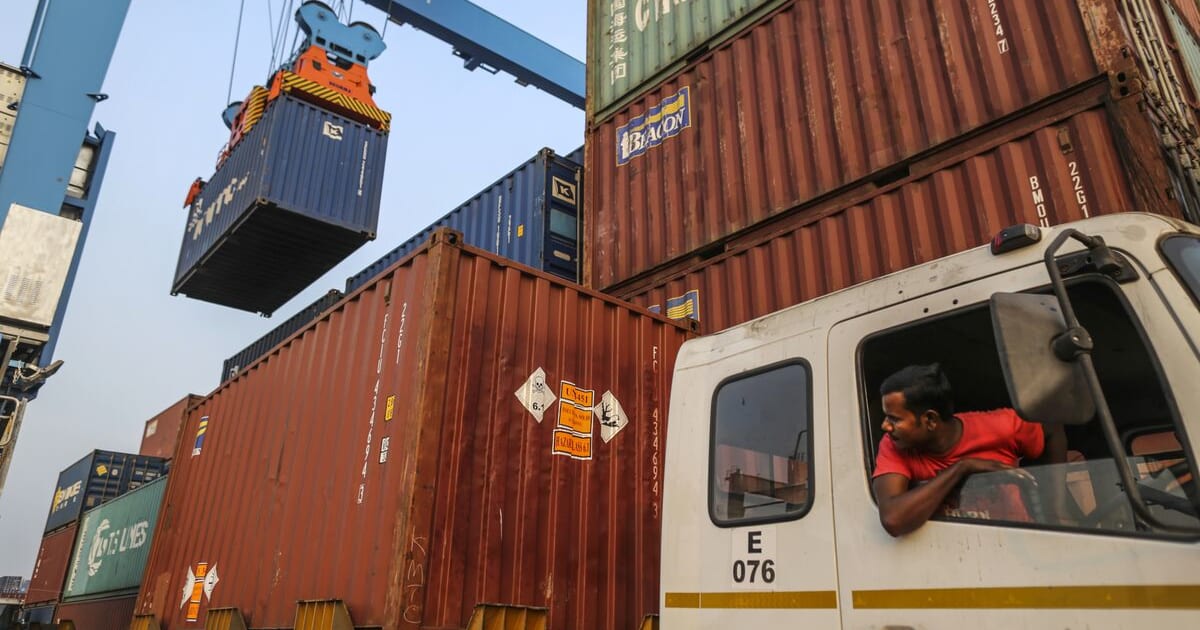
The Indian government’s bold move to scrap capital gains tax on FII-held government securities marks a pivot toward global bond index inclusion. We analyze how this liquidity injection will redefine banking sector valuations and influence NSE market volatility over the next 24 months.
The Great Pivot: Why India is Opening its Debt Markets
In a watershed moment for the Indian financial system, the Ministry of Finance has executed a strategic policy reversal: the total elimination of capital gains tax for Foreign Institutional Investors (FIIs) investing in government securities. This is not merely a fiscal adjustment; it is a fundamental reconfiguration of India’s integration into global capital markets.
For years, India’s bond market has been viewed as a high-yield, high-friction asset class. By removing the tax hurdle, New Delhi is signaling a transition from equity-dominated foreign flows to a more stable, bond-centric regime. This move is timed perfectly with India’s inclusion in major emerging market bond indices, a catalyst expected to trigger multi-billion dollar passive inflows throughout the fiscal year.
How will the removal of bond taxes affect the Indian banking sector?
The banking sector serves as the primary transmission mechanism for this policy. As foreign capital flows into sovereign debt, the resultant yield compression lowers the cost of government borrowing. This creates a favorable environment for banks, which carry significant portfolios of Government Securities (G-Secs) on their balance sheets.
When yields fall, the 'mark-to-market' (MTM) gains on these portfolios swell, directly boosting the 'Other Income' line item for major lenders. Historically, when yields on the 10-year G-Sec dropped by 50 basis points during the 2022 rally, major private sector banks saw a 3-5% expansion in their treasury income, providing a critical cushion against potential NIM (Net Interest Margin) compression.
The Strategic Shift: From Equity Dependency to Debt Stability
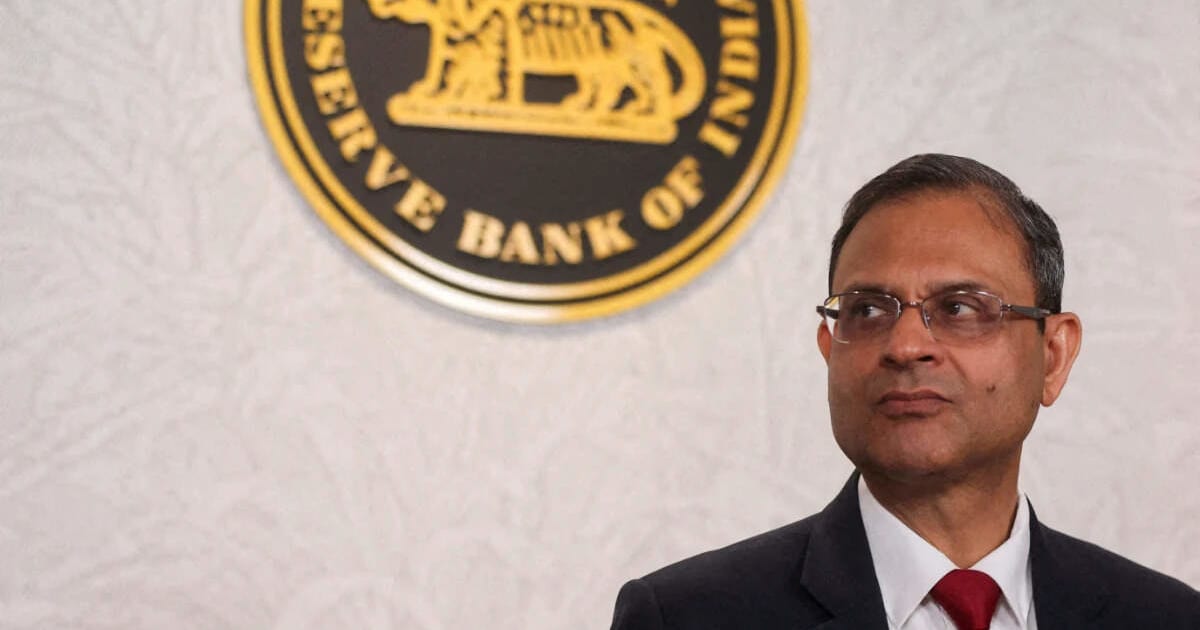
Historically, India has been overly reliant on volatile FII equity flows, which often exit at the first sign of global risk-off sentiment. By incentivizing long-term debt investment, the Reserve Bank of India (RBI) is attempting to minimize 'sudden stop' risks. This creates a more stable Rupee, reducing imported inflation and allowing the RBI more flexibility in its interest rate trajectory.
Stock-by-Stock Analysis: Winners and Watchlists
- HDFC Bank (HDFCBANK): As the largest private lender, HDFC Bank holds an massive portfolio of high-quality sovereign debt. With a market cap exceeding ₹12 trillion, even a minor yield-induced appreciation in their bond book significantly impacts their bottom line. We anticipate a re-rating if the debt-inflow cycle sustains.
- State Bank of India (SBIN): The public sector giant is the biggest holder of government bonds in the country. A drop in yields will lead to significant MTM gains, bolstering their already strong capital adequacy ratios.
- ICICI Bank (ICICIBANK): Known for its superior asset-liability management, ICICI stands to benefit from the reduced funding costs that a stable, bond-heavy environment provides.
- Axis Bank (AXISBANK): With a high sensitivity to treasury performance, Axis Bank is a tactical play for investors seeking to capture the immediate volatility of bond price appreciation.
Expert Perspective: The Bull vs. Bear Case
The Bull Case: Proponents argue that this policy aligns India with global standards, making Indian debt 'AAA' equivalent in terms of accessibility. This will force a structural decline in the cost of capital, acting as a tailwind for corporate CAPEX and banking profitability.
The Bear Case: Skeptics point to the 'hot money' risk. If the US Federal Reserve maintains 'higher for longer' rates, the interest rate differential may not be enough to keep FIIs in Indian bonds. A rapid exodus could lead to a liquidity crunch, forcing the RBI to intervene, which would be inflationary.
Actionable Investor Playbook
Investors should adopt a 'barbell' strategy. Allocate 60% of your banking exposure to 'core' lenders like HDFC Bank and ICICI Bank, which benefit from long-term treasury gains. Use the remaining 40% to monitor NBFCs that rely on wholesale funding, as they will see their borrowing costs drop as the bond market deepens.
Time Horizon: This is a 12-36 month play. Do not look for immediate quarterly spikes; look for the gradual expansion of NIMs and the reduction in treasury volatility over the next four fiscal quarters.
Risk Matrix
| Risk Factor | Probability | Impact |
|---|---|---|
| US Fed Aggressive Rate Hikes | Medium | High |
| Rupee Depreciation | Medium | High |
| Domestic Equity Liquidity Drain | Low | Moderate |
What to Watch Next
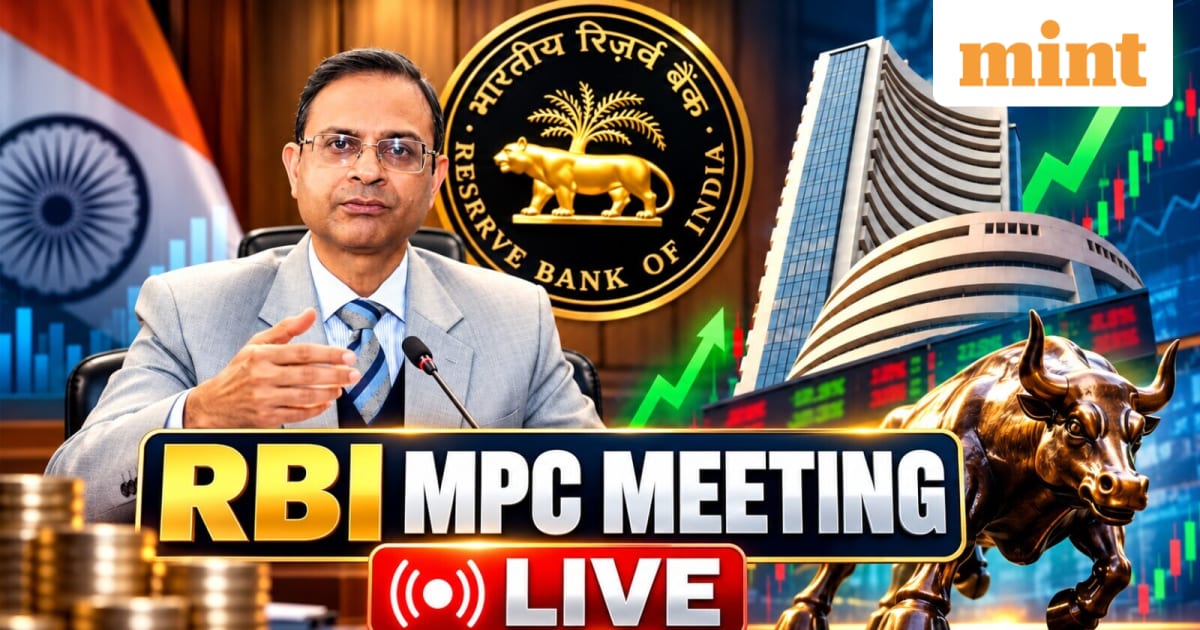
Keep a close eye on the RBI’s Monetary Policy Committee (MPC) minutes for mentions of 'bond market depth.' Additionally, monitor the J.P. Morgan GBI-EM index inclusion data; the specific dates of passive fund rebalancing will be the primary catalyst for the next leg of institutional buying in the Indian banking space.
See HDFC Bank's AI Score
Our algorithmic screener scores HDFC Bank on fundamentals, momentum, and risk — free to try, no card needed.
Try the AI Screener →Have questions about this story?
Ask Welth, our finance-focused AI research assistant, for a deeper breakdown — free trial included.
Chat with Welth AI →Disclaimer: This content is generated by WelthWest Research Desk based on publicly available reports and is for informational purposes only. It does not constitute financial advice, investment recommendations, or an offer to buy or sell securities. Always consult a qualified financial advisor before making investment decisions.