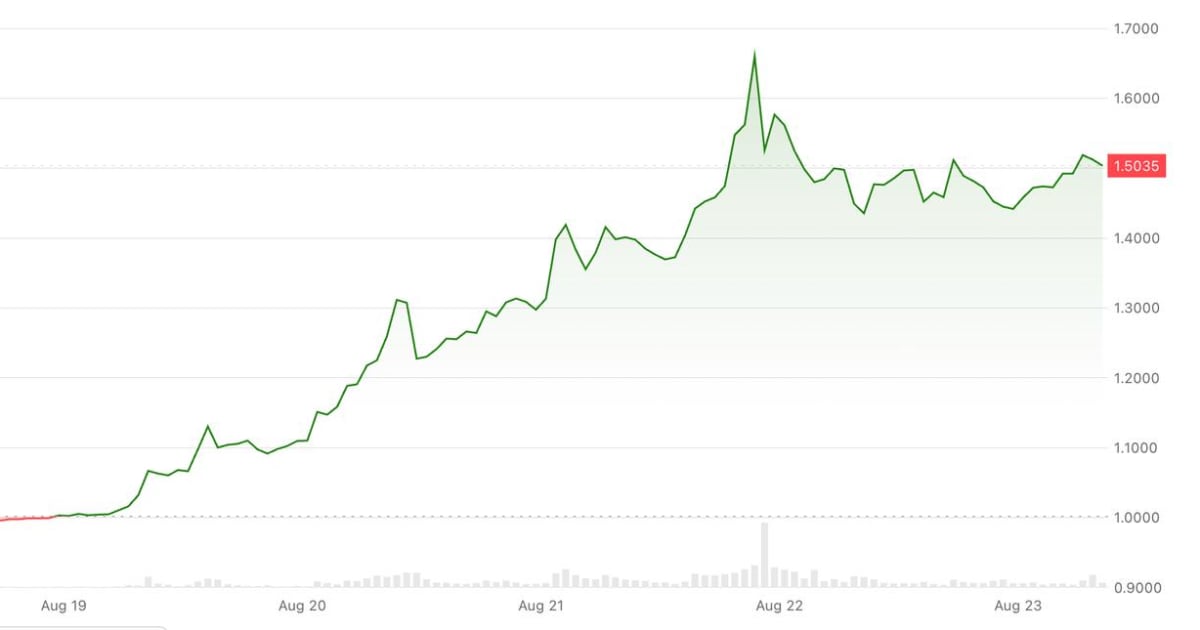
Key Takeaway
India's unprecedented move to permit duty-free raw sugar imports is a strategic pivot to tame food inflation. This policy aims to flood the market, potentially reshaping domestic sugar prices and creating significant headwinds for local producers while offering relief to refiners and consumers.
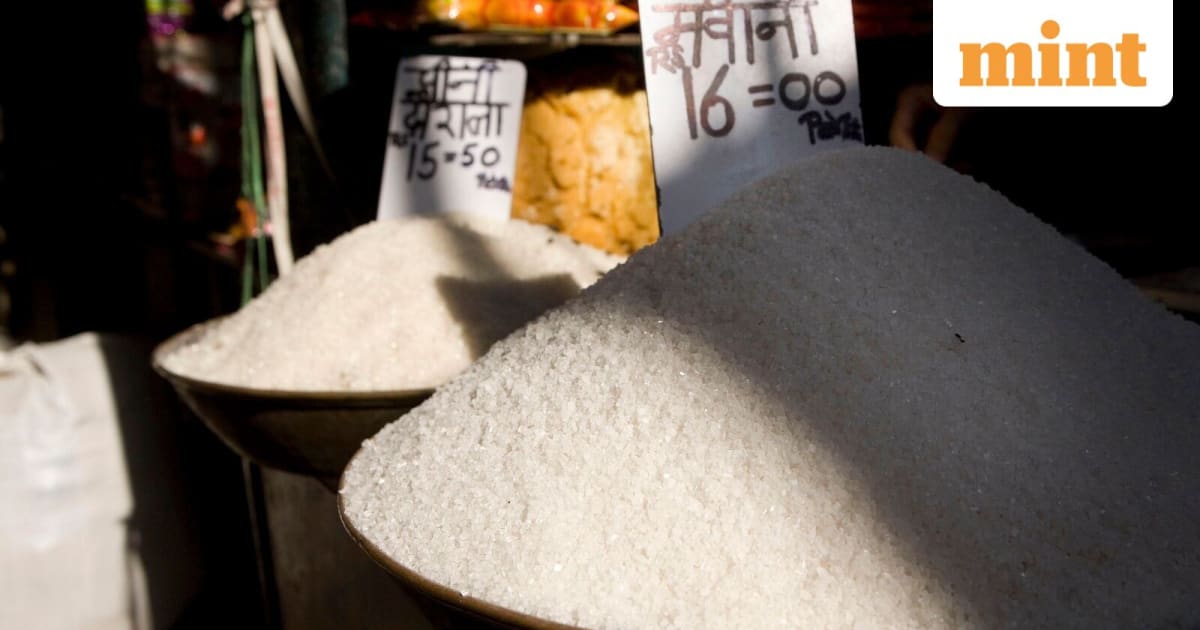
As domestic sugar prices skyrocket, India has unleashed a surprise policy: duty-free raw sugar imports. This aggressive measure seeks to curb inflation and stabilize the FMCG sector. This in-depth analysis dissects the market implications, identifies key stock winners and losers, and provides a strategic outlook for investors navigating this volatile commodity shift.
India Unleashes Duty-Free Sugar Imports: A Strategic Gambit Against Inflation
In a decisive move to combat escalating domestic sugar prices and rein in food inflation, the Indian government has authorized the duty-free import of raw sugar. This policy shift, a departure from traditional protectionist stances, underscores the urgency with which New Delhi is addressing price volatility that directly impacts household budgets and macroeconomic stability. The Reserve Bank of India (RBI) has consistently flagged food inflation as a primary concern, and this measure is a direct attempt to alleviate that pressure, potentially influencing future monetary policy decisions.
Why This Policy Shift Matters Now
The timing of this announcement is critical, coinciding with the pre-festive season demand surge and a period where food prices typically experience upward pressure. India, the world's second-largest sugar producer, has been grappling with a domestic supply crunch exacerbated by adverse weather conditions affecting sugarcane yields. This situation has driven wholesale and retail sugar prices to multi-year highs, contributing significantly to the Consumer Price Index (CPI). By opening the gates for duty-free imports, the government aims to inject much-needed supply into the market, thereby acting as a powerful disinflationary tool. This proactive approach signals a commitment to managing commodity price shocks, which can have a ripple effect on consumer sentiment and overall economic growth.
Deep Market Impact Analysis: Navigating the Sugar Commodity Landscape
The implications of this policy extend far beyond the sugar bowl, reverberating through the broader Fast-Moving Consumer Goods (FMCG) sector and the Indian equity markets. The primary objective is to stabilize the retail price of sugar, a staple commodity, thereby easing the burden on consumers and providing a buffer against broader inflationary pressures. Historically, periods of high food inflation have been a significant drag on consumer spending and have prompted hawkish stances from the RBI. The introduction of duty-free imports is designed to counteract this trend.
Economically, this policy aims to achieve a delicate balance. On one hand, it seeks to provide relief to consumers by making sugar more affordable. On the other hand, it presents a significant challenge to domestic sugar producers who have benefited from elevated prices. The influx of cheaper imported sugar is expected to create a competitive environment, forcing domestic players to either absorb some of the price differential or risk losing market share. This could lead to a compression of profit margins for companies heavily reliant on domestic sugar sales.
The impact on the FMCG sector, which includes numerous food processing companies that use sugar as a key ingredient, is expected to be largely positive. Lower raw material costs for sugar could translate into improved margins for biscuit manufacturers, confectionery producers, beverage companies, and other food product businesses. This could, in turn, lead to more stable pricing for a range of consumer goods, further supporting the government's inflation control agenda. The broader market sentiment, which has been sensitive to inflation data, may see a subtle improvement if this measure proves effective in moderating food price increases.
How Will Duty-Free Sugar Imports Affect Indian Sugar Stocks?
The Indian stock market, particularly the sugar sector, is poised for significant recalibration following this policy announcement. The immediate impact is likely to be a divergence in performance between sugar refiners and domestic sugar producers. Refiners, who import raw sugar and process it for domestic consumption, stand to benefit substantially from the removal of import duties. They will see their input costs decrease, leading to potentially higher processing margins and increased competitiveness. Companies with established import infrastructure and strong relationships with international suppliers are best positioned to capitalize on this opportunity.
Conversely, domestic sugar producers, whose revenues are primarily derived from the sale of domestically grown and processed sugar, will face increased competition. The price arbitrage created by duty-free imports could depress domestic sugar prices, eroding the profitability of these companies. Their ability to pass on higher costs associated with sugarcane procurement and production to consumers will be significantly curtailed. This scenario could lead to a period of margin pressure and a potential re-evaluation of valuations for these companies by the market.
Historically, similar policy interventions, though perhaps less drastic, have demonstrated the market's sensitivity to commodity price fluctuations and government policy. For instance, during periods of high global sugar prices, India has often resorted to import duties or export restrictions to manage domestic supply and demand. The current move, however, represents a more aggressive stance, signaling a greater emphasis on price stability over protection for domestic producers. The Nifty FMCG index, a barometer for the consumer goods sector, could see a gradual uplift if input cost pressures ease for its constituents. Conversely, the S&P BSE SENSEX and NIFTY 50 could see a marginal positive bias if inflation concerns are assuaged.
Stock-by-Stock Breakdown: Winners and Losers in the Indian Sugar Arena
The impact of India's duty-free sugar import policy will not be uniform across the sector. Investors need to differentiate between companies that are poised to thrive and those facing headwinds.
- Balrampur Chini Mills Ltd. (NSE: BALRAMCHIN): As one of India's largest integrated sugar producers, Balrampur Chini Mills derives a significant portion of its revenue from domestic sugar sales. The company's primary challenge will be the potential decline in domestic sugar prices, which could compress its profit margins. While the company has diversified into ethanol production, which offers a more stable revenue stream, the core sugar business will be under pressure. Its large operational scale and established presence mean it will be a key player in navigating this competitive landscape, but its stock may face downward pressure in the short to medium term.
- Dhampur Sugar Mills Ltd. (NSE: DHAMPURSUG): Similar to Balrampur Chini, Dhampur Sugar Mills is a prominent domestic producer. The company's profitability is closely linked to the prevailing domestic sugar prices. The influx of cheaper imported sugar will directly impact its pricing power and ability to maintain current profit margins. Investors will be watching its inventory levels and its strategy for managing sales amidst increased competition. Its stock is likely to be sensitive to any further softening of domestic sugar prices.
- Dalmia Bharat Sugar and Industries Ltd. (NSE: DALMIASUG): Dalmia Bharat Sugar also operates primarily within the domestic sugar market. The company's performance will be directly correlated with the pricing dynamics of Indian sugar. While the company has also been exploring diversification into allied businesses, its core sugar segment will bear the brunt of the competitive pressure. The stock's trajectory will be closely tied to the magnitude of price decline in the domestic market and its ability to manage production costs effectively.
- EID Parry (India) Ltd. (NSE: EIDPARRY): EID Parry presents a more diversified picture. While it is a significant sugar producer, the company also has substantial interests in bio-pesticides and nutraceuticals. This diversification offers a degree of insulation from the direct impact of sugar price volatility. However, its sugar division will still face the competitive headwinds. The overall impact on EID Parry's stock will depend on the relative contribution of its sugar business to its overall profitability and the performance of its other segments.
- Shree Renuka Sugars Ltd. (NSE: RENUKA): Shree Renuka Sugars is a unique case as it is one of the few Indian sugar companies with a significant international presence, including sugar refining operations in Brazil. This global footprint, combined with its domestic operations, could provide a more balanced exposure. The company might be able to leverage its refining capabilities and import channels more effectively. However, the direct impact on its domestic sales and pricing will still be a crucial factor.
- Triveni Engineering & Industries Ltd. (NSE: TRIVENIENG): While primarily known for its engineering business (sugar machinery, ethanol plants), Triveni also has significant sugar manufacturing operations. Its stock performance will likely reflect a blend of its engineering segment's robustness and the challenges faced by its sugar division. The company's expertise in ethanol production could offer some resilience, but the core sugar business will be directly impacted by the import policy.
Sector peers such as Dwarikesh Sugar Industries Ltd. (NSE: DWARKESH) and Uttam Sugar Mills Ltd. (NSE: UTTAMSUGAR) will experience similar pressures as their business models are predominantly focused on domestic sugar production and sales.
Expert Perspective: Bulls vs. Bears on the Duty-Free Sugar Import Policy
“This is a necessary, albeit painful, intervention to control food inflation. The government is prioritizing macroeconomic stability over short-term protection for sugar producers. Expect margin compression for domestic players, but significant relief for consumers and FMCG companies.”
Bullish Arguments: Bulls would argue that the policy's success in taming inflation will lead to a more stable macroeconomic environment, which is ultimately beneficial for the entire stock market. They might point to the positive impact on the FMCG sector, where lower input costs can boost margins and potentially lead to more competitive pricing for consumers. Furthermore, they might highlight that companies with strong ethanol businesses, like Balrampur Chini and Triveni Engineering, are well-positioned to weather the storm in the sugar segment due to their diversified revenue streams. The long-term outlook for Indian agriculture and food processing, supported by stable commodity prices, remains robust.
Bearish Arguments: Bears, on the other hand, will focus on the immediate downside for domestic sugar producers. They will emphasize the significant reduction in profit margins, potential inventory build-up, and the increased competition from imports. They might argue that the government's intervention could distort market dynamics, leading to an over-reliance on imports and creating future supply chain vulnerabilities. The impact on rural incomes, if sugarcane prices are forced down, could also be a point of concern. Bears might advocate for a short-term underweight stance on pure-play sugar producer stocks.
Actionable Investor Playbook: Navigating the Sugar Commodity Volatility
For investors, this policy shift necessitates a strategic re-evaluation of their portfolios, particularly within the FMCG and agro-processing sectors.
- For Refiners and Diversified Players: Companies like Shree Renuka Sugars, with its international refining capacity, or EID Parry, with its diversified portfolio, might present opportunities. Investors could consider accumulating positions on any temporary dips, anticipating improved margins for their refining and non-sugar businesses, respectively.
- For Domestic Sugar Producers: A cautious approach is advised. Investors holding positions in companies like Balrampur Chini Mills, Dhampur Sugar Mills, and Dalmia Bharat Sugar should monitor their quarterly results closely for signs of margin erosion. Short-term traders might look for opportunities to short these stocks on rallies. Long-term investors might consider a phased entry only if valuations become exceptionally attractive, reflecting the full impact of the import policy.
- FMCG Sector Focus: Companies that are significant consumers of sugar, such as biscuit manufacturers (e.g., Britannia Industries Ltd. - NSE: BRITANNIA) and beverage companies (e.g., Hindustan Unilever Ltd. - NSE: HUL), could see a positive impact due to lower input costs. These stocks might offer a more stable avenue for exposure to the broader consumer market.
- Ethanol Play: Companies with a strong focus on ethanol production, which benefits from government policy and is less directly affected by raw sugar import duties, could be attractive. Balrampur Chini and Triveni Engineering are examples where the ethanol segment's performance could offset sugar segment weakness.
- Entry Points & Time Horizons: For companies expected to benefit (refiners, diversified players), consider entry points on any market-wide corrections or sector-specific dips, with a medium-term horizon (6-12 months). For domestic producers, a bearish stance is warranted in the short to medium term (3-6 months), with potential re-evaluation for long-term plays if significant price corrections occur and their diversification strategies prove effective.
Risk Matrix: Potential Pitfalls of Duty-Free Sugar Imports
While the policy aims to achieve price stability, several risks could undermine its effectiveness or create new challenges.
- Probability: Medium | Risk: Inadequate Import Volume: The success of the policy hinges on attracting sufficient import volumes to significantly impact domestic prices. If international sugar prices remain prohibitively high, or if logistical challenges impede imports, the intended price moderation may not materialize, leaving domestic producers unaffected and consumers still facing elevated prices.
- Probability: Low to Medium | Risk: Supply Chain Vulnerability: An over-reliance on imports could make India's sugar supply chain more susceptible to global price shocks, geopolitical disruptions, or trade policy changes in exporting countries. This could lead to renewed price volatility in the future.
- Probability: Medium | Risk: Impact on Sugarcane Farmers: A sustained decline in domestic sugar prices could put downward pressure on sugarcane prices, negatively impacting the livelihoods of millions of farmers. This could lead to social unrest and political pressure on the government to reintroduce protectionist measures, creating policy uncertainty.
- Probability: Low | Risk: Unforeseen Global Market Shifts: Significant changes in global sugar production or demand, driven by weather events or policy shifts in other major producing nations, could alter the economics of importing sugar into India, potentially negating the intended benefits of the duty-free policy.
What to Watch Next: Upcoming Catalysts in the Sugar Market
Investors should closely monitor several key developments that will shape the future of India's sugar market and its impact on the stock prices of affected companies.
- Import Data Releases: Weekly and monthly reports on raw sugar imports will be crucial indicators of the policy's traction and the volume of supply entering the market.
- Domestic Sugar Price Trends: Continuous tracking of wholesale and retail sugar prices across major Indian markets will reveal the effectiveness of imports in moderating domestic price increases.
- Quarterly Earnings Reports: The upcoming earnings season for sugar companies will provide the first concrete data on how profit margins and revenues are being affected by the new import regime. Pay close attention to management commentary on the outlook.
- Government Policy Announcements: Any further adjustments or clarifications from the government regarding import quotas, duration of the duty-free period, or potential support for domestic farmers will be critical.
- Monsoon Forecasts and Crop Reports: Future sugarcane production forecasts will influence long-term supply expectations and the necessity of import interventions in the coming seasons.
By diligently tracking these indicators, investors can better position themselves to navigate the evolving landscape of the Indian sugar market and capitalize on the opportunities and mitigate the risks presented by this significant policy intervention.
See Balrampur Chini Mills's AI Score
Our algorithmic screener scores Balrampur Chini Mills on fundamentals, momentum, and risk — free to try, no card needed.
Try the AI Screener →Have questions about this story?
Ask Welth, our finance-focused AI research assistant, for a deeper breakdown — free trial included.
Chat with Welth AI →Disclaimer: This content is generated by WelthWest Research Desk based on publicly available reports and is for informational purposes only. It does not constitute financial advice, investment recommendations, or an offer to buy or sell securities. Always consult a qualified financial advisor before making investment decisions.