Key Takeaway
Upcoming discussions between Indian exporters and Commerce Minister Piyush Goyal, followed by his US visit, could unlock significant bilateral trade expansion. Investors should monitor potential tariff reductions and market access gains for key sectors like textiles, pharma, and gems, which may translate into substantial stock price appreciation.
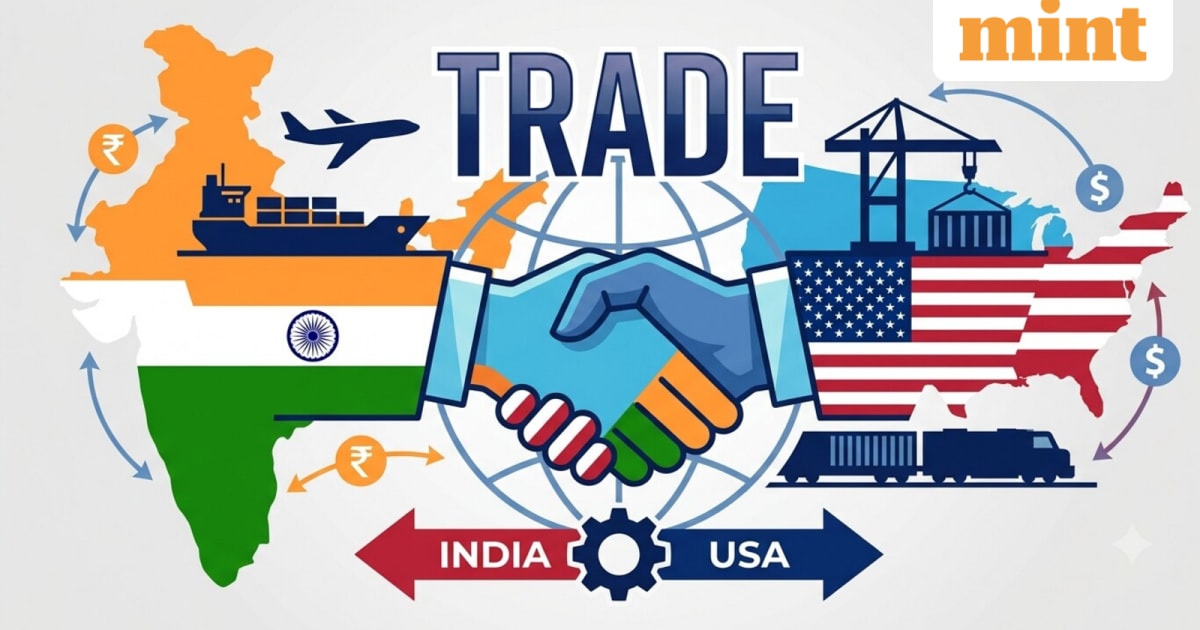
India's Commerce Ministry is proactively engaging with key export sectors ahead of Minister Goyal's crucial US visit. This strategic move signals a strong push for a bilateral trade agreement, potentially reshaping India's export landscape. This analysis delves into the specific sectors poised for growth, the stocks to watch, and the broader market implications for Indian equities.
India-US Trade Talks Intensify: What Investors Need to Know Before Minister Goyal's US Visit
India's Commerce Ministry has convened a critical meeting with leading exporters, setting the stage for Minister Piyush Goyal's impending visit to the United States. This high-stakes engagement is designed to consolidate India's negotiating position and explore avenues for a comprehensive bilateral trade agreement. The implications for India's export-oriented industries, and by extension, the Indian stock market, are profound, potentially ushering in a new era of enhanced market access and reduced trade friction.
Why This India-US Trade Dialogue Matters Now
The timing of these discussions is particularly significant, occurring against a backdrop of evolving global trade dynamics and a sustained effort by both nations to deepen economic ties. For years, India has sought to increase its export footprint in the US, its largest trading partner. However, persistent tariff barriers and regulatory hurdles have limited the full potential of this relationship. The proactive engagement with exporters indicates a concerted push by the Indian government to identify key areas for negotiation, focusing on sectors where India holds a competitive advantage and where US market access can yield substantial economic benefits. A successful bilateral trade agreement could translate into lower import duties for Indian goods entering the US, thereby boosting competitiveness and driving export volumes. This, in turn, is expected to fuel revenue growth for Indian companies, enhance profit margins, and potentially attract greater Foreign Institutional Investor (FII) flows into the Indian equity market, a sentiment often tied to positive trade developments.
Deep Market Impact Analysis: Sectoral Shifts and Stock Market Resonance
The potential for a more favorable trade environment between India and the US carries significant weight for various sectors within the Indian stock market. Historically, periods of improved bilateral trade relations have often coincided with positive market sentiment and sector-specific rallies. For instance, following the conclusion of the US-China trade war in late 2022, several emerging markets, including India, saw a resurgence in export-driven growth, with the Nifty 50 index experiencing a notable uptick as investors anticipated improved global demand. This current dialogue could similarly ignite interest in export-centric industries.
Textiles & Apparel: This sector, a traditional strength for India, stands to be a major beneficiary. With the US being a significant importer of textiles, a reduction in tariffs could dramatically enhance the competitiveness of Indian manufacturers against rivals from other Asian nations. Indian textile exports to the US have been substantial, and any easing of duties could lead to a significant volume increase.
Pharmaceuticals: The Indian pharmaceutical industry, renowned for its generics and active pharmaceutical ingredients (APIs), could see enhanced market access. While the US FDA regulations are stringent, a trade agreement might streamline certain processes or provide clearer pathways for Indian drug manufacturers, boosting their revenue streams. The US is a critical market for Indian pharma companies, accounting for a significant portion of their global sales.
Gems & Jewellery: India is a global hub for diamond processing and jewellery manufacturing. Lowering tariffs on these finished goods entering the US could lead to increased consumer demand and higher sales for Indian exporters. The sector's reliance on imports of rough stones also means that reciprocal trade benefits could be explored.
IT Services (Indirect Impact): While not a direct beneficiary of tariff reductions, the IT sector often thrives in an environment of strong bilateral economic ties. Improved overall trade relations can lead to greater business confidence, potentially translating into increased outsourcing contracts and digital transformation projects for Indian IT giants from US-based corporations.
Agriculture & Allied Products: With India's diverse agricultural output, a trade agreement could open new avenues for products like rice, spices, and processed foods. However, this sector also faces potential challenges from US agricultural imports if tariff reductions are not balanced.
Conversely, sectors that are heavily reliant on imports from the US or face strong US competition in domestic markets could experience pressure if trade liberalization is uneven. For instance, if certain US agricultural subsidies are maintained while Indian agricultural tariffs are lowered, it could create an unfair playing field for Indian farmers.
Stock-by-Stock Breakdown: Identifying Key Beneficiaries and Potential Pressures
The potential outcomes of the India-US trade talks necessitate a granular look at specific companies listed on the National Stock Exchange (NSE) and Bombay Stock Exchange (BSE) that are likely to be impacted.
- Reliance Industries Ltd (NSE: RELIANCE): While a diversified conglomerate, Reliance's significant presence in the textiles (through its retail and manufacturing arms) and petrochemicals sectors makes it a potential beneficiary. Increased export competitiveness in textiles could boost revenue, and improved trade relations might indirectly benefit its retail segment through enhanced product availability and potentially lower input costs for certain imported goods. The company's market capitalization of over ₹16 lakh crore underscores its systemic importance.
- Lupin Ltd (NSE: LUPIN) & Sun Pharmaceutical Industries Ltd (NSE: SUNPHARMA): These pharmaceutical giants are prime candidates to benefit from increased market access in the US. With substantial US revenues, even marginal tariff reductions or eased regulatory pathways could lead to higher sales volumes and improved profit margins. Lupin, with a market cap of over ₹70,000 crore, and Sun Pharma, exceeding ₹2.5 lakh crore, are key players in this space. Their P/E ratios, indicative of market expectations, will be closely watched.
- Rajesh Exports Ltd (NSE: RAJESHEXPO): This company, a leading manufacturer of gold jewellery and a significant exporter, could see a direct boost from any reduction in import duties on jewellery in the US. Its substantial export revenue share makes it highly sensitive to trade policy shifts. With a market cap of around ₹14,000 crore, it represents a direct play on the gems and jewellery export narrative.
- Titan Company Ltd (NSE: TITAN): While also a dominant player in jewellery, Titan's diversified portfolio includes watches and eyewear. Improvements in trade relations could indirectly benefit its premium product segments by fostering a generally positive economic environment and potentially easing the import of components. Its market cap of over ₹3.5 lakh crore reflects its strong domestic and growing international presence.
- Tata Consultancy Services (TCS) (NSE: TCS) & Infosys Ltd (NSE: INFY): As leaders in the IT services sector, their gains are more indirect but significant. A robust India-US trade relationship fosters greater economic interdependence and business confidence, often leading US corporations to increase their spending on IT outsourcing and digital transformation initiatives. TCS, with a market cap exceeding ₹14 lakh crore, and Infosys, at over ₹6 lakh crore, are bellwethers for this sector.
Expert Perspective: Bulls vs. Bears on the India-US Trade Front
The optimistic outlook on a potential India-US trade deal is met with cautious skepticism by some market observers. Bulls argue that the current government's proactive approach signals a genuine commitment to unlocking export potential, which could lead to sustained revenue growth for key sectors and attract significant foreign investment. They point to the untapped market in the US and India's competitive manufacturing capabilities as strong foundations for a mutually beneficial agreement. The potential for tariff reductions could unlock billions in export revenue, directly impacting the bottom lines of listed companies and consequently their stock valuations.
Conversely, bears highlight the historical complexities and protracted nature of trade negotiations. They caution that achieving a comprehensive agreement with substantial tariff reductions might be challenging due to differing economic interests and domestic political considerations in both countries. Furthermore, they emphasize the risk of US trade policies shifting unpredictably, especially in response to global economic headwinds or domestic pressures. Bears also point out that any concessions made by India in areas like agriculture or services could create significant challenges for domestic industries and consumers, potentially offsetting the gains from increased exports.
Actionable Investor Playbook: Navigating the Trade Winds
For investors looking to capitalize on the evolving India-US trade narrative, a strategic approach is paramount. The immediate focus should be on identifying companies with a significant export orientation towards the US market, particularly within the identified beneficiary sectors.
- Buy/Accumulate: Companies in the textiles, pharmaceuticals, and gems & jewellery sectors with a proven track record of US sales and a strong competitive advantage. Look for mid-cap to large-cap companies that can absorb increased production demands and have robust supply chains. Consider entry points during any temporary market dips or sector-specific consolidations, rather than chasing steep rallies.
- Watchlist: IT services companies, as their performance will be a secondary indicator of overall economic health and cross-border business confidence. Also, keep an eye on companies in the agriculture sector that might face increased competition but could also benefit from specific export opportunities.
- Potential Sell/Reduce Exposure: Companies heavily reliant on imports from the US that might face increased costs if reciprocal tariff reductions are not achieved, or those with a weak competitive standing against potential US imports.
- Time Horizon: Given the typical pace of trade negotiations, investors should adopt a medium-to-long-term perspective (6-18 months) to fully realize the benefits of any trade agreement. Short-term price movements may be volatile, driven by news flow and speculation.
Risk Matrix: Assessing Potential Roadblocks
While the prospect of an India-US trade agreement is encouraging, several risks could derail progress or diminish its impact.
- Low Probability/High Impact: Geopolitical Shifts: Unforeseen international events or a significant deterioration in global economic stability could derail trade talks and shift national priorities away from bilateral economic agreements.
- Medium Probability/Medium Impact: Protracted Negotiations & Limited Concessions: The trade talks could extend beyond expectations, with both sides unwilling to make significant concessions, leading to a 'deal' that offers only marginal benefits. This would likely lead to disappointment in the market.
- Medium Probability/Medium Impact: Unfavorable US Trade Policies: Future US administrations or policy shifts could introduce new protectionist measures or trade barriers that negate any progress made, impacting specific Indian export sectors negatively.
- High Probability/Low Impact: Sector-Specific Disagreements: Disagreements over specific product categories, agricultural subsidies, or intellectual property rights could lead to partial agreements rather than a comprehensive deal, limiting the overall upside.
What to Watch Next: Catalysts and Data Points
The coming weeks and months will be critical in determining the trajectory of India-US trade relations and their market impact. Investors should closely monitor the following:
- Minister Goyal's US Visit Itinerary: Specific meetings scheduled with US trade representatives and industry leaders will provide insights into the agenda and potential breakthroughs.
- Joint Statements and Outcome Documents: Any official statements following Minister Goyal's visit will be crucial for assessing the level of progress made and the specific areas of potential agreement.
- Quarterly Earnings Reports: Companies in the export-oriented sectors will report earnings in the coming quarters. Analysts will be scrutinizing revenue growth from the US market and management commentary on trade prospects.
- US Economic Data Releases: Key US economic indicators, such as inflation rates, consumer spending, and manufacturing indices, will influence the US government's approach to trade negotiations and its overall demand for imports.
- Scheduled Bilateral Meetings: Keep an eye on the calendar for any formally announced dates for further rounds of trade negotiations between the two countries.
The narrative surrounding India-US trade is evolving, and proactive engagement with exporters by the Commerce Ministry signals a determined effort to foster growth. While challenges remain, the potential upside for Indian export-driven sectors is substantial, making this a key story to follow for astute investors.
See Reliance Industries (Textiles, Retail)'s AI Score
Our algorithmic screener scores Reliance Industries (Textiles, Retail) on fundamentals, momentum, and risk — free to try, no card needed.
Try the AI Screener →Have questions about this story?
Ask Welth, our finance-focused AI research assistant, for a deeper breakdown — free trial included.
Chat with Welth AI →Disclaimer: This content is generated by WelthWest Research Desk based on publicly available reports and is for informational purposes only. It does not constitute financial advice, investment recommendations, or an offer to buy or sell securities. Always consult a qualified financial advisor before making investment decisions.