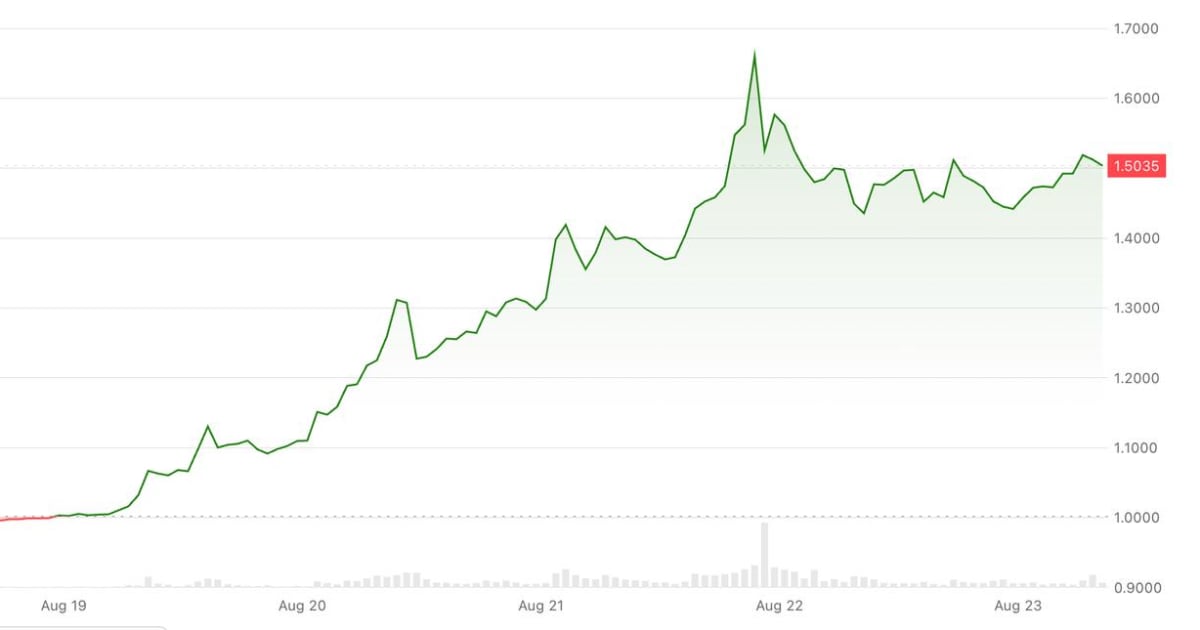
Key Takeaway
Invesco’s pivot to tokenized reserves marks the transition of Real World Assets (RWA) from niche crypto-experiment to institutional mandate. For Indian investors, this signals an inevitable race toward digital asset infrastructure, threatening legacy clearing houses while rewarding agile fintech incumbents.
The institutionalization of tokenized stablecoin reserves by global giants like Invesco is forcing a reckoning for traditional financial infrastructure. This article analyzes the ripple effects on the Indian equity market, assessing how domestic players must adapt to a blockchain-native liquidity landscape or risk obsolescence.
The Institutionalization of RWA: Why Invesco’s Move Matters
The financial world is witnessing a structural migration. When a titan like Invesco moves to tokenize stablecoin reserve funds, it is not merely a product launch; it is an admission that the future of global liquidity management lies on-chain. By bridging traditional financial (TradFi) assets with blockchain rails, Invesco is effectively lowering the barrier for institutional capital to enter the Real World Asset (RWA) ecosystem.
Why does this matter now? We are currently at an inflection point where the cost of cross-border settlement and the inefficiency of T+1 settlement cycles are becoming untenable for global fund managers. Tokenization offers near-instant finality and 24/7 liquidity, features that traditional clearing houses struggle to match without massive capital expenditure on legacy upgrades.
How will the rise of tokenized assets impact Indian financial infrastructure?
The Indian capital market, governed by the stringent oversight of SEBI and the RBI, is at a crossroads. As global capital flows shift toward tokenized instruments, Indian financial institutions face a 'digital sovereignty' dilemma. If domestic entities cannot provide tokenized custody or settlement services, global liquidity will simply bypass Indian markets, favoring jurisdictions with more progressive digital asset frameworks.
Historically, when financial systems transitioned from physical paper certificates to dematerialized holdings in the late 90s, the Indian market saw a multi-year bull run in firms that facilitated the transition. We are currently observing a similar technological leap. The integration of blockchain into the settlement layer will likely compress margins for traditional intermediaries while creating high-margin opportunities for firms that own the 'digital rails.'
Stock-by-Stock Breakdown: Who Wins and Who Loses?
- BSE Ltd (BSE): As the world’s fastest exchange, BSE is well-positioned to integrate blockchain-based settlement. With a P/E ratio hovering near 75x, the market is pricing in significant growth. If BSE successfully launches a tokenized asset exchange, it could defend its market share against decentralized global competitors.
- CDSL (Central Depository Services Ltd): CDSL is the primary beneficiary of increased trade volumes. However, if RWA tokenization moves custody to decentralized wallets, CDSL’s role as the central repository faces existential disruption. Investors should watch for their pivot toward 'digital asset vaulting' services.
- Angel One (ANGELONE): With a strong tech-first retail presence, Angel One is the most agile among brokers. They are best positioned to offer retail exposure to tokenized global assets, provided regulatory clarity improves.
- ICICI Securities (ISEC): As a bank-backed brokerage, ISEC faces the most stringent regulatory scrutiny. Their ability to integrate tokenized asset classes into their existing wealth management suite will be a key differentiator in the coming 24 months.
The Contrarian View: Bulls vs. Bears
The Bull Case: Proponents argue that tokenization is the ultimate unlock for capital efficiency. By reducing the 'friction tax'—the cost of clearing and settlement—tokenized funds could increase daily trading volumes by 30-40%, boosting the fee revenue for exchanges and depositories.
The Bear Case: Skeptics, particularly those within the regulatory establishment, warn of 'systemic contagion.' If a tokenized fund experiences a de-pegging event or a smart contract failure, the contagion could spill over into the broader equity market, given the interconnectedness of modern institutional portfolios. The risk of cyber-theft on blockchain rails remains an unquantified liability for traditional firms.
Actionable Investor Playbook
For investors looking to navigate this thematic shift, the strategy should be 'infrastructure-first.' Avoid the temptation to speculate on the underlying crypto assets themselves; instead, focus on the firms building the plumbing.
- Watchlist: BSE, CDSL, Angel One, and select fintech-heavy banking stocks.
- Time Horizon: 3-5 years. This is a structural change, not a quarterly earnings play.
- Entry Strategy: Accumulate on dips during periods of 'regulatory fear.' Whenever the RBI issues a cautionary note, the market often overreacts—this is usually the optimal time to build a position in firms with strong technological moats.
Risk Matrix
| Risk Factor | Probability | Impact |
|---|---|---|
| Regulatory Ban on Stablecoin Rails | Medium | High |
| Smart Contract Vulnerability | High | Medium |
| Interoperability Failure | Low | Medium |
What to watch next?
The next major catalyst will be the RBI’s upcoming 'Digital Asset Consultation Paper.' Any signal regarding the 'tokenization of securities' will serve as a green light for domestic firms to accelerate their R&D spending. Furthermore, keep an eye on the G20 working groups on crypto-asset regulation; global standards are being written in real-time, and India’s alignment with these standards will dictate the pace of local institutional adoption.
See BSE Ltd's AI Score
Our algorithmic screener scores BSE Ltd on fundamentals, momentum, and risk — free to try, no card needed.
Try the AI Screener →Have questions about this story?
Ask Welth, our finance-focused AI research assistant, for a deeper breakdown — free trial included.
Chat with Welth AI →Disclaimer: This content is generated by WelthWest Research Desk based on publicly available reports and is for informational purposes only. It does not constitute financial advice, investment recommendations, or an offer to buy or sell securities. Always consult a qualified financial advisor before making investment decisions.