Key Takeaway
The Hormuz blockade triggers a 'cost-push' inflationary shock, threatening India's fiscal deficit and RBI's rate-cut timeline. Investors must rotate out of oil-heavy consumption sectors into energy-resilient and defense-focused portfolios.
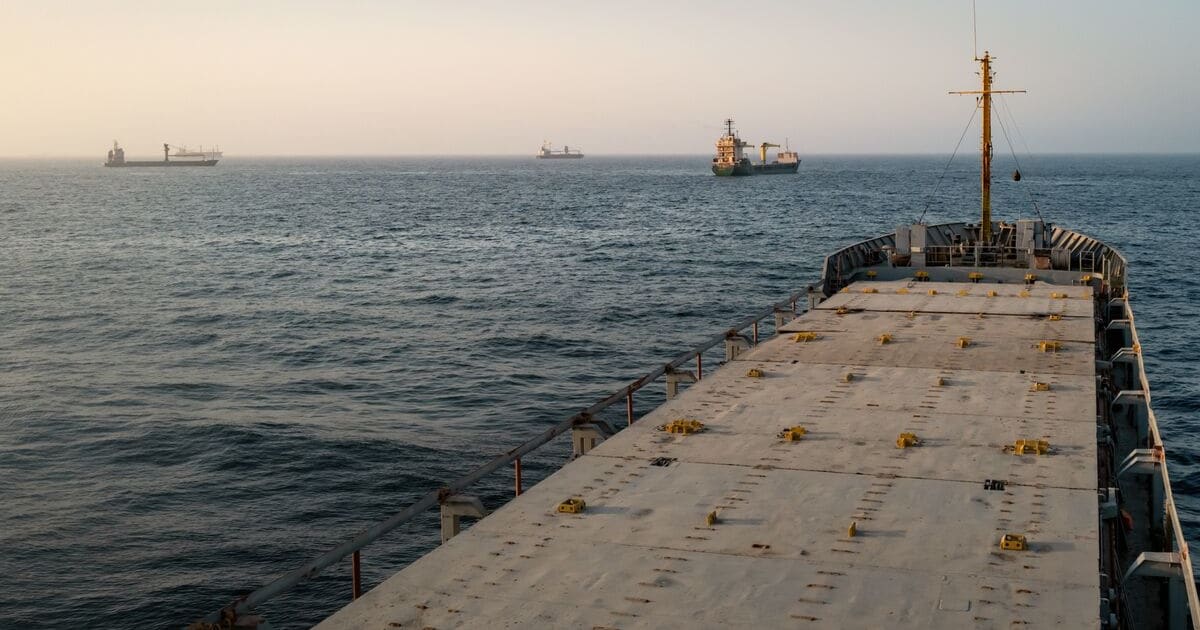
Escalating tensions in the Strait of Hormuz—the world's most critical energy chokepoint—are forcing a global repricing of crude oil. For India, a net energy importer, this creates a double-edged sword of inflationary pressure and margin compression. We analyze the specific winners and losers in the NSE/BSE landscape.
The Hormuz Bottleneck: A Systemic Risk to India’s Macro Narrative
The Strait of Hormuz is not merely a maritime corridor; it is the jugular vein of the global economy. With over 20 million barrels of oil passing through daily, any disruption here is not just a geopolitical headline—it is a direct tax on the Indian economy. As vessels turn back and insurance premiums for tankers skyrocket, the immediate consequence is a supply-side shock that complicates the Reserve Bank of India’s (RBI) inflation targeting mandate.
When oil prices climb, India’s Current Account Deficit (CAD) widens almost instantaneously. Historically, for every $10 increase in crude oil prices, India’s import bill swells by roughly $12-15 billion annually. This article dissects how this volatility cascades through the NSE and BSE, impacting everything from airline profitability to the valuation of upstream energy giants.
Why Is the Strait of Hormuz So Critical for Indian Markets?
The Strait represents the primary transit route for Middle Eastern crude. For an economy that imports over 85% of its oil requirements, this chokepoint is the ultimate determinant of the Rupee’s strength. A weakening Rupee, coupled with high global oil prices, creates a phenomenon known as 'imported inflation.' This leaves the RBI with little room to maneuver on interest rates, potentially delaying the anticipated pivot to a looser monetary policy.
How will the RBI interest rate decision impact market sentiment?
If the Hormuz crisis leads to a sustained price shock, the RBI will likely be forced to maintain a 'higher-for-longer' interest rate regime. This is inherently bearish for rate-sensitive sectors like banking and real estate. Unlike the 2022 energy crisis, where the Nifty corrected nearly 10% in the immediate aftermath of geopolitical shocks, the current market is already stretched on valuations, meaning the downside risk for mid-cap stocks is significantly higher.
Sector-Level Impact: Winners and Losers
The market reaction to an oil price shock is rarely uniform. We categorize the impact into three primary buckets:
- The Beneficiaries: Upstream producers and defense contractors. As oil prices rise, the realization for domestic producers increases. Defense stocks gain as geopolitical instability traditionally leads to an uptick in government procurement.
- The Margin-Compressed: Paint, tyre, and chemical manufacturers. These firms rely on crude oil derivatives as raw materials. When oil spikes, their input costs rise, and their pricing power is often insufficient to pass on the full burden to consumers.
- The Structural Losers: Aviation and OMCs. Airlines face immediate fuel-cost inflation, while Oil Marketing Companies (OMCs) suffer from a lag in retail price adjustments, leading to massive inventory losses.
Stock-by-Stock Breakdown: The NSE/BSE Playbook
ONGC (NSE: ONGC): As the primary upstream player, ONGC benefits from higher crude realizations. With a P/E ratio currently hovering around 6-7x, it remains an undervalued hedge against energy inflation. However, watch for government-imposed windfall taxes which could cap the upside.
Reliance Industries (NSE: RELIANCE): RIL offers a complex play. While its refining margins (GRMs) may benefit from inventory valuation gains, the retail and telecom segments are indifferent to oil prices. It remains a defensive heavyweight in a volatile market.
IOCL/BPCL (NSE: IOCL/BPCL): These OMCs are the frontline losers. When the government prevents them from passing costs to consumers, their EBITDA margins collapse. Expect significant volatility in these stocks as they become political tools for inflation control.
InterGlobe Aviation (NSE: INDIGO): Aviation Turbine Fuel (ATF) accounts for nearly 40% of an airline's operating costs. A sustained spike in oil will crush IndiGo’s operating margins, making it a high-beta 'sell' in this environment.
Asian Paints (NSE: ASIANPAINT): A classic victim of crude-linked inflation. With 40% of its raw materials derived from crude, the stock often undergoes multiple contraction during oil price rallies.
Expert Perspective: The Bull vs. Bear Case
The Bearish Argument: Bears argue that the Hormuz disruption is not a temporary spike but a structural shift. They point to the potential for a sustained 'energy premium' that will erode corporate earnings across the Nifty 50, leading to a de-rating of the overall index.
The Contrarian Bull View: Bulls believe that India’s strategic oil reserves and diversified import sources (including discounted Russian crude) provide a buffer. They argue that the market has already priced in a 'worst-case' scenario, and any diplomatic cooling in the region could lead to a sharp 'relief rally' in beaten-down sectors like OMCs and Paints.
Actionable Investor Playbook
- Reduce Exposure to High-Beta Consumption: Trim positions in paint, tyre, and FMCG companies with low pricing power.
- Hedge with Energy/Defense: Increase weightage in ONGC and major defense players like HAL or Bharat Electronics as a defensive play against geopolitical risk.
- Monitor the Rupee: If the USD/INR pair breaks above 84.50, expect a significant FII (Foreign Institutional Investor) outflow, necessitating a more defensive cash-heavy portfolio.
Risk Matrix
| Risk Factor | Probability | Impact |
|---|---|---|
| Sustained Blockade of Strait | Moderate | High |
| RBI Rate Hike | Low | High |
| Rupee Devaluation | High | Moderate |
What to Watch Next
Investors should closely track the U.S. Energy Information Administration (EIA) inventory reports and the RBI Monetary Policy Committee (MPC) minutes. Any mention of 'imported inflation' or 'supply-side constraints' in the MPC report will be a clear signal that the market may face further downside pressure in the next quarter.
See ONGC's AI Score
Our algorithmic screener scores ONGC on fundamentals, momentum, and risk — free to try, no card needed.
Try the AI Screener →Have questions about this story?
Ask Welth, our finance-focused AI research assistant, for a deeper breakdown — free trial included.
Chat with Welth AI →Disclaimer: This content is generated by WelthWest Research Desk based on publicly available reports and is for informational purposes only. It does not constitute financial advice, investment recommendations, or an offer to buy or sell securities. Always consult a qualified financial advisor before making investment decisions.