Key Takeaway
Iran's declared shift to an 'offensive' posture injects unprecedented geopolitical risk into global energy markets. Indian investors must brace for potential oil price surges, impacting inflation, interest rates, and sector-specific performance, creating both significant headwinds and unique opportunities in defence and energy.
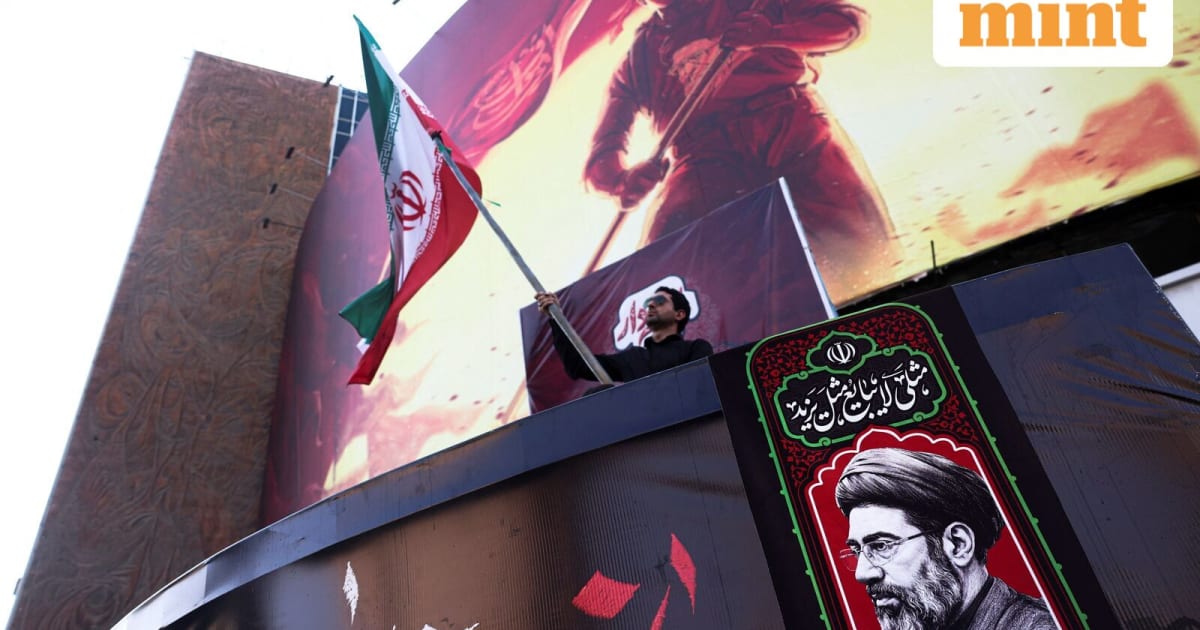
Recent signals from Iran indicating a move to a 'fully offensive' posture, amidst stalled US peace talks, are poised to send tremors through the global economy. This WelthWest deep dive meticulously dissects the implications for India's energy-import dependent economy and equity markets. We identify key winners and losers, providing a comprehensive investment strategy for navigating this evolving geopolitical landscape.
Iran's 'Offensive' Pivot: A Geopolitical Earthquake for Global Energy and Indian Equities
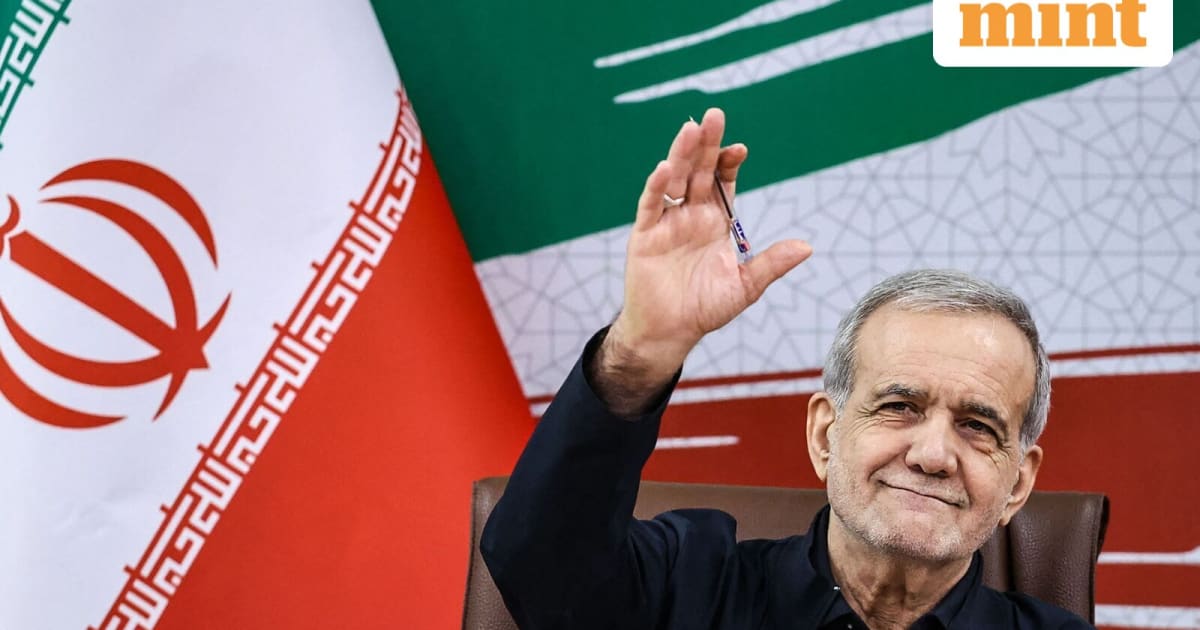
The geopolitical landscape of the Middle East, perpetually a crucible of global energy dynamics, is once again undergoing a seismic shift. Recent intelligence suggests Iran is preparing to adopt a 'fully offensive' posture, a stark departure from previous strategic alignments, as diplomatic channels with the United States remain gridlocked. This declaration is not merely rhetorical; it signifies a heightened probability of direct engagement and disruption within a region critical to the world's oil supply. For India, a nation heavily reliant on imported energy, this strategic pivot carries profound economic and market implications, demanding immediate and informed investor attention.
At WelthWest Research Desk, our deep dive reveals that this development transcends typical geopolitical noise. It represents a fundamental recalibration of risk, directly threatening the stability of crude oil flows through vital chokepoints like the Strait of Hormuz. Any significant disruption here could trigger a cascade of economic consequences: soaring crude prices, exacerbated global inflation, tighter monetary policies from central banks like the RBI, and a consequential slowdown in economic growth. Understanding the 'why now' is crucial. The stalled peace talks, coupled with internal and external pressures on the Iranian regime, appear to have pushed Tehran towards a more assertive stance, increasing the odds of direct action or proxy-led destabilization that could directly impact energy infrastructure.
How Will Iran's Offensive Posture Impact Global Oil Prices and India?
The immediate and most palpable impact of Iran's declared 'offensive' posture will be felt in the global crude oil markets. Historically, even the threat of supply disruption from the Middle East has sent Brent crude futures spiraling upwards. Consider the Abqaiq-Khurais attacks in Saudi Arabia in September 2019, which wiped out 5% of global oil supply overnight, causing Brent prices to surge over 14% in a single day. While the supply was quickly restored, it demonstrated the fragility of the system. A sustained 'offensive' posture from Iran could translate into a higher geopolitical risk premium embedded in oil prices, potentially pushing Brent crude well above the $100 per barrel mark, even without direct attacks on production facilities.
For India, the world's third-largest oil importer, this translates directly into significant economic headwinds. Every $10 increase in crude oil prices is estimated to widen India's current account deficit by approximately $15 billion annually and could shave off 0.3-0.5% from GDP growth. The ripple effect extends to inflation, as higher fuel costs feed into transportation, manufacturing, and ultimately, consumer prices. This inflationary pressure could force the Reserve Bank of India (RBI) to maintain a hawkish stance for longer, potentially delaying rate cuts or even necessitating rate hikes, thereby increasing borrowing costs for businesses and consumers across the Indian economy. Sectors heavily reliant on stable energy prices, such as manufacturing, logistics, and aviation, will face significant margin compression.
Deep Market Impact Analysis: Unpacking India's Sectoral Winners and Losers
The intricate web of India's equity market will react with distinct winners and losers as this geopolitical saga unfolds. Our analysis pinpoints specific sectors and companies poised to either benefit or suffer from the elevated energy costs and increased risk aversion.
Who Wins from Escalating Middle East Tensions? The Defence and Energy Beneficiaries
In a landscape defined by heightened geopolitical risk, certain sectors inherently become beneficiaries. Defence stocks, globally and domestically, are a prime example. Increased regional instability often translates into higher defence spending and accelerated procurement cycles. Indian Navratna Defence PSUs stand to gain significantly. Similarly, oil and gas exploration and production (E&P) companies, which directly benefit from rising crude prices, will see their top and bottom lines swell.
- Defence PSUs: Companies like Hindustan Aeronautics Ltd (HAL) (NSE: HAL), with a market capitalization exceeding ₹2.5 lakh crore and a trailing P/E ratio of around 35x, are likely to see increased order inflows and stronger revenue visibility. HAL's robust order book, currently at over ₹84,000 crore, could be further bolstered by a global push towards defence modernization. Similarly, Bharat Electronics Ltd (BEL) (NSE: BEL), a leader in defence electronics with a market cap of ₹2.1 lakh crore, and Bharat Dynamics Limited (BDL) (NSE: BDL), specializing in missile systems, are direct beneficiaries. Their strong government backing and strategic importance make them resilient in volatile times.
- Oil & Gas Exploration and Production (E&P): Indian E&P giants like Oil and Natural Gas Corporation (ONGC) (NSE: ONGC) and Oil India Ltd (OIL) (NSE: OIL) are directly correlated with crude oil prices. For every $10 increase in Brent crude, ONGC's standalone net profit could see an uplift of 8-10%, given its current production profile. Their revenue and profitability are intrinsically linked to global energy benchmarks. While refining margins for downstream players might get squeezed, integrated players with significant upstream exposure will likely see net positive impacts.
- Gold: As a traditional safe-haven asset, gold tends to perform exceptionally well during periods of geopolitical uncertainty and heightened market volatility. Indian investors often flock to physical gold or gold ETFs (e.g., Nippon India ETF Gold BeES, NSE: GOLDBEES) as a hedge against currency depreciation and equity market downturns. The demand for gold could see a significant uptick, providing a buffer for diversified portfolios.
Who Loses from Elevated Energy Prices? Airlines, Shipping, and Consumer Discretionary
Conversely, sectors highly sensitive to fuel costs and consumer spending will face severe headwinds. The inflationary pressure from higher crude prices will erode margins and dampen demand.
- Airlines: Indian airline operators like InterGlobe Aviation (IndiGo) (NSE: INDIGO) and SpiceJet Ltd (NSE: SPICEJET) are among the most vulnerable. Aviation Turbine Fuel (ATF) constitutes 30-40% of their operational costs. A significant jump in crude prices directly translates to higher ATF costs, compressing already thin profit margins. This could lead to fare hikes, potentially dampening passenger traffic, a double whammy for the sector.
- Shipping and Logistics: Companies involved in global trade and logistics, such as Great Eastern Shipping Co Ltd (NSE: GESHIP) or container logistics players, will face increased bunkering costs (fuel for ships). Furthermore, potential disruptions to key shipping lanes in the Middle East could lead to longer transit times, higher insurance premiums, and rerouting costs, impacting profitability and supply chain efficiency.
- Manufacturing and Transportation: Broader manufacturing sectors, especially those with high energy intensity (e.g., cement, metals), will grapple with increased input costs. Transportation companies, from road freight to railways, will also see their operational expenses climb. This cost push cannot always be fully passed on to consumers, leading to margin erosion.
- Consumer Discretionary: Higher inflation and potential interest rate hikes will reduce disposable income for consumers. This will likely lead to a slowdown in discretionary spending on non-essential goods and services, impacting sectors like retail, automotive, and entertainment.
- Reliance Industries (RIL): While RIL (NSE: RELIANCE) has a diversified portfolio, its massive refining and petrochemicals segment is highly sensitive to crude oil price volatility. While higher crude prices can benefit its upstream E&P assets, its refining margins (GRMs) could be squeezed if product prices don't keep pace with crude input costs. Investors need to monitor the interplay of its upstream, refining, and retail/telecom segments closely, as the net impact can be complex.
Expert Perspective: Bulls vs. Bears on Iran's Stance
The market's interpretation of Iran's 'offensive' posture is far from monolithic. A robust debate exists between those anticipating a severe downturn and those who see potential for limited impact or even opportunity.
The Bears' Argument: The bearish camp views Iran's declaration as a definitive signal of escalating regional conflict. They argue that the probability of direct military confrontation or significant proxy actions against oil infrastructure has risen dramatically. This, coupled with the current global supply-demand tightness, could easily send Brent crude to $120-$150 per barrel. Their playbook involves aggressive hedging, reducing exposure to energy-intensive sectors, and increasing allocations to safe havens like gold and US treasuries. They point to the 1973 oil crisis and the 1990 Gulf War as historical precedents where geopolitical events triggered massive energy shocks and subsequent global recessions. For India, they foresee a significant drag on economic growth, potential currency depreciation, and a sharp correction in equity markets, particularly in sectors with high import dependence or discretionary consumer spending.
The Bulls' Argument: Conversely, the bullish perspective, while acknowledging the risks, suggests that the market may be overreacting to rhetoric. They contend that while Iran's language is strong, both regional and global powers have a vested interest in preventing a full-blown conflict that would devastate the global economy. They might point to the resilience of global supply chains and the potential for strategic oil reserves to be released in the event of severe disruption. Furthermore, they argue that the 'offensive' posture could be a negotiating tactic designed to extract concessions, rather than a precursor to immediate large-scale conflict. For Indian markets, they might highlight the defensive nature of certain sectors (e.g., IT services, pharmaceuticals which are less exposed to domestic energy costs) and the long-term growth story that can absorb short-term shocks. They also see opportunities in defence stocks as a long-term thematic play, irrespective of immediate conflict.
Actionable Investor Playbook: Navigating the Geopolitical Storm
Given the high impact and significant risks associated with Iran's strategic shift, a well-defined investor playbook is critical. This is not a time for complacency but for strategic portfolio adjustments.
What to Buy:
- Defence Stocks (Long-term Accumulation): Consider accumulating quality defence PSUs like HAL (NSE: HAL), BEL (NSE: BEL), and BDL (NSE: BDL) on dips. These are structural growth stories, and geopolitical tensions merely accelerate their trajectory. Entry points could be around their 50-day moving averages after any initial run-up.
- E&P Companies (Tactical Play): For investors with a higher risk appetite, ONGC (NSE: ONGC) and Oil India (NSE: OIL) present tactical opportunities. Their P/E ratios are often attractive during periods of lower crude, offering significant upside as prices rise. However, these are highly volatile; consider trailing stop losses.
- Gold ETFs (Strategic Hedge): Allocate 5-10% of your portfolio to gold via ETFs like Nippon India ETF Gold BeES (NSE: GOLDBEES). This acts as an effective hedge against market downturns and currency depreciation, offering stability in volatile times.
What to Sell/Reduce Exposure:
- Airlines: Reduce or avoid exposure to airline stocks like InterGlobe Aviation (NSE: INDIGO). The sector is fundamentally challenged by high fuel costs, and geopolitical risk exacerbates this.
- Logistics and Energy-Intensive Manufacturing: Trim positions in companies with high fuel dependency or significant energy input costs, unless they have strong pricing power to pass on costs.
- Highly Leveraged Consumer Discretionary: Companies reliant on robust consumer spending, especially those with high debt, could face a double whammy of reduced demand and higher interest rates.
What to Watch:
- Crude Oil Prices: Closely monitor Brent crude futures. A sustained break above $95/barrel or $100/barrel would be a critical signal of further escalation and deeper economic impact.
- INR-USD Exchange Rate: A weakening Rupee (INR) against the US Dollar will exacerbate imported inflation, further pressuring the RBI.
- RBI Monetary Policy Statements: Future rate decisions and guidance from the RBI will be crucial in assessing the domestic impact of global energy price movements.
Time Horizon: This event presents both short-term tactical trading opportunities and long-term strategic adjustments. The immediate impact on energy prices could unfold over weeks to months. However, the structural shift towards increased defence spending and the long-term implications for global supply chains could play out over several quarters to years.
Risk Matrix: Assessing the Probabilities of Escalation
Understanding the potential risks and their probabilities is paramount for informed decision-making.
- Direct Disruption to Oil Production/Transit Routes (Probability: Medium-High): Iran's 'offensive' posture significantly elevates the risk of actions that could directly impede oil production or transit through the Strait of Hormuz. This could range from naval exercises disrupting shipping lanes to targeted cyberattacks on infrastructure or even direct military action. The severity of market impact would be extreme, potentially leading to a global recession.
- Broader Regional Conflict (Probability: Medium): An escalation involving Iran could easily draw in other regional powers, leading to a wider conflict. This would not only disrupt oil supplies but also trigger a humanitarian crisis and destabilize global geopolitics, with profound and unpredictable economic consequences.
- Prolonged Geopolitical Risk Premium on Oil (Probability: High): Even without direct conflict, the mere declaration of an 'offensive' posture ensures a sustained geopolitical risk premium on crude oil prices. This means prices will remain elevated, even if actual supply disruptions are minimal, due to market uncertainty and fear.
- Cyber Warfare and Economic Sabotage (Probability: High): Beyond traditional military actions, Iran could engage in sophisticated cyberattacks targeting critical infrastructure in rival nations or global financial systems. While not directly disrupting oil, such actions could create significant market panic and economic dislocation.
What to Watch Next: Catalysts and Key Data Points
The unfolding situation demands continuous monitoring of several key indicators and upcoming events:
- Diplomatic Statements and Engagements: Any indication of renewed US-Iran peace talks or de-escalation efforts from major global powers will be a critical positive catalyst. Conversely, bellicose rhetoric or military posturing will heighten anxiety.
- OPEC+ Meetings and Production Decisions: The actions of OPEC+ nations, particularly Saudi Arabia, in response to potential supply disruptions will be crucial. Any decision to increase production to stabilize markets could mitigate price spikes.
- US Strategic Petroleum Reserve (SPR) Releases: Should crude prices surge uncontrollably, the US government might consider further releases from its Strategic Petroleum Reserve, a short-term measure to cool prices.
- Economic Data from Major Importers: Watch for inflation data (CPI, WPI) from India and other major energy importers, as well as GDP growth forecasts. These will indicate the real-world economic impact of elevated energy costs.
- Shipping Insurance Premiums: A sharp increase in marine insurance premiums for vessels transiting the Persian Gulf would signal growing market perception of risk in the region.
- Satellite Imagery and Intelligence Reports: Independent analysis of satellite imagery for military movements or infrastructure changes will provide crucial insights into actual ground realities.
The coming months will test the resilience of global markets and India's economy. WelthWest Research Desk will continue to provide real-time, data-driven analysis to help investors navigate this complex and potentially volatile environment.
See ONGC's AI Score
Our algorithmic screener scores ONGC on fundamentals, momentum, and risk — free to try, no card needed.
Try the AI Screener →Have questions about this story?
Ask Welth, our finance-focused AI research assistant, for a deeper breakdown — free trial included.
Chat with Welth AI →Disclaimer: This content is generated by WelthWest Research Desk based on publicly available reports and is for informational purposes only. It does not constitute financial advice, investment recommendations, or an offer to buy or sell securities. Always consult a qualified financial advisor before making investment decisions.