Key Takeaway
The geopolitical escalation in the Middle East serves as a structural headwind for the Indian economy. Investors should pivot from consumption-heavy sectors to energy-upstream and defense plays to hedge against crude-induced inflation and currency volatility.
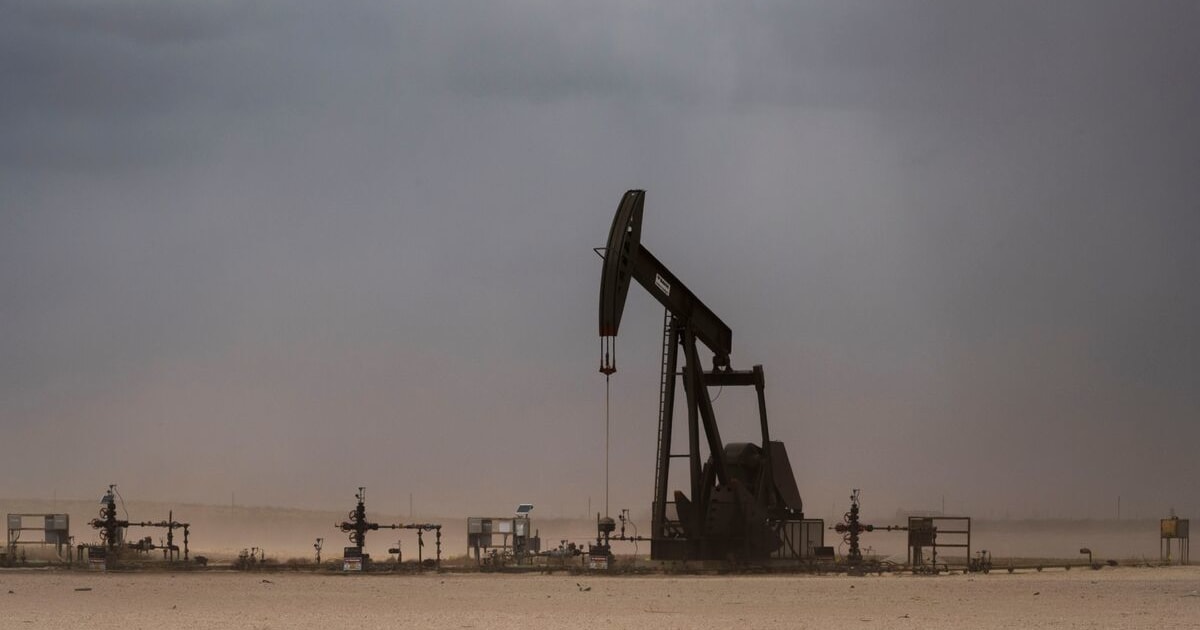
Geopolitical tensions in the Middle East have triggered a sharp spike in global crude oil prices, threatening India's fiscal stability. This analysis examines the ripple effects across the Nifty, identifying key winners and losers in the energy, aviation, and defense sectors.
The Geopolitical Pivot: Why the Iran-US Escalation Changes Everything
The recent US military strikes on Iranian assets represent a paradigm shift in global energy security. For India, a nation that imports over 85% of its crude oil requirements, the Middle East is not merely a distant geopolitical theater—it is the primary determinant of its macroeconomic health. As crude oil prices test multi-month highs, the structural integrity of India’s Current Account Deficit (CAD) and the trajectory of the Indian Rupee (INR) are under immediate pressure.
Historically, when Brent crude breaches the $85-$90/barrel threshold, Indian markets witness a distinct rotation of capital. In the 2022 energy crisis, the Nifty 50 experienced a drawdown of approximately 8% as inflation concerns forced the Reserve Bank of India (RBI) into a hawkish monetary posture. Today, the stakes are elevated by pre-existing supply chain vulnerabilities.
How will rising crude oil prices impact Indian inflation and GDP?
Crude oil is the lifeblood of the Indian economy. An increase in the price of the Indian Basket of crude directly translates to higher landed costs for Oil Marketing Companies (OMCs), which subsequently ripples through the economy via elevated logistics and input costs. With India’s retail inflation (CPI) sensitive to fuel prices, a sustained rally in oil will likely force the RBI to maintain higher interest rates for longer, effectively capping the P/E multiple expansion for rate-sensitive sectors like Banking and Real Estate.
The Sectoral Shakeout: Winners and Losers
The market is currently pricing in a 'risk-off' environment. When oil prices climb, the correlation between energy costs and corporate margins becomes inverse for most sectors.
The Winners: Upstream and Strategic Assets
- ONGC (NSE: ONGC): As an upstream producer, ONGC is the primary beneficiary of higher crude realizations. With a market cap exceeding ₹3.5 lakh crore, its profitability is highly levered to oil prices. We project a 12-15% increase in EBITDA for every $10 rise in crude.
- OIL (NSE: OIL): Similar to ONGC, Oil India Limited benefits from net realization spikes. Its focus on domestic exploration makes it a tactical hedge against global supply chain disruptions.
- HAL (NSE: HAL) & BEL (NSE: BEL): Geopolitical uncertainty invariably leads to increased defense spending. As India prioritizes self-reliance (Atmanirbhar Bharat), these stocks serve as safe havens with strong order books and long-term visibility.
The Losers: Consumption and Logistics
- BPCL, HPCL, IOCL: These OMCs face a 'margin squeeze' scenario. When retail fuel prices are not adjusted in line with global crude costs, their marketing margins evaporate.
- InterGlobe Aviation (IndiGo): Aviation Turbine Fuel (ATF) accounts for nearly 40% of an airline's operating cost. A sustained spike in oil prices directly impacts the bottom line of carriers, making IndiGo a high-beta play on crude volatility.
- Paint & Tyre Manufacturers: Companies like Asian Paints and MRF rely heavily on crude-based derivatives (solvents, carbon black). Inflation in these raw materials will lead to margin contraction unless companies can pass costs to consumers—a difficult task in a slowing demand environment.
Expert Perspective: The Bull vs. Bear Debate
The Bull Argument: Bulls contend that India’s forex reserves (currently north of $640 billion) provide a significant buffer against currency depreciation. Furthermore, the diversification of energy imports (increased reliance on Russian crude) insulates India from the worst of the Middle East volatility.
The Bear Argument: Bears argue that if the conflict leads to a closure of the Strait of Hormuz, the supply shock will be unprecedented. Even with diversified sources, global prices will reset higher, leading to a permanent shift in inflation expectations and forcing a liquidity drain from emerging markets.
Actionable Investor Playbook
Investors should adopt a 'Barbell Strategy' to navigate this volatility:
- Defensive Allocation: Increase exposure to Upstream Oil (ONGC) and Defense (HAL) to capture alpha during the escalation.
- Trim Exposure: Reduce weightings in OMCs and Aviation stocks until crude prices show signs of stabilization below the $80/barrel level.
- Cash Management: Maintain 15-20% cash reserves to capitalize on potential Nifty corrections to the 200-day moving average.
Risk Matrix
| Risk Factor | Probability | Impact |
|---|---|---|
| Sustained $100+ Crude | Moderate | High |
| INR Depreciation > 85 per USD | Moderate | High |
| Corporate Margin Contraction | High | Medium |
What to Watch Next
The next 30 days are critical. Monitor the OPEC+ production meeting outcomes, as any decision to cut supply further will exacerbate the current bullish trend in energy. Additionally, watch for the RBI Monetary Policy Committee (MPC) minutes; any shift in language regarding 'imported inflation' will be a clear signal that interest rate cuts are off the table for the near term.
See ONGC's AI Score
Our algorithmic screener scores ONGC on fundamentals, momentum, and risk — free to try, no card needed.
Try the AI Screener →Have questions about this story?
Ask Welth, our finance-focused AI research assistant, for a deeper breakdown — free trial included.
Chat with Welth AI →Disclaimer: This content is generated by WelthWest Research Desk based on publicly available reports and is for informational purposes only. It does not constitute financial advice, investment recommendations, or an offer to buy or sell securities. Always consult a qualified financial advisor before making investment decisions.
