Key Takeaway
Renewed US-Iran tensions threaten to ignite crude oil prices, posing a significant headwind for India's import-dependent economy. Investors must brace for inflationary pressures, Rupee weakening, and a shift in sector fortunes, prioritizing defensive plays and hedging against energy-intensive sectors.
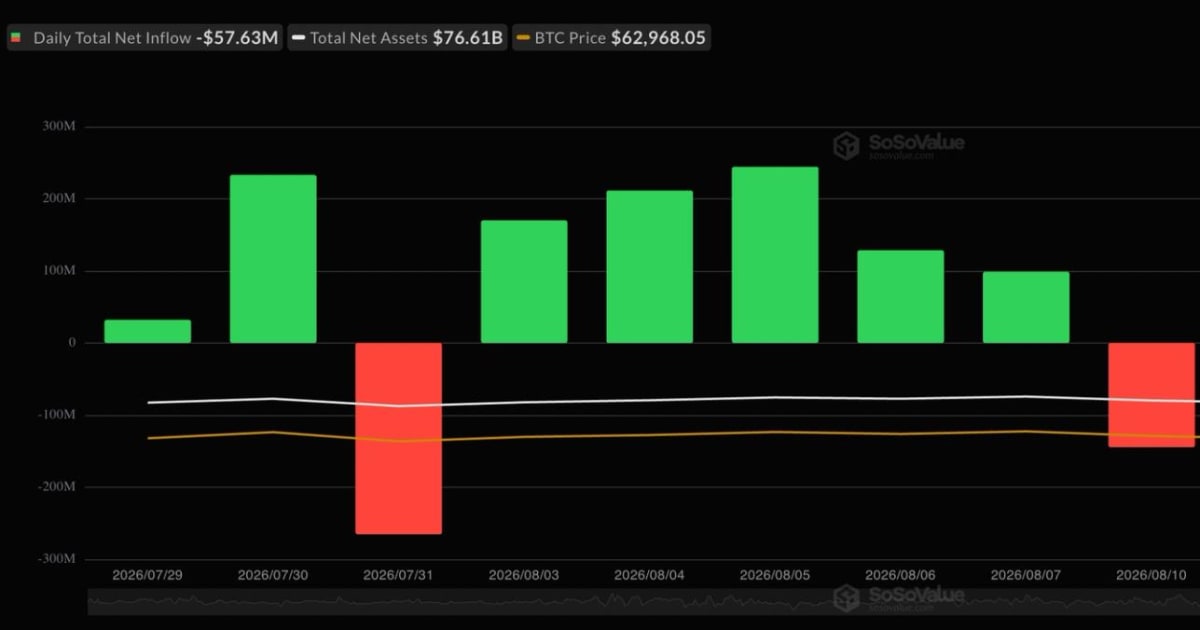
While Bitcoin's stability at $63,500 grabs headlines, the real story for Indian investors lies in the simmering geopolitical cauldron of the Middle East. The potential lapse of the US-Iran ceasefire could trigger a crude oil surge, directly impacting India's economy and stock market. Our deep dive reveals which sectors will thrive, which will struggle, and how smart investors can navigate this volatility.
Middle East Tensions & Crude Oil: India's Market Jitters — What to Buy, Sell, Watch
The financial world often fixates on the immediate, the tangible. Today, that spotlight shines on Bitcoin, holding steady around the $63,500 mark. Yet, for astute investors tracking the Indian equity landscape, a far more potent and insidious threat is quietly brewing thousands of miles away: the resurgence of geopolitical tensions in the Middle East, specifically surrounding a potential lapse in the US-Iran ceasefire. This seemingly distant development is not merely an abstract geopolitical footnote; it is a direct, quantifiable risk to India's economic stability and, consequently, its stock market.
While the cryptocurrency market's flows may have 'quietly turned,' signaling a subtle shift in broader risk appetite, their direct influence on Indian equities remains negligible. The true seismic shift for India emanates from the global crude oil market. India, as the world's third-largest oil importer, is exquisitely vulnerable to price volatility. Any sustained uptick in international crude benchmarks, triggered by supply disruptions or heightened risk premiums due to regional instability, translates directly into a higher import bill, a weaker Rupee, intensified inflationary pressures, and a tangible squeeze on corporate margins across a spectrum of crucial sectors. This isn't merely a speculative exercise; it's a critical assessment of immediate and medium-term economic headwinds.
How Will Rising Crude Oil Prices Impact the Indian Stock Market?
The ripple effect of escalating crude oil prices on the Indian stock market is multifaceted and historically predictable. When Brent crude futures climb, India's current account deficit (CAD) widens, as the nation spends more foreign exchange on essential energy imports. This increased demand for US dollars naturally weakens the Indian Rupee (INR) against the greenback. A depreciating Rupee makes imports more expensive, fueling imported inflation – a persistent concern for the Reserve Bank of India (RBI) and a burden for consumers. Furthermore, higher input costs for industries translate directly into eroded profit margins, impacting earnings per share (EPS) and, ultimately, stock valuations.
Historically, significant spikes in crude oil prices have often preceded periods of market consolidation or correction in India. For instance, during the 2022 crude oil surge following the Russia-Ukraine conflict, when Brent prices briefly touched $139 per barrel, the Nifty 50 Index experienced a correction of approximately 10-12% from its peak over a few months. While other factors were certainly at play, the sustained elevated crude prices undoubtedly contributed to inflationary pressures and dampened investor sentiment. Similarly, earlier episodes like the 2008 financial crisis saw crude oil as a major inflationary component impacting global markets, including India. The current geopolitical backdrop, therefore, demands a proactive rather than reactive investment strategy.
Sector-Level Breakdown: Winners and Losers from Crude Oil Volatility
- Losers: Oil Marketing Companies (OMCs) – Companies like Indian Oil Corporation (IOC), Bharat Petroleum Corporation (BPCL), and Hindustan Petroleum Corporation (HPCL) bear the brunt of rising crude prices. While they often pass on costs, delays in price revisions by the government (especially for retail fuels) can lead to significant under-recoveries and margin compression. Their profitability is directly inversely correlated with crude oil prices in a regulated environment.
- Losers: Aviation & Logistics – Fuel costs represent a substantial portion (often 30-40%) of operating expenses for airlines such as InterGlobe Aviation (Indigo) and SpiceJet. Higher Aviation Turbine Fuel (ATF) prices directly erode their profitability and can force fare hikes, potentially impacting demand. Similarly, logistics companies face increased transportation costs.
- Losers: Chemicals & Tyre Manufacturers – Sectors heavily reliant on crude oil derivatives as raw materials will see their input costs soar. This includes chemical manufacturers, paint companies like Asian Paints and Pidilite Industries, and tyre manufacturers such as MRF and Apollo Tyres, where crude-based products like synthetic rubber and carbon black are key components. Their ability to pass on these costs to consumers will determine the extent of margin erosion.
- Losers: Rupee (INR) – As discussed, a higher import bill places downward pressure on the Indian Rupee, making it more expensive for Indian businesses to import goods and services, and potentially deterring foreign institutional investment if currency depreciation risks become pronounced.
- Partial Impact: Reliance Industries (RIL) – While RIL is a major crude oil refiner and benefits from higher Gross Refining Margins (GRMs) when crude prices are volatile, its retail and telecom segments could still face indirect inflationary pressures impacting consumer spending. Its integrated model offers some hedge, but the overall economic slowdown from sustained high crude prices could still affect its diverse portfolio.
- Winners: Oil & Gas Exploration & Production (E&P) – Companies involved in upstream exploration and production, such as Oil and Natural Gas Corporation (ONGC) and Oil India Ltd (OIL), directly benefit from higher crude oil prices as their realizations per barrel increase. However, India's domestic production capacity is limited, so their positive impact on the broader economy is often offset by the import bill.
- Winners: Gold (as a Safe Haven) – In times of geopolitical uncertainty and inflation concerns, gold traditionally acts as a safe-haven asset. Companies like Titan Company, which has significant gold jewelry exposure through its Tanishq brand, could see indirect benefits from increased investor demand for gold.
Which Indian Stocks are Most Vulnerable to Surging Crude Prices?
Identifying specific stocks and understanding their direct exposure is paramount for navigating this environment. Here's a deeper look at key NSE/BSE listed companies:
- Indian Oil Corporation (IOC): As India's largest OMC, IOC's profitability is highly sensitive to crude oil price movements and government policy on fuel pricing. In a scenario of rapidly rising crude, if retail prices are not adjusted commensurately, IOC faces significant under-recoveries. For FY23, IOC reported revenue of nearly ₹8.66 trillion, with net profit heavily impacted by volatile crude. A sustained $10/barrel increase in crude could wipe out billions in potential profit if not passed on.
- InterGlobe Aviation (Indigo): The largest airline in India, Indigo’s primary cost head is ATF. For the fiscal year ending March 2023, fuel costs constituted approximately 38% of its total operating expenses. A 10% increase in ATF prices, assuming all other factors remain constant, could translate into a 3-4% hit on its operating margins, significantly impacting its P/E ratio which currently hovers around 30-35x, reflecting growth expectations. Sector peers like SpiceJet face similar, if not more acute, challenges given their tighter financial positions.
- Asian Paints Ltd.: A leader in the Indian paint industry, Asian Paints relies on crude oil derivatives for a significant portion of its raw materials, including titanium dioxide, phthalic anhydride, and various solvents. These constitute 50-60% of its total raw material costs. While Asian Paints has demonstrated strong pricing power historically, a sharp and sustained rise in crude prices could pressure its EBITDA margins (which were around 18-20% in Q3FY24), making it challenging to maintain profitability without impacting sales volumes through price hikes. Pidilite Industries, another chemical-intensive company, faces similar headwinds.
- MRF Ltd.: India's largest tyre manufacturer, MRF, is acutely exposed to crude oil price fluctuations due to its heavy reliance on synthetic rubber and carbon black, both crude derivatives. These materials can account for 60-70% of its raw material basket. The company's P/E ratio, often higher than industry peers due to its premium branding, could come under pressure if margins compress significantly. Apollo Tyres and CEAT Ltd. are other key players in this sector that will feel the pinch.
- Hindustan Petroleum Corporation (HPCL): Similar to IOC and BPCL, HPCL’s refining and marketing margins are highly susceptible to crude volatility. While refining margins can benefit from higher product cracks (difference between crude and refined product prices), the marketing segment suffers under-recoveries during periods of high crude and regulated retail prices. HPCL's stock performance has often mirrored the broader OMCs' struggles during such periods.
- Titan Company Ltd.: While not directly impacted by crude, Titan offers an interesting hedge. As a prominent player in the jewelry segment through Tanishq, it benefits from gold's status as a safe-haven asset. In times of geopolitical instability and inflationary concerns (driven by crude), demand for physical gold tends to increase. This could provide a counter-cyclical boost to Titan's jewelry division, partially offsetting any broader market weakness. Its P/E ratio, often in the range of 60-70x, reflects its strong brand equity and growth prospects in discretionary spending, but gold's defensive characteristics can offer a cushion.
Expert Perspective: Bulls vs. Bears on India's Crude Conundrum
The debate surrounding India's vulnerability to crude oil prices is perennially active among financial analysts. The 'bears' on the Indian market would argue that the current geopolitical situation presents an unacceptable risk. They would highlight India's structural dependence on imports, its relatively high inflation, and the RBI's limited room for aggressive monetary easing if crude fuels price pressures further. A sustained Brent crude price above $90-95 per barrel, they contend, would inevitably lead to a weakening Rupee, higher interest rates, and a slowdown in corporate earnings growth, making Indian equities less attractive compared to global peers. They might point to the Nifty's current valuation, with a trailing P/E ratio around 22-23x, as being too rich for such significant macro headwinds.
Conversely, the 'bulls' would present a more nuanced view. They might acknowledge the short-term pain but argue that India's domestic demand story remains robust, driven by a growing middle class and government infrastructure spending. They would also emphasize the government's potential to absorb some of the shock through strategic oil reserves or fiscal adjustments, though this has limits. Furthermore, some bulls might point to the increasing diversification of India's energy mix, including a push towards renewables, as a long-term mitigating factor, even if its immediate impact is small. They would also contend that Indian companies have, over time, developed greater resilience and efficiency in managing input costs, and that any dip in the market due to crude shocks could be a buying opportunity for fundamentally strong companies at attractive valuations.
Actionable Investor Playbook: Navigating the Crude Volatility
For investors seeking to protect and grow their capital amidst this crude oil uncertainty, a strategic and diversified approach is crucial. This isn't a time for panic, but for calculated adjustments.
- Reduce Exposure to Vulnerable Sectors: Consider trimming positions in highly energy-intensive sectors like aviation (Indigo, SpiceJet), OMCs (IOC, BPCL, HPCL), and chemical/paint companies (Asian Paints, Pidilite, MRF) if you are overweight. Monitor their inventory levels and pricing power closely.
- Seek Safe Havens & Defensive Plays: Increase allocation to gold-related assets or companies with indirect gold exposure (e.g., Titan Company). Consider defensive sectors less impacted by crude, such as pharmaceuticals or certain IT services, though these too can be indirectly affected by a broader economic slowdown.
- Focus on Domestic Demand & Export-Oriented Businesses: Companies with strong domestic consumption drivers and minimal reliance on imported inputs, or those with significant export revenues (which benefit from a weaker Rupee), could offer relative resilience.
- Consider Energy & Commodity Producers (with caution): While ONGC and OIL benefit from higher crude prices, their upside is often capped by government policies and windfall taxes. Any investment here requires careful assessment of regulatory risk.
- Monitor Macro Indicators: Keep a close watch on India's monthly trade deficit, WPI and CPI inflation data, and the Rupee-Dollar exchange rate. These will be leading indicators of the crude oil impact.
- Time Horizon: This is likely a medium-term concern (3-12 months) unless geopolitical tensions de-escalate swiftly. Short-term traders might find volatility, but long-term investors should focus on portfolio rebalancing. Entry points for vulnerable stocks might emerge after a significant correction, but only after assessing the sustainability of crude prices.
Risk Matrix: Assessing the Probability and Impact
Understanding the potential risks and their likelihood is fundamental to informed decision-making:
- Sustained Crude Oil Price Surge (above $90-95/barrel):
- Probability: Medium-High (given current geopolitical rhetoric and historical volatility during Middle East tensions)
- Impact: High (significant negative impact on India's CAD, inflation, Rupee, and corporate margins across multiple sectors).
- Escalation of US-Iran Geopolitical Tensions:
- Probability: Medium (ceasefire lapse increases risk, but direct military confrontation remains less likely without major provocation)
- Impact: High (could lead to supply disruptions in the Strait of Hormuz, driving crude prices to extreme levels, triggering global recession fears).
- RBI Rate Hikes to Combat Inflation:
- Probability: Medium (if crude-led inflation becomes persistent, RBI may be forced to hike rates, impacting credit growth and equity valuations)
- Impact: Medium-High (higher borrowing costs for companies and consumers, potentially dampening economic activity).
- Global Economic Slowdown/Recession:
- Probability: Medium (high crude prices globally could trigger a recession, impacting India's exports and overall growth)
- Impact: High (broader market correction, reduced corporate earnings, and increased unemployment).
What to Watch Next: Catalysts and Data Points
The narrative around crude oil and Indian markets will evolve rapidly. Savvy investors must track these critical developments:
- US-Iran Diplomatic Communications: Any official statements, negotiations, or breakdowns in talks regarding the ceasefire or broader nuclear deal will be paramount. Keep an eye on announcements from the US State Department and Iranian foreign ministry.
- OPEC+ Production Decisions: The next OPEC+ meeting and any announcements regarding production cuts or increases will directly influence global supply dynamics. Their decisions can either exacerbate or alleviate crude price pressures.
- Weekly EIA & API Crude Inventories: Data releases from the US Energy Information Administration (EIA) and American Petroleum Institute (API) provide insights into US crude oil demand and supply, which can influence short-term price movements.
- India's Inflation & Trade Data: Monthly CPI (Consumer Price Index) and WPI (Wholesale Price Index) inflation figures, alongside merchandise trade balance data, will reveal the real-time impact of crude prices on India's economy.
- Rupee-Dollar Exchange Rate: The INR/USD pair will be a critical barometer of market sentiment regarding India's external vulnerabilities. A sustained weakening beyond key psychological levels could trigger further FII outflows.
- Global Economic Indicators: Watch for PMI (Purchasing Managers' Index) data, GDP growth forecasts, and central bank statements from major economies (US, Europe, China) as these will shape overall global demand for crude oil.
The current geopolitical landscape demands vigilance. While Bitcoin's price may appear stable, the underlying currents of global energy markets are signaling a period of potential turbulence for Indian equities. Proactive analysis and strategic portfolio adjustments will be the hallmarks of successful investing in the coming months.
See IOC's AI Score
Our algorithmic screener scores IOC on fundamentals, momentum, and risk — free to try, no card needed.
Try the AI Screener →Have questions about this story?
Ask Welth, our finance-focused AI research assistant, for a deeper breakdown — free trial included.
Chat with Welth AI →Disclaimer: This content is generated by WelthWest Research Desk based on publicly available reports and is for informational purposes only. It does not constitute financial advice, investment recommendations, or an offer to buy or sell securities. Always consult a qualified financial advisor before making investment decisions.