Key Takeaway
Nasdaq's strategic $100M investment in Kraken's parent marks a watershed moment for tokenized equities, accelerating blockchain adoption in traditional finance. Indian IT service giants and fintech innovators stand to gain significantly from the global demand for digital asset infrastructure, demanding immediate investor attention to this transformative trend.
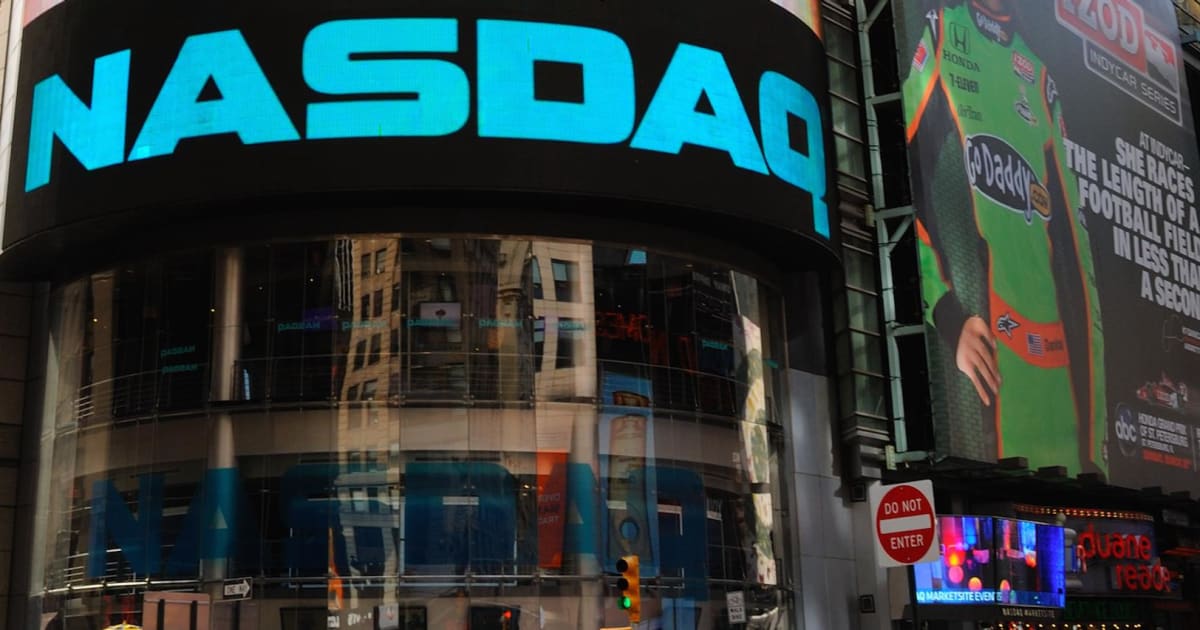
Nasdaq's significant investment in Payward, Kraken's parent, signals a pivotal shift towards tokenized equities by 2027. This move, validating blockchain's role in mainstream finance, will ripple across global markets, profoundly impacting India's tech sector. Our deep dive reveals how this institutional embrace of digital assets presents both immense opportunities and strategic challenges for Indian IT service providers and fintech companies.
Nasdaq's $100 Million Kraken Play: Unlocking the Future of Tokenized Equities and Its Profound Impact on Indian Tech Stocks
The financial world just witnessed a seismic shift: Nasdaq, a titan of traditional stock exchanges, has committed a staggering $100 million investment into Payward, the parent company of cryptocurrency exchange Kraken. This isn't merely a venture capital play; it's a strategic maneuver aimed at launching a full-fledged tokenized equities platform by 2027. This bold move by a legacy financial institution into the crypto-native realm isn't just news; it's a profound declaration about the future of asset management, market infrastructure, and, critically, the opportunities it presents for India's burgeoning technology and financial services sectors.
For decades, traditional finance has operated on a robust yet often opaque and inefficient infrastructure. The promise of blockchain technology – transparency, immutability, and fractional ownership – has long been touted, but institutional adoption remained cautious. Nasdaq's investment unequivocally legitimizes blockchain's potential for mainstream financial assets, moving it from speculative innovation to an integral component of future market architecture. This isn't a distant phenomenon; the implications for global financial infrastructure, and specifically for India's IT service powerhouses and fintech innovators, are immediate and far-reaching.
Why Does Nasdaq's Kraken Investment Matter for Indian Markets NOW?
While the direct launch of Nasdaq's tokenized equities platform is slated for 2027, the preparatory work, technological build-out, and regulatory navigation begin today. This creates a substantial, multi-year demand cycle for specialized blockchain development, cybersecurity, compliance solutions, and integration services – areas where Indian IT giants hold a dominant global position. The shift signals a new wave of digital transformation projects, moving beyond mere cloud migration to fundamental re-architecture of financial systems.
Historically, major technological shifts in global finance have created massive outsourcing opportunities for Indian IT firms. For instance, during the Y2K bug remediation in the late 1990s, Indian IT companies saw unprecedented growth, laying the foundation for their global leadership. More recently, the digital transformation wave post-2010, driven by cloud computing and big data, propelled companies like Infosys and TCS to new heights. The tokenization of assets represents a similar, if not larger, paradigm shift, demanding new skills, platforms, and integration capabilities that Indian IT service providers are uniquely positioned to offer. The global market for blockchain in finance is projected to reach tens of billions of dollars in the coming years, and a significant portion of the implementation and maintenance work will inevitably flow to India.
Moreover, this institutional embrace of digital assets will likely accelerate regulatory clarity and technological standardization globally. As international frameworks evolve, India's own financial sector, including the RBI and SEBI, will be pressured to adapt and potentially facilitate similar innovations. This creates a fertile ground for domestic fintech companies focusing on digital asset management, blockchain infrastructure, and regulatory technology (RegTech).
Deep Market Impact Analysis: Connecting the Dots to India's Financial Future
The ripple effect of Nasdaq's move will be felt across several segments of the Indian stock market, primarily within the Fintech sector and the broader Information Technology (IT) Services industry. This isn't just about 'blockchain hype'; it's about the fundamental re-engineering of financial markets, creating a sustained demand for specific capabilities.
The global financial services industry, with a market capitalization exceeding $20 trillion, is notoriously complex. Tokenization promises to streamline this complexity, reduce settlement times from days to seconds, and lower transaction costs. This efficiency drive is a compelling proposition for financial institutions worldwide, prompting them to invest heavily in new infrastructure. India's IT services sector, with its deep talent pool and proven track record in financial services consulting and development, stands as a primary beneficiary. Companies that have already invested in blockchain capabilities and have established relationships with global banks and financial institutions will be at the forefront.
Consider the Nifty IT index, which currently trades at a P/E ratio of approximately 28x, reflecting strong growth expectations. While recent global tech slowdowns have tempered enthusiasm, this new wave of demand from financial tokenization could provide a significant tailwind. The last time a fundamental shift of this magnitude in enterprise IT spending occurred was during the early 2000s internet boom and then again with cloud adoption, both of which saw Indian IT stocks deliver multi-fold returns over several years. We anticipate a similar, albeit more nuanced, growth trajectory for companies with relevant expertise.
How Will Indian IT Service Providers Capitalize on Tokenized Equities?
The opportunity for Indian IT firms is multi-faceted:
- Blockchain Platform Development: Building the underlying distributed ledger technology (DLT) platforms for token issuance, trading, and settlement.
- System Integration: Connecting new tokenization platforms with existing legacy financial systems, a complex task requiring specialized expertise.
- Cybersecurity & Compliance: Ensuring the security and regulatory adherence of digital asset platforms, a critical concern for financial institutions.
- Consulting Services: Guiding financial firms through the strategic and operational challenges of adopting tokenized assets.
- Managed Services: Operating and maintaining these complex new infrastructures.
This isn't merely about coding; it's about understanding the intricacies of financial regulations, market microstructure, and enterprise-grade security. Indian firms that have cultivated these niche skills will see a surge in demand.
Stock-by-Stock Breakdown: Indian Companies Positioned for the Tokenization Boom
Several Indian listed companies are uniquely positioned to benefit from the global acceleration of tokenized equities, either directly through blockchain service offerings or indirectly through increased demand for digital transformation capabilities in the financial sector.
- Infosys (INFY): As India's second-largest IT service provider, Infosys has a robust financial services practice, serving some of the world's largest banks and capital market firms. The company has proactively invested in blockchain capabilities, offering consulting, platform development, and integration services. Its 'Finacle' core banking solution is also being adapted for blockchain integration. With a market cap exceeding ₹5.8 trillion and a significant portion of its revenue from financial services, Infosys is a prime candidate to capture a large share of this new market. Their strong R&D focus on emerging technologies positions them well for long-term growth in the digital asset space.
- Tata Consultancy Services (TCS): The industry leader, TCS, boasts an even larger footprint in financial services globally. TCS has been vocal about its blockchain initiatives, including its 'Quartz' blockchain solution, which focuses on enterprise-grade DLT applications for various industries, including banking and capital markets. Their deep client relationships and extensive global delivery network make them an indispensable partner for institutions embarking on tokenization. TCS, with a market cap of over ₹13 trillion, commands premium valuations due to its consistent performance and strategic foresight.
- Wipro (WIPRO): Wipro, another IT services stalwart, has also been building its blockchain expertise, particularly in supply chain finance and capital markets. While perhaps not as vocal as Infosys or TCS, Wipro's strategic acquisitions and partnerships in the digital transformation space indicate a strong intent to capitalize on emerging technologies. Their focus on client-centric solutions and agile delivery models will be crucial for institutions navigating this complex transition. Wipro's market cap hovers around ₹2.5 trillion, offering a potentially higher growth leverage for investors if they capture significant tokenization projects.
- Persistent Systems (PERSISTENT): This mid-cap IT firm is known for its product engineering and digital transformation services, particularly for ISVs (Independent Software Vendors) and enterprises. Persistent has a growing focus on blockchain and digital ledger technologies, collaborating with clients on innovative solutions. Their agility and specialized focus on cutting-edge technologies make them a strong contender for niche tokenization projects and platform development, especially for fintech startups and challenger banks. Trading at a P/E ratio of around 40x, investors already price in strong growth, and the tokenization wave could further fuel this.
- Coforge (COFORGE): Formerly NIIT Technologies, Coforge has a strong niche in banking, financial services, and insurance (BFSI). Their focused approach and expertise in legacy system modernization, coupled with growing capabilities in new-age technologies like blockchain, position them well. While smaller than the top-tier IT firms, Coforge's deep domain knowledge in financial services could allow it to secure specialized projects related to tokenized assets, particularly for mid-sized financial institutions looking to adopt these technologies. Their current market cap is approximately ₹30,000 crore.
- Tech Mahindra (TECHM): Tech Mahindra has a dedicated 'Blockchain Centre of Excellence' and has been actively developing solutions across various industries, including telecom and financial services. Their focus on leveraging blockchain for enterprise solutions, including digital identity and supply chain finance, positions them to pivot towards tokenized assets in the capital markets space. Their diversified portfolio and global presence will enable them to tap into this growing demand.
Expert Perspective: Bulls vs. Bears on Tokenized Equities & Indian Tech
The market's reaction to such transformative shifts is rarely monolithic. The Nasdaq-Kraken investment ignites a vigorous debate among analysts:
The Bulls argue: "This is the inevitable evolution of financial markets. Nasdaq's endorsement is the 'institutional seal of approval' that blockchain needed. The efficiency gains from tokenization are undeniable, and the demand for underlying technology and services will be immense and sustained. Indian IT firms, with their established global delivery models and deep financial sector expertise, are perfectly positioned to be the primary builders of this new financial infrastructure. This isn't just a project cycle; it's a multi-decade transformation that will drive significant revenue growth, potentially expanding margins as they move up the value chain into higher-skill, platform-centric services. Expect a re-rating of IT stocks with strong blockchain capabilities."
The Bears, however, caution: "While the long-term vision is compelling, the path to widespread adoption of tokenized equities is fraught with regulatory hurdles, interoperability challenges, and significant security risks. The 2027 timeline is ambitious, and delays are highly probable. Furthermore, the 'blockchain' buzzword has often led to inflated expectations without commensurate revenue generation. While Indian IT firms might secure some initial projects, the overall impact on their top line might be marginal in the near term. Moreover, the competitive landscape is intensifying, with specialized blockchain firms emerging. Investors should temper enthusiasm and await concrete revenue contributions rather than speculating on future potential."
Our analysis at WelthWest leans towards the bullish perspective for Indian IT services, albeit with a pragmatic understanding of the inherent risks. The sheer scale of the global financial industry and the compelling economic arguments for tokenization suggest that while the journey may be bumpy, the destination is clear. The question is not *if* tokenization will happen, but *when* and *who* will build it. India's IT sector is a strong contender for the latter.
Actionable Investor Playbook: Navigating the Tokenization Wave
For investors looking to capitalize on this transformative trend, a strategic approach is essential:
- Buy & Hold Core IT Leaders: Accumulate positions in large-cap Indian IT service providers with strong financial services practices and demonstrated blockchain capabilities, such as TCS (NSE: TCS) and Infosys (NSE: INFY). These companies offer stability and have the scale to capture large, complex projects. Consider entry points during market corrections, leveraging any dips in the broader Nifty IT index.
- Allocate to Niche Innovators: Consider smaller, agile firms like Persistent Systems (NSE: PERSISTENT) or Coforge (NSE: COFORGE) that are deeply embedded in product engineering and specific financial services niches. These firms could see higher percentage growth if they secure significant tokenization contracts, though they come with higher volatility.
- Monitor Financial Sector Fintechs: Keep a close watch on emerging Indian fintech companies that are building blockchain-native solutions for capital markets or digital asset management. While many are unlisted, a few may transition to public markets, offering direct exposure.
- Time Horizon: This is a long-term thematic play, spanning 3-5 years and beyond. The initial revenue impact might be gradual, but the compounding effect of sustained demand for new financial infrastructure will be significant.
- Watch for Partnerships & Acquisitions: Pay attention to announcements from Indian IT firms regarding new blockchain partnerships, client wins in the digital asset space, or strategic acquisitions of specialized blockchain startups. These will be key indicators of execution.
Risk Matrix: Understanding the Hurdles to Tokenized Equities
While the opportunity is significant, investors must be cognizant of the inherent risks:
- Regulatory Uncertainty (High Probability, Medium Impact): The global regulatory landscape for digital assets and tokenization is still evolving and fragmented. Different jurisdictions may adopt varying approaches, potentially delaying or altering the scope of tokenization initiatives. A sudden shift in regulatory stance could disrupt development and adoption timelines.
- Technological Interoperability & Standards (Medium Probability, Medium Impact): Achieving seamless integration between diverse blockchain networks and existing legacy financial systems is a monumental challenge. Lack of universal standards for tokenized assets could lead to fragmentation and hinder widespread adoption, increasing complexity and costs for IT service providers.
- Slow Pace of Traditional Finance Adoption (Medium Probability, Medium Impact): Traditional financial institutions are inherently conservative. Despite the clear benefits, cultural resistance, the immense cost of overhauling existing systems, and a 'wait-and-see' approach could slow down the adoption of tokenized assets beyond initial pilot projects. This would delay revenue realization for IT service providers.
- Cybersecurity Risks & Scalability (Medium Probability, High Impact): Digital asset platforms are prime targets for cyberattacks. A major security breach in a prominent tokenization platform could severely erode trust and set back adoption significantly. Furthermore, ensuring blockchain networks can handle the immense transaction volumes of global equity markets at scale remains a technical challenge.
What to Watch Next: Catalysts and Milestones
Investors should closely track these upcoming developments and data points:
- Nasdaq's Tokenized Platform Updates (Ongoing): Any announcements from Nasdaq or Payward regarding the development, testing, and regulatory approvals for their tokenized equities platform will be critical. Specific dates for pilot programs or early launches will be key indicators.
- Global Regulatory Frameworks (Q3 2024 - 2025): Keep an eye on pronouncements from international bodies like the Financial Stability Board (FSB), the Basel Committee on Banking Supervision (BCBS), and major national regulators (SEC, FCA, ESMA) regarding digital asset frameworks. Harmonization or divergence will significantly impact adoption.
- Indian Regulatory Stance (H2 2024 - 2025): While India has been cautious, any progressive statements or frameworks from the RBI, SEBI, or the Ministry of Finance regarding blockchain in capital markets or digital currencies will be a strong domestic catalyst.
- Earnings Calls & Investor Days (Quarterly): Listen for specific mentions from Indian IT service providers about new client wins, pipeline growth, or strategic investments in their blockchain and digital asset practices during their quarterly earnings calls and investor presentations.
- Competitor Announcements (Ongoing): Watch for similar strategic investments or platform launches from other major global exchanges (e.g., NYSE, LSE) or large financial institutions. This would signal broader industry momentum.
The Nasdaq-Kraken investment is more than a transaction; it's a powerful signal. For Indian investors, it illuminates a clear path for growth in the technology sector, demanding a strategic, long-term perspective on companies building the financial infrastructure of tomorrow.
See Infosys (INFY)'s AI Score
Our algorithmic screener scores Infosys (INFY) on fundamentals, momentum, and risk — free to try, no card needed.
Try the AI Screener →Have questions about this story?
Ask Welth, our finance-focused AI research assistant, for a deeper breakdown — free trial included.
Chat with Welth AI →Disclaimer: This content is generated by WelthWest Research Desk based on publicly available reports and is for informational purposes only. It does not constitute financial advice, investment recommendations, or an offer to buy or sell securities. Always consult a qualified financial advisor before making investment decisions.