Key Takeaway
The on-chain tokenization of major US equities signals a paradigm shift in global finance. Indian investors must prepare for increased digital asset integration, new liquidity pools, and significant opportunities within domestic blockchain infrastructure and tech enablers.
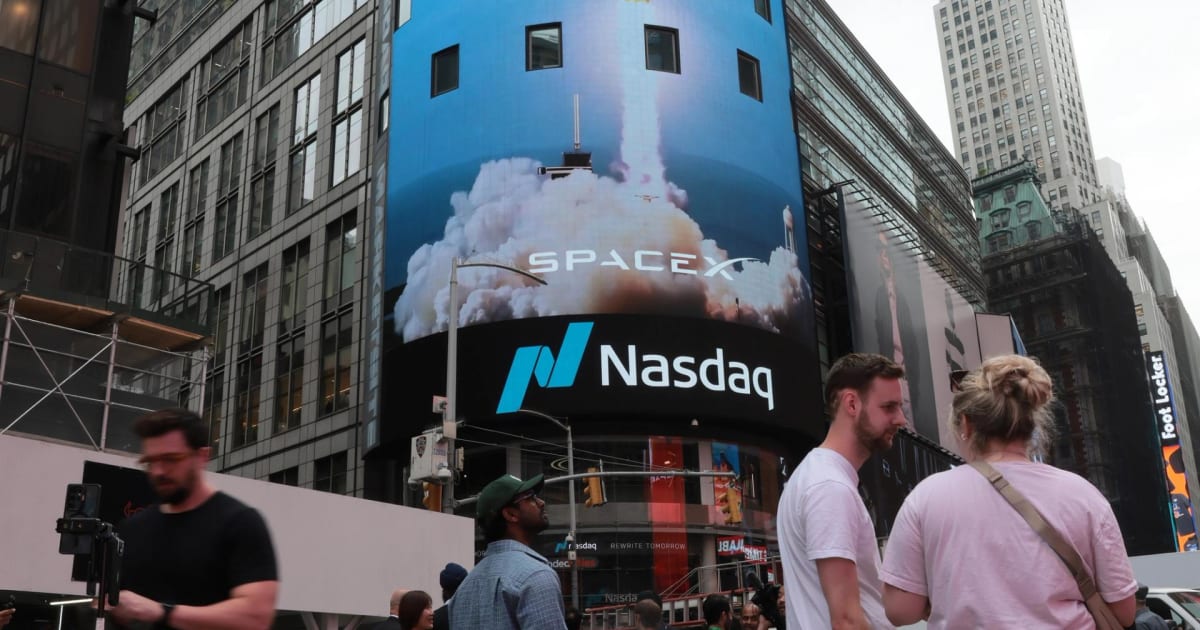
WelthWest Research Desk uncovers the groundbreaking implications of major US stocks, including tech titans Nvidia and Tesla, exploring on-chain tokenization. This pivotal move is set to redefine traditional asset ownership and liquidity. Our deep dive analyzes the ripple effects on the Indian stock market, pinpointing specific NSE/BSE winners and losers, and providing an actionable investor playbook to navigate this evolving landscape.
The On-Chain Revolution: US Equities Embrace Blockchain, India Watches Closely
A seismic shift is underway in global finance. Major US equities, including technology behemoths like Nvidia (NASDAQ: NVDA) and Tesla (NASDAQ: TSLA), are actively exploring or already implementing on-chain tokenization. This isn't merely a technological upgrade; it's a fundamental re-imagining of asset ownership, trading, and liquidity. For the Indian market, this development is not just a distant trend but a potent precursor to a significant transformation, signaling a new era of digital asset integration that promises both immense opportunities and novel challenges.
Historically, traditional finance has operated within siloed, often opaque, systems. The promise of blockchain, however, is to democratize access, enhance transparency, and fractionalize ownership of high-value assets, from real estate to blue-chip stocks. When a company like Nvidia, with a market capitalization exceeding $2.2 trillion, or Tesla, a $580 billion disruptor, begins to tokenize its shares, it sends an unmistakable signal: blockchain is no longer a niche technology but a foundational layer for the future of capital markets. This move is driven by the desire for increased liquidity beyond traditional trading hours, the potential for fractional ownership to lower investment barriers, and the operational efficiencies inherent in distributed ledger technology.
The urgency for Indian investors and policymakers to understand this trend cannot be overstated. While direct tokenization of Indian equities might be further down the regulatory road, the global momentum will inevitably influence domestic digital asset strategies, regulatory frameworks, and investment flows. We anticipate a significant uptick in interest and investment in Indian companies that are either building blockchain infrastructure, offering tokenization services, or strategically positioning themselves for this digital transformation.
What are the Deep Market Impacts for the Indian Stock Market?
The on-chain tokenization wave in the US will send tangible ripples through the Indian financial ecosystem, primarily through two channels: technological adoption and capital reallocation. The immediate impact won't be direct tokenization of NSE/BSE listed stocks, but rather a surge in demand for underlying blockchain technology, expertise, and digital asset infrastructure within India.
Consider the historical parallel of the dot-com boom. While Indian internet companies were nascent, the global surge in internet adoption led to massive investment in Indian IT services firms like Infosys (NSE: INFY) and TCS (NSE: TCS) as they became integral to building the digital backbone for global enterprises. Similarly, as US and European markets embrace tokenization, Indian tech services and financial technology (FinTech) companies are poised to become critical enablers. We expect a significant uplift in their blockchain-related service offerings and revenue streams.
The potential for increased liquidity and fractional ownership stemming from tokenization could also attract global capital seeking exposure to emerging markets through tokenized derivatives or structured products. While direct Indian equity tokenization faces regulatory hurdles, the global trend will accelerate the development of India's own digital asset infrastructure, likely spearheaded by private sector innovation and eventually, regulatory sandboxes. Companies with robust digital transformation initiatives and an early-mover advantage in blockchain integration will command premium valuations.
For instance, the global crypto market capitalization, currently hovering around $2.5 trillion, represents a significant pool of capital. As tokenized traditional assets bridge this divide, a portion of this capital could flow into regions demonstrating blockchain readiness. We project that Indian IT services companies with dedicated blockchain practices could see a 15-20% acceleration in their digital services revenue growth over the next 2-3 years, specifically from global clients seeking tokenization solutions. This compares favorably to their overall digital services growth which has been in the 12-15% range recently.
Which Indian Stocks Will Benefit from the Global Tokenization Trend?
The impending tokenization wave creates a distinct set of winners and losers within the Indian stock market. Our analysis points to specific sectors and companies that are strategically positioned to capitalize on this paradigm shift, along with those that face significant disintermediation risks.
- Infosys (NSE: INFY): As a global IT services giant, Infosys has been an early adopter and developer of enterprise blockchain solutions. Their Finacle blockchain framework is already being utilized by banks for various applications. As global financial institutions move towards tokenization, Infosys's expertise in building secure, scalable blockchain infrastructure and providing consulting services will be in high demand. We anticipate their blockchain-related revenue, currently a small but growing percentage of their overall digital services, to accelerate, potentially impacting their P/E ratio which currently stands at ~28x, by justifying a higher growth premium. Their established relationships with global financial clients make them a prime beneficiary.
- Tata Consultancy Services (NSE: TCS): Similar to Infosys, TCS has invested heavily in blockchain research and development. Their Quartz blockchain solution caters to capital markets, supply chain, and identity management. As tokenization gains traction, TCS's deep domain expertise in financial services and strong global client base position it favorably. We expect increased demand for their blockchain implementation services, contributing to their robust digital revenue growth. A 10-15% uptick in new blockchain project wins over the next 18-24 months is a plausible scenario.
- L&T Technology Services (NSE: LTTS): While primarily an engineering services company, LTTS has been expanding its digital engineering capabilities, including blockchain for industrial applications. As tokenization moves beyond just financial assets to real-world assets and supply chains, LTTS's expertise in integrating cutting-edge technology into complex systems will become invaluable. This could open up new revenue streams beyond their traditional industrial focus, diversifying their portfolio and potentially enhancing their valuation multiple (currently ~38x P/E).
- Persistent Systems (NSE: PERSISTENT): This mid-cap IT services firm has a strong focus on digital product engineering and enterprise modernization. They have been actively involved in blockchain projects for fintech clients. As tokenization solutions become more standardized, Persistent's agility and specialized focus on building innovative digital products will allow them to capture a significant share of the market, particularly for bespoke tokenization platforms and integration services. We foresee a potential 20-25% increase in their blockchain-related project pipeline in the coming quarters.
- HDFC Bank (NSE: HDFCBANK) / ICICI Bank (NSE: ICICIBANK): While initially appearing as potential 'losers' due to disintermediation, leading Indian private sector banks are actively exploring blockchain for interbank settlements, trade finance, and potentially future digital currency initiatives. Their early adoption of blockchain technology for internal efficiencies and their participation in regulatory sandboxes will be crucial. They stand to benefit from reduced operational costs and enhanced security if they successfully integrate tokenized assets into their offerings, rather than being completely bypassed. The 'fast follower' strategy here is key; those that innovate will thrive, those that resist will face pressure on their fee-based income.
Bear vs. Bull: Contrarian Views on Tokenization's Future
The narrative surrounding tokenization, while largely bullish, isn't without its detractors and cautious observers. Understanding these contrasting perspectives is crucial for a balanced investment strategy.
The Bears' Argument: Skeptics, often from traditional financial institutions, raise valid concerns about regulatory clarity, scalability, and security. They argue that the existing legal frameworks are ill-equipped to handle the complexities of tokenized securities, leading to prolonged uncertainty. Furthermore, current blockchain infrastructure, while evolving rapidly, may not possess the transactional throughput required for mainstream adoption of high-frequency trading in tokenized assets. They also point to the inherent volatility of crypto markets, suggesting that blending traditional assets with this technology could introduce systemic risk. The 'wild west' perception of crypto, they argue, will deter institutional investors until robust consumer protection and anti-money laundering (AML) frameworks are globally harmonized. A key bear argument is that the 'liquidity premium' of tokenization might be overstated, especially for already highly liquid assets like Nvidia or Tesla shares, and that the operational complexity of migrating to blockchain might outweigh the benefits in the near term.
The Bulls' Argument: Proponents, on the other hand, highlight the transformative potential. They envision a future where assets are traded 24/7, fractional ownership unlocks new investor demographics, and smart contracts automate compliance and dividends, drastically reducing costs. The increased transparency and immutability of blockchain records will enhance trust and reduce fraud. Furthermore, they argue that regulatory bodies are actively engaging with the technology, with initiatives like the European Union's MiCA regulation and various central bank digital currency (CBDC) explorations signaling a move towards structured adoption. The current technological limitations, they contend, are rapidly being addressed by Layer 2 solutions and more efficient consensus mechanisms. For illiquid assets, tokenization is a game-changer, but even for liquid assets, the operational efficiencies and new market access could yield significant alpha.
An Actionable Investor Playbook for the Tokenization Era
Navigating this evolving landscape requires a nuanced and forward-looking approach. WelthWest Research Desk recommends the following steps for Indian investors:
- Allocate to Blockchain Enablers (BUY): Focus on Indian IT services companies with demonstrated expertise and significant investments in enterprise blockchain solutions. Infosys (NSE: INFY), TCS (NSE: TCS), Persistent Systems (NSE: PERSISTENT), and L&T Technology Services (NSE: LTTS) are strong candidates. Consider entry points during market corrections to capitalize on their long-term growth trajectory. A long-term horizon (5+ years) is advisable given the foundational nature of this technological shift.
- Monitor FinTech Innovators (WATCH): Keep a close eye on Indian FinTech startups and established players that are actively developing digital asset platforms or exploring tokenization solutions for domestic assets. While direct investment might be limited to private markets initially, public market implications will emerge. Companies like NSE-listed CDSL (NSE: CDSL) or NSDL (unlisted) could explore blockchain for digital depositories, potentially enhancing their service offerings.
- Evaluate Traditional Financials' Digital Strategy (WATCH/HOLD): Assess how major Indian banks (e.g., HDFC Bank, ICICI Bank) are adapting their strategies to integrate blockchain and digital assets. Those with proactive digital transformation roadmaps and clear blockchain initiatives are better positioned. For those slow to adapt, their traditional fee-based income streams could face pressure in the long run.
- Consider Global Exposure (BUY via ETFs/Funds): For direct exposure to the global tokenization trend and companies like Nvidia and Tesla, consider investing in global technology ETFs or specific crypto/blockchain-focused funds that hold these innovators. This provides diversification and direct participation in the core event.
- Stay Informed on Regulatory Developments (WATCH): India's regulatory stance on cryptocurrencies and digital assets is evolving. Upcoming policy announcements from the RBI and SEBI regarding digital currencies, tokenized securities, and blockchain adoption will be critical catalysts. These developments could significantly impact the viability and speed of domestic tokenization initiatives.
Risk Matrix: Navigating the Uncertainties of Tokenization
While the opportunities are substantial, investors must be cognizant of the inherent risks:
- Regulatory Uncertainty (High Probability, Medium Impact): The lack of a harmonized global regulatory framework for tokenized securities poses the most significant near-term risk. Different jurisdictions may adopt varying approaches, creating fragmentation and hindering cross-border interoperability. In India, a clear regulatory roadmap is still emerging, which could delay domestic adoption.
- Technological Scalability and Security (Medium Probability, Medium Impact): While blockchain technology is advancing rapidly, concerns about the scalability of public blockchains for high-frequency trading and the potential for smart contract vulnerabilities or cyberattacks remain. A major security breach in a prominent tokenized asset platform could severely undermine investor confidence.
- Market Volatility and Liquidity (Medium Probability, High Impact): The integration of tokenized traditional assets into existing crypto markets could introduce unprecedented volatility, especially during initial phases of adoption. While tokenization aims to increase liquidity, fragmented markets or insufficient demand could lead to illiquidity for certain tokenized assets, particularly those with smaller underlying market caps.
- Disintermediation Risk for Traditional Players (High Probability, Medium Impact): Existing financial intermediaries, such as brokers, custodians, and clearing houses, face significant disintermediation if tokenization fully takes hold. Companies slow to adapt their business models or integrate blockchain solutions risk losing market share and relevance.
What to Watch Next: Catalysts and Key Dates
The tokenization narrative is dynamic, with several upcoming catalysts and data releases poised to shape its trajectory:
- Q3/Q4 2024 Earnings Calls of US Tech Giants: Pay close attention to Nvidia and Tesla's earnings calls for any specific updates on their tokenization initiatives, partnerships, or projected benefits. Comments from management will provide crucial insights into the pace and scale of adoption.
- Global Regulatory Updates (Ongoing): Monitor announcements from the Financial Stability Board (FSB), Bank for International Settlements (BIS), and individual central banks (especially RBI) regarding digital asset frameworks, stablecoin regulations, and CBDC pilots. The G20's stance on global crypto regulation will also be a key indicator.
- SEBI/RBI Consultations on Digital Assets (Likely H2 2024): Any public consultation papers or expert committee reports from Indian regulators on tokenized securities, blockchain in capital markets, or digital currencies will be pivotal for the domestic market.
- Blockchain Infrastructure Innovations (Ongoing): Track advancements in Layer 2 scaling solutions (e.g., Ethereum's Dencun upgrade impact), zero-knowledge proofs, and enterprise blockchain platforms (e.g., Hyperledger, Corda) that address scalability, privacy, and interoperability challenges.
- Major Institutional Pilot Programs (Ongoing): News of significant traditional financial institutions (banks, asset managers) launching large-scale pilot programs for tokenized bonds, funds, or real estate will signal increasing institutional acceptance and operational readiness.
The tokenization of US equities is not merely a technical footnote; it's a harbinger of a more interconnected, efficient, and potentially more volatile global financial system. Indian investors who understand these shifts, identify the key players, and position themselves strategically will be best equipped to capitalize on the profound opportunities ahead.
Run a free AI Stock Screen
Our algorithmic screener scores any NSE/BSE stock on fundamentals, momentum, and risk — free to try, no card needed.
Try the AI Screener →Have questions about this story?
Ask Welth, our finance-focused AI research assistant, for a deeper breakdown — free trial included.
Chat with Welth AI →Disclaimer: This content is generated by WelthWest Research Desk based on publicly available reports and is for informational purposes only. It does not constitute financial advice, investment recommendations, or an offer to buy or sell securities. Always consult a qualified financial advisor before making investment decisions.