Key Takeaway
The cooling of geopolitical tensions in the Middle East acts as a massive tailwind for India’s macro stability. Investors should pivot toward downstream oil consumers and margin-sensitive sectors while trimming exposure to upstream exploration plays.
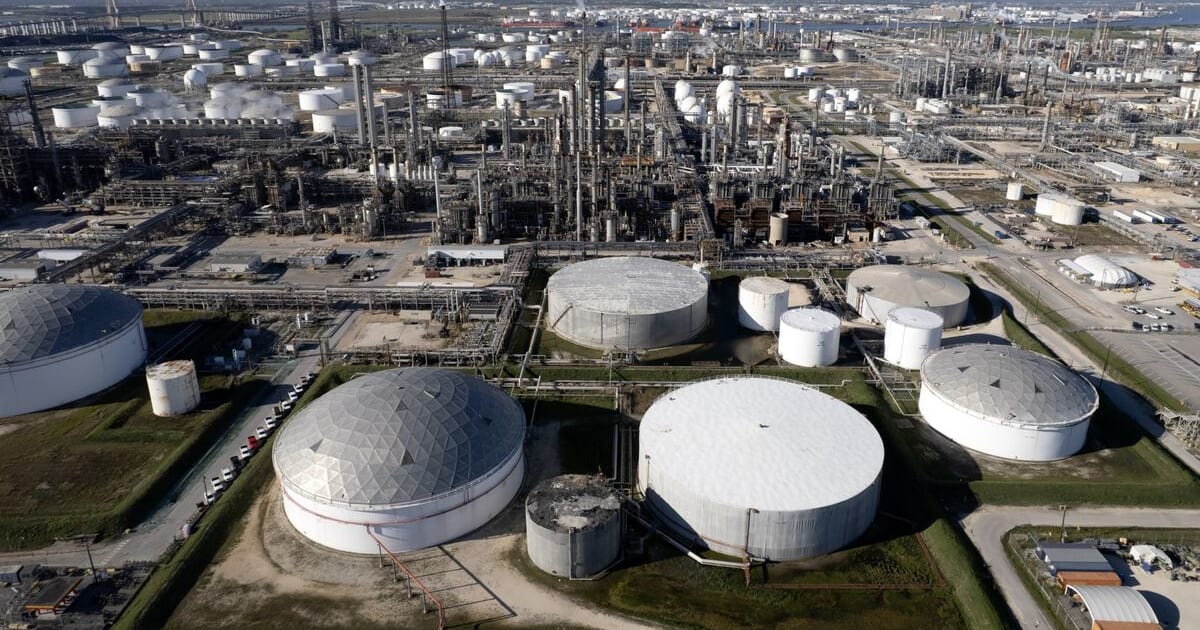
As crude oil prices hit multi-month lows following reports of a US-Iran diplomatic breakthrough, India stands to gain significantly as a major net importer. This shift improves the Current Account Deficit and provides the RBI with much-needed room for monetary easing. We analyze the sectoral winners and losers to help you navigate this shifting market landscape.
The Geopolitical Pivot: Why Crude Oil is Reversing Course
For the Indian economy, crude oil is the single most important variable in the macro-financial equation. When Brent crude prices retreat, the ripple effects are felt across the entire Nifty 50 index. The latest reports of a potential de-escalation between the United States and Iran have triggered a sharp sell-off in global energy markets, marking a critical inflection point for investors.
Historically, when oil prices drop by 10-15%, India’s import bill shrinks by billions, directly strengthening the Rupee and curbing imported inflation. During the 2022 energy crisis, the Nifty surged whenever the price of the Indian Basket of crude showed signs of stabilizing. Today, we are seeing a similar, albeit more rapid, correction. This isn't just a tactical dip; it is a structural relief for the domestic manufacturing and aviation sectors.
How will the drop in oil prices affect India's inflation and RBI policy?
The primary beneficiary of cheaper oil is the RBI’s monetary policy committee. With inflation cooling due to lower logistics and energy costs, the central bank gains the flexibility to pivot from a 'withdrawal of accommodation' stance toward potential rate cuts. For the banking sector, this is a dual win: reduced inflationary pressure preserves purchasing power, and potential rate cuts lower the cost of capital, fueling credit growth.
The Sectoral Breakdown: Winners and Losers
The market impact is binary. We see a clear divergence between companies that consume oil and those that extract it.
The Winners: Margin Expansion Plays
- Aviation (InterGlobe Aviation/IndiGo): ATF (Aviation Turbine Fuel) accounts for nearly 40% of an airline’s operating cost. A sustained decline in oil prices directly translates into bottom-line expansion, making IndiGo a primary beneficiary.
- Oil Marketing Companies (IOCL, BPCL, HPCL): These companies benefit from 'marketing margins'—the difference between the retail price and the cost of crude. When oil prices fall, these OMCs see their net realization improve significantly.
- FMCG and Logistics: Companies with heavy distribution networks, such as Asian Paints and various FMCG giants, benefit from lower freight costs, which bolsters operating margins by 50-100 basis points.
- Tyre Manufacturers (MRF, Apollo Tyres): Crude oil derivatives are a major input cost for synthetic rubber. Falling oil prices directly reduce the cost of goods sold (COGS).
The Losers: Upstream Exploration
- ONGC & Oil India: These companies see their 'net realization' drop as the price of the crude they extract falls. Their profitability is intrinsically linked to global benchmarks, making them vulnerable to this de-escalation.
Stock-by-Stock Analysis: Where to Allocate Capital?
1. BPCL (NSE: BPCL): With a P/E ratio currently sitting in an attractive range, BPCL is the ultimate play on retail margin expansion. As crude price volatility drops, the OMC's ability to maintain marketing margins improves, potentially leading to a dividend yield hike.
2. Asian Paints (NSE: ASIANPAINT): Paint companies are highly sensitive to crude-linked solvent prices. With raw material costs trending down, look for a significant expansion in EBITDA margins in the upcoming quarterly results.
3. ONGC (NSE: ONGC): While we remain cautious, ONGC’s massive cash reserves and dividend profile act as a floor. However, investors expecting a price surge in the stock should manage expectations as the top-line revenue faces downward pressure from global crude prices.
4. InterGlobe Aviation (NSE: INDIGO): Trading at high valuations, this stock is a 'high-beta' play on this news. If oil stays low for two consecutive quarters, the profitability surge could justify its premium P/E multiple.
Expert Perspective: The Bull vs. Bear Case
The Bull Argument: The de-escalation creates a 'Goldilocks' scenario for India. Lower oil prices lower the CAD, stabilize the Rupee, and boost corporate earnings across the board. The Nifty could see a structural re-rating as foreign institutional investors (FIIs) view India as a major beneficiary of global energy stability.
The Bear Argument: The bear case rests on the 'fragility of peace.' If the US-Iran deal collapses, the reversal in oil prices will be violent. Furthermore, some analysts argue that if oil prices drop too far, it signals a global recession, which would hurt demand for Indian exports, negating the gains from cheaper oil.
The Actionable Investor Playbook
- Immediate Term (1-3 Months): Increase exposure to OMCs (BPCL/IOCL). These stocks usually react fastest to crude price drops.
- Medium Term (6-12 Months): Accumulate FMCG and Paint stocks. The margin expansion will reflect in their P&L statements with a one-quarter lag.
- Risk Management: Keep a tight stop-loss on upstream stocks like ONGC. If you are a long-term dividend investor, view the dip as an opportunity to average down, but avoid aggressive buying until the geopolitical situation stabilizes.
Risk Matrix
- Geopolitical Reversal (High Probability): A sudden collapse in talks could spike oil prices by 10% in 48 hours.
- Currency Risk (Medium Probability): If the USD strengthens due to global uncertainty, the benefit of lower oil prices for India is partially offset.
- Demand Destruction (Low Probability): A global recession could lead to lower oil prices, but for the wrong reasons (lack of economic activity).
What to Watch Next
Investors should monitor the OPEC+ meeting minutes and US Department of Energy (DOE) inventory reports over the next 14 days. These data points will confirm if the supply surplus is real or if market participants are simply reacting to headlines. Any commentary from the Iranian Oil Ministry regarding production quotas will be the ultimate signal of the deal's longevity.
See IOCL's AI Score
Our algorithmic screener scores IOCL on fundamentals, momentum, and risk — free to try, no card needed.
Try the AI Screener →Have questions about this story?
Ask Welth, our finance-focused AI research assistant, for a deeper breakdown — free trial included.
Chat with Welth AI →Disclaimer: This content is generated by WelthWest Research Desk based on publicly available reports and is for informational purposes only. It does not constitute financial advice, investment recommendations, or an offer to buy or sell securities. Always consult a qualified financial advisor before making investment decisions.