Key Takeaway
The RBI is curbing speculative retail leverage while boosting bank liquidity, signaling a shift toward market stability over high-octane growth. Expect a cooling in retail-led volume but enhanced operational efficiency for major clearing houses.
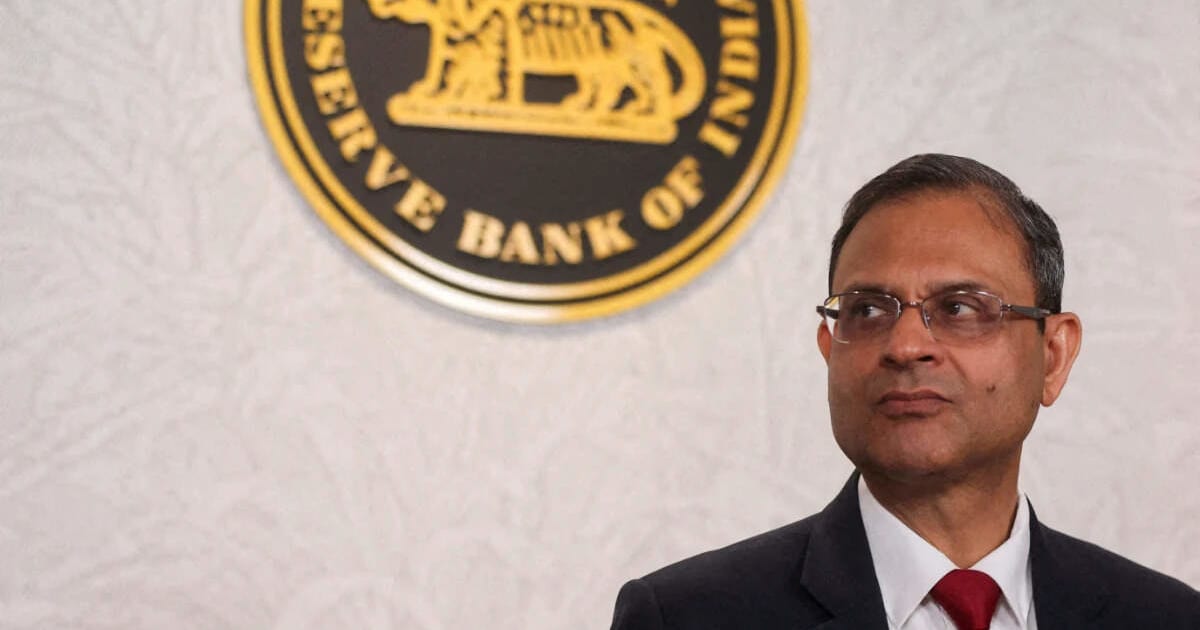
The Reserve Bank of India has introduced a strategic dual-policy shift, capping retail loans against shares at Rs 1 crore while easing capital requirements for clearing banks. This move aims to insulate the financial system from speculative froth. Here is how this regulatory pivot reshapes the landscape for banks, brokers, and retail investors.
The RBI’s Strategic Pivot: Stability Over Speculation
In a move that caught the trading desks of Dalal Street off guard, the Reserve Bank of India (RBI) has pulled a classic 'carrot and stick' maneuver. By capping retail loans against shares at a system-wide limit of Rs 1 crore and simultaneously providing a breather on capital norms for clearing operations, the central bank is effectively trying to take the heat out of the kitchen without turning off the stove.
For months, regulators have been watching with concern as retail participation in the derivatives and margin-funding space reached a fever pitch. This new mandate is the central bank’s way of saying: 'Speculate with your own capital, not with systemic leverage.'
The Market Impact: Cooling the Speculative Fires
The Indian stock market has thrived on the back of aggressive retail participation. However, margin funding—loans taken to buy more stocks—creates a 'house of cards' risk. When markets dip, margin calls trigger forced selling, which in turn drags the market down further. By capping these loans, the RBI is effectively creating a circuit breaker for systemic fragility.
While this might lead to a temporary dip in trading volumes, it is a net positive for market quality. We are likely to see a shift from high-frequency, leveraged retail trading toward more fundamental-driven long-term investing. The deferral of capital norms until July 1 is a strategic tactical retreat, giving banks the breathing room they need to adjust their balance sheets without causing a liquidity crunch.
Winners and Losers: Who Needs to Pivot?
The Winners:
- Public and Private Sector Banks: Giants like HDFC Bank, ICICI Bank, and State Bank of India (SBI) stand to benefit from the easing of capital requirements for clearing operations. Their role as clearing members becomes less capital-intensive, allowing them to deploy capital more efficiently elsewhere.
- Stock Exchange Ecosystem: Companies like BSE Ltd and Multi Commodity Exchange (MCX) are clear beneficiaries. As the clearing process becomes smoother and more cost-effective for banks, the overall robustness of the exchange infrastructure improves, attracting more institutional confidence.
The Losers:
- Non-Banking Financial Companies (NBFCs): Smaller players heavily reliant on the margin funding business are in the crosshairs. Their revenue models, which depend on high-volume retail leverage, will face significant margin pressure.
- High-Net-Worth Speculators: The 'leverage junkies' who use massive credit lines to play the market will find their liquidity restricted, forcing them to deleverage their portfolios.
Investor Insight: What to Watch Next
The real story here is the RBI’s focus on quality of liquidity over quantity. Investors should keep a close eye on the brokerage sector. Banks that derive a significant portion of their fee income from margin-funding interest may see a slight dip in short-term earnings. However, the trade-off is a more resilient banking system.
Watch for the July 1 deadline. As we move closer to the implementation of the deferred capital norms, look for banks to begin restructuring their risk-weighted assets. This is not just a regulatory update; it is a fundamental shift in how credit enters the Indian equity market.
Risks: The Double-Edged Sword
While the RBI’s move is intended to prevent a crash, it carries inherent risks. A sudden reduction in retail leverage can dampen market enthusiasm, potentially leading to lower liquidity in mid-cap and small-cap stocks. Furthermore, while the deferral of capital norms provides temporary relief, it essentially kicks the can down the road. If the market environment deteriorates significantly by July, banks might face a 'double whammy' of tighter retail lending and stricter capital requirements simultaneously.
For the average investor, the message is clear: The era of easy, highly leveraged retail trading is being reined in. Focus on companies with strong balance sheets and less reliance on speculative fee-based income. The market is maturing, and your strategy should, too.
See HDFC Bank's AI Score
Our algorithmic screener scores HDFC Bank on fundamentals, momentum, and risk — free to try, no card needed.
Try the AI Screener →Have questions about this story?
Ask Welth, our finance-focused AI research assistant, for a deeper breakdown — free trial included.
Chat with Welth AI →Disclaimer: This content is generated by WelthWest Research Desk based on publicly available reports and is for informational purposes only. It does not constitute financial advice, investment recommendations, or an offer to buy or sell securities. Always consult a qualified financial advisor before making investment decisions.