Key Takeaway
The RBI’s pivot to prioritize domestic growth over currency defense signals a sustained period of stable borrowing costs. This shift effectively provides a 'growth floor' for credit-sensitive sectors, insulating them from the volatility of global forex markets.
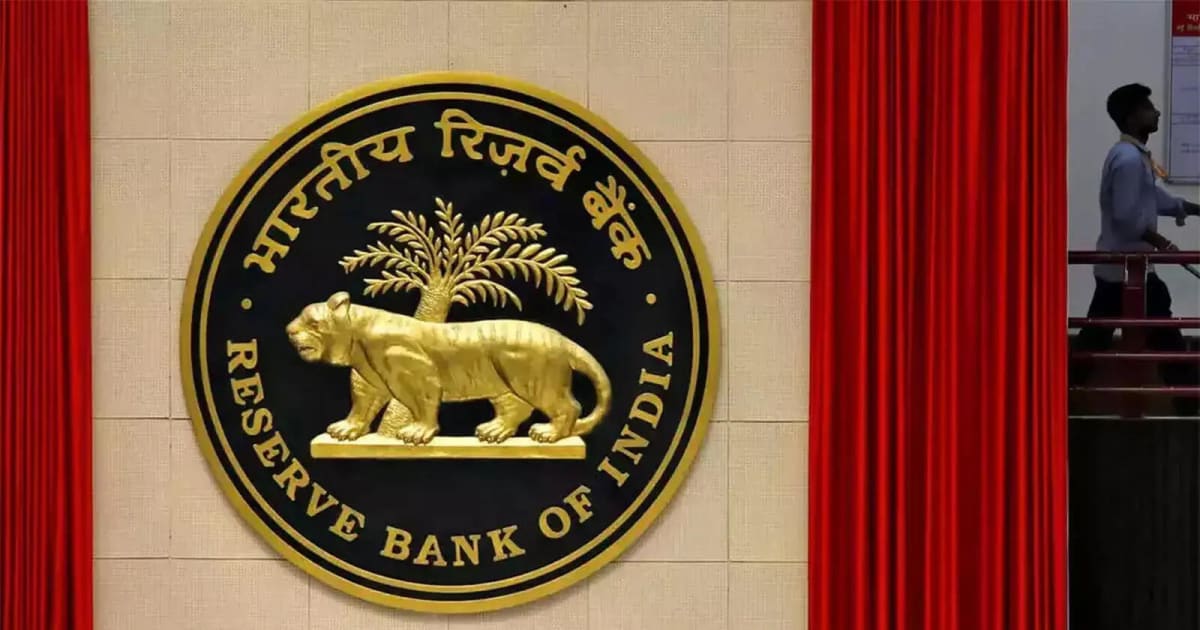
In a decisive policy shift, the Reserve Bank of India has signaled it will no longer utilize interest rate hikes as a primary tool to defend the rupee. By prioritizing domestic growth and inflation management over currency stability, the central bank has set the stage for a period of predictable liquidity. This analysis explores the implications for Indian equity markets, specifically banking and infrastructure sectors.
The End of the Currency-Rate Link: What the RBI Pivot Means for You
For years, the Reserve Bank of India (RBI) has operated under the shadow of the 'impossible trinity'—the economic theory suggesting a nation cannot simultaneously have a fixed exchange rate, free capital movement, and an independent monetary policy. Historically, the RBI danced to the rhythm of the US Federal Reserve, hiking rates in lockstep to prevent capital flight and currency depreciation. That era has officially ended.
By decoupling interest rate policy from currency defense, the RBI is making a bold bet: that India’s domestic economic momentum is robust enough to withstand external headwinds. This isn't just a policy tweak; it is a fundamental shift in the central bank's operating philosophy, signaling that the 'cost of money' will be determined by internal inflation data and GDP growth metrics rather than the daily fluctuations of the USD/INR pair.
How will the RBI's interest rate strategy affect bank stocks?
The banking sector is the primary beneficiary of this decoupling. When central banks use rate hikes to defend currencies, they inadvertently spike the cost of funds, squeezing Net Interest Margins (NIMs) and slowing credit off-take. By signaling that rates will remain steady despite currency volatility, the RBI provides a predictable environment for banks to manage their Asset-Liability Mismatches (ALM).
For lenders like HDFC Bank (HDFCBANK) and ICICI Bank (ICICIBANK), this stability is a massive tailwind. With credit growth hovering in the 14-16% range, the absence of aggressive rate hikes ensures that the 'cost of credit' remains accessible for retail and SME borrowers, keeping the Non-Performing Asset (NPA) cycle under control. Historically, when the RBI maintains a neutral-to-dovish stance during global tightening cycles, the Nifty Bank index has outperformed the broader Nifty 50 by an average of 4-6% over a six-month horizon.
Deep Market Impact Analysis: The Structural Shift
The Indian stock market has long been sensitive to the 'imported inflation' narrative. However, the RBI’s current stance suggests that it is willing to tolerate moderate currency depreciation to ensure that real interest rates do not become excessively restrictive. This is a classic pro-growth maneuver.
Consider the data: In 2022, the RBI was forced into a hawkish stance to defend the rupee as global commodity prices skyrocketed. This led to a compression in P/E multiples for high-beta sectors like real estate and auto. Today, with the central bank signaling that it will prioritize domestic inflation over forex intervention, we are witnessing a pivot back toward cyclical growth. The market is beginning to price in a 'soft landing' for domestic borrowing costs, even if global central banks remain hawkish for longer.
Stock-by-Stock Breakdown
- HDFC Bank (HDFCBANK): As the largest private lender, it stands to benefit from sustained credit demand. With a P/E ratio currently trading at a discount to its 5-year historical average, the stability in borrowing costs makes it a prime candidate for institutional accumulation.
- ICICI Bank (ICICIBANK): Having successfully cleaned up its balance sheet, ICICI is positioned to capture market share in retail loans. Stable rates mean lower provisioning costs, directly boosting bottom-line profitability.
- State Bank of India (SBIN): The proxy for the Indian economy. As the RBI maintains liquidity, SBI’s massive deposit base allows it to maintain a competitive edge in corporate lending without the need for aggressive deposit rate hikes.
- DLF (DLF): Real estate is highly interest-rate sensitive. A stable rate environment keeps mortgage demand robust. DLF’s healthy balance sheet and low debt-to-equity ratio make it a high-conviction play in this environment.
- Maruti Suzuki (MARUTI): Auto sales are driven by consumer sentiment and financing costs. By decoupling, the RBI ensures that the 'financing' component of the auto-buying decision remains stable, supporting Maruti’s volume growth.
- Larsen & Toubro (LT): Infrastructure is capital-intensive. Stable interest rates are a boon for L&T’s project execution margins, as it reduces the interest expense burden on its massive order book.
Expert Perspective: The Bull vs. Bear Debate
The Bull Case: Proponents argue that the RBI’s maturity in handling forex volatility through direct market intervention (selling dollars) rather than rate hikes is a sign of a maturing economy. They point to India’s record-high forex reserves (exceeding $600 billion) as the ultimate shield against currency crises, allowing the RBI to keep interest rates supportive of the domestic growth trajectory.
The Bear Case: Skeptics, however, warn of 'Imported Inflation.' If the rupee depreciates significantly, the landed cost of crude oil and essential commodities will rise, eventually feeding into the CPI (Consumer Price Index). If inflation breaches the RBI’s upper tolerance band of 6%, the central bank may be forced into an emergency pivot, which could trigger a sharp market correction.
Actionable Investor Playbook
Investors should look to increase exposure to credit-sensitive sectors while reducing reliance on import-heavy manufacturing firms that lack pricing power.
- Accumulate Banking & NBFCs: Focus on private lenders with high Current Account Savings Account (CASA) ratios.
- Monitor Real Estate: Look for developers with strong balance sheets and high pre-sales velocity.
- Hedge Against Depreciation: Maintain a small allocation to export-oriented IT stocks (e.g., TCS, Infosys) as a natural hedge against rupee weakness, while keeping the core portfolio focused on domestic growth cyclicals.
Risk Matrix
- Persistent Currency Depreciation (Probability: Medium): If the rupee hits record lows against the USD, the RBI may be forced to backtrack. Impact: High volatility in banking stocks.
- Global Commodity Spike (Probability: Low-Medium): A sudden surge in oil prices would exacerbate inflation, undermining the RBI's ability to maintain low rates. Impact: Negative for auto and manufacturing.
- US Fed 'Higher for Longer' (Probability: High): Continued high US yields could keep the USD strong, putting pressure on the RBI’s reserves. Impact: Potential foreign portfolio investor (FPI) outflows.
What to Watch Next
Investors must keep a close eye on the upcoming RBI Monetary Policy Committee (MPC) meeting minutes for any nuance regarding 'liquidity management.' Furthermore, watch for the monthly CPI inflation prints; any reading above 5.5% will be the first test of this new policy framework. Finally, monitor the USD/INR exchange rate—if the rupee enters a period of free-fall, the market will look for the RBI to intervene directly via dollar selling before it ever considers a rate hike.
See HDFC Bank's AI Score
Our algorithmic screener scores HDFC Bank on fundamentals, momentum, and risk — free to try, no card needed.
Try the AI Screener →Have questions about this story?
Ask Welth, our finance-focused AI research assistant, for a deeper breakdown — free trial included.
Chat with Welth AI →Disclaimer: This content is generated by WelthWest Research Desk based on publicly available reports and is for informational purposes only. It does not constitute financial advice, investment recommendations, or an offer to buy or sell securities. Always consult a qualified financial advisor before making investment decisions.