Key Takeaway
The synchronized recovery in crypto and AI-linked equities signals a definitive return of global risk appetite. For Indian investors, this creates a tactical window to rotate capital into high-beta IT services before FII inflows accelerate.

Global risk-on sentiment is back, fueled by a rebound in Bitcoin and AI-focused tech stocks. This shift is historically a precursor to increased Foreign Institutional Investor (FII) interest in India's technology sector. We analyze why TCS, Infosys, and mid-cap IT players are now at the center of the next market rotation.
The Great Rotation: Why Global Risk-On Sentiment Matters for India
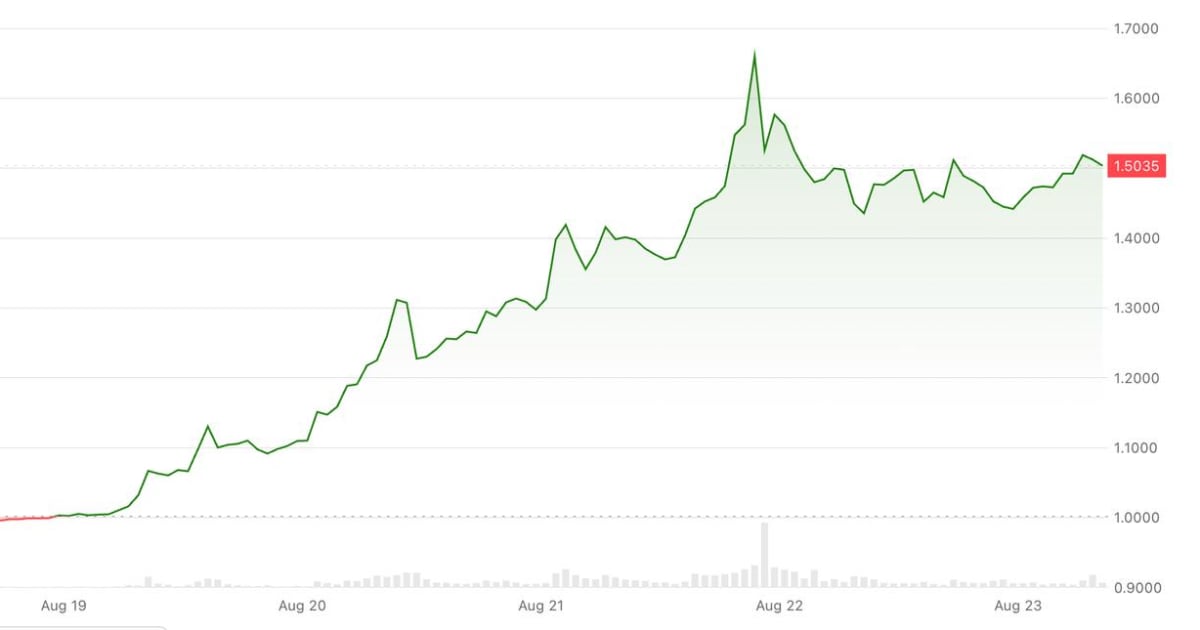
The global financial landscape is undergoing a structural shift. After a period of defensive posturing, capital is aggressively flowing back into growth-oriented assets. The simultaneous rebound of Bitcoin above the $60,000 threshold and the resurgence of AI-linked tech stocks in the US is not a coincidence; it is a signal of returning investor confidence in high-beta, innovation-driven sectors.
For the Indian markets, this macro-correlation is critical. Historically, when global liquidity seeks risk, it finds its way into the Nifty IT index. We are currently observing the early stages of a rotation that could see significant FII inflows targeting the Indian technology landscape, which has been arguably undervalued throughout the recent defensive cycle.
How Does the Bitcoin-AI Correlation Affect Indian IT Stocks?
The correlation between crypto-assets and AI-tech stocks acts as a proxy for 'Global Risk Appetite.' When Bitcoin rallies, it indicates that investors are comfortable moving out of safe-haven assets like gold and into volatile, growth-focused equities. In the Indian context, this capital rotation typically benefits the IT sector, which acts as the primary beta-play for international institutional investors.
When the DXY (US Dollar Index) weakens, FIIs look to emerging markets to capture alpha. Our analysis suggests that the current tech-led rebound in the US will likely trigger a valuation repricing in NSE-listed IT firms, as investors look to capitalize on the AI-driven modernization cycle that these companies are currently delivering.
Stock-by-Stock Breakdown: Who Wins in the Risk-On Environment?
1. Tata Consultancy Services (TCS)
As the anchor of the Nifty IT index, TCS (Market Cap: ~₹15.8 Lakh Crore) is the primary beneficiary of institutional buying. With a P/E ratio hovering around 30x, TCS offers stability coupled with the scale required to handle enterprise-level AI integration. When risk appetite surges, large-cap anchors like TCS are the first to receive institutional allocations.
2. Infosys (INFY)
Infosys has successfully pivoted its service offerings toward 'Topaz,' its generative AI suite. As global firms increase their digital infrastructure spend, Infosys is positioned to capture high-margin contracts. Watch for institutional accumulation if the Nifty IT index sustains above its 200-day moving average.
3. Persistent Systems (PERSISTENT)
Often considered the 'alpha' play in the mid-cap space, Persistent Systems has shown extreme sensitivity to tech-cycle shifts. Their deep expertise in software engineering and AI implementation makes them a favorite for investors seeking higher growth rates than the larger peers can offer.
4. Zomato (ZOMATO)
While not a traditional IT service company, Zomato is a high-beta 'tech-adjacent' stock. In a risk-on environment, investors ignore traditional valuation metrics like P/E and focus on growth and market dominance. Expect Zomato to outperform as risk appetite returns to the broader Indian tech ecosystem.
Expert Perspective: The Bull vs. Bear Case
The Bull Case: Bulls argue that the AI super-cycle is in its infancy. With global enterprises moving from AI 'experimentation' to 'production,' Indian IT firms are set to see a margin expansion cycle that hasn't been priced in yet.
The Bear Case: Bears highlight that the recovery is fragile. Any hawkish rhetoric from the Fed regarding sticky inflation could lead to a rapid 'risk-off' event, causing high-beta stocks to surrender their gains just as quickly as they were earned.
Actionable Investor Playbook
We recommend a 'Barbell Strategy' for the current market cycle:
- Core Holding: Maintain positions in large-cap IT (TCS/INFY) for dividend yield and institutional stability.
- Tactical Alpha: Allocate 15-20% of your tech portfolio to high-growth mid-caps like Persistent Systems to capture upside momentum.
- Risk Management: If the Nifty IT index breaks below its immediate support levels, hedge using long-dated put options or rotate back into defensive FMCG stocks.
Risk Matrix
- US Inflation Rebound (Probability: Moderate): A resurgence in CPI data could force the Fed to maintain higher rates, crushing the growth-stock narrative.
- Geopolitical Instability (Probability: Low): Unforeseen global conflicts typically drive capital back into gold and USD, draining liquidity from IT stocks.
- Earnings Miss (Probability: Moderate): If Q3/Q4 earnings for major IT firms show slowing deal flow, the current rally may face a correction regardless of macro sentiment.
What to Watch Next
Investors should keep a close eye on the upcoming US Non-Farm Payrolls (NFP) data and the FOMC meeting minutes. These events will dictate the trajectory of the DXY. If the US dollar remains soft, expect the Indian IT sector to outperform the broader Nifty 50 over the next two quarters.
See TCS's AI Score
Our algorithmic screener scores TCS on fundamentals, momentum, and risk — free to try, no card needed.
Try the AI Screener →Have questions about this story?
Ask Welth, our finance-focused AI research assistant, for a deeper breakdown — free trial included.
Chat with Welth AI →Disclaimer: This content is generated by WelthWest Research Desk based on publicly available reports and is for informational purposes only. It does not constitute financial advice, investment recommendations, or an offer to buy or sell securities. Always consult a qualified financial advisor before making investment decisions.