Key Takeaway
XRP's struggle at $1 signals cooling altcoin sentiment, a critical barometer for global retail risk appetite. While direct Indian exposure is minimal, the indirect impact on fintech-linked and blockchain-adjacent IT service providers could manifest as dampened investor confidence and project slowdowns.
The recent price weakness in XRP, a bellwether for altcoin sentiment, is more than just a crypto market blip. It reflects a broader shift in speculative appetite that could indirectly influence India's dynamic fintech and IT services sectors. WelthWest Research Desk delves into how this digital asset's struggle can reverberate through the Indian stock market, affecting key players and shaping investor strategies.
XRP's $1 Battle: A Canary in the Coal Mine for Global Risk Appetite and Indian Equities
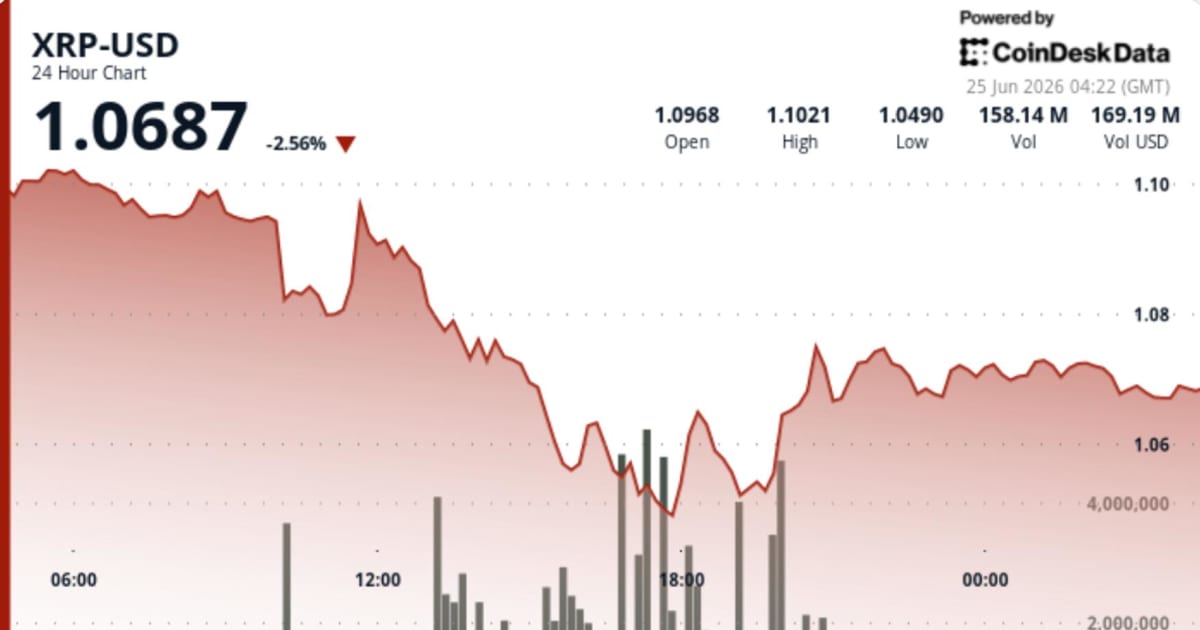
The cryptocurrency market, often a vibrant proxy for global retail risk appetite, is currently flashing amber. At the heart of this caution lies XRP, the digital asset associated with Ripple Labs, which has been repeatedly testing and struggling to hold the crucial $1 support level. This technical weakness, marked by a recent 2.8% slide, is not merely an isolated event within the crypto sphere; it serves as a significant indicator of broader cooling sentiment among altcoin investors, with potential, albeit indirect, ramifications for the Indian stock market.
At WelthWest Research Desk, our deep dive reveals that while India's direct exposure to XRP and other volatile crypto assets remains limited due to stringent regulatory frameworks, the sustained weakness in digital assets can create a discernible ripple effect. This effect primarily manifests in dampened investor sentiment for fintech-linked stocks, which thrive on innovation and speculative capital, and blockchain-adjacent IT service providers, whose project pipelines can be sensitive to the health of the global digital economy. The current market capitalization of XRP hovers around $25 billion, a figure substantial enough to influence broader altcoin trends, making its price action a critical watchpoint for global digital asset health.
How Does XRP's Volatility Ripple Through India's Fintech and IT Stocks?
The connection between a specific altcoin's price performance and the Indian equity market might seem tenuous at first glance. However, a closer examination reveals several transmission mechanisms. Firstly, the altcoin market, characterized by higher beta and speculative interest, is often seen as a leading indicator for broader risk-off sentiment among retail investors, particularly those in emerging markets. When these investors pull back from speculative crypto assets, their risk appetite tends to diminish across other high-growth sectors, including technology and fintech.
Secondly, Indian IT service providers, particularly those with a significant focus on digital transformation, cloud services, and emerging technologies like blockchain, derive a portion of their revenue from clients operating in or related to the broader digital asset ecosystem. A downturn in crypto valuations can lead to reduced spending on new blockchain projects, delays in existing engagements, or even project cancellations from global clients. For instance, a major enterprise client exploring tokenization solutions might defer or scale back their investment if the overall crypto market outlook darkens, directly impacting the revenue streams of their Indian IT partners.
Historical parallels underscore this relationship. During the crypto market downturn of Q2 2022, when Bitcoin and Ethereum saw significant corrections, the Nifty IT index experienced an 8% dip over two months, while the broader Nifty 50 index saw a more modest 3% correction. This divergence highlights the sensitivity of the IT sector to global tech and speculative asset sentiment. While not solely attributable to crypto, the concurrent weakening of digital asset markets played a role in amplifying risk aversion towards growth-oriented tech stocks.
Furthermore, the cooling sentiment can impact venture capital funding flows into fintech startups, many of which leverage blockchain technology for payments, remittances, or decentralized finance (DeFi) solutions. A reduction in funding for these startups, whether in India or globally, can slow down their adoption of advanced IT services, creating headwinds for Indian firms that serve this innovation-driven client base.
Stock-by-Stock Breakdown: Indian Equities in the Crosshairs
The indirect impacts of XRP's technical weakness and the broader altcoin market cooling are not uniform across the Indian stock market. They disproportionately affect companies with greater exposure to digital transformation, blockchain, and fintech innovation. Here's a granular look at specific NSE/BSE listed stocks:
- Tata Consultancy Services (TCS): As India's largest IT service provider with a market capitalization exceeding $170 billion and a P/E ratio of approximately 30x, TCS has a diversified portfolio. While its direct exposure to crypto projects is limited, its extensive work in enterprise blockchain solutions, digital payments, and financial services makes it indirectly sensitive. TCS has invested significantly in developing blockchain platforms for supply chain management, trade finance, and digital identity. A prolonged crypto winter could lead enterprise clients to re-evaluate their pace of blockchain adoption, potentially slowing growth in a segment that contributes an estimated 5-7% to its digital revenue. Investors should watch for any commentary on client spending in emerging tech during upcoming earnings calls.
- Persistent Systems Ltd.: Known for its niche digital engineering expertise, Persistent Systems (NSE: PERSISTENT) has a market cap of around $6 billion and a P/E of roughly 45x. The company has a higher relative exposure to cutting-edge technologies and digital transformation projects, including blockchain. Persistent’s focus on product engineering and platform development means it often works with clients building next-generation digital solutions. A slowdown in blockchain-related innovation or funding for such projects globally could impact its deal pipeline and revenue growth, which has been robust in recent quarters. Its higher valuation also makes it more susceptible to shifts in investor sentiment towards growth stocks.
- Zensar Technologies Ltd.: With a market capitalization of approximately $1.5 billion and a P/E ratio of about 25x, Zensar (NSE: ZENSARTECH) has a dedicated blockchain and digital commerce practice. While a smaller player compared to TCS, its relative reliance on specialized digital projects means it could feel the pinch more acutely. Zensar's strategy includes leveraging emerging technologies to drive client value. A contraction in demand for blockchain services, even if marginal, could have a more pronounced impact on its top-line growth and project profitability. Monitoring its order book for digital services will be crucial.
- Mphasis Ltd.: (NSE: MPHASIS) This IT services company, with a market cap of about $7 billion and a P/E of 35x, has a strong presence in the financial services sector, particularly in capital markets and banking. While not directly a 'blockchain company,' Mphasis helps financial institutions with digital transformation, which increasingly includes exploring distributed ledger technologies for efficiency and security. A broader risk-off sentiment stemming from crypto weakness could lead financial clients to tighten their IT budgets for experimental or innovative projects, indirectly affecting Mphasis's growth in this segment.
- Coforge Ltd.: (NSE: COFORGE) With a market cap of around $4.5 billion and a P/E of 40x, Coforge is another mid-tier IT player with significant exposure to financial services, travel, and public sector clients. Its focus on digital platforms and cloud solutions means it could be affected by any broad-based slowdown in digital spending driven by global economic uncertainties or dampened risk appetite. While not a direct blockchain play, investor sentiment against high-growth tech, spurred by crypto weakness, could pressure its valuation.
Expert Perspective: Bulls vs. Bears on Crypto's Indian Market Influence
The debate surrounding crypto's influence on traditional markets, especially in a developing economy like India, is multi-faceted. Bears argue that the current XRP weakness is indicative of a broader 'risk-off' environment that will inevitably cascade into equity markets. They contend that the speculative froth seen in altcoins often correlates with an overextension in high-beta tech stocks. As global liquidity tightens and central banks maintain hawkish stances, the 'easy money' era that fueled both crypto and tech stocks is waning. From this perspective, XRP's struggle at $1 is a precursor to further corrections in growth-oriented Indian tech firms, particularly those reliant on global digital spending. The argument is that if retail investors lose money in crypto, their overall investment capacity and confidence in other speculative assets diminish.
Conversely, the bulls maintain that the Indian market, particularly its robust IT services sector, is largely decoupled from the day-to-day volatility of speculative crypto assets. They highlight the fundamental strength of these companies, driven by long-term digital transformation trends, cloud adoption, and a strong global demand for cost-effective IT solutions. While acknowledging some indirect sentiment impact, bulls argue that the core business models of Indian IT giants are resilient and diversified, not dependent on the health of the crypto market. They might point to the growing order books and strong deal wins of companies like TCS and Infosys, which continue irrespective of crypto's ebb and flow. Furthermore, some contrarians suggest that a crypto downturn might even free up capital that could flow into more fundamentally sound equity investments, including Indian tech stocks, leading to a 'flight to quality' within the broader tech landscape.
Our analysis at WelthWest suggests a nuanced middle ground: while direct financial linkages are limited, the psychological and indirect business impacts are undeniable. The truth lies in the sensitivity of specific revenue streams and the overall investor psychology that connects global risk assets.
What Should Indian Investors Do Amidst Altcoin Weakness? An Actionable Playbook
Given the nuanced impact of XRP's volatility on the Indian market, a strategic and diversified approach is paramount. Investors should not panic but rather re-evaluate their portfolios with an eye on both risk and opportunity.
- Rebalance Towards Stability: Consider reducing exposure to high-beta, purely growth-oriented tech stocks that derive significant revenue from nascent or highly speculative digital technologies. Reallocate a portion to cash-heavy, diversified portfolios or defensive sectors like consumer staples and pharmaceuticals, which tend to be less correlated with global tech sentiment. For example, shifting from a mid-cap IT stock like Zensar to a large-cap, more stable entity like Reliance Industries for a portion of your portfolio could provide a buffer.
- Focus on Fundamental Strength in IT: Within the IT sector, prioritize companies with strong balance sheets, diversified client bases, and established revenue streams from core digital transformation services rather than experimental blockchain projects. Look for firms with robust free cash flow generation and consistent dividend payouts. Companies like Infosys or HCLTech, with broad enterprise client bases, might offer more stability than those with a higher concentration in emerging tech.
- Identify Entry Points for Quality Tech: A period of dampened sentiment can present opportunities to acquire high-quality tech stocks at more attractive valuations. For long-term investors (2-5 year horizon), monitoring the P/E ratios of Persistent Systems or Mphasis for significant dips below their historical averages could signal opportune entry points. A 10-15% correction from recent highs might justify a staggered buying strategy.
- Watch Fintech with Caution: For fintech stocks, particularly those with business models linked to digital payments, remittances, or lending, assess their underlying profitability and regulatory compliance. Increased regulatory scrutiny on crypto in India (a key risk) could indirectly impact the broader digital payments ecosystem. Companies like Paytm or Policybazaar, while not directly crypto-exposed, operate in a rapidly evolving digital financial landscape that can be sensitive to regulatory shifts.
- Diversify Globally (If Possible): Consider diversifying a small portion of your portfolio into global stablecoin issuers (indirectly via global ETFs, if available and permissible) as they tend to benefit from flight-to-safety within the crypto space. This is more of a hedging strategy for those with some indirect crypto exposure.
Risk Matrix: Navigating the Uncertainties
The current environment presents several risks that investors need to carefully assess. Our risk matrix outlines the most pertinent threats:
- Increased Regulatory Scrutiny in India (Probability: Medium-High): The Indian government and RBI have consistently expressed caution regarding cryptocurrencies. Sustained global crypto volatility could prompt stricter domestic regulations, potentially leading to further capital outflows from digital asset platforms and impacting local fintech intermediaries that facilitate crypto-related transactions or services. This could dampen innovation in the broader blockchain space within India.
- Prolonged Global Economic Slowdown (Probability: Medium): A deeper global economic slowdown, exacerbated by inflation and aggressive monetary tightening, would reduce corporate IT spending across all sectors. This broader impact would overshadow specific crypto-related effects, negatively affecting Indian IT service providers regardless of their direct blockchain exposure. Global GDP growth forecasts and corporate earnings guidance are key indicators to watch.
- Persistent Altcoin Bear Market (Probability: Medium): If XRP's weakness is indeed a harbinger of a prolonged altcoin bear market, global venture capital funding for blockchain startups and innovative digital projects could dry up significantly. This would directly impact the deal pipeline for Indian IT firms specializing in emerging technologies and could lead to project deferrals or cancellations, especially for those with a higher proportion of revenue from such clients.
- Geopolitical Tensions Escalation (Probability: Medium): While not directly tied to crypto, any significant escalation in global geopolitical tensions (e.g., in Eastern Europe or the Middle East) typically triggers a broad flight to safety, leading to a sell-off in risk assets across the board, including growth-oriented tech stocks in emerging markets like India. This would compound any negative sentiment already present from the crypto market.
What to Watch Next: Catalysts and Data Points
To effectively navigate this evolving landscape, investors should closely monitor several key catalysts and data releases:
- XRP's Price Action and Volume: Continued failure of XRP to reclaim and hold $1, especially on significant volume, would confirm bearish sentiment and signal potential for further downside. Conversely, a strong bounce with increasing volume could indicate renewed interest.
- Indian Regulatory Updates on Crypto: Any official statements, white papers, or legislative actions from the RBI, Ministry of Finance, or SEBI regarding cryptocurrencies will be critical. A clear, supportive regulatory framework could unlock new opportunities, while a restrictive one could stifle innovation and investment.
- Global Central Bank Monetary Policy: Decisions from the U.S. Federal Reserve and European Central Bank on interest rates and quantitative tightening will continue to dictate global liquidity conditions and overall risk appetite, directly influencing both crypto and equity markets. The next FOMC meeting minutes and inflation reports are paramount.
- Quarterly Earnings of Indian IT Companies: Pay close attention to the management commentary from TCS, Persistent Systems, Zensar, and other tech firms regarding their digital transformation pipelines, particularly any mention of blockchain-related projects, client spending patterns, and outlook for emerging technology services. Look for specific guidance on order book growth and revenue contribution from new digital deals. The upcoming Q1 FY25 earnings season will be a key indicator.
- Venture Capital Funding Trends: Monitor reports on global venture capital funding for blockchain, Web3, and fintech startups. A sustained decline in funding rounds would signal reduced demand for specialized IT services in these areas, impacting Indian service providers.
- Nifty IT Index Performance: Observe whether the Nifty IT index shows signs of decoupling from broader market corrections or if it continues to exhibit heightened sensitivity to global tech and speculative asset sentiment. A divergence could indicate resilience or vulnerability. Watch the 200-day moving average for key support/resistance levels.
The intersection of global crypto dynamics and the Indian equity market presents a complex but navigable challenge. By staying informed and adopting a data-driven approach, investors can identify opportunities and mitigate risks in this evolving digital frontier.
See Zensar Technologies's AI Score
Our algorithmic screener scores Zensar Technologies on fundamentals, momentum, and risk — free to try, no card needed.
Try the AI Screener →Have questions about this story?
Ask Welth, our finance-focused AI research assistant, for a deeper breakdown — free trial included.
Chat with Welth AI →Disclaimer: This content is generated by WelthWest Research Desk based on publicly available reports and is for informational purposes only. It does not constitute financial advice, investment recommendations, or an offer to buy or sell securities. Always consult a qualified financial advisor before making investment decisions.