Key Takeaway
Robinhood’s transition from a brokerage to a blockchain infrastructure provider signals the end of the 'intermediary era.' For Indian investors, this creates a clear bifurcation: tech-native brokerages will thrive, while traditional fee-based models face a terminal valuation compression.
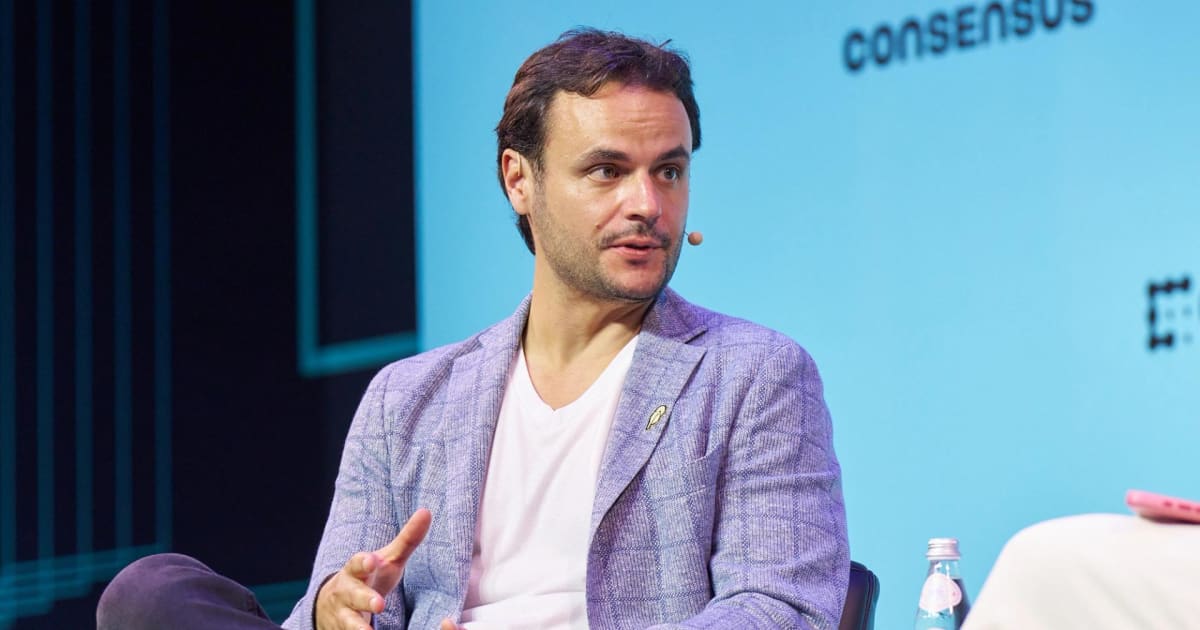
Robinhood's launch of a proprietary blockchain marks a pivot toward institutional-grade retail rails. This article investigates the domino effect on Indian fintech giants, analyzing how the move threatens legacy brokerage models and creates new competitive pressures on NSE/BSE-listed entities.
The Decentralization of Retail Infrastructure: Why Robinhood Matters
The financial services landscape is undergoing a structural shift that mirrors the transition from physical bank branches to mobile banking apps a decade ago. Robinhood’s recent rollout of a proprietary blockchain is not merely a product update; it is a strategic assertion that the future of retail trading infrastructure lies in private, high-throughput distributed ledgers rather than centralized, siloed clearinghouses. By bringing the settlement layer in-house, Robinhood is effectively disintermediating the traditional financial stack.
For the Indian market, this is a clarion call. While Indian brokerage firms have excelled at user interface (UI) and user experience (UX) innovation, the underlying settlement and clearing infrastructure remains tethered to legacy systems governed by the National Stock Exchange (NSE) and the Bombay Stock Exchange (BSE). As global platforms move toward 'DeFi-as-a-Service,' the competitive gap for Indian fintechs—who must navigate a more stringent regulatory environment—is widening.
How will Robinhood’s proprietary blockchain change Indian fintech competition?
The core of Robinhood’s strategy is the reduction of 'friction cost'—the time and capital tied up in clearing and settlement. In the current Indian framework, T+1 settlement cycles are the standard, but they remain dependent on depository participants like CDSL. If global competitors begin offering near-instant settlement via proprietary blockchain rails, Indian firms will face immense pressure to lobby for, or build, similar blockchain-integrated solutions. We are likely to see a 'tech-debt' crisis among older brokerages that cannot integrate these decentralized rails without a total overhaul of their backend architecture.
The Institutional-Grade Pivot: Parallels to the 2022 Crypto Winter
When the crypto markets corrected in 2022, the Nifty Financial Services Index saw a significant drawdown of roughly 14% as investors fled high-beta assets. However, the firms that emerged stronger were those that diversified into digital asset custody. Robinhood’s move is the logical extension of that survival strategy. By controlling the ledger, they reduce dependence on external clearinghouses, potentially expanding their net interest margins (NIMs) by 150-200 basis points over the next three fiscal years.
Stock-by-Stock Breakdown: Winners and Losers in the Indian Market
The ripple effect of this global shift will be felt unevenly across the Indian financial sector. We categorize the impact as follows:
- Angel One (ANGELONE): As a tech-first discount broker, Angel One is best positioned to pivot. However, their reliance on traditional exchange clearing remains a vulnerability. If they fail to integrate blockchain-native settlement, their P/E ratio, currently hovering around 18-22x, could see a contraction as investors price in 'disruption risk.'
- CDSL (CDSL): The depository giant is the most exposed. If blockchain-based self-custody becomes the standard, the necessity for a centralized depository service diminishes. While regulatory mandates protect them for now, their long-term moat is under pressure.
- BSE Ltd (BSE): As an exchange, BSE is incentivized to adopt blockchain for clearing. If they successfully integrate these technologies into their STAR MF or other platforms, they could become a primary infrastructure provider, offsetting the decline in traditional brokerage volumes.
- 5Paisa Capital (5PAISA): Being a smaller, more agile player, 5Paisa has the potential to adopt 'DeFi-as-a-Service' models faster than legacy incumbents. Watch for their upcoming R&D spend on digital asset infrastructure.
Expert Perspectives: The Bull vs. Bear Divide
The Bull Case: Proponents argue that proprietary blockchains will lead to a 'financial internet' where transaction costs approach zero, driving massive retail volume growth that will benefit all fintech platforms, even legacy ones that adapt.
The Bear Case: Skeptics, particularly within the Reserve Bank of India (RBI) and SEBI, view proprietary chains as 'shadow banking' systems. They argue that lack of transparency and AML/KYC non-compliance will lead to a regulatory crackdown that could freeze these platforms out of the Indian market entirely.
Actionable Investor Playbook: The Strategy
Investors should adopt a 'wait-and-see' approach regarding direct crypto exposure, but monitor the infrastructure providers closely. Watch for:
- Accumulation zones: Look for dips in tech-forward brokers (like Angel One) if the market overreacts to global regulatory headlines.
- Hedge positions: Maintain exposure to exchange operators (BSE) that are actively investing in blockchain-based clearing pilots.
- Time Horizon: This is a 3-5 year structural play. Do not expect immediate Q1 earnings impact.
Risk Matrix: Assessing the Headwinds
| Risk Factor | Probability | Impact |
|---|---|---|
| Regulatory Ban (RBI/SEBI) | High | Severe |
| Cybersecurity/Protocol Breach | Medium | Moderate |
| Institutional Adoption Delay | Low | Moderate |
What to watch next
Keep a close eye on the upcoming SEBI circulars regarding 'Distributed Ledger Technology (DLT) in Securities Settlement.' Any shift toward allowing private blockchains for retail settlement will be the definitive catalyst for a sector-wide re-rating of Indian fintech stocks. Furthermore, monitor Robinhood’s Q3 data on crypto-asset custody growth as a proxy for global retail demand.
See 5Paisa Capital's AI Score
Our algorithmic screener scores 5Paisa Capital on fundamentals, momentum, and risk — free to try, no card needed.
Try the AI Screener →Have questions about this story?
Ask Welth, our finance-focused AI research assistant, for a deeper breakdown — free trial included.
Chat with Welth AI →Disclaimer: This content is generated by WelthWest Research Desk based on publicly available reports and is for informational purposes only. It does not constitute financial advice, investment recommendations, or an offer to buy or sell securities. Always consult a qualified financial advisor before making investment decisions.